
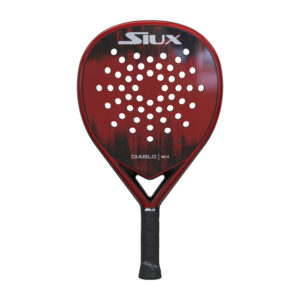
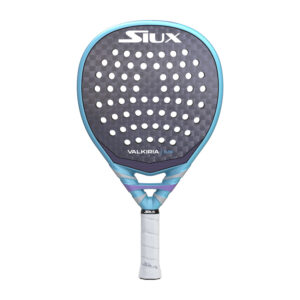
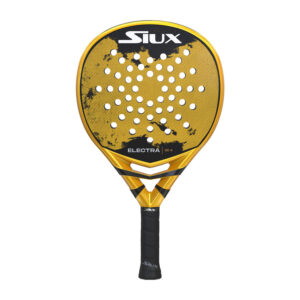
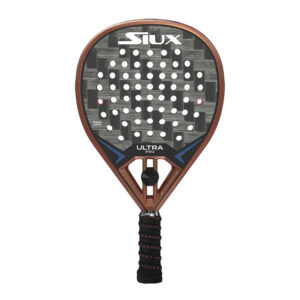
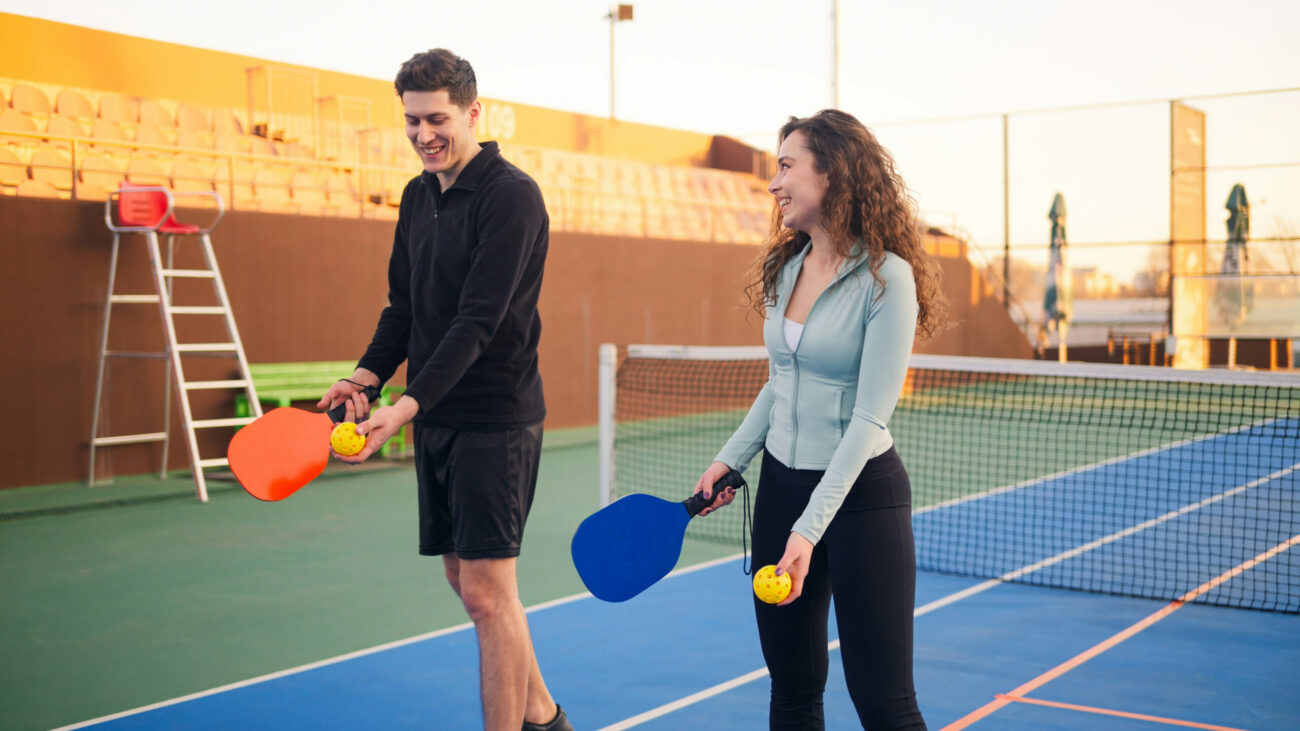
How to choose the perfect pickleball paddle for you

How Pickleball Is Shaping Modern Sports Culture and Why It’s Here to Stay

Pickleball. The name still raises eyebrows, yet the sport has become impossible to ignore.
What started as a quirky backyard experiment in the 1960s has evolved into one of the fastest-growing sports on the planet, attracting professional athletes, celebrities, retirees, and kids alike.

In 2025, it’s more than just a game — it’s a social movement, a fitness revolution, and a cultural phenomenon redefining how people play, connect, and compete.

So, how did a paddle sport that blends elements of tennis, badminton, and table tennis capture global attention — and why isn’t it slowing down anytime soon?

1. A Brief History: The Accidental Invention That Changed Everything

Pickleball was born in 1965 on Bainbridge Island, Washington, when three fathers — Joel Pritchard, Bill Bell, and Barney McCallum — wanted to entertain their bored kids. They improvised with paddles, a perforated plastic ball, and a badminton court.

What began as a backyard pastime soon spread through neighborhoods, local clubs, and retirement communities. By the 2000s, pickleball had grown into a structured sport with official rules, international tournaments, and professional leagues.

The secret of its appeal?
It’s simple to learn, accessible for all ages, and fun from the very first game.

2. The Perfect Blend: Simplicity Meets Strategy

Pickleball’s charm lies in its easy entry and deep mastery.
You can pick up a paddle and start playing within minutes — yet spend years refining your skills.

The sport borrows the finesse of tennis, the tactics of badminton, and the quick reflexes of table tennis, creating a fast-paced, engaging experience.

  • Court size: Smaller than tennis, making it less physically demanding. 
  • Paddle: Lightweight and easy to control. 
  • Ball: A wiffle-style ball that travels slower, extending rallies and reducing strain. 

This balance between accessibility and competitiveness makes pickleball a rare breed — a game that’s equally loved by beginners and professional athletes.

3. The Social Side: How Pickleball Builds Communities

One of the biggest reasons for pickleball’s explosive growth is its community-driven spirit.

Unlike traditional racket sports, pickleball thrives on social interaction.
You’ll find people chatting between rallies, cheering for opponents, and sharing post-game coffee more often than you’ll see them arguing over line calls.

Pickleball courts are popping up in parks, clubs, schools, and residential complexes — turning empty spaces into vibrant social hubs.

For many, it’s more than exercise — it’s a way to make friends, reduce stress, and stay active.

In fact, studies have shown that social sports participation improves mental health and longevity, making pickleball one of the most inclusive and wellness-oriented sports today.

4. The Celebrity Effect: When the Stars Picked Up a Paddle

If you’ve scrolled through social media recently, chances are you’ve seen a celebrity playing pickleball.
From LeBron James, Tom Brady, and Michael B. Jordan investing in pro teams to Ellen DeGeneres, Leonardo DiCaprio, and Kim Kardashian playing for fun — the sport has caught Hollywood and the sports elite by storm.

This wave of celebrity endorsement has given pickleball unprecedented visibility. It’s now seen not as a hobby for retirees but as a cool, energetic, and even aspirational sport.

Luxury resorts, corporate parks, and even cruise ships are adding pickleball courts to attract this growing fan base.
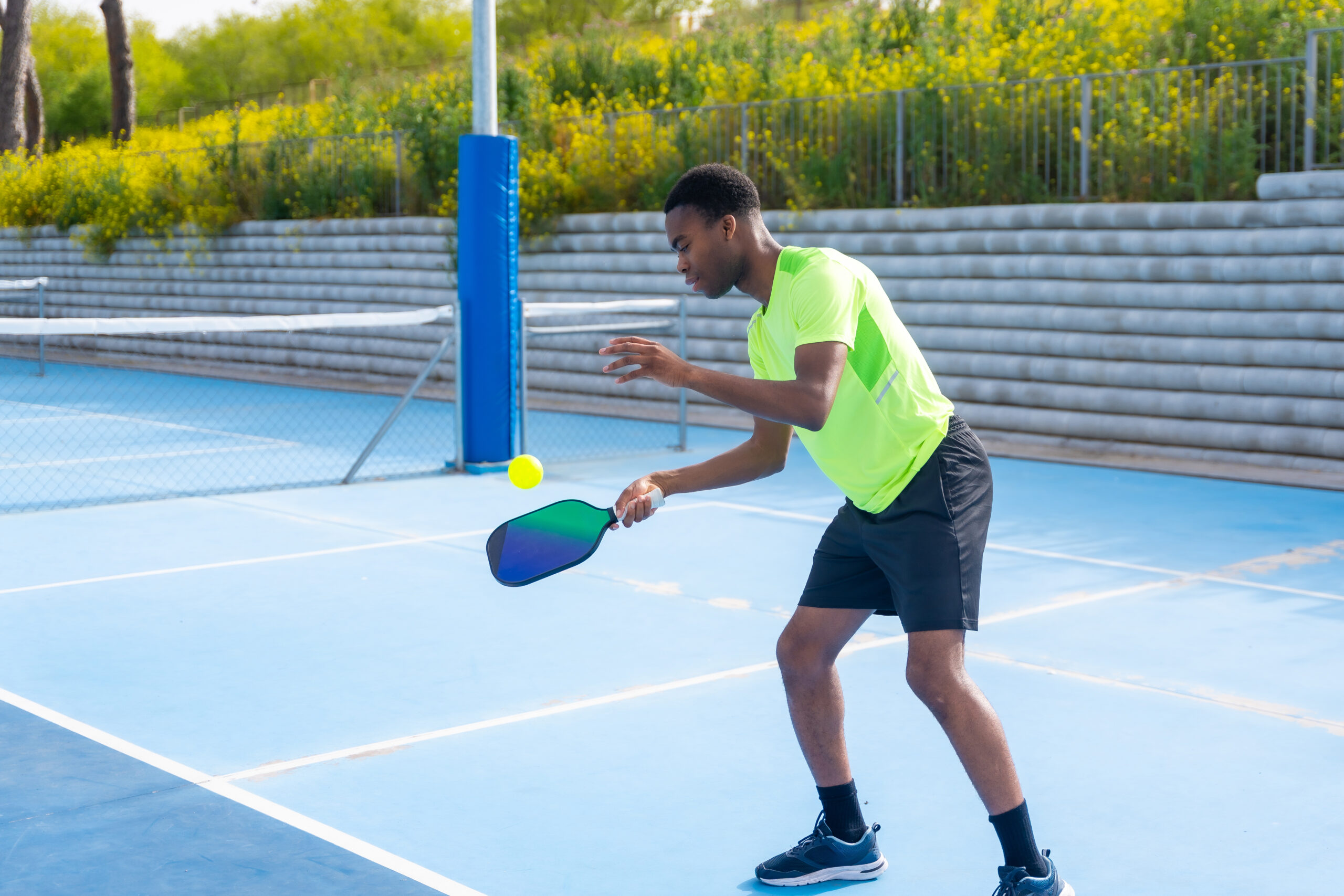
5. The Rise of Professional Pickleball: Leagues, Sponsorships, and Prize Money

The sport’s professional scene has exploded in just the past five years.
Organizations like the Professional Pickleball Association (PPA) and the Major League Pickleball (MLP) have introduced structured tournaments, global rankings, and significant cash prizes.

Television networks and streaming platforms are broadcasting matches, bringing pickleball into living rooms worldwide.

Big brands — from Adidas and Selkirk to Head and JOOLA — are racing to develop advanced paddles, apparel, and footwear, further professionalizing the game.

The result? Pickleball is no longer a pastime — it’s a career opportunity and a commercial market worth hundreds of millions of dollars.

6. A Global Movement: Pickleball Beyond North America

Though the U.S. remains the heart of pickleball, the game’s reach is rapidly expanding.
Countries like India, the UK, Spain, Australia, Japan, and the UAE have witnessed a surge in pickleball clubs and tournaments.

In India, for instance, urban communities are repurposing badminton and tennis courts to host pickleball matches. Cities like Mumbai, Delhi, and Bangalore are becoming hubs for amateur and semi-professional play.

The All India Pickleball Association (AIPA) and several state federations are pushing for national championships and player development programs, helping India position itself as a major player in the sport’s global rise.

7. Fitness Revolution: Why Pickleball Is the Perfect Modern Workout

In an era where people are increasingly health-conscious but time-strapped, pickleball offers the perfect balance between fun and fitness.

It delivers:

  • Cardiovascular endurance through long rallies 
  • Muscle coordination and reflex training 
  • Low-impact movement that’s easy on joints 
  • Calorie burn comparable to jogging or cycling 

Unlike monotonous gym sessions, pickleball keeps you moving, laughing, and competing — which makes you more likely to stick with it long-term.

Fitness experts now recommend pickleball as a complete mind-body workout that enhances agility, flexibility, and hand-eye coordination — without feeling like exercise.

8. The Gear Boom: How Equipment Innovation Fuels the Game

With growth comes innovation.
Modern pickleball gear has become a blend of sports science and technology.

Brands are experimenting with carbon fiber paddles, polymer honeycomb cores, and vibration-dampening grips to optimize power and control.
Even pickleball balls are being re-engineered for better flight stability across indoor and outdoor play.

At The God of Sports, we’ve seen this surge firsthand — from advanced paddles by Yonex, Head, and JOOLA to lightweight court shoes and performance wear.

This gear evolution reflects pickleball’s shift from a backyard hobby to a serious, performance-driven sport.

9. Pickleball and the Generational Bridge

In an age where digital distractions dominate, few activities bridge generations like pickleball does.

Grandparents play with grandkids. Teenagers challenge parents. Colleagues from different departments team up after work.

The sport’s multi-generational inclusivity is unmatched.
It’s simple enough for seniors to enjoy yet competitive enough for athletes in their 20s.

That shared accessibility has turned pickleball into something more profound — a connector of people, cutting across age, skill, and background.

10. Pickleball’s Cultural Impact: Redefining Leisure and Lifestyle

Pickleball isn’t just influencing sports — it’s influencing culture.

Cafés, bars, and recreational spaces are adding pickleball courts to attract crowds.
Influencers and lifestyle brands are featuring pickleball in their content.
Fitness studios are offering “pickleball-inspired workouts.”

The sport now sits at the intersection of fitness, fashion, and social life — a new kind of culture where sport meets style.

It’s no longer rare to find brands launching “pickleball collections” or resorts hosting “paddle and brunch” weekends.

Pickleball has become a social identity — a reflection of active, connected, and balanced living.

11. The Future: Why Pickleball Is Here to Stay

Every major trend — from participation growth and media coverage to brand investment — points to one conclusion:
Pickleball isn’t a fad; it’s the future.

According to the Sports & Fitness Industry Association (SFIA), pickleball participation has grown over 200% in the past three years, making it the fastest-growing sport in North America.

With urban developers integrating courts into new residential and commercial projects, the infrastructure boom is already underway.
Schools are adding it to PE programs. Gyms and country clubs are rebranding with dedicated pickleball facilities.

As long as people seek fun, fitness, and community — pickleball will thrive.

12. How You Can Join the Movement

If you’ve never tried pickleball, now’s the perfect time.
All you need is a paddle, a few balls, and a 20×44 ft. court — which you can easily set up in driveways or community spaces.

Here’s how to get started:

  1. Choose your paddle – look for lightweight options with good grip and balance. 
  2. Find a local club or open court – many communities host beginner sessions. 
  3. Learn the basics – serving, volleying, and “the kitchen” rule. 
  4. Play socially first – the best part of pickleball is the people you meet. 

And when you’re ready to upgrade your game, check out The God of Sports’ Pickleball Store for the latest paddles, balls, shoes, and accessories curated for every level.

Conclusion: The Heartbeat of Modern Sports Culture

Pickleball isn’t just a sport — it’s a symbol of our times.
It embodies accessibility, inclusivity, and connection — values modern sports culture desperately needed.

From bustling urban courts to luxury resorts, from neighborhood leagues to international tournaments, pickleball has captured something that most sports lost along the way: pure joy in playing.

So whether you’re swinging your first paddle or chasing your next championship — remember, you’re not just playing a game.

 You’re part of a movement that’s reshaping the world of sport, one rally at a time.
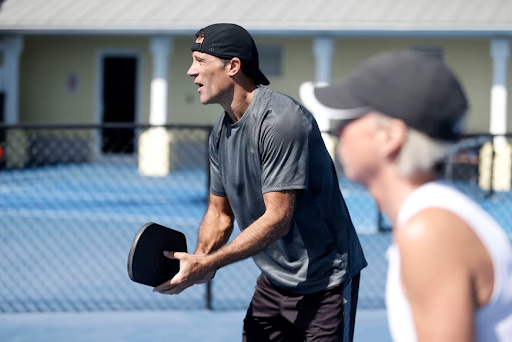
The Complete Pickleball Dictionary: Terms Every Player Should Know

Pickleball may be easy to learn, but once you step onto the court, you’ll quickly hear words like dink, kitchen, and third shot drop being thrown around like seasoned slang.

If you’re new to the game, this can feel like learning a new language — one where even kitchen doesn’t mean what you think it does.

That’s where this guide comes in.

Welcome to The Complete Pickleball Dictionary, your go-to glossary of every term, rule, and expression you’ll hear on the court. Whether you’re a beginner or a rising star, understanding this lingo will help you play smarter, communicate better, and truly feel part of the pickleball community.

A–Z Pickleball Terms and What They Mean

Let’s break down the most common (and some not-so-common) pickleball terms — explained in plain English, with examples so you can use them confidently in your next match.

A

Ace
A serve that lands in the opponent’s court untouched. It’s rare in pickleball due to the underhand serve rule — but incredibly satisfying when it happens.

Around-the-Post (ATP)
A jaw-dropping shot hit around the net post, without crossing over it. Legal as long as it lands in the court. A favorite move of pros and highlight reels.

B

Backhand
A shot hit with the back of your paddle facing the ball. Think of it as your “weaker” side until you master it with proper technique and wrist control.

Baseline
The back boundary line of the court — 22 feet from the net. Serves must land beyond the opponent’s non-volley zone but before their baseline.

Bert
A daring shot where a player crosses the centerline to poach a ball meant for their partner — typically performed during doubles. (Risky, but glorious when it works.)

Body Shot
When the ball strikes your opponent — legal and often used intentionally to win a rally.

C

Carry
When a player “lifts” or drags the ball on the paddle instead of making a clean hit. Considered a fault.

Centerline
The line that divides the service area into left and right service courts. It helps determine where to serve.

Chainsaw Serve (banned in official play)
A flashy serve where players used to roll the ball along the paddle edge to create extra spin. Banned by USA Pickleball in 2023 — but you might still hear players brag about it.

Champion’s Court
A common rotation system in recreational play where winners stay on the court and challengers rotate in.

D

Dink
A soft, controlled shot that just clears the net and lands in the opponent’s non-volley zone (kitchen). The bread-and-butter of smart doubles play.

Double Bounce Rule
Each team must let the ball bounce once after the serve and once on the return before volleys are allowed. Keeps rallies fair and strategic.

Double Hit
Hitting the ball twice in one swing. Usually a fault — unless it’s unintentional and part of one continuous motion.

Drive
A powerful, flat shot hit with pace, often aimed low over the net to force errors.

Drop Shot / Third Shot Drop
A soft shot hit from near the baseline that lands in the kitchen — neutralizing your opponent’s advantage and letting your team approach the net.

E

Erne
A spectacular volley hit outside the court boundaries near the net post — named after Erne Perry, the player who popularized it. Often follows a quick lateral step or jump.

Equipment Check
Informal check before a match to ensure your paddle, shoes, and ball meet regulation standards — especially in tournaments.

F

Fault
Any violation that stops play. Examples: hitting into the net, serving out of bounds, stepping into the kitchen on a volley.

Foot Fault
Occurs when the server’s foot crosses the baseline before or during contact with the ball — or when a player volleys while touching the kitchen line.

Forehand
A shot hit with the palm of your hand facing the ball — typically your strongest side.

G

Game Point
The final point required to win the game. If you’re serving and call “10-8-1,” that’s your moment.

Golden Pickle
A rare event when a team wins a game 11-0, allowing the opponent no points. Ultimate bragging rights.

H

Half-Volley
When you hit the ball immediately after it bounces, with very little rise time. Useful when you’re caught near your feet at the net.

Heel Shot
A defensive shot hit late, often using the back edge of the paddle to recover a tricky ball.

I

Inside-Out Shot
A deceptive shot hit in the opposite direction of where your paddle is facing — used to wrong-foot opponents.

Interference
If anything (or anyone) obstructs play — another ball rolls onto the court, for example — the rally is replayed.

J

Junior Pickleball
A fast-growing youth segment of the sport with smaller paddles, softer balls, and adjusted court sizes for kids under 12.

K

Kitchen (Non-Volley Zone)
The 7-foot area on both sides of the net where volleying is not allowed. You can step into the kitchen only after the ball bounces.
Tip: Most beginners commit kitchen faults — always reset your feet before volleying!

L

Lob
A high, arcing shot meant to push your opponent back toward the baseline. Great defensive tool — risky against taller players.

Let
A serve that touches the net but still lands in the correct service area. Officially, lets are now considered “in play” under the latest USA Pickleball rules.

Line Call
When players decide whether the ball landed in or out. Honesty and sportsmanship matter — it’s a self-officiated game.

M

Match
A series of games. Most matches are best-of-three, with each game played to 11 points (win by two).

Momentum Shot
When a player’s forward movement takes them into the kitchen after volleying — a common cause of foot faults.

N

Net Cord
When the ball clips the top of the net but still lands in play. Can be lucky or frustrating depending on which side you’re on!

Non-Volley Zone (NVZ)
The technical term for the “kitchen.” The no-volley zone that defines pickleball’s unique gameplay.

O

Overhead Smash
A powerful, downward shot hit above the head, usually off a lob. It’s the exclamation mark of a rally.

Out Ball
A shot that lands beyond the boundary lines. Players are encouraged to call “Out!” loudly and clearly.

P

Paddle
Your weapon of choice. Modern paddles come in graphite, fiberglass, and carbon fiber options — all available at The God of Sports Pickleball Store.

Poach
When a doubles player intercepts a shot meant for their partner — ideally to attack, not to steal glory.

Pickle!
A fun call made when serving, similar to shouting “Play!” or “Let’s go!”

Pickled
When a team loses 0–11. Painful but character-building.

Q

Quick Hands
Refers to fast reaction time in net exchanges. Pro players train extensively to master quick-hand battles.

R

Rally
A sequence of continuous shots until a fault is made. Longer rallies make the game thrilling and test endurance.

Reset Shot
A soft shot used to slow down a fast rally and regain control — a vital skill in defensive play.

Rule of 11
A common scoring format where the first team to 11 points (win by two) wins the game.

S

Serve
The underhand shot that starts every point. Must be hit below the waist with at least one foot behind the baseline.

Side-Out
When the serving team loses the rally, and service passes to the opponent.

Singles
One-on-one format of pickleball — faster and more physically demanding than doubles.

Spin Serve
A legal serve where players use paddle angle or wrist movement to generate spin. Adds unpredictability.

Soft Game
A tactical approach emphasizing dinks, drops, and resets instead of power.

T

Third Shot Drop
Perhaps the most strategic shot in pickleball — the soft shot hit after the serve and return, designed to land gently in the kitchen and allow your team to approach the net.

Topspin
Forward spin applied to the ball, causing it to dip downward quickly after crossing the net.

Timeout
Players can call timeouts to regroup, especially in tournaments. Useful for breaking opponents’ momentum.

U

Unforced Error
A mistake made under no pressure — like hitting an easy shot into the net. The silent killer of close games.

Underhand Serve
Mandatory in pickleball. The paddle must contact the ball below waist level, unlike in tennis.

V

Volley
Hitting the ball out of the air before it bounces. A staple of aggressive net play — but remember, never volley in the kitchen!

Volley Rally
A high-speed exchange at the net with both teams volleying back and forth — often the most exciting moment of a match.

W

Winning Shot
A shot that ends the rally in your favor — usually a well-placed dink, drop, or smash.

Wood Paddle
The original material used in early pickleball paddles. Today’s players prefer composite materials for lighter weight and better control.

X–Z

XP (Experience Points)
A playful term among club players to track progress in skill or rating.

Zone Play
Refers to maintaining control over key areas — baseline, transition zone, or kitchen line — based on match strategy.

Pro Tip: Speak Pickleball to Play Better

Learning pickleball terms isn’t just about sounding smart. It’s about understanding the flow of the game.
When someone says, “Nice dink to force that reset,” you’ll know exactly what they mean — and how to do it yourself next time.

You’ll also be able to:

  • Communicate clearly with your doubles partner 
  • Understand coaching instructions 
  • Watch pro matches with better tactical awareness 
  • Improve your decision-making mid-rally 

The more fluent you are in pickleball language, the more confident you’ll become as a player.

Pickleball Terms That Confuse Beginners (and What They Really Mean)

Term Sounds Like Actually Means
Kitchen A cooking area The non-volley zone — don’t step in unless the ball bounces
Dink A mistake A smart soft shot used strategically
Pickled A food term Losing a game 0–11
Poach Steal Taking your partner’s shot — ideally, with intention
Erne A person’s name A jump volley around the net post
Third Shot Drop A rule A shot that helps you transition to the net

Bonus: Advanced Terms for Competitive Players

If you’re beyond the basics, start adding these to your vocabulary:

  • Stacking – Rearranging player positions to favor stronger forehands or backhands. 
  • Transition Zone – The mid-court area between the baseline and kitchen, where control is toughest. 
  • Paddle Angle – The orientation of your paddle face that determines spin and trajectory. 
  • Reset Rally – A sequence of controlled soft shots used to slow down fast play. 
  • PPA / MLP – Professional Pickleball Association and Major League Pickleball — the top pro circuits globally.

Final Word: Talk the Talk, Play the Game

Understanding pickleball terminology is like unlocking the sport’s hidden rhythm.
It connects you to a global community, sharpens your tactical thinking, and helps you appreciate the game’s depth far beyond the baseline.

So next time you hit the court, don’t just play — speak the language of pickleball.
Because whether you’re dinking in doubles or smashing in singles, it’s not just about winning points — it’s about being part of a sport that’s rewriting the rules of fun, fitness, and friendship.

How to Maintain and Clean Your Pickleball Paddle for Maximum Life

Your pickleball paddle isn’t just a piece of equipment—it’s the extension of your arm, your power generator, and your precision tool. Whether you’re smashing drives or mastering soft dinks at the kitchen line, your paddle takes a beating every session.

If you want consistent performance and long-term durability, learning how to clean and maintain your pickleball paddle is non-negotiable. A little care goes a long way toward preserving its pop, grip, and balance.

This complete guide walks you through cleaning methods, maintenance routines, storage hacks, and expert do’s and don’ts to keep your paddle tournament-ready for years.

Why Paddle Maintenance Matters More Than You Think

Pickleball paddles are built from advanced materials—graphite, fiberglass, or carbon fiber over polymer or Nomex cores. They’re designed to deliver speed, spin, and control.

But sweat, dirt, sunscreen, and repeated impact degrade them over time.

Neglecting maintenance leads to:

  • Dull paddle surfaces that reduce spin and control 
  • Worn grips that cause slippage and wrist strain 
  • Micro-cracks that spread into costly core damage 
  • Delamination (face separating from core) in extreme cases 

Proper care keeps your paddle performance consistent, prevents early wear, and saves you from replacing gear every season.

Step-by-Step: How to Clean Your Pickleball Paddle

Cleaning your paddle regularly (ideally after every few sessions) removes oils and grime that affect play.
Here’s the safe, manufacturer-approved method:

1. Wipe Off Loose Dust and Debris

After each match:

  • Use a dry microfiber cloth to remove surface dust or dirt. 
  • Gently wipe the paddle face, edges, and handle. 
  • Avoid paper towels—they can leave lint or micro-scratches. 

💡 Tip: Keep a small microfiber towel in your gear bag for quick wipe-downs between games.


2. Use Mild Soap and Water for Deep Cleaning

When you notice residue buildup:

  1. Mix a few drops of mild dish soap with warm water. 
  2. Dip a soft cloth (never the paddle directly) into the solution. 
  3. Wring it out well—it should be damp, not dripping. 
  4. Wipe both sides of the paddle face using gentle circular motions. 
  5. Rinse the cloth with clean water and remove any soapy film. 
  6. Dry immediately with a soft towel. 

Avoid harsh chemicals, alcohol wipes, or glass cleaners—they can strip the surface coating or fade printed graphics.


3. Clean the Grip Separately

Your handle collects sweat, sunscreen, and bacteria fast.
For the grip area:

  • Use a damp cloth with mild soap to wipe it clean. 
  • If it’s heavily worn or slick, replace the overgrip entirely. 
  • Re-wrap new overgrips tightly to avoid air pockets. 

A fresh grip improves control, reduces strain, and absorbs moisture better than any quick wipe-down.


4. Check the Edge Guard

The plastic or rubber edge guard protects your paddle from ground contact and paddle clashes.
Inspect it often:

  • Look for cracks or loose sections. 
  • If separating, use a small amount of super glue gel (not liquid) to reseal. 
  • If badly damaged, take it to a pro-shop for replacement. 

Ignoring edge guard issues can lead to face delamination—the biggest killer of paddle life.

Paddle Maintenance Routine (Weekly & Monthly)

Consistency beats effort. Build these small habits into your post-game or weekly ritual.

After Every Game

  • Wipe the paddle face with a dry microfiber cloth. 
  • Store it in a padded paddle cover (avoid direct sun in your car). 

Every Week

  • Clean with mild soap and water. 
  • Inspect edge guard and handle. 
  • Tighten or re-wrap your overgrip if needed. 

Every Month

  • Weigh your paddle on a digital scale. 
    • A sudden weight increase may signal water absorption in the core. 
  • Check for surface wear—if the texture feels smooth, spin performance might drop. 
  • If you notice dead spots (where the ball feels flat), it may be time for replacement. 

How to Store Your Pickleball Paddle the Right Way

Where and how you store your pickleball paddle directly affects its lifespan.

Ideal storage conditions:

  • Temperature between 10–30°C (50–85°F) 
  • Low humidity (avoid damp basements or hot cars) 
  • No direct sunlight or pressure on the face 

Pro Tips:

  • Always use a padded paddle cover or case. 
  • If you play outdoors, keep a backup paddle—heat and moisture exposure age materials faster. 
  • Never hang it by the handle strap for long periods (it can warp the grip alignment). 

Playing Outdoors? Here’s How to Protect Your Paddle

Outdoor players face extra wear from UV rays, wind, and dirt.
Here’s how to adapt your maintenance:

  1. Sun Protection:
    Don’t leave paddles on hot asphalt or in car trunks—extreme heat softens adhesive layers and causes bubbling. 
  2. Sand & Dust Removal:
    Rinse the paddle face with a slightly damp cloth after sandy sessions; dry thoroughly. 
  3. Moisture Management:
    If your paddle gets wet, towel it off immediately and air-dry it indoors—never near direct heat sources. 
  4. Winter Storage:
    Cold makes composite materials brittle. Keep paddles indoors between uses during winter. 

Grip Replacement: When and How Often?

Grips lose texture and absorption over time, especially if you play often.
Here’s a quick guide:

Frequency of Play Grip Replacement Interval
1–2 times/week Every 2–3 months
3–5 times/week Every 4–6 weeks
Daily / Tournament Play Every 2–3 weeks

Signs you need a new grip:

  • Slick or shiny surface 
  • Loss of tackiness 
  • Odor or discoloration 
  • Wrist fatigue during play 

You can choose between:

  • Replacement grips – thicker, cushioned base layer. 
  • Overgrips – thinner wraps you apply over the base grip; cheaper and replaceable quickly. 

At God of Sports, we recommend keeping a 3-pack of overgrips in your kit bag—you’ll thank yourself mid-season.

Common Paddle-Care Mistakes to Avoid

Even seasoned players make these blunders that shorten paddle life:

  1. Using Alcohol or Harsh Cleaners:
    Strips the protective coating and affects the paddle’s spin surface. 
  2. Tapping Paddles on the Net or Court:
    Weakens the edge guard and face bonding. 
  3. Leaning on the Paddle as Support:
    Causes internal cracks and warps the handle. 
  4. Using Household Scrubbers:
    Micro-abrasions ruin the paddle texture and reduce control. 
  5. Leaving Paddles in a Car:
    Heat and humidity warp polymer cores and delaminate glue layers. 

When to Replace Your Pickleball Paddle

Even with top-tier care, paddles don’t last forever. The average lifespan:

  • Recreational players: 1.5–2 years 
  • Competitive players: 6–12 months 

Time for an upgrade when:

  • You hear a dull “thud” instead of a crisp “pop.” 
  • You see surface bubbles or soft spots. 
  • The grip or edge guard repairs no longer hold. 

When it’s time, look for new-generation paddles with improved carbon-fiber layering, vibration dampening, and balanced weight — available in our curated Pickleball Paddle Collection at The God of Sports.

Quick Paddle-Care Checklist

Task Frequency Why It Matters
Wipe paddle after every game Every use Prevents sweat/dirt buildup
Deep clean with soap & water Weekly Restores texture & feel
Check grip & edge guard Weekly Avoids cracks & slips
Replace overgrip Monthly Keeps handle tacky & hygienic
Store in padded case Always Prevents sun and impact damage
Inspect for cracks Monthly Early detection = longer life

Print or save this checklist in your gear bag—it’s your paddle’s insurance policy.

Expert Advice: Small Habits That Make a Big Difference

  • Rotate paddles if you own more than one; it balances wear. 
  • Avoid “paddle claps” (hitting paddles in celebration). Use a fist bump instead. 
  • Keep silica gel packets in your paddle bag—they absorb moisture. 
  • Clean balls too! Dirty pickleballs transfer grime to your paddle. 
  • Log your paddle usage in hours if you’re a competitive player; replace proactively before major tournaments. 

Final Thoughts: Treat Your Paddle Like a Teammate

Your paddle works hard every rally—it deserves a little TLC.
By investing just 10 minutes a week, you can dramatically extend its lifespan, preserve that fresh-off-the-shelf feel, and ensure every shot—drive, dink, or drop—performs exactly as you intend.

Remember: in pickleball, control and confidence start with your gear.
A clean paddle isn’t just about looks—it’s about longevity, precision, and consistency.

So the next time you zip up your paddle case, take a moment to give it the care it’s earned.
Because great play begins with great equipment—and nobody understands that better than players who love the game.

From Tennis to Pickleball: How Former Tennis Players Adjust Their Game

The rise of Pickleball has seen many former tennis competitors trading their racquets for paddles—and it’s a fascinating transition. With their solid foundations in hand‑eye coordination, footwork, match strategy and competitive mindset, many tennis players find significant advantages in moving into pickleball. Still, shifting from one sport to the other also means adapting to new rules, court positioning, shot types, and tactics. If you’re a tennis player considering pickleball, or simply curious how the crossover works, this article lays out how the transition happens, what changes most, and how the best players manage the adjustment.

Why Tennis Players Are Making the Jump?

There are several reasons why tennis players are increasingly embracing pickleball:

  • Less physical strain: The smaller court size and slower ball speed—relative to high‑level tennis—mean less stress on joints and fewer long aerobic rallies. 
  • Transferable skills: Tennis players already have strong fundamentals—serve mechanics, footwork patterns, volley experience, and competitive mindset. That gives them a head‑start in pickleball.  
  • Growing professional circuit: The professional pickleball tours (e.g., Professional Pickleball Association, Major League Pickleball) are attracting high‑profile names, sponsorships, prizes—and thus visibility and opportunity.  
  • Community and accessibility: Many tennis players appreciate the social aspect of pickleball, including lower barrier to entry, faster rally turnaround, and easier access to courts.  

For example, former top‑ten tennis player Sam Querrey and ex‑Wimbledon finalist Eugenie Bouchard have publicly made the switch. 

The Advantages Tennis Players Bring to Pickleball

Here are some of the key strengths tennis‑trained athletes bring when they start playing pickleball:

  • Serve and return experience: Tennis players already understand serving dynamics and returning aggressive serves, giving them an edge when mastering the underhand pickleball serve or aggressive return tactics. 
  • Net aggression & volley skills: Many tennis players are comfortable coming to the net and executing volleys—skills highly valuable in pickleball’s doubles format. 
  • Footwork and expectations: The footwork discipline, anticipation and reading the opponent’s shot from tennis translate well into pickleball. 
  • Match‑tactical mindset: The ability to manage a match—plan points, stay mentally strong, handle pressure—helps when adapting to a new sport. 
  • Wrist and hand‑eye coordination: Tennis trains the micro‑movements and timing that are key in pickleball’s shorter rallies and delicate soft‑game shots. 

These advantages often give the tennis‑experienced player a quick comfort zone when starting pickleball; the challenge lies in adapting to the specifics of pickleball’s rules, pacing and expectations.


The Main Adjustments Tennis Players Must Make

To truly transition from tennis to pickleball, however, certain changes must be made. Here are the significant shifts:

1. Court size and positioning

In tennis, the court is far larger and movement more physically demanding. In pickleball, the court is smaller (20 × 44 ft), which means:

  • Quicker decision‑making and less ground to cover. 
  • More emphasis on transitioning to the net early (in doubles especially). 
  • Adjusting spacing and partner dynamics (doubles) accordingly. 

2. Serve mechanics and restrictions

Tennis serves can be overhand, heavily spun, and hit with full extension. In pickleball:

  • Serves are underhand and must be hit below waist level. 
  • There’s less power advantage in the serve; placement and strategy matter more.
    Tennis players often need to retrain their serve mechanics, tempo and mindset to suit pickleball rules. 

3. The Non‑Volley Zone (the “kitchen”)

This is arguably the biggest adjustment. In pickleball:

  • There is a 7‑foot non‑volley zone (NVZ) on either side of the net where volleying is not allowed. 
  • Tennis players need to learn distance judgement, foot placement and volley avoidance of the kitchen rule. 
  • Mistakes here (stepping into the kitchen on a volley) are common for ex‑tennis players. 

4. Soft game vs baseline power

Tennis often rewards baseline power, heavy topspin and lengthy rallies. Pickleball rewards:

  • Soft dinks, finesse shots, resets, and patience at the net. 
  • Quick transitions and shorter humps of rally length.
    For many tennis players, learning to slow down and trust the soft game is essential. 

5. Different pacing and shot types

Pickleball features:

  • Slower ball speeds meaning different timing. 
  • Unique shots such as the dink, third‑shot drop, reset shot and the around‑the‑post.
    Tennis players may find these unfamiliar and must adapt tactically. 

6. Doubles dynamics are dominant

While tennis offers singles and doubles, pickleball’s most common format is doubles. This means:

  • Strong emphasis on partner coordination, court coverage, and positioning. 
  • Additional learning curve in communicating, stacking, poaching and kitchen strategy. 

Real‑Life Examples of Tennis Players Transitioning

Here are some notable cases of ex‑tennis players making the shift:

  • Jack Sock: Former ATP top‑10 tennis player who turned his attention to the pro pickleball circuit. His tennis background has helped him adapt quickly.  
  • Eugenie Bouchard: The former world No. 5 tennis player made her transition to pro pickleball in 2024 and soon signed a multi‑year deal with a pickleball tour. Her move illustrates both the appeal of pickleball and the adjustment challenge.  
  • Donald Young: Another tennis pro who has embraced pickleball; his tennis foundation has helped him rank and compete on the pickleball tour. 
  • John Isner and Andre Agassi: These tennis icons have supported pickleball through endorsement, participation and visibility, bridging the sports. 

These examples reflect the trend: tennis players entering pickleball for competitive challenge, business opportunity, lower physical toll or simply the social plus community side of the sport.

How to Make the Transition: Practical Tips

If you’re a tennis player interested in pickleball, here are practical strategies to adjust effectively:

  1. Re‑learn the serve
  • Practice underhand serves, focusing on placement over power. 
  • Use drills to serve deep into the service box and develop consistent accuracy. 
  • Record yourself to identify common tennis serve habits (over‑extension, high toss) and correct them. 
  1. Embrace the kitchen and net game
  • Spend time practising your kitchen line movement and foot positioning. 
  • Drills: Stand inside the non‑volley zone line and practice dropping volleys just past the kitchen; this builds spatial awareness. 
  • Learn to reset back from the kitchen if your opponent forces you there—this is a key skill. 
  1. Slow down the game and master the soft game
  • Incorporate drills for dink rallies: two players hitting softly back and forth over the net within the kitchen. 
  • Practice third‑shot drops: from the baseline hit a high soft shot into the kitchen to move forward. 
  • Tennis players often need to trust the soft game rather than rely solely on power. 
  1. Adapt your footwork
  • Shorten your steps—pickleball involves less running but quicker side‑to‑side, short bursts. 
  • Practice transitioning from baseline to net quickly in doubles settings. 
  • Use shadow drills: simulate net approach then play volley exchanges at the net. 
  1. Learn doubles tactics and partner communication
  • Work with a partner on positioning (who covers what angle, especially in stacked formation). 
  • Practice poaches, switches, and anticipating partner’s shot rather than chasing like singles tennis. 
  • Spend time in doubles matches (not just singles) to acclimate to the dominant format of pickleball. 
  1. Get comfortable with different shot repertoire
  • Spend time learning and practising shots like: dink, lob, over‑the‑shoulder volley, around‑the‑post, reset shots. 
  • Tennis players especially should practice softer grip pressure and shorter swings for finesse shots. 
  • Incorporate fitness and reaction drills: since rallies are shorter but more explosive, reaction time is key. 
  1. Focus on mindset and pace
  • Accept that many shots will be slower and rallies shorter—your dominance via power might be reduced initially. 
  • Develop patience: winning in pickleball often means staying consistent, drawing errors, and finishing smart. 
  • Compete in local pickleball games to build experience; the transition isn’t only physical but tactical and mental. 

Common Mistakes Tennis Players Make (and How to Avoid Them)

Recognising common pitfalls helps accelerate your transition:

  • Over‑hitting drives: Relying too much on power rather than placement or soft game.
    Fix: Use drills emphasising accuracy over pace. 
  • Poor kitchen discipline: Stepping into the non‑volley zone too early or mis‑judging the line.
    Fix: Practice footwork around the NVZ line and get comfortable volleying from just outside it. 
  • Slower reaction at the net: Tennis players sometimes struggle with quick volley exchanges at net due to different pace.
    Fix: Quick reflex drills, volley‑to‑volley practice, and practise reaction games. 
  • Tennis serve habits carry over: Overhand toss, high arch, or hitting above waist.
    Fix: Record and adjust serve technique immediately—train underhand and below waist. 
  • Under‑estimating partner dynamics: In tennis singles you manage the entire court; in pickleball doubles you need to coordinate.
    Fix: Play doubles, communicate frequently with partner, practise formations and transitions. 

Why the Adaptation Is Worth It

For tennis players, the transition to pickleball offers multiple benefits:

  • Extended competitive career: Less physical strain means you can play longer, even after tennis peak years. 
  • New social connections and clubs: Pickleball is thriving in communities—clubs, schools, resorts—and offers social richness. 
  • Business and endorsement opportunities: With pickleball growing fast, there is potential for coaching, branding, tours, and playing professionally. 
  • Fresh challenge: For many tennis players, the pivot to pickleball opens a fresh competitive frontier—learning the new sport keeps motivation high. 
  • Inclusive environment: The pickleball community is known for being welcoming and growing rapidly across age groups and regions. 

Conclusion

Moving from tennis to pickleball is far from a simple switch—yet for many tennis players, the skills, instincts and competitive DNA they already possess provide a strong foundation. The key lies in adapting: embracing the distinct rules, adjusting serve mechanics, mastering the kitchen, refining the soft game, and shifting mindset from baseline dominance to precision, positioning and agility.

If you’re a tennis player curious about trying pickleball: welcome to a world where your racquet skills give you a head‑start—but your willingness to learn, adapt and respect the nuances will determine how far you go. As the sport continues growing, your tennis experience might simply be the launchpad for your next great chapter on the pickleball court.

virat kohli playing pickleball

Virat Kohli & Anushka Sharma unwind with pickleball amid IPL 2025

With the playoffs spot secured, Royal Challengers Bengaluru star Virat Kohli was seen enjoying his off-time with a game of pickleball. The star batter was seen with his better half, Anushka Sharma, and his RCB teammates, including Mayank Agarwal, Romario Shephard, Bhuvneshwar Kumar, Phil Salt and others.

In a video posted by Royal Challengers Bengaluru, the couple could be seen enjoying pickleball as RCB’s scheduled training session was cancelled due to the torrential rains that have been drenching the city for a few days now.

Besides Kohli and Sharma, the session also saw RCB assistant coach Dinesh Karthik sweat it out with his wife Dipika Pallikal. 


Which pickleball paddle does Virat Kohli use?

King Kohli, who is having a great run in IPL 2025, was seen playing with a JOOLA Ben Johns Hyperion CAS 16 Pickleball Paddle. This pickleball paddle blends power and precision, offering exceptional spin and control for aggressive players.

The pickleball paddle goes perfectly with Virat Kohli’s on-field nature. It delivers top-tier performance with unparalleled power, spin, and control.

Want to buy the same pickleball paddle used by King Kohli? Get it only on God of Sports.

Buy Now

Has Virat Kohli retired from Tests?

Virat Kohli, who recently announced his retirement from Test cricket, broke the hearts of many of his fans with this sudden announcement. The right-handed batter announced on Instagram, “It’s been 14 years since I first wore the baggy blue in Test cricket. Honestly, I never imagined the journey this format would take me on. It’s tested me, shaped me, and taught me lessons I’ll carry for life”.

He further added, “As I step away from this format, it’s not easy — but it feels right. I’ve given it everything I had, and it’s given me back so much more than I could’ve hoped for.


View this post on Instagram


A post shared by Virat Kohli (@virat.kohli)

I’m walking away with a heart full of gratitude — for the game, for the people I shared the field with, and for every single person who made me feel seen along the way.

The 2011 ODI World Cup winner is having a great IPL season, having amassed 500+ runs in just 11 innings. The right-hander, who is in contention for the Orange Cap, averages 63.13 and strikes at an impressive 143.46 this season.

With him only available for one format, i.e. ODI cricket, Virat Kohli will now focus all his energy on the 2027 ODI World Cup in South Africa, Namibia, and Zimbabwe. Meanwhile, Anushka Sharma will be gearing up for her upcoming release, “Chakda Express”, a biopic on the life of Jhulan Goswami, India’s premier fast bowler.

how to choose perfect pickleball paddle in 2025

How to choose the Best Pickleball Product for you in 2025?

The Ultimate Pickleball Equipment Guide: What Serious Players Need to Know Before Their Next Purchase

In the rapidly evolving world of pickleball, equipment choices can make or break your game. Whether you’re a 3.5 player looking to break into the 4.0 ranks (DUPR Rankings) or you’ve just caught the pickleball bug and want to graduate from borrowed gear, this comprehensive guide will help you navigate the confusing world of pickleball equipment with confidence. With top brands like Joola Pickleball, HEAD Pickleball, Franklin, Selkirk and much more dominating a large chunk of the market, new brands are emerging as well on a regular basis. 

Understanding Paddle Technology: Beyond the Marketing Hype

The pickleball market has exploded with options, each claiming to be revolutionary. Let’s cut through the noise and focus on what actually matters for your game.

Core Materials: The Heart of Your Paddle

The core of your pickleball paddle determines much of its performance characteristics:

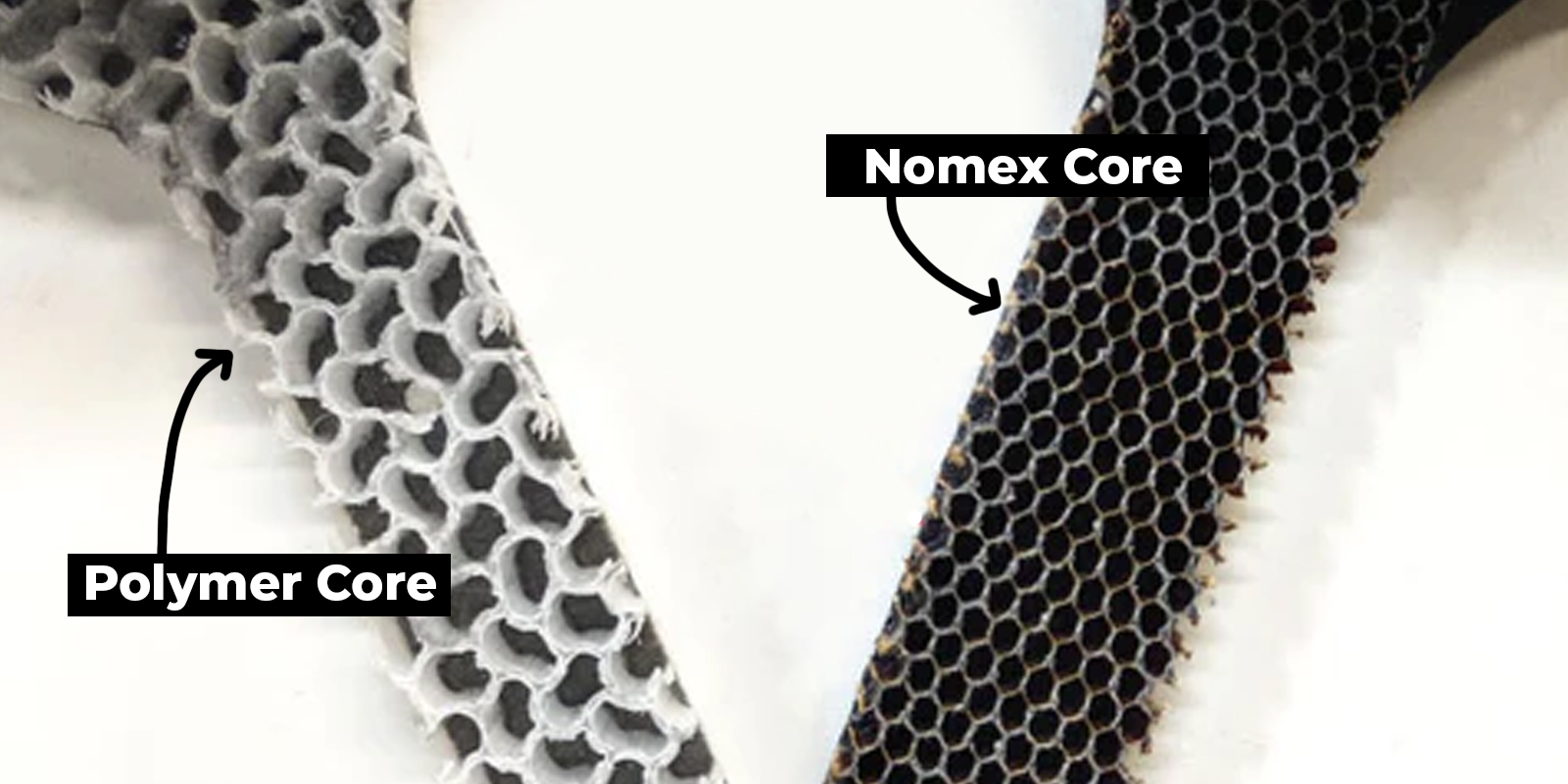
  • Polymer cores offer excellent control and soft touch—ideal for players who prioritize precise dinking and third-shot drops. They typically provide a larger sweet spot and reduce vibration.
  • Nomex cores generate more power and create a distinctive “pop” sound. These cores are stiffer and transfer more energy to the ball, making them suitable for players who need help generating power.
  • Aluminum cores provide a middle ground between polymer and Nomex—offering reasonable power while maintaining decent control.
polymer core vs nomex core in pickleball paddle

polymer core vs nomex core in pickleball paddle

Player insight: “I switched from a Nomex core to polymer when my game evolved from baseline power to more strategic net play. The difference in my soft game was immediate.” – Michael T., 4.0 Player

Face Materials: Finding Your Perfect Surface

The face material affects spin potential, durability, and feel:

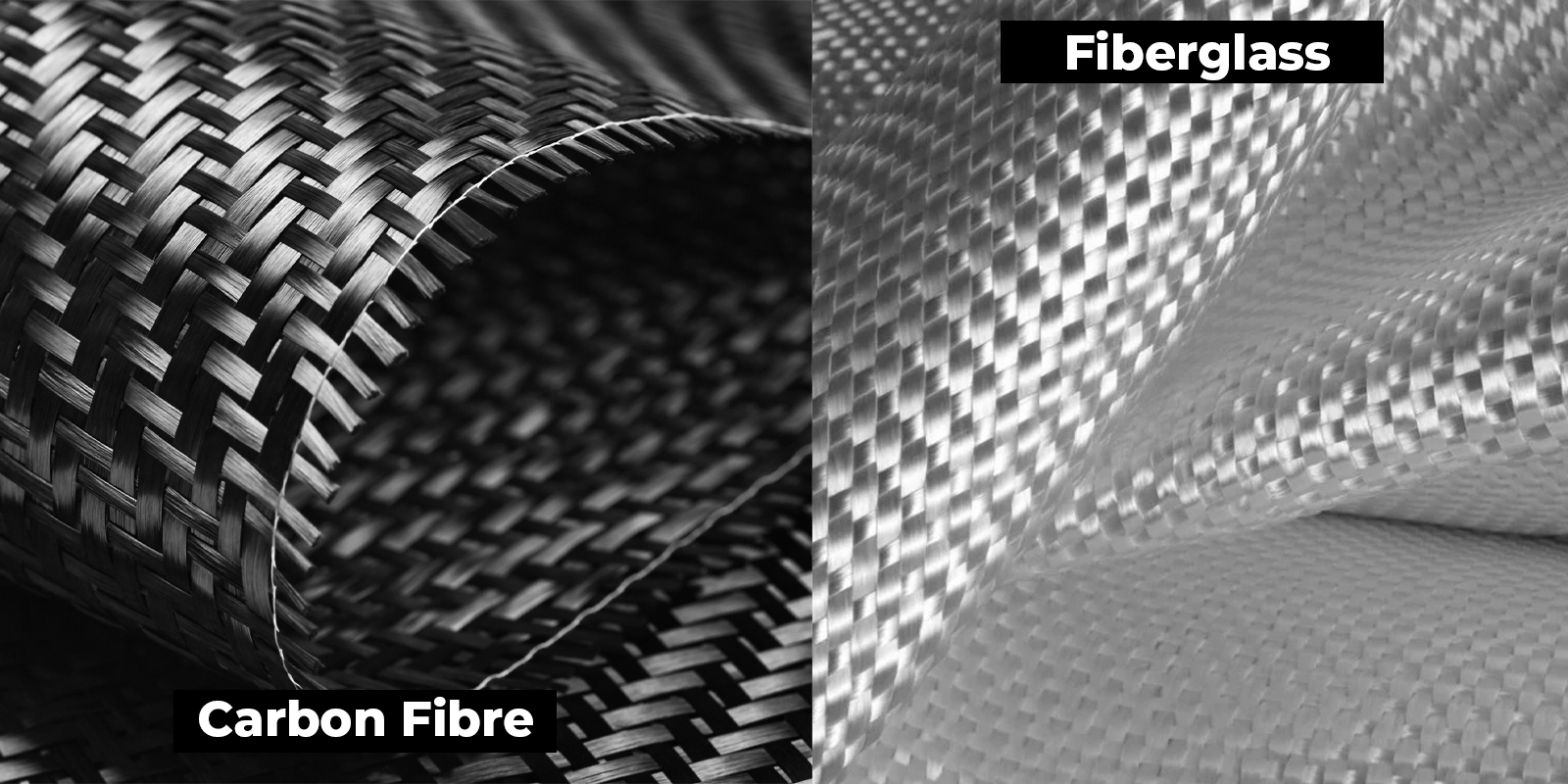
  • Carbon fiber faces provide excellent durability and spin potential. They’re typically textured and allow advanced players to generate significant ball rotation on serves and drives.
  • Fiberglass faces offer a softer feel with good power. They’re slightly less textured than carbon fiber but provide excellent all-around performance for most recreational players.
  • Composite faces blend various materials to achieve specific performance characteristics.
carbon fibre vs fiberglass in pickleball paddle

carbon fibre vs fiberglass in pickleball paddle

Pro tip: Most intermediate players benefit from a carbon fiber face with a polymer core—this

combination provides the control needed to develop proper technique while offering enough spin

potential to execute advanced shots.

Paddle Shapes and Weights: Finding Your Perfect Match

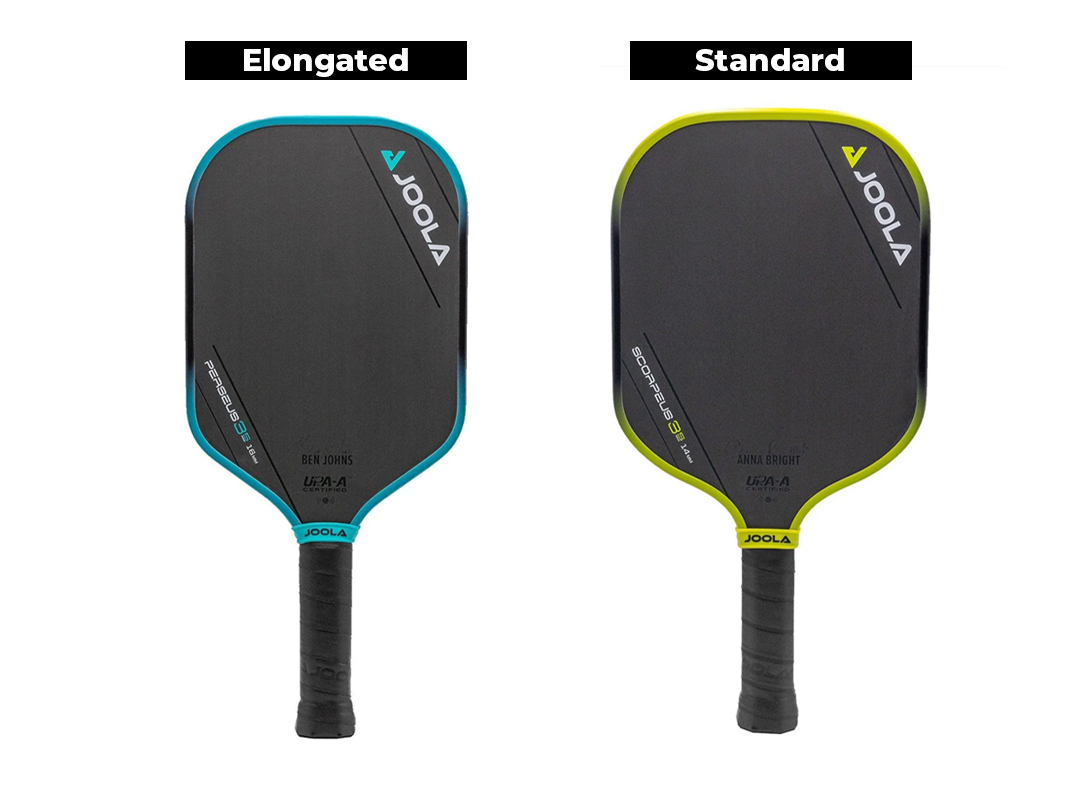
Standard vs. Elongated vs. Oversized

Paddle shapes significantly impact your play style:

  • Standard/Traditional (typically 7.5-8″ wide by 15.5-16″ long): Provides balanced power and control with the largest sweet spot. Ideal for all-around players.
  • Elongated (typically 7-7.5″ wide by 16.5-17″ long): Offers extended reach and more leverage for power. Better for hard-hitting baseline players or those who struggle to generate power.
  • Oversized (typically 8-8.5″ wide by 15.5-16″ long): Maximizes sweet spot size at the expense of maneuverability. Great for beginners or players transitioning from tennis.
elongated vs standard shaped pickleball paddle

elongated vs standard shaped pickleball paddle

Weight Considerations: Finding Your Balance

Paddle weight isn’t just about preference—it’s about play style, physical capabilities, and skill development:

  • Lightweight paddles (7.3-7.8 oz): Offer superior maneuverability and reduce strain on the arm. Ideal for players with previous injuries or those prioritizing quick reactions at the kitchen line.
  • Midweight paddles (7.9-8.3 oz): Provide the best balance between power and control for most players. This is the recommended starting point if you’re unsure.
  • Heavyweight paddles (8.4+ oz): Generate more power with less effort but sacrifice some maneuverability. Better for players with tennis backgrounds or those playing primarily doubles with an emphasis on power.

Expert recommendation: “Don’t go too light too early. Many beginners choose ultra-lightweight paddles thinking they’re easier to handle, but slightly heavier paddles provide feedback that helps develop proper technique.” – Coach Wilson, Certified Pickleball Instructor

Grip Size and Handle Length: The Overlooked Performance Factors

Your grip significantly impacts wrist action, control, and comfort:

Finding Your Ideal Grip Size

Most pickleball paddles come in grip circumferences between 4″ and 4.5″:

  • Smaller grips (4-4.25″) allow for more wrist action and spin but may cause strain for players with larger hands.
  • Larger grips (4.25-4.5″) provide stability and reduce strain but limit wrist movement.

Quick measurement method: Hold the paddle with your playing hand. If you can fit your index finger from your non-playing hand comfortably between your fingertips and palm, the grip size is appropriate.

Standard vs. Long Handle Considerations

  • Standard handles (4.5-5″) provide balanced weight distribution and are ideal for most players.
  • Long handles (5-5.5″) accommodate two-handed backhands and benefit players transitioning from tennis.

Critical insight: “I suffered from tennis elbow for months until I realized my grip was too small. Switching to a 4.5″ grip with an overgrip eliminated my pain within weeks.” – Sarah L., Tournament Player

Footwear: The Foundation of Your Game

Pickleball-specific shoes aren’t just a marketing ploy—they’re engineered for the unique movements of the sport:

Court Surface Considerations

  • Indoor courts require shoes with non-marking gum rubber soles that provide excellent grip without leaving scuff marks.
  • Outdoor courts demand more durable outsoles (often made from modified herringbone patterns) that can withstand abrasion from concrete and asphalt.

Critical Shoe Features for Pickleball

The best pickleball shoes offer:

  • Lateral stability to support side-to-side movements
  • Cushioning under the ball of the foot for quick starts and stops
  • Low-to-medium ankle height balancing support with mobility
  • Reinforced toe caps for durability during lunges

Field-tested advice: “I went through three pairs of running shoes in six months playing pickleball four times weekly. Investing in proper court shoes was actually more economical in the long run, plus my knees thanked me.” – Roberto M., 65-year-old player

Performance Apparel: Beyond Fashion

While style matters, function should drive your pickleball apparel choices:

Moisture Management

Look for fabrics labeled with terms like:

  • Moisture-wicking
  • Quick-dry
  • Hydrophobic

These technologies move sweat away from your body and onto the fabric surface, where it can evaporate quickly—keeping you cooler and preventing chafing.

Motion-Optimized Design

Pickleball-specific apparel features:

  • Strategic seam placement to prevent irritation
  • Four-way stretch fabrics for unrestricted movement
  • Slightly shorter sleeves for unrestricted arm movement
  • Deeper pockets specifically designed to secure pickleball balls between points

Player perspective: “The difference between general athletic wear and pickleball-specific apparel becomes obvious after a few hours of tournament play. Details like non-ride-up shorts and strategically placed ventilation make a real difference.” – Alyssa K., Tournament Player

Accessory Essentials: Small Items, Big Impact

Overgrips: Customization and Protection

  • Tacky overgrips provide maximum traction in dry conditions
  • Absorbent overgrips excel in humid environments
  • Perforated overgrips offer the best moisture management during intense play

Replace overgrips regularly—typically every 6-10 playing sessions for active players.

Gloves: The Controversial Performance Enhancer

Pickleball gloves are gaining popularity for:

  • Reducing blisters during marathon play sessions
  • Maintaining grip in extreme weather conditions
  • Supporting proper hand positioning for players with arthritis or similar conditions

Insider tip: “Apply a new overgrip before big tournaments, but not the day of—give yourself at least one practice session to adapt to the feel.” – Tournament Director, Western Regional Championships

Making Smart Equipment Investments

The Evolution Path

Rather than buying new equipment randomly, consider this strategic progression as your skills improve:

  • Beginning Stage: Focus on a mid-weight, standard-shaped paddle with a polymer core and fiberglass face. Invest in proper court shoes immediately.
  • Intermediate Transition: Upgrade to a carbon fiber-faced paddle that matches your emerging play style (power vs. control). Add performance apparel and quality overgrips to your arsenal.
  • Advanced Customization: Fine-tune your equipment with precisely matched grip sizes, weight, balance, and specialized shoes for different court surfaces.

Avoiding Common Purchase Mistakes

  • Buying based solely on price: Both extremely cheap and overly expensive paddles can hinder development.
  • Following pro player endorsements blindly: Your game and physical capabilities likely differ from professional players.
  • Ignoring your playing environment: Indoor and outdoor play may require different equipment characteristics.
  • Overlooking the importance of proper fit: Especially with shoes and grip sizes.

Conclusion: Equipment as a Performance Partner

Your pickleball equipment should evolve with your game. The perfect paddle, shoes, and accessories act as extensions of your body—enhancing strengths and mitigating weaknesses. With this knowledge, you can make confident equipment decisions that will support your pickleball journey for years to come.

Remember: The best equipment isn’t necessarily the most expensive or the latest release—it’s the gear that best compliments your unique playing style, physical attributes, and skill level.

Need personalized equipment recommendations? Our expert staff includes certified pickleball instructors who can help match you with the perfect gear for your game. Contact us through the website or visit our detailed paddle comparison tool to find your ideal match.

HEAD Radical Nite vs HEAD Boom Pickleball Paddle_ A Comprehensive Comparison1

HEAD Radical Nite vs HEAD Boom Pickleball Paddle: A Comprehensive Comparison

In the fast-paced world of pickleball, choosing the right paddle is essential to elevating your game. Whether you’re a seasoned player or just starting out, the pickleball paddle you select can have a significant impact on your performance.

Recently, HEAD, a trusted name in sports equipment, launched the HEAD Boom series for pickleball paddles, continuing its legacy of high-performance gear with a look and feel derived from their highly successful tennis racquet series.

For those who are already familiar with HEAD’s Radical, Extreme, and Gravity series in pickleball, the addition of the HEAD Boom series comes as an exciting new offering, retaining the same sleek cosmetic design and color scheme that has made HEAD racquets so popular among tennis players. The use of similar branding creates a seamless connection between their tennis and pickleball product lines, ensuring consistent brand identity across both sports.

Today, we’re diving into a comparison between two of HEAD’s most talked-about paddles: the HEAD Radical Nite and the HEAD Boom. These pickleball paddles are built differently, with unique features designed to suit various play styles and preferences.

In this article, we will provide you with all the essential details to help you make an informed decision about which pickleball paddle is right for you, the HEAD Radical Nite Pickleball Paddle or the HEAD Boom Pickleball Paddle.

Basic Specifications: HEAD Radical Nite vs HEAD Boom

Before we get into the key differences, let’s first take a look at the basic specifications of both paddles. 

1. Size and Shape:

Both the HEAD Radical Nite and HEAD Boom are elongated paddles. The length of both paddles is the same, coming in at 16.5 inches, with a 5.5-inch handle length. This elongated shape offers a larger sweet spot, which is beneficial for generating power and for players who prefer more reach in their shots.

2. Width:

Both paddles have a width of 7.5 inches, providing a balance between control and power. The width is standard for pro paddles and allows players to maintain stability while still being able to deliver strong shots.

3. Core Material:

The HEAD Radical Nite and HEAD Boom pickleball paddles are both constructed with Pure Raw Carbon combined with a Polymer Honeycomb Core. This combination provides an optimal balance of durability, power, and control, enhancing the responsiveness of the paddle and improving shot accuracy.

4. Weight:

Weight plays an important role in the way a pickleball paddle feels during gameplay. The HEAD Radical Nite weighs in at 232g, while the HEAD Boom is slightly heavier at 245g. This weight difference affects how each paddle swings and feels during play, so it’s worth considering how this will impact your game.

Key Differences Between the HEAD Radical Nite and HEAD Boom

Now that we’ve covered the basic specs, let’s delve into the key differences between the two paddles. 

1. Core Thickness:

One of the most significant differences between the HEAD Radical Nite and the HEAD Boom is the thickness of the core.

  • HEAD Boom: The core of the Boom pickleball paddle is 11mm thick, which gives it a faster swing and a lighter feel. The thinner core allows for greater ball speed and powerful shots, making it ideal for players who like to hit aggressive serves and fast drives. The lighter core helps increase the overall swing speed, which is especially beneficial for singles players looking for fast, explosive shots.
  • HEAD Radical Nite: The Nite pickleball paddle features a thicker 15mm core, which gives it a more controlled feel and a slightly heavier weight. The increased thickness helps absorb more impact, providing a soft, forgiving response. This added thickness is perfect for players who rely on control rather than raw power and prefer a more precise, accurate shot. Players who enjoy playing near the kitchen and prefer dinking will benefit from the additional control the thicker core offers.

2. Playability and Performance:

While both pickleball paddles share some similar technologies, their design and construction lead to different play styles and performance characteristics. Let’s break down the differences:

  • HEAD Boom: The HEAD Boom is all about speed and power. Thanks to its thin 11mm core, the paddle allows for a faster swing and better acceleration. Players who favor explosive power, such as those who hit strong drives and serves, will find this paddle incredibly responsive. The Boom is ideal for players who enjoy playing singles and want a paddle that can generate high-speed drives and quick reactions. The quick swing action also makes it easier to create spin, adding an extra layer of variety to your shots.

    The HEAD Boom pickleball paddle feels incredibly responsive when making powerful shots, and the sound it produces upon striking the ball is satisfying—a feature many players enjoy. With its fast swing speed, it can also provide more aggressive gameplay and help you dominate your opponent from the baseline.
  • HEAD Radical Nite: In contrast, the HEAD Radical Nite Pickleball Paddle is designed for control. Its thicker 15mm core provides a more stable feel, making it easier to maintain accuracy on every shot. The added thickness of the core also absorbs more of the ball’s impact, resulting in a softer feel and greater forgiveness. The Radical Nite paddle excels in dinking, especially when playing near the kitchen line. This is the paddle you want if you enjoy precision shots and want to improve your touch and finesse in the game. The stability and control offered by this paddle make it a great choice for doubles play, where you need a more precise, controlled response.

3. Technology Features:

Both pickleball paddles come equipped with some advanced technologies, each contributing to their overall performance.

  • SpinFusion Spray-on Grit: Both paddles feature SpinFusion, a spray-on grit applied to the paddle surface. This technology enhances spin potential, allowing players to add more rotation to their shots, particularly on serves and returns.
  • Injected Foam Walls: Both paddles also feature Injected Foam Walls, which help increase stability and improve the sweet spot of the paddle. This technology contributes to the durability of both paddles, ensuring long-lasting performance, especially during intense play.
  • Handle Stabilizer Technology: Both the Boom and Radical Nite incorporate HEAD’s Handle Stabilizer Technology, which provides a more balanced feel and improves the overall stability of the paddle during play. This technology reduces vibrations, offering a more comfortable grip and a better overall experience on every shot.

Which Pickleball Paddle Should You Choose?

Choosing between the HEAD Radical Nite Pickleball Paddle and the HEAD Boom Pickleball Paddle depends largely on your playing style and preferences.

  • Choose the HEAD Radical Nite if you prefer a more controlled game with an emphasis on accuracy, especially if you like dinking and playing near the kitchen. The thicker core offers greater forgiveness and precision, making it ideal for doubles and precision players.
  • Choose the HEAD Boom if you prefer a fast-paced, power-driven game. The thinner core provides quicker swing speeds and more power for players who enjoy drives and explosive serves. The Boom is also a fantastic choice for singles players who want a paddle that can generate speed and power while maintaining a responsive feel.

Pro Tip: Enhance Your HEAD Boom Pickleball Paddle 

For those using the HEAD Boom Pickleball Paddle, a simple hack can make a significant difference. Add weight strips around the perimeter of the paddle to increase its power and stability. This simple modification can make the paddle feel more solid and allow you to generate even more speed and control on your shots. It’s a game-changing adjustment that many top players swear by!

Price and Where to Buy

When it comes to price, both paddles offer excellent value for the performance they deliver.

  • HEAD Radical Nite Pickleball Paddle: MRP Rs. 24,999, available for Rs. 17,492 at God of Sports.
  • HEAD Boom Pickleball Paddle: MRP Rs. 23,999, available for Rs. 16,792 at God of Sports.

For a wide selection of pickleball gear, visit www.thegodofsports.com. They offer a variety of paddles, balls, and shoes from top brands like HEAD, Joola, Franklin, and more. Plus, use the coupon code GOSYT to get an additional discount on your next purchase.

Conclusion

Choosing the right paddle can make all the difference in your game. Whether you opt for the HEAD Radical Nite Pickleball Paddle for its control and precision or the HEAD Boom Pickleball Paddle for its power and speed, both paddles are designed to elevate your performance. With advanced technology, high-quality materials, and unique designs, these paddles cater to different play styles and offer something for every level of player. So, whether you’re hitting drives, serves, or dinking near the kitchen, HEAD’s paddles have you covered.

Visit God of Sports today and take your pickleball game to the next level!

Home
Shop
Wishlist0
Back to Top

Search For Products

Product has been added to your cart
Compare (0)