It’s the sport loved by millions across the globe, from casual enthusiasts to professional athletes—badminton. But a crisis has slowly unfolded behind the scenes, one that has taken many by surprise: the shortage of shuttlecocks. This shortage isn’t just a small inconvenience; it’s impacting players and manufacturers in ways many couldn’t have anticipated.
As a person who is actively in the market and trying to understand the economics of it, I started doing my research and the answer was so funny that I thought its fake but then i researched more only to find that it was true. As we know China is the World’s Largest Manufacturer for Badminton Shuttlecocks. But there is something which has led to sudden shortage of supply of Duck and Goose Feathers which means the prices have also increased rapidly.
A Disruption That Started in China
In China, the world’s largest manufacturer of badminton shuttlecocks, the ripple effect began. Shuttlecock suppliers started warning customers of rising prices and reduced stock. At first, it was seen as a temporary issue, perhaps a minor glitch in the supply chain. However, as the weeks went by, the problem became increasingly apparent. Badminton clubs, players, and training centers began to feel the impact.
The cause? A shortage of duck and goose feathers, which are traditionally used to make high-quality shuttlecocks. But how did something as simple as feathers lead to a global shortage?
The Shift to Pig Farming
It all starts in the poultry industry. For years, farmers relied on ducks and geese to supply feathers for shuttlecocks. But the landscape began to shift when farmers realized that pigs offered a much more lucrative option. Driven by rising pork demand, especially in China, pigs became the more profitable choice. Unlike ducks and geese, which take longer to grow and require more space, pigs provide a quicker return and higher margins.
This shift led to fewer ducks and geese being raised, resulting in fewer feathers available for shuttlecock production. And as badminton continued to rise in popularity, especially in countries like China and India, the supply of feathers became insufficient to meet the demand.
The Impact on Shuttlecock Prices
As feathers became harder to find, manufacturers had no choice but to raise prices. The cost of a tube of shuttlecocks increased by over 40% in some regions. For recreational players, this was a huge blow. Clubs and schools that depended on affordable shuttlecocks for training were left scrambling, trying to make their supplies last longer or turning to more affordable alternatives.
But it wasn’t just the prices that were affected. With fewer shuttlecocks available, players found themselves waiting weeks for new shipments. Some even found that the shuttlecocks they had relied on for years were simply unavailable.
Turning to Synthetic Alternatives
As the prices of feathered shuttlecocks soared, players and clubs started looking for solutions. Many turned to synthetic shuttlecocks, made from materials like nylon. These shuttlecocks were more affordable and durable, but they didn’t offer the same performance as feathered shuttlecocks. The flight path and feel were noticeably different, making them less ideal for competitive play. But for training purposes, they were a necessary compromise.
What’s Next for Badminton?
The shortage of badminton shuttlecocks isn’t just an isolated issue. It’s a reflection of how interconnected the global supply chain is, where changes in one industry—such as the shift from duck farming to pig farming—can have a ripple effect across an entire sport. Manufacturers are now exploring new ways to source feathers sustainably, and some are even looking into alternative materials to create better shuttlecocks.
For now, badminton enthusiasts around the world have to adapt. Some are finding ways to stretch their shuttlecock supplies, while others are embracing synthetic options for training. Despite the challenges, badminton’s popularity continues to grow, and the sport remains one of the most exciting and accessible activities worldwide.
Conclusion: A Lesson in Global Impact
This shortage serves as a reminder of the global impact that seemingly small shifts in industry can have. The badminton community is facing a period of adaptation, but it also provides an opportunity for innovation and creativity within the sport. Whether it’s through new materials or changes in how we approach the sport’s equipment, one thing is certain: badminton will continue to evolve, even in the face of unexpected challenges.
When selecting a pickleball paddle, one of the key factors that can make a big difference in your game is the core thickness. While it may seem like a minor detail, the thickness of your paddle’s core directly affects power, control, and maneuverability, all of which are critical components of your play style. In this article, we’ll explore how paddle thickness impacts your gameplay and guide you through choosing the right thickness for your needs.
What is Core Thickness in Pickleball Paddles?
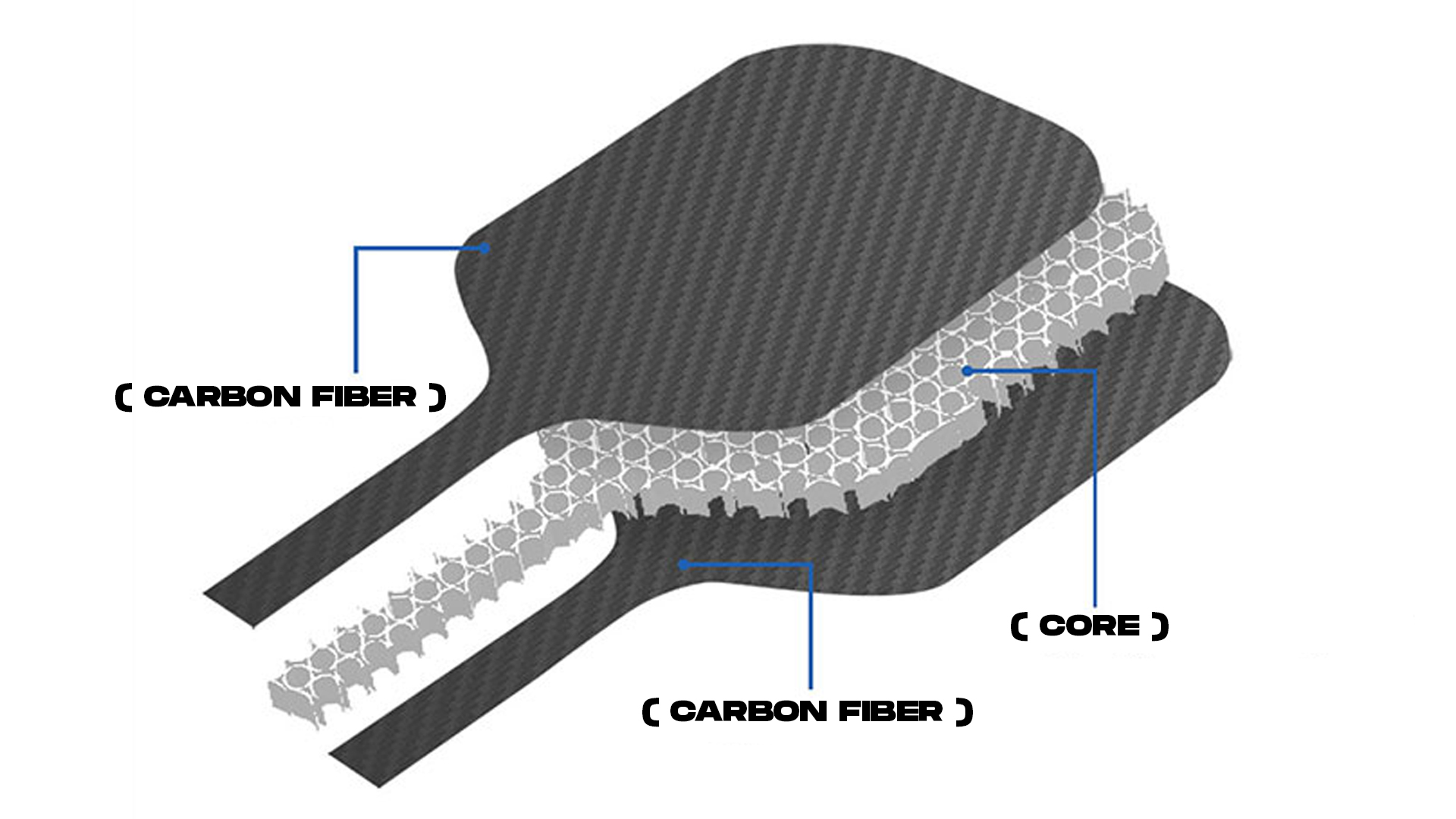
Core thickness refers to the foam or composite material inside the paddle. The thickness of this core can range from 10mm to 20mm, and it plays a significant role in how the paddle feels during play.
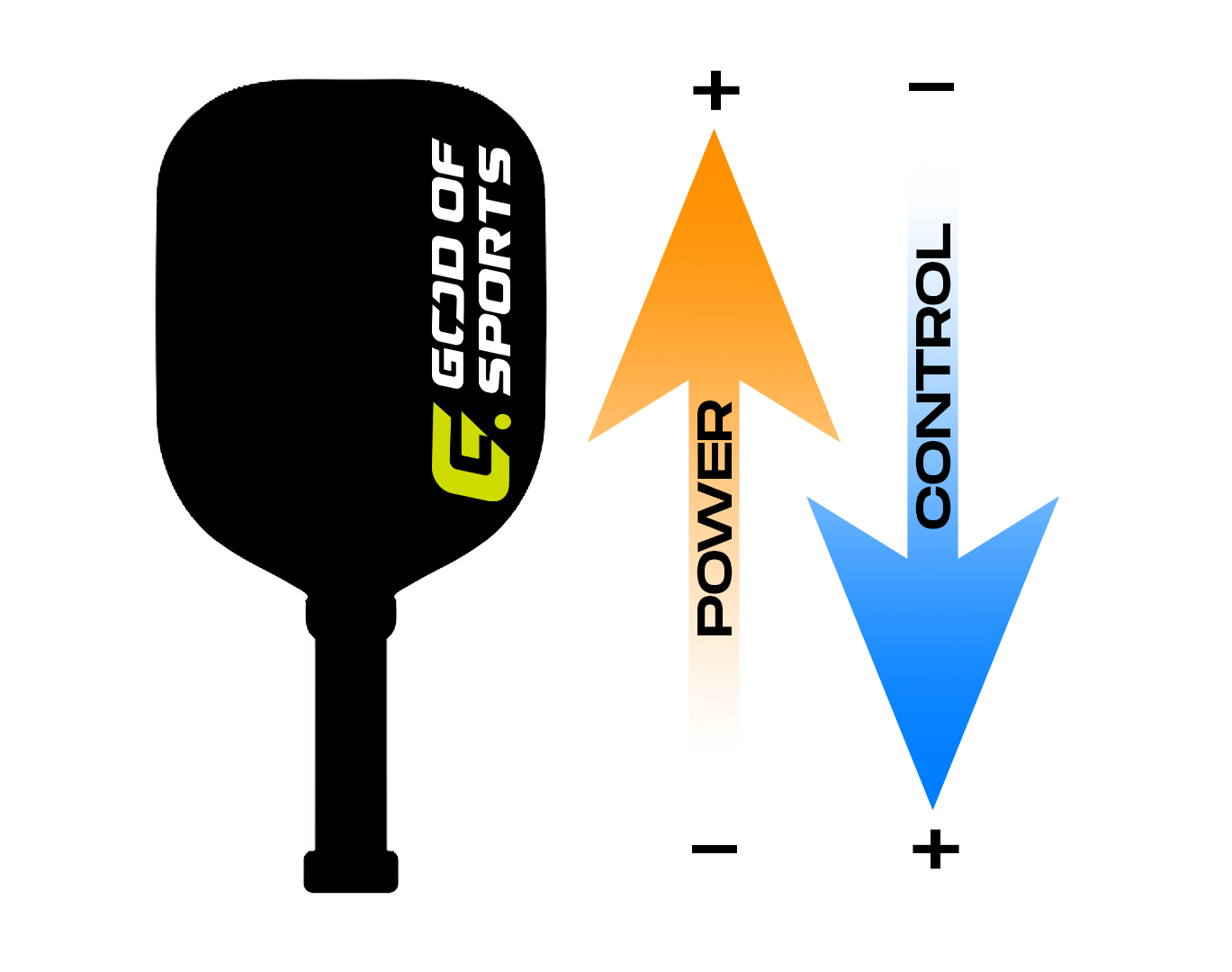
The core is essentially the heart of the paddle. A thicker core generally means more control, while a thinner core gives more power and maneuverability.
core of the pickleball paddle
How Does Core Thickness Affect Your Game?
Understanding how the core thickness of a paddle affects different aspects of your game will help you select the right one based on your play style.
1. Thinner Paddle Cores: Power and Speed
A thinner core, typically around 10mm to 13mm, makes the paddle feel light and agile. This increased agility, also referred to as swing weight, means you can easily maneuver the paddle for fast serves, powerful drives, and aggressive shots down the line.
Pros:
Increased Power: The thinner core enhances your ability to generate power, especially for power shots and drives.
Faster Action: Ideal for players who prefer fast-paced play and singles matches.
Lightweight: Less weight means less strain on your wrist and arms, allowing for more extended play without fatigue.
Cons:
Less Control: With increased power, the ball may pop out more easily, making it harder to control.
Not Suitable for Dinks: Thinner paddles lack the precision needed for dinking and soft touches near the kitchen.
Best For: Players who love to play singles or aggressive doubles with a focus on powerful drives and fast-paced gameplay.
On the flip side, thicker paddles (around 15mm to 20mm) offer more control and precision. They provide a larger sweet spot and better ball feel, making them ideal for dinking and control-focused shots near the kitchen.
Pros:
Better Control: You get more stability and control over the ball, which helps with soft touches and dinks.
Larger Sweet Spot: The paddle will feel more forgiving on mishits, offering better consistency during rallies.
Ideal for Doubles: Thicker paddles are often preferred by doubles players who need better ball placement and a more controlled response.
Cons:
Less Power: While you gain control, you may sacrifice the sheer power you get from a thinner paddle.
Slower Swing Speed: The heavier feel may slow your swing speed, reducing reaction time.
Best For: Players who prioritize control, play near the kitchen, and participate mostly in doubles games.
The choice between a thinner and thicker paddle core comes down to your style of play. If you’re looking for power and maneuverability, go for a thinner core paddle. If you prefer control and precision for softer touches and more strategic play, opt for a thicker core paddle.
Thinner Paddle Cores (10mm – 13mm):
Best for: Singles players, fast action, aggressive serves, and drive-based gameplay.
Thicker Paddle Cores (15mm – 20mm):
Best for: Doubles players, players who focus on control, and those who play near the kitchen.
Choosing the Right Paddle Based on Core Thickness
Here’s a quick comparison table to help you make your decision:
Core Thickness
Play Style
Power
Control
Swing Speed
Best For
10mm – 13mm
Fast-paced, Aggressive
High
Low
Fast
Singles, Fast Serve, Drive
15mm – 20mm
Control-focused, Soft
Low
High
Slower
Doubles, Dinks, Precision
power vs control in pickleball paddle
Conclusion: Which Paddle Is Right for You?
Ultimately, the choice of paddle thickness should align with your personal play style. If you’re focused on power, a thinner core is ideal. However, if you prefer control and are comfortable with less power, a thicker core will enhance your performance.
The Ultimate Pickleball Equipment Guide: What Serious Players Need to Know Before Their Next Purchase
In the rapidly evolving world of pickleball, equipment choices can make or break your game. Whether you’re a 3.5 player looking to break into the 4.0 ranks (DUPR Rankings) or you’ve just caught the pickleball bug and want to graduate from borrowed gear, this comprehensive guide will help you navigate the confusing world of pickleball equipment with confidence. With top brands like Joola Pickleball, HEAD Pickleball, Franklin, Selkirk and much more dominating a large chunk of the market, new brands are emerging as well on a regular basis.
Understanding Paddle Technology: Beyond the Marketing Hype
The pickleball market has exploded with options, each claiming to be revolutionary. Let’s cut through the noise and focus on what actually matters for your game.
Core Materials: The Heart of Your Paddle
The core of your pickleball paddle determines much of its performance characteristics:
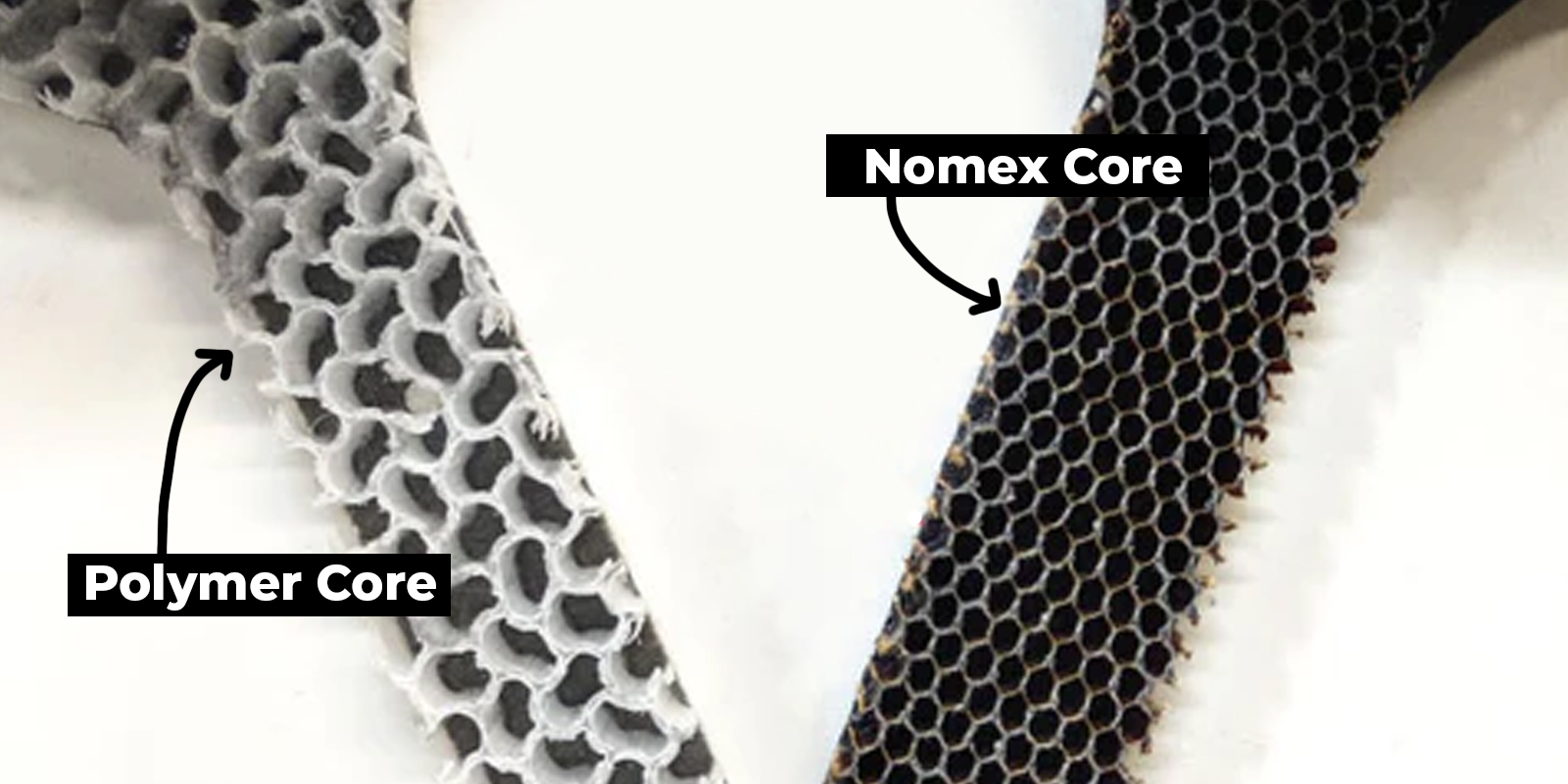
Polymer cores offer excellent control and soft touch—ideal for players who prioritize precise dinking and third-shot drops. They typically provide a larger sweet spot and reduce vibration.
Nomex cores generate more power and create a distinctive “pop” sound. These cores are stiffer and transfer more energy to the ball, making them suitable for players who need help generating power.
Aluminum cores provide a middle ground between polymer and Nomex—offering reasonable power while maintaining decent control.
polymer core vs nomex core in pickleball paddle
Player insight: “I switched from a Nomex core to polymer when my game evolved from baseline power to more strategic net play. The difference in my soft game was immediate.” – Michael T., 4.0 Player
Face Materials: Finding Your Perfect Surface
The face material affects spin potential, durability, and feel:
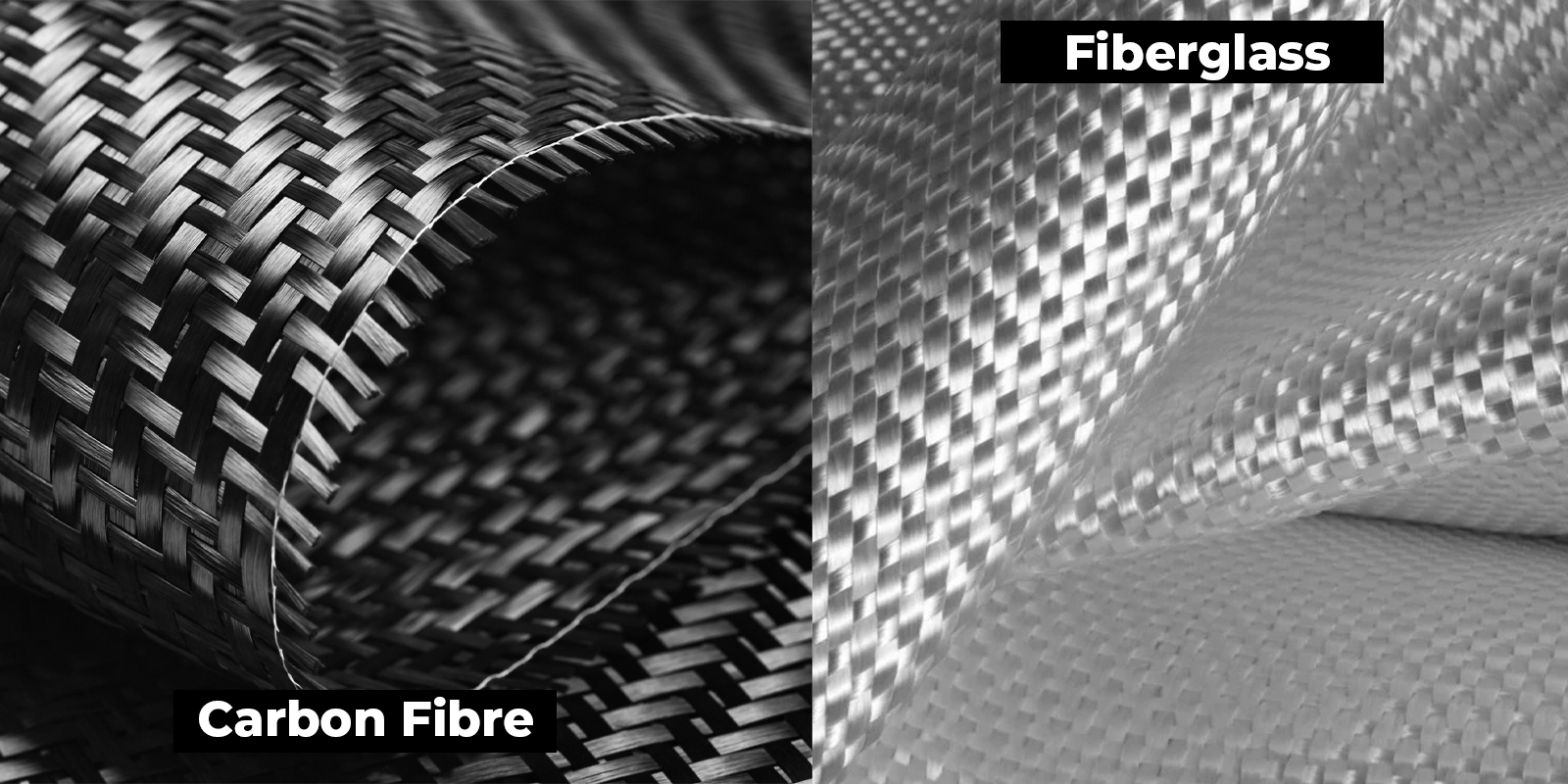
Carbon fiber faces provide excellent durability and spin potential. They’re typically textured and allow advanced players to generate significant ball rotation on serves and drives.
Fiberglass faces offer a softer feel with good power. They’re slightly less textured than carbon fiber but provide excellent all-around performance for most recreational players.
Composite faces blend various materials to achieve specific performance characteristics.
carbon fibre vs fiberglass in pickleball paddle
Pro tip: Most intermediate players benefit from a carbon fiber face with a polymer core—this
combination provides the control needed to develop proper technique while offering enough spin
potential to execute advanced shots.
Paddle Shapes and Weights: Finding Your Perfect Match
Standard vs. Elongated vs. Oversized
Paddle shapes significantly impact your play style:
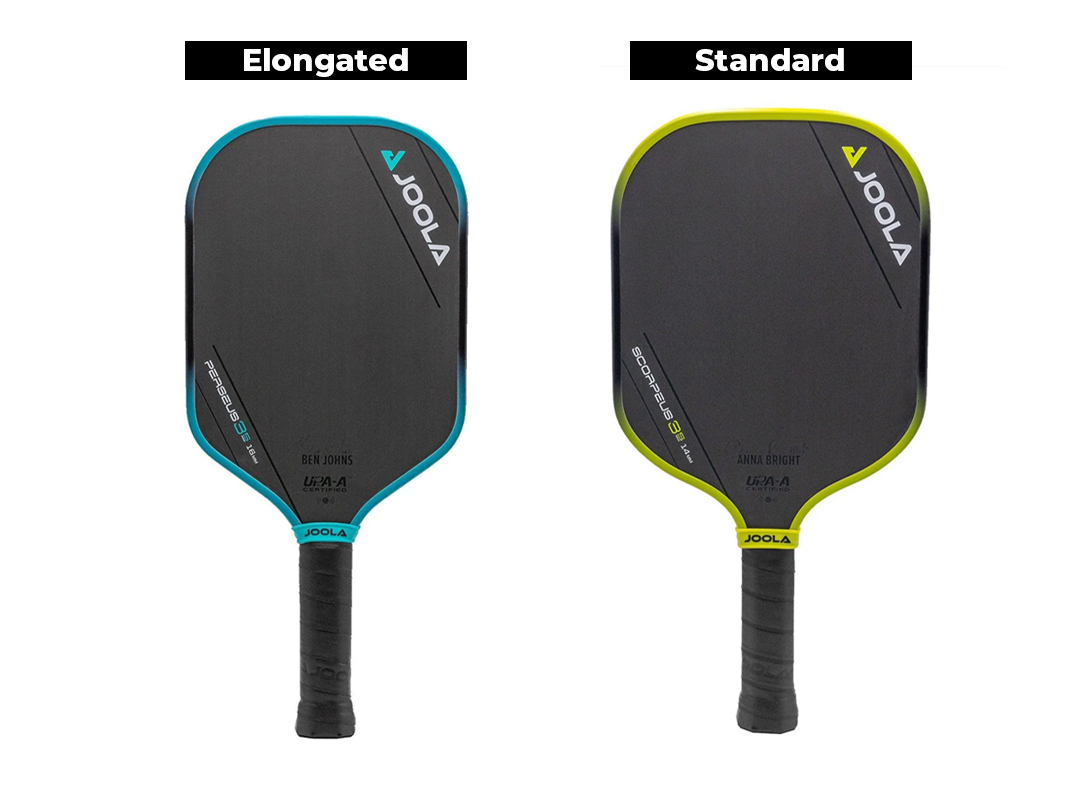
Standard/Traditional (typically 7.5-8″ wide by 15.5-16″ long): Provides balanced power and control with the largest sweet spot. Ideal for all-around players.
Elongated (typically 7-7.5″ wide by 16.5-17″ long): Offers extended reach and more leverage for power. Better for hard-hitting baseline players or those who struggle to generate power.
Oversized (typically 8-8.5″ wide by 15.5-16″ long): Maximizes sweet spot size at the expense of maneuverability. Great for beginners or players transitioning from tennis.
elongated vs standard shaped pickleball paddle
Weight Considerations: Finding Your Balance
Paddle weight isn’t just about preference—it’s about play style, physical capabilities, and skill development:
Lightweight paddles (7.3-7.8 oz): Offer superior maneuverability and reduce strain on the arm. Ideal for players with previous injuries or those prioritizing quick reactions at the kitchen line.
Midweight paddles (7.9-8.3 oz): Provide the best balance between power and control for most players. This is the recommended starting point if you’re unsure.
Heavyweight paddles (8.4+ oz): Generate more power with less effort but sacrifice some maneuverability. Better for players with tennis backgrounds or those playing primarily doubles with an emphasis on power.
Expert recommendation: “Don’t go too light too early. Many beginners choose ultra-lightweight paddles thinking they’re easier to handle, but slightly heavier paddles provide feedback that helps develop proper technique.” – Coach Wilson, Certified Pickleball Instructor
Grip Size and Handle Length: The Overlooked Performance Factors
Your grip significantly impacts wrist action, control, and comfort:
Finding Your Ideal Grip Size
Most pickleball paddles come in grip circumferences between 4″ and 4.5″:
Smaller grips (4-4.25″) allow for more wrist action and spin but may cause strain for players with larger hands.
Larger grips (4.25-4.5″) provide stability and reduce strain but limit wrist movement.
Quick measurement method: Hold the paddle with your playing hand. If you can fit your index finger from your non-playing hand comfortably between your fingertips and palm, the grip size is appropriate.
Standard vs. Long Handle Considerations
Standard handles (4.5-5″) provide balanced weight distribution and are ideal for most players.
Long handles (5-5.5″) accommodate two-handed backhands and benefit players transitioning from tennis.
Critical insight: “I suffered from tennis elbow for months until I realized my grip was too small. Switching to a 4.5″ grip with an overgrip eliminated my pain within weeks.” – Sarah L., Tournament Player
Footwear: The Foundation of Your Game
Pickleball-specific shoes aren’t just a marketing ploy—they’re engineered for the unique movements of the sport:
Court Surface Considerations
Indoor courts require shoes with non-marking gum rubber soles that provide excellent grip without leaving scuff marks.
Outdoor courts demand more durable outsoles (often made from modified herringbone patterns) that can withstand abrasion from concrete and asphalt.
Critical Shoe Features for Pickleball
The best pickleball shoes offer:
Lateral stability to support side-to-side movements
Cushioning under the ball of the foot for quick starts and stops
Low-to-medium ankle height balancing support with mobility
Reinforced toe caps for durability during lunges
Field-tested advice: “I went through three pairs of running shoes in six months playing pickleball four times weekly. Investing in proper court shoes was actually more economical in the long run, plus my knees thanked me.” – Roberto M., 65-year-old player
Performance Apparel: Beyond Fashion
While style matters, function should drive your pickleball apparel choices:
Moisture Management
Look for fabrics labeled with terms like:
Moisture-wicking
Quick-dry
Hydrophobic
These technologies move sweat away from your body and onto the fabric surface, where it can evaporate quickly—keeping you cooler and preventing chafing.
Motion-Optimized Design
Pickleball-specific apparel features:
Strategic seam placement to prevent irritation
Four-way stretch fabrics for unrestricted movement
Slightly shorter sleeves for unrestricted arm movement
Deeper pockets specifically designed to secure pickleball balls between points
Player perspective: “The difference between general athletic wear and pickleball-specific apparel becomes obvious after a few hours of tournament play. Details like non-ride-up shorts and strategically placed ventilation make a real difference.” – Alyssa K., Tournament Player
Accessory Essentials: Small Items, Big Impact
Overgrips: Customization and Protection
Tacky overgrips provide maximum traction in dry conditions
Absorbent overgrips excel in humid environments
Perforated overgrips offer the best moisture management during intense play
Replace overgrips regularly—typically every 6-10 playing sessions for active players.
Gloves: The Controversial Performance Enhancer
Pickleball gloves are gaining popularity for:
Reducing blisters during marathon play sessions
Maintaining grip in extreme weather conditions
Supporting proper hand positioning for players with arthritis or similar conditions
Insider tip: “Apply a new overgrip before big tournaments, but not the day of—give yourself at least one practice session to adapt to the feel.” – Tournament Director, Western Regional Championships
Making Smart Equipment Investments
The Evolution Path
Rather than buying new equipment randomly, consider this strategic progression as your skills improve:
Beginning Stage: Focus on a mid-weight, standard-shaped paddle with a polymer core and fiberglass face. Invest in proper court shoes immediately.
Intermediate Transition: Upgrade to a carbon fiber-faced paddle that matches your emerging play style (power vs. control). Add performance apparel and quality overgrips to your arsenal.
Advanced Customization: Fine-tune your equipment with precisely matched grip sizes, weight, balance, and specialized shoes for different court surfaces.
Avoiding Common Purchase Mistakes
Buying based solely on price: Both extremely cheap and overly expensive paddles can hinder development.
Following pro player endorsements blindly: Your game and physical capabilities likely differ from professional players.
Ignoring your playing environment: Indoor and outdoor play may require different equipment characteristics.
Overlooking the importance of proper fit: Especially with shoes and grip sizes.
Conclusion: Equipment as a Performance Partner
Your pickleball equipment should evolve with your game. The perfect paddle, shoes, and accessories act as extensions of your body—enhancing strengths and mitigating weaknesses. With this knowledge, you can make confident equipment decisions that will support your pickleball journey for years to come.
Remember: The best equipment isn’t necessarily the most expensive or the latest release—it’s the gear that best compliments your unique playing style, physical attributes, and skill level.
Need personalized equipment recommendations? Our expert staff includes certified pickleball instructors who can help match you with the perfect gear for your game. Contact us through the website or visit our detailed paddle comparison tool to find your ideal match.
With badminton’s lightning-fast rallies and explosive movements, injuries have long been considered an inevitable part of serious play. However, a revolutionary approach to injury prevention is sweeping through professional badminton—and it’s something every player can benefit from. This evidence-based methodology is changing how athletes train, recover, and perform at the highest levels.
The Alarming Injury Statistics
Recent studies from the Badminton World Federation (BWF) reveal that over 60% of competitive players experience at least one significant injury each season. The most common issues include:
Achilles tendon injuries (21%)
Shoulder impingement (18%)
Lower back strains (16%)
Knee ligament damage (14%)
What’s particularly concerning is that amateur players actually sustain more injuries per hour of play than professionals. This suggests that proper technique and prevention strategies—not just conditioning — play crucial roles in staying healthy on court.
The Functional Movement Revolution
The breakthrough approach gaining traction among elite players focuses on functional movement patterns rather than isolated strength exercises. Viktor Axelsen, the Danish world champion, has been outspoken about how this methodology extended his career: “I used to spend hours in the gym doing traditional strength work, but kept getting sidelined with the same injuries. Switching to functional movement training has completely transformed my durability.”
The approach emphasizes:
Movement Quality Assessment
Before prescribing exercises, players undergo comprehensive movement screening to identify imbalances and weaknesses specific to their bodies. These assessments evaluate:
Ankle mobility and stability
Hip rotation and control
Thoracic spine flexibility
Shoulder mechanics during overhead movements
Neuromuscular Training
Unlike conventional strength training, neuromuscular exercises focus on teaching the body to activate muscles in specific sequences that match badminton’s movement patterns:
Deceleration training for landing from jumps
Rotational control exercises mimicking smash mechanics
Single-leg stability work replicating lunge positions
Recovery Protocol Integration
Perhaps most revolutionary is how recovery has been elevated from an afterthought to an essential component of training:
Targeted mobility work within 30 minutes of intensive sessions
Contrast therapy (alternating hot and cold) for accelerated recovery
Sleep quality monitoring and optimization
Equipment’s Role in Injury Prevention
The equipment evolution has played a significant part in reducing injury rates:
String tension science: Research now shows optimal tension ranges based on playing style and physical characteristics
Shoe technology: Court-specific badminton shoes with appropriate cushioning-to-stability ratios
Racket weight distribution: Custom-weighted rackets to reduce stress on problem areas
Implementing These Strategies In Your Game
You don’t need a professional team to adopt these principles. Here’s how recreational players can apply these concepts:
Start with an honest assessment: Record your movement patterns during play or have a coach evaluate your technique
Focus on badminton-specific fitness: Prioritize exercises that directly translate to court movement
Invest in proper equipment: Particularly shoes designed specifically for badminton
Develop a pre-game routine: A proper warm-up reduces injury risk by up to 40%
Listen to your body: Early intervention for minor discomfort prevents major injuries
The Bottom Line
The science is clear: badminton injuries are not inevitable consequences of playing the sport. With the right approach to movement quality, training specificity, and equipment selection, players at all levels can significantly reduce their injury risk while improving performance. As Indonesian coach Mulyo Handoyo recently stated, “The best players ten years from now won’t just be the most talented—they’ll be the ones who stay healthiest through intelligent preparation.”
Whether you’re competing at tournaments or playing recreationally, implementing these evidence-based strategies will help you enjoy badminton for years to come—and likely improve your results along the