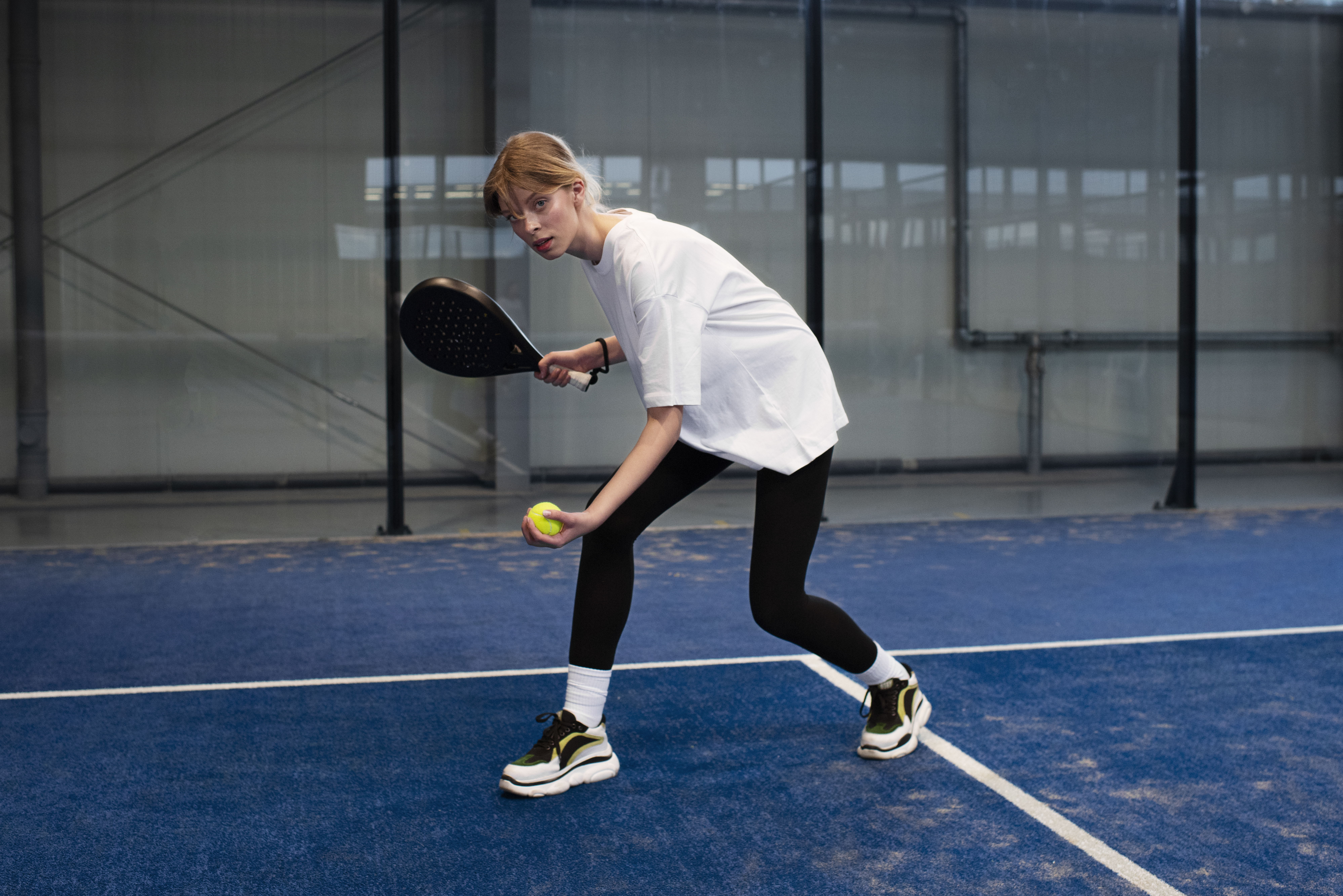
How To Use Walls in Padel

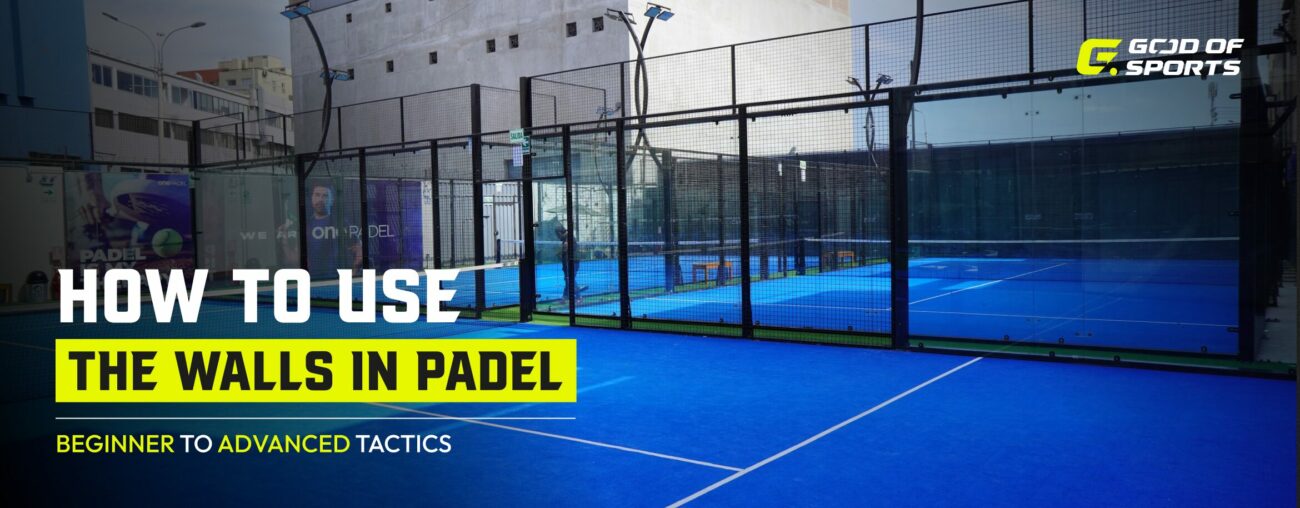
How to Use the Walls in Padel: Beginner to Advanced Tactics

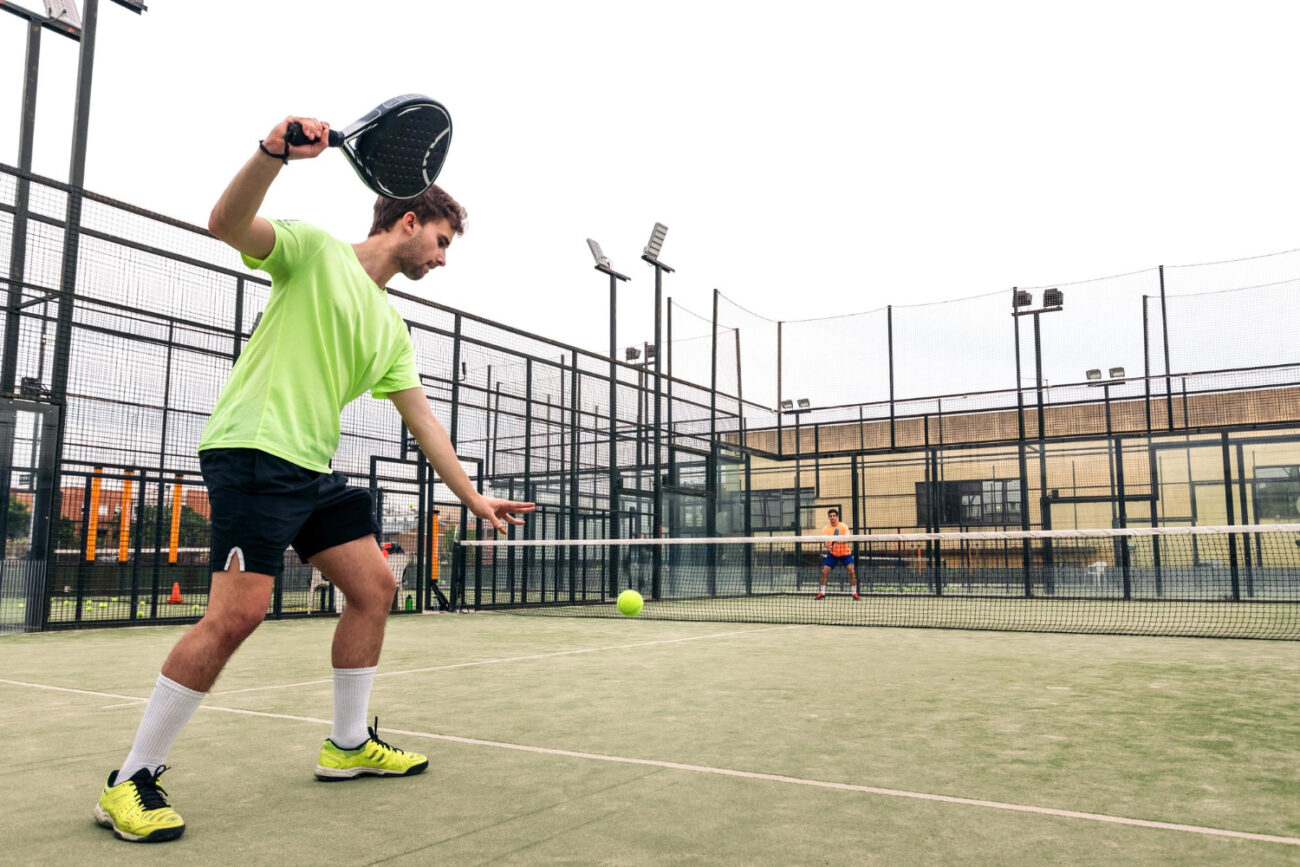
When most beginners step onto a padel court for the first time, the walls feel like enemies. A ball ricochets off the glass, and instinct tells you to swing too early—or not at all. You miss, feel rushed, and wonder how the pros make it look effortless. But here’s the truth: the walls are not obstacles—they’re allies.

Padel legend Fernando Belasteguín often says that what separates good players from great ones is not just technique at the net, but how confidently they use the glass under pressure. Unlike tennis, where one bounce means the end of the rally, padel gives you a second chance through the back and side walls. That extra rebound is what turns defense into offense, resets rallies, and frustrates opponents who expect an easy winner.

Think about it:

  • A ball that looks unreturnable suddenly comes alive after the back wall.
  • A slow chiquita (soft ball) played after a rebound can force even the strongest volleyer to cough up an easy ball.
  • And advanced players use the glass to build smashes that either bounce twice on the court or fly out over the side wall entirely.

From beginners learning the “salida de pared” to advanced players mastering the bajada or por tres, wall play is the backbone of modern padel. If you want to climb levels, you must learn not just to survive the glass, but to exploit it.

In this guide, we’ll move step by step—beginner to advanced tactics—so you can transform the walls from intimidating barriers into your most reliable partner on court.

The non-negotiable basics (rules & surfaces)

  • Glass = legal; mesh = not for returns. During rallies, shots are valid off your back/side glass after the bounce. The mesh/fence is different—if the ball hits the mesh first, it’s a fault. On serves, the ball may touch the glass after landing in the correct service box, but never the mesh.
  • Uniform, predictable rebound. Regulation courts use glass/solid wall materials that must give a regular bounce; learning that bounce is step one to reading the wall.

PART 1 — Beginner: make the wall your safety net

1) The Salida de Pared (off-the-back-wall drive)

Your bread-and-butter when a deep ball pins you at the baseline. Let the ball pass, rebound off your back glass, step forward into contact, and push a controlled drive cross-court or middle. It buys time, centers you, and stops rushed mishits off the first bounce.

Keys

  • Give yourself space from the wall—don’t hit jammed.
  • Meet the ball slightly in front of your body after the rebound.
  • Aim deep middle to avoid side-glass giveaways.

2) The Double Glass (doble pared) in the corner

When a ball clips back-then-side wall (or vice-versa), many beginners panic, stay patient: open the racket face, turn your shoulders, and let the ball complete its path before stepping into a compact swing.

Keys

  • Watch the first rebound to predict the second.
  • Small backswing; finish balanced.
  • Play higher over the net until your feel improves.

3) The Chiquita (soft ball to the feet) after a wall

Once you’re controlling off-the-glass drives, add the chiquita: a gentle, low ball to the volleyer’s shoelaces. Hit it after a comfortable rebound to force a pop-up and let your team advance.

Drill: Coach feeds deep; you play salida de pared → chiquita to feet, then take two steps forward together.
PART 2 — Intermediate: turn defense into pressure

4) The Bajada de Pared (off-the-wall attack)

When a lob or drive pushes you back, you can attack off the wall by waiting for the rebound and hitting down through the ball into the opponent’s feet or open middle.

Keys

  • Contact slightly later than a normal drive, body weight moving forward.
  • Targets: volleyer’s feet, body, or the gap between players.

5) Side-glass angles that break patterns

From the backhand corner, a controlled drive that clips your side glass before crossing the net can create wicked angles and pull opponents off the middle.

6) The Reset Lob vs. the Attacking Lob

After a good salida, lift a reset lob high and deep to reclaim time and force rivals off the net. When their contact is low or they’re crowded, throw an attacking lob that lands short-deep to the corner to provoke a bad glass read, then advance.

7) Defending the Corner Trap

Good opponents will hammer the seam where the back- and side-glass meet. Read the height of the first bounce:

  • Low, skidding → get behind it and use the wall; drive higher cross-court.
  • Medium → favor double-glass with compact swing.
  • High → step in and take it before the wall to change pace.

PART 3 — Advanced: walls as weapons

8) The Víbora & Bandeja to keep the net

Advanced pairs win by keeping the net. Your overheads after lobs—bandeja (controlled, slicing overhead) and víbora (faster, wristier sidespin)—aim deep into corners/side-glass to rebound low and stop rivals from counter-attacking off their own wall.

Pattern: Bandeja deep → read their wall exit → close the middle and volley to feet.

9) The Por Tres (kick smash out over side wall)

When a lob sits up and you’re balanced, a topspin smash that kicks high after the bounce and leaves over the 3-meter side-wall ends the point—or lets you finish outside the court.

Keys

  • Timing > brute force.
  • Brush up the back, contact slightly behind the top of the ball.
  • Aim for the glass-to-fence seam.

10) Your Glass as a Set-Up Tool (Contrapared)

Under pressure, use your own back glass deliberately to bend the rally back in your favour: bump a soft ball into your glass to change pace, or throw a high, slow arc off your glass to reset formation.

11) Doble Pared Que Cierra (two-wall “closing” shot)

A purposeful two-glass pattern (back, then side) that “closes” angles on the opponent by making the ball die near the fence. Use this when the middle is crowded but the corner is exposed.

Positioning & footwork: a mini-framework

At the back

  • Stand one step behind the service line, weight forward, racket up.
  • When deep balls land on/behind the line, let them hit the glass—don’t fight the first bounce.
  • After a salida or chiquita, move as a pair—either both hold or both advance.

At the net

  • Expect lobs; turn early for bandeja/víbora.
  • After your overhead, recover two short steps to re-close the middle.

In the corner

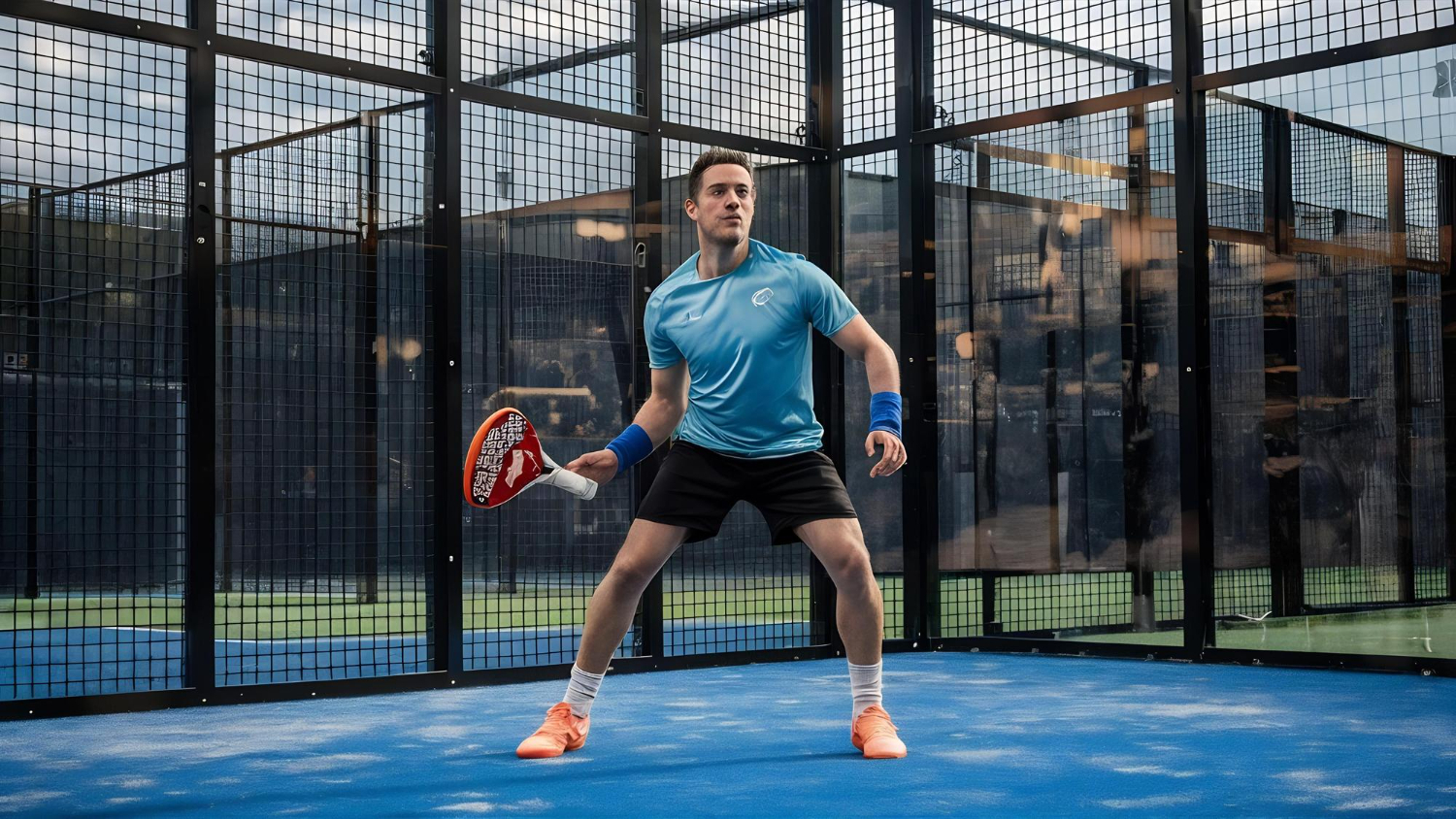
  • Hips/shoulders side-on; small split-steps to buy time.
  • Compact swing for double-glass; avoid big backswings that collide with the side wall.
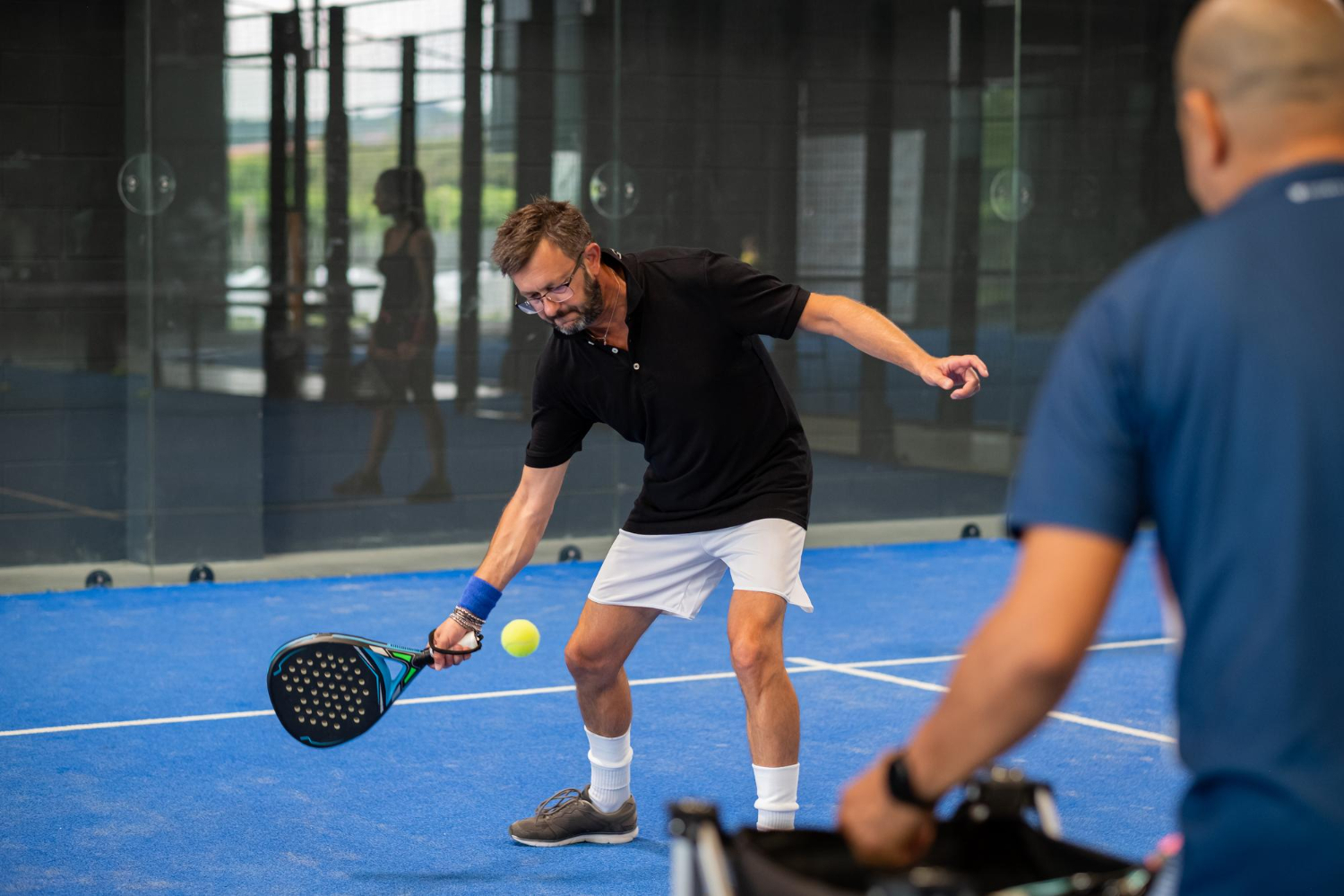
Progressive Drills (Solo & With a Partner)

1. Solo Wall Feel (10 minutes daily)

  • Stand a racket length away from the back glass.
  • Drop-feed, let it bounce and rebound, then step forward and drive it cross-court.
  • Do 20 forehands + 20 backhands.
  • Progression: Add targets (cones/zones) to train accuracy.

2. Corner Ladder Drill (Partner Feed)

  • Partner feeds balls to the backside seam.
  • Sequence: (1) single glass, (2) double glass, (3) take before the wall.
  • Repeat 5 reps each.
  • Key: Short swings, compact control.

3. Salida → Chiquita → Close Drill

  • From baseline, hit a salida de pared.
  • Follow with a chiquita to the opponent’s feet.
  • Both players step forward together to close the net.
  • Volleyers respond with a lift → defenders win the net.

4. Bandeja / Víbora Sequences

  • Partner lobs alternately to corners.
  • Hit bandeja (deep slice) or víbora (fast sidespin).
  • After each, recover two steps back to close middle.
  • Pro-level target: Deep corner bounce that dies low.

5. Bajada Targets Drill

  • Partner feeds deep lob into the corner.
  • Play bajada (downward attack) after rebound.
  • Aim for: feet, body, or middle gap.
  • 10 reps each.
  • Key: Let the ball rise slightly post-rebound before striking.

6. Por Tres Build-Up Drill

  • Start inside service line: hit topspin smash, aiming for height + spin.
  • Step back gradually until baseline.
  • Advance to hitting toward the side glass seam for controlled exits.
  • Tip: Focus on brushing up the ball, not just power.

Common Mistakes (And How to Fix Them)

1. Standing Too Close to the Glass

  • Mistake: Crowding the wall, no room for rebound.
  • Fix: Stand 1–1.5m away to step forward into contact.

2. Rushing the Swing

  • Mistake: Hitting before the rebound completes.
  • Fix: Wait for the ball to come forward; use a compact stroke.

3. Over-Swinging on Double Glass

  • Mistake: Forcing winners from tricky rebounds.
  • Fix: Play with margin, lift over net, reset rally.

4. Poor Footwork / Reaching

  • Mistake: Leaning instead of moving feet.
  • Fix: Split-step before bounce; use sidesteps to adjust.

5. Panicking Against Lobs

  • Mistake: Wild smashes → errors or counters.
  • Fix: Develop the bandeja—controlled, deep placement.

6. Misusing the Mesh/Fence

  • Mistake: Treating mesh like glass.
  • Fix: Remember: glass is playable, mesh isn’t (especially on serve).

7. Playing Too Short in Defense

  • Mistake: Wall exits land mid-court, inviting attack.
  • Fix: Focus on depth beyond the service line with salida/chiquita.

8. Forgetting Team Movement

  • Mistake: One player advances, partner stays back.
  • Fix: Always move as a pair—either both defend or both close the net.

Conclusion – From Fear to Flow: Making the Walls Your Ally

Every padel player remembers the first time the ball came flying off the glass—it felt chaotic, unpredictable, even a little unfair. But as you’ve seen, the walls are not meant to confuse you; they’re designed to add depth, creativity, and strategy to the game.

For beginners, learning the salida de pared turns panic into calm. For intermediates, tools like the bajada and the reset lob change defense into attack. And for advanced players, smashes like the víbora and por tres prove that the glass isn’t just for survival—it’s for domination.

The key is patience. Don’t rush the rebound. Give yourself space, trust the wall, and let the game slow down. Once you embrace that rhythm, you’ll stop dreading the glass and start using it to control rallies, outsmart opponents, and dictate the pace of play.

Padel’s magic lies in these walls. They turn every rally into a puzzle of timing, angles, and tactics. Master them, and you’ll unlock the essence of what makes padel not just another racket sport, but one of the fastest-growing games in the world.

So next time the ball hits the back wall, don’t panic—smile. That’s your cue to play padel the way it’s meant to be played.
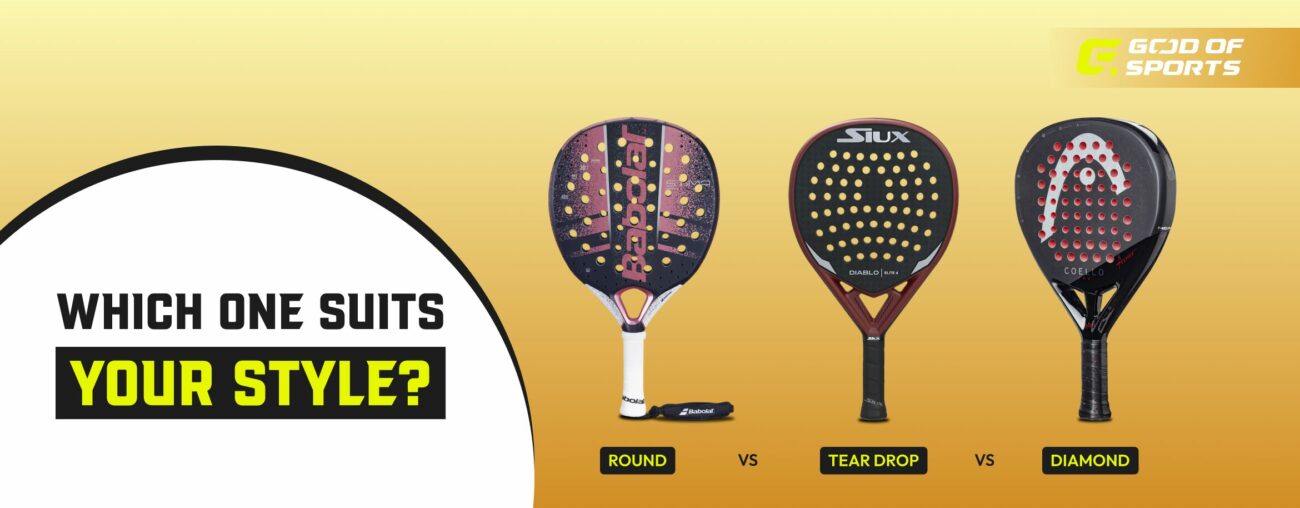
Round vs Teardrop vs Diamond: Which racquet suits your style?

Round vs Teardrop vs Diamond Rackets: Which One Suits Your Style?

Padel may look simple—ball, court, and racket—but anyone who has stepped onto the court knows that equipment can make or break your game. Unlike tennis, padel rackets come in distinct shapes that dramatically affect performance. The three main types—round, teardrop, and diamond—are more than just cosmetic differences. Each shape influences your control, power, sweet spot, and overall playing style.

Whether you’re a beginner looking for forgiveness, an intermediate player chasing balance, or an advanced hitter hungry for power, understanding racket shapes is the first step toward finding your perfect match.

1. Round Rackets – Built for Control

Key Features

  • Sweet Spot: Large and centered.
  • Balance: Low (towards the handle).
  • Power vs Control: Prioritizes control over raw power.
  • Weight Distribution: Even, forgiving on mishits.

Who Should Use It?

Round rackets are the go-to choice for beginners or defensive-style players. With a big sweet spot and low balance, they reduce the number of errors and make it easier to return balls consistently.

If you’re new to padel, a round racket helps you build confidence by giving you more time to react and minimizing mistakes.

Pros

  • Large sweet spot makes shots forgiving.
  • Easier to maneuver, great for rallies.
  • Reduces strain on the wrist and elbow.

Cons

  • Limited power for smashes and aggressive shots.
  • May feel too “safe” for advanced players.

Popular Models (2025)

2. Teardrop Rackets – The All-Rounder

Key Features

  • Sweet Spot: Mid-to-high, slightly smaller than round.
  • Balance: Medium.
  • Power vs Control: Balanced mix of both.
  • Weight Distribution: Hybrid between control and attack.

Who Should Use It?

The teardrop racket is the Swiss army knife of padel gear. It’s best for intermediate players who want both control in defense and enough punch to attack when opportunities arise.

If you’ve played for a while and want a racket that grows with you, teardrop is the most versatile shape.

Pros

  • Balanced performance for both power and control.
  • More versatility than round rackets.
  • Great for all-court players who switch between offense and defense.

Cons

  • Doesn’t excel as much in control as round rackets or in power as diamond rackets.
  • Requires more precision than round shapes.

Popular Models (2025)

3. Diamond Rackets – The Powerhouses

Key Features

  • Sweet Spot: Small, located at the top.
  • Balance: High (towards the head).
  • Power vs Control: Maximizes power at the expense of forgiveness.
  • Weight Distribution: Head-heavy, built for aggressive shots.

Who Should Use It?

Diamond rackets are made for advanced and attacking players who thrive on smashes, volleys, and finishing points quickly. If you’re confident in your technique and have the strength to control a head-heavy racket, the diamond shape will reward you with explosive power.

Pros

  • Unmatched power for smashes and offensive play.
  • Ideal for aggressive strategies.
  • Provides professional-level performance.

Cons

  • Small sweet spot punishes mishits.
  • Less maneuverable, harder for beginners.
  • Can cause fatigue during long games.

Popular Models (2025)

4. Side-by-Side Comparison

Feature Round Rackets Teardrop Rackets Diamond Rackets
Sweet Spot Large & centered Mid-high, medium size Small, at top
Balance Low (handle-heavy) Medium High (head-heavy)
Best For Control, defense, beginners Balanced all-round play Power, attack, advanced
Forgiveness High Medium Low
Power Low Medium High
Control High Medium Low

5. How to Choose the Right Shape for Your Style

Your ideal racket shape depends on your level, goals, and playing style:

  • Beginner / Defensive Player → Go for Round. You’ll enjoy more rallies and fewer errors.
  • Intermediate / Balanced Player → Choose Teardrop. It adapts to both control and power.
  • Advanced / Aggressive Player → Pick Diamond. Perfect for finishing points with smashes.

Pro Tip: Don’t just follow trends. Test rackets if possible—feel, weight, and grip size also play a huge role alongside shape.

6. Additional Factors Beyond Shape

While shape is key, also consider:

  • Weight: Light rackets (340–360g) for quick reactions, heavy rackets (370g+) for stability.
  • Core Hardness: Softer cores for control and comfort, harder cores for power.
  • Grip Size: Affects maneuverability and wrist comfort.
  • Material: Carbon fiber for durability and power; fiberglass for comfort and affordability.

Conclusion – Find Your Perfect Fit

Choosing between round, teardrop, and diamond padel rackets isn’t just about shape—it’s about how you want to play the game.

  • If you’re starting out, the round racket will guide you safely into padel.
  • If you want an adaptable tool, the teardrop racket is your best bet.
  • And if you’re a power-hungry smasher, the diamond racket will become your weapon of choice.

Remember, no racket is inherently better—it’s about matching your style and skill level. With the right choice, your racket won’t just be equipment; it’ll be an extension of your game.

Best Padel Rackets for Beginners in 2025 [Complete Buying Guide]

Padel is no longer a niche pastime—it’s one of the fastest-growing sports in the world, with more than 50,000 courts globally. Its mix of tennis, squash, and social play makes it addictive, but for beginners, the right gear is crucial. The most important piece of equipment you’ll buy is your first racket. A beginner-friendly racket can make rallies easier, reduce arm strain, and speed up learning, while the wrong one can lead to frustration and poor technique.

In this guide, we’ve compiled the Top 10 beginner-level padel rackets to buy in 2025, along with practical advice on what to look for before purchasing. Whether you’re playing your first social match or signing up for regular training, this article will help you find the perfect starting racket.

Top 10 Beginner-Level Padel Rackets to Buy in 2025

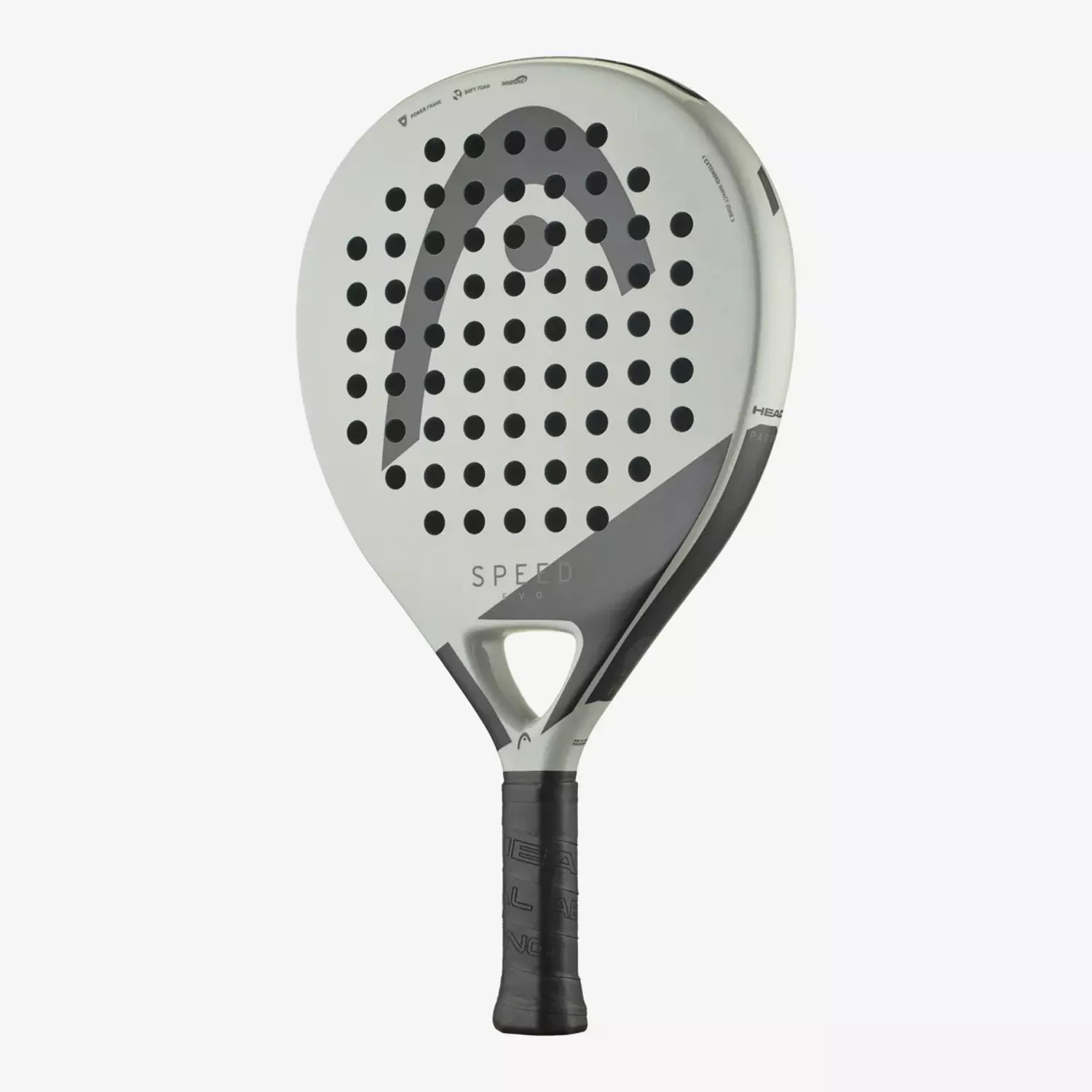
1. HEAD Evo Speed 2025 Padel Racquet

  • Why it’s great: Lightweight, forgiving, and designed with comfort foam, it provides “easy power” and quick handling.
  • Best for: Absolute beginners who want a soft, arm-friendly feel.
  • Price range: ₹8,000–₹9,000).
  • Buy Now

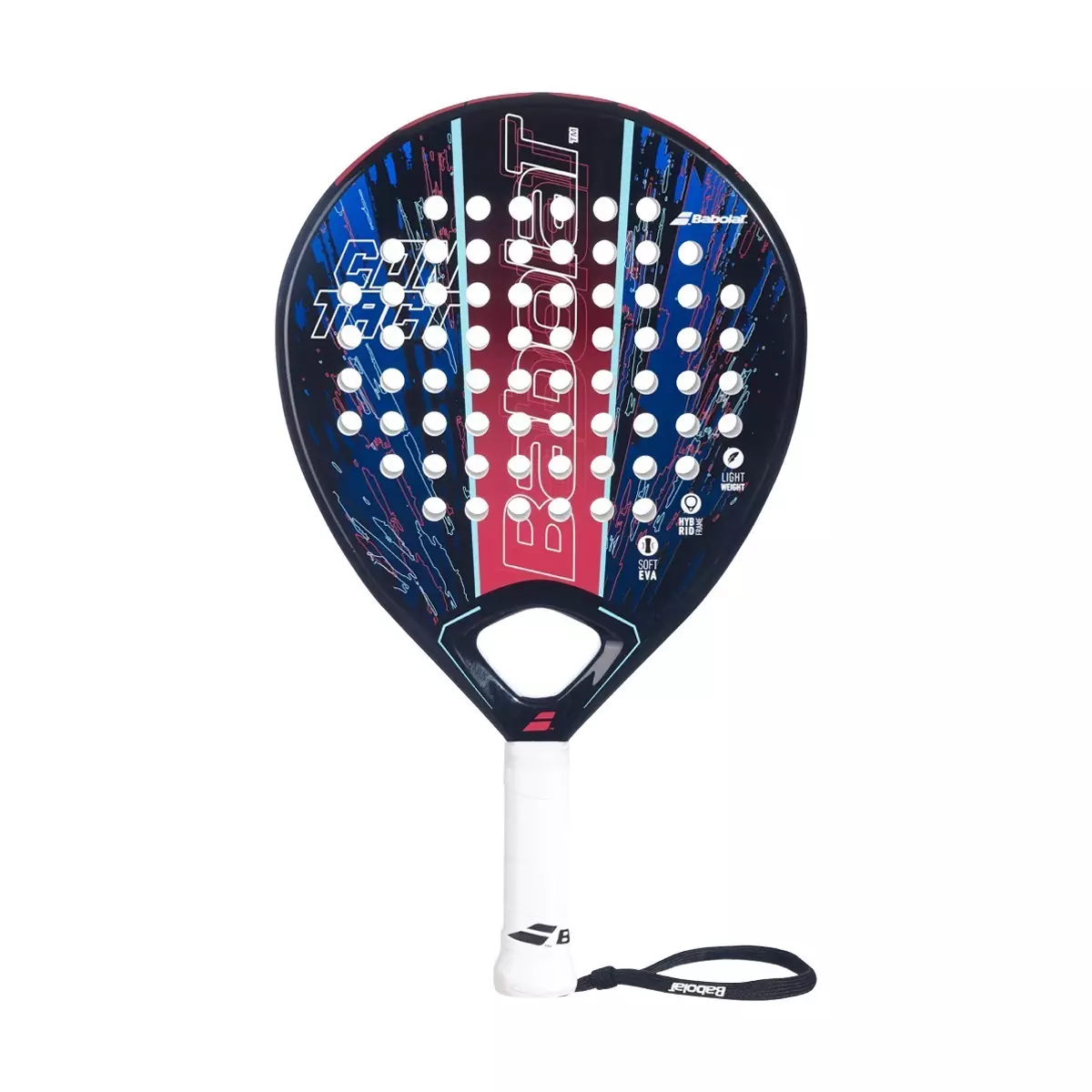
2. Babolat Contact Padel Racquet

Babolat Contact Padel Racquet

  • Why it’s great: Extremely maneuverable with a large sweet spot, this racket is designed for beginners who want confidence from the first hit.

  • Best for: Casual players and those just entering the sport.

  • Price range: ~₹6,000–₹8,000.

  • Buy Now

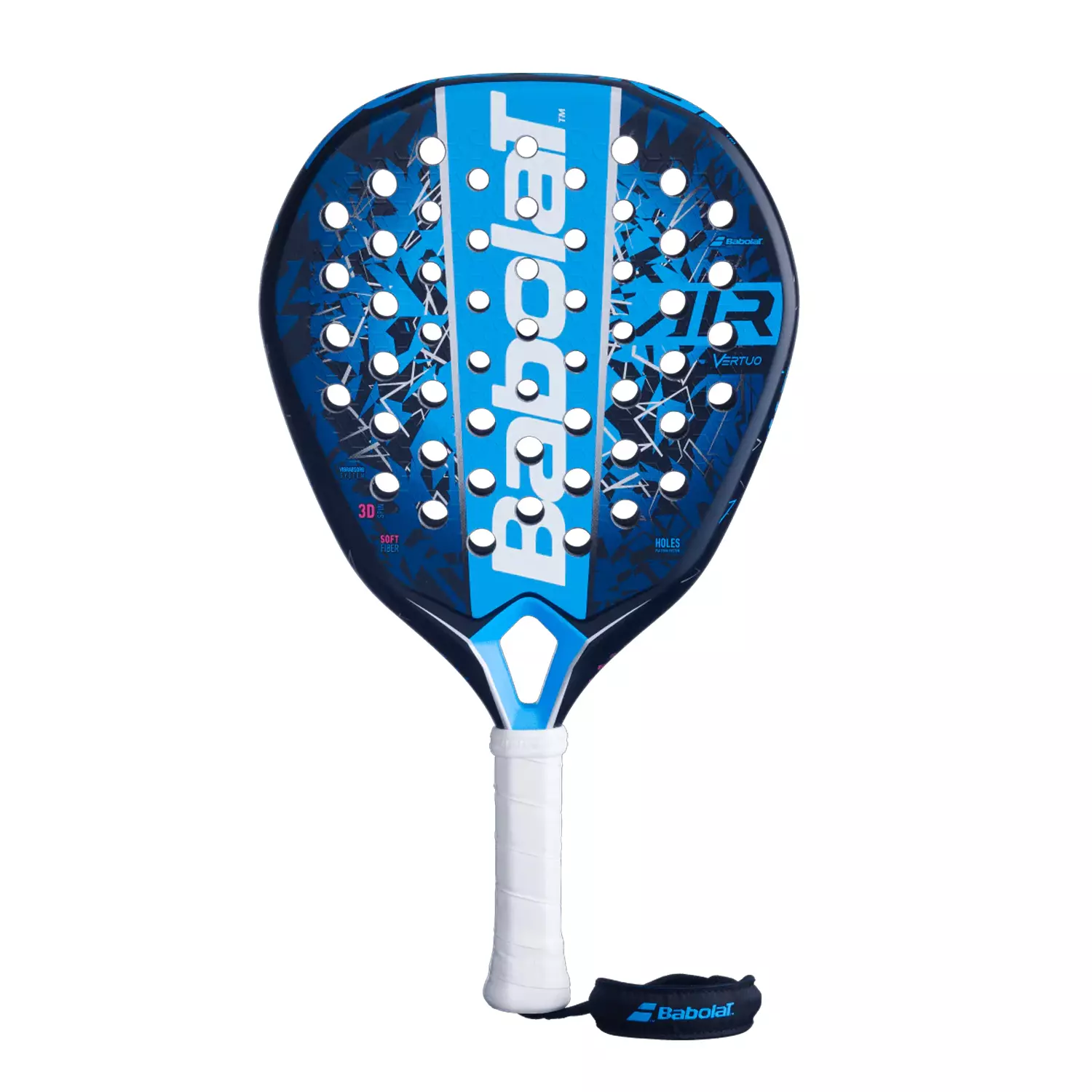
3. Babolat Air Vertuo 2025 Padel Racquet

  • Why it’s great: Lightweight with a hybrid round/teardrop shape, offering easy maneuverability plus a little extra “pop.”
  • Best for: Players who want comfort but don’t want to sacrifice all power.
  • Price range: ~₹12,000–₹14,000.
  • Buy Now

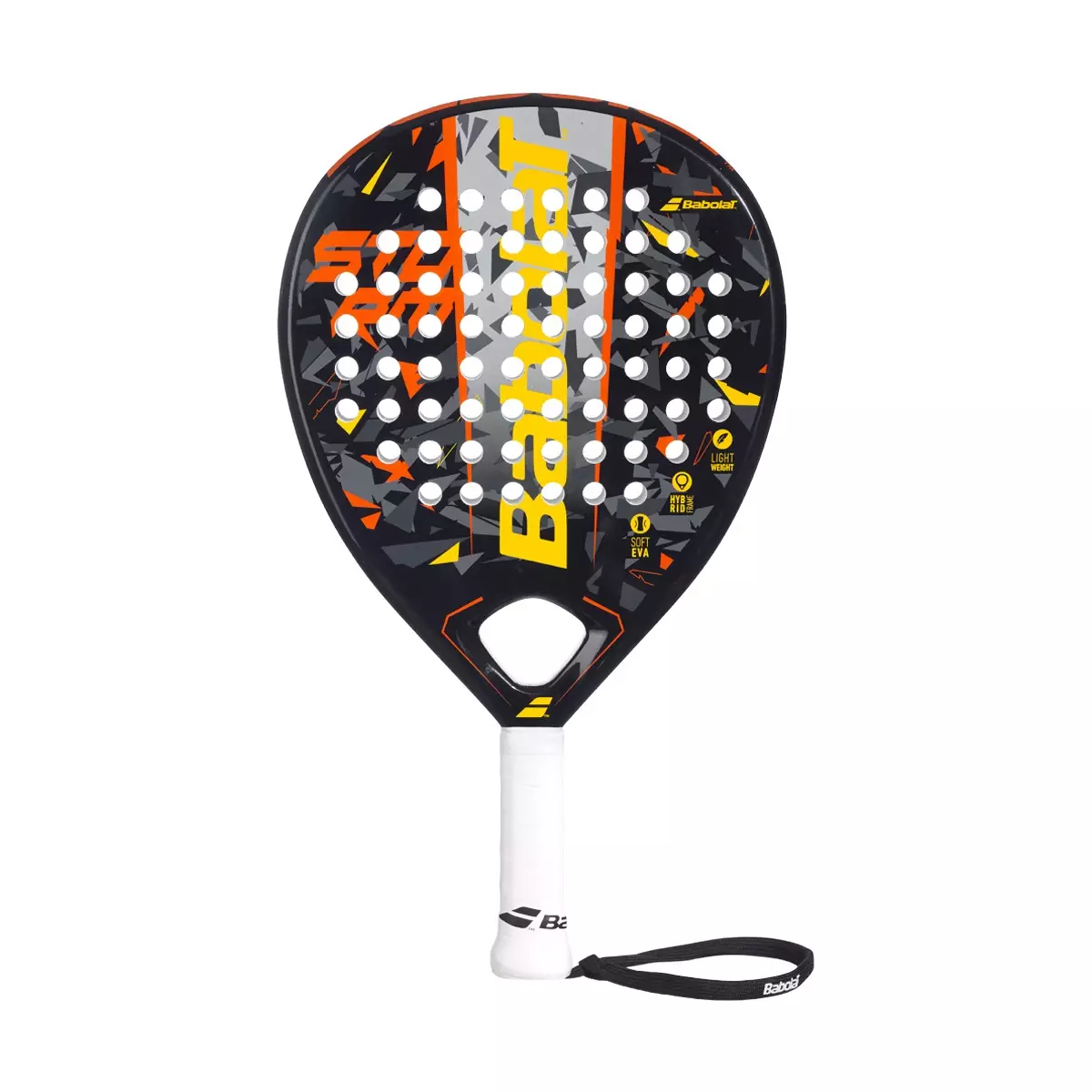
4. Babolat Storm Padel Racquet

Babolat Storm Padel Racquet

  • Why it’s great: Slightly more advanced than the Contact, the Storm adds a bit of power while retaining comfort and control.

  • Best for: Beginners ready to improve and progress quickly.

  • Price range: ~₹8,000–₹10,000.

  • Buy Now

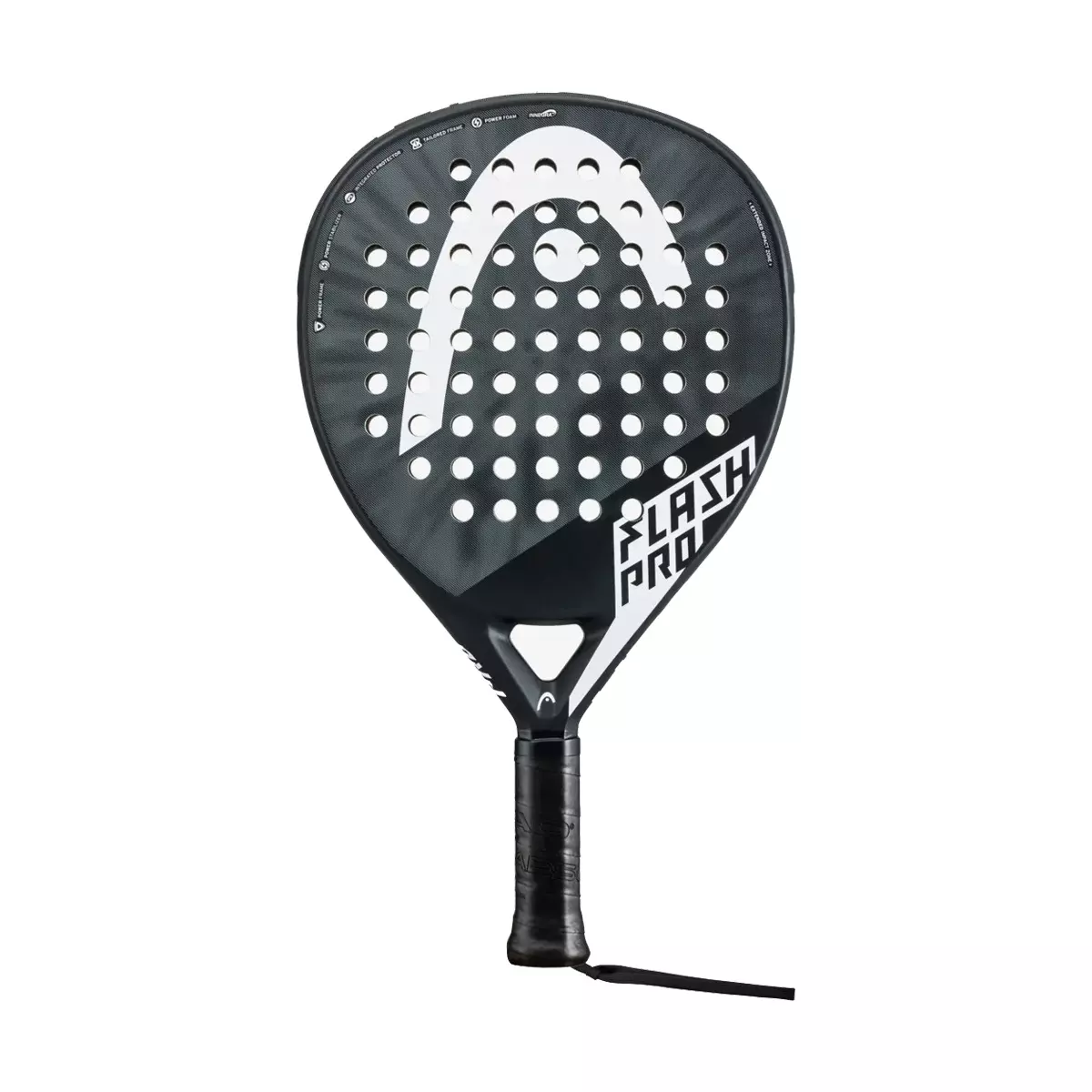
5. HEAD Flash Pro 2023 Padel Racquet

  • Why it’s great: A step up in stability compared to basic entry rackets, yet still beginner-friendly with a forgiving core.

  • Best for: Beginners who plan to play regularly and want durability.

  • Price range: ~₹8,000–₹10,000.

  • Buy Now

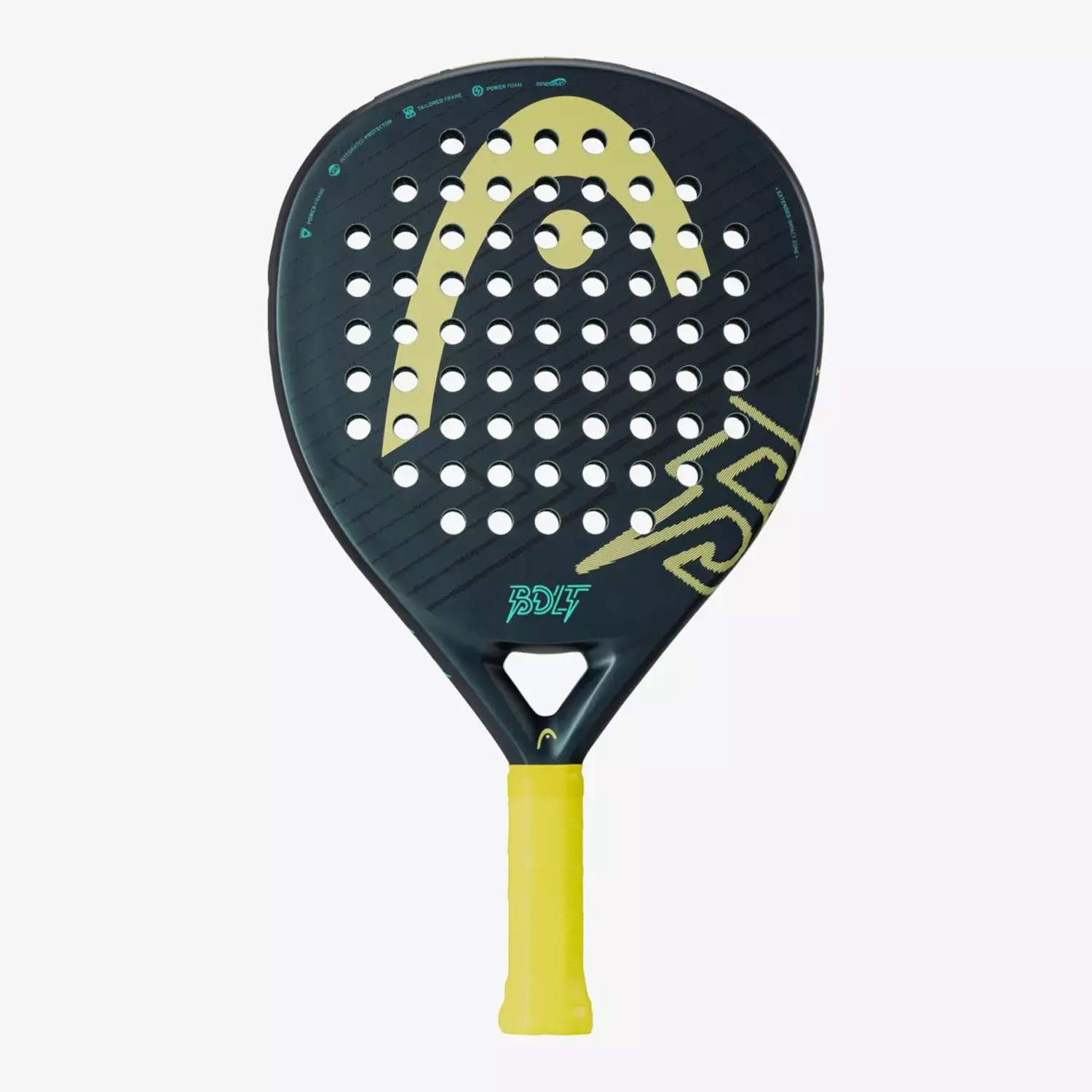
6. HEAD Bolt 2025 Padel Racquet

  • Why it’s great: Designed with lightweight materials and a big sweet spot, the Bolt is all about control and comfort.

  • Best for: New players who want an easy-to-swing racket with dependable consistency.

  • Price range: ~₹9,000–₹10,000.

  • Buy Now

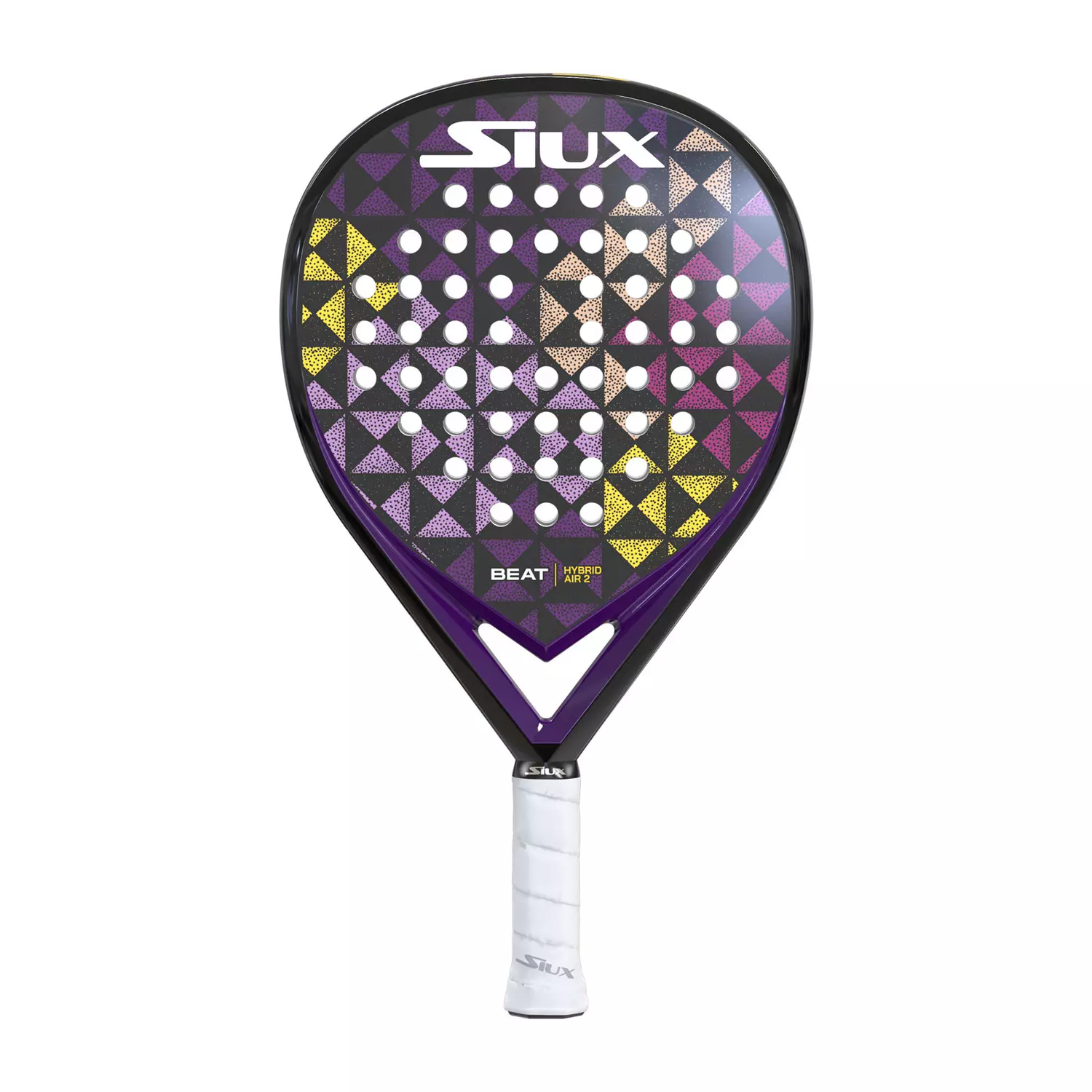
7. SIUX Beat Hybrid Air 2 Padel Racquet

SIUX Hybrid Air 2 Padel Racquet

  • Why it’s great: Blends a hybrid shape with soft materials, offering beginners a mix of forgiveness and gradual power.

  • Best for: New players who want a racket that grows with their skills.

  • Price range: ~₹7,000–₹9,000.

  • Buy Now

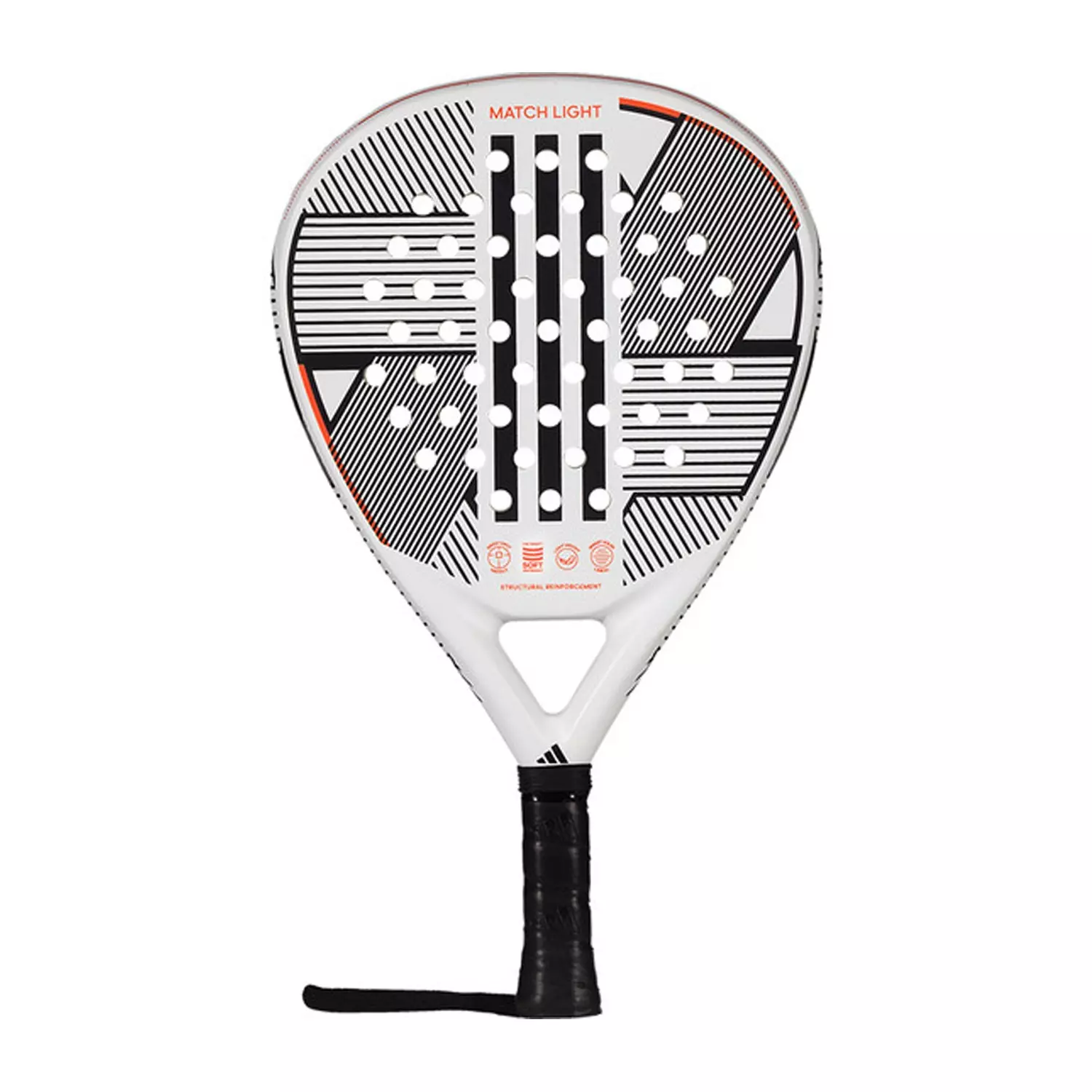
8. Adidas Match Light 3.3

  • Why it’s great: One of Adidas’s lightest rackets, round shape, and soft materials. Perfect for players worried about arm fatigue.
  • Best for: Beginners prone to wrist or elbow strain.
  • Price range: ~₹7,000–₹9,000.
  • Buy Now

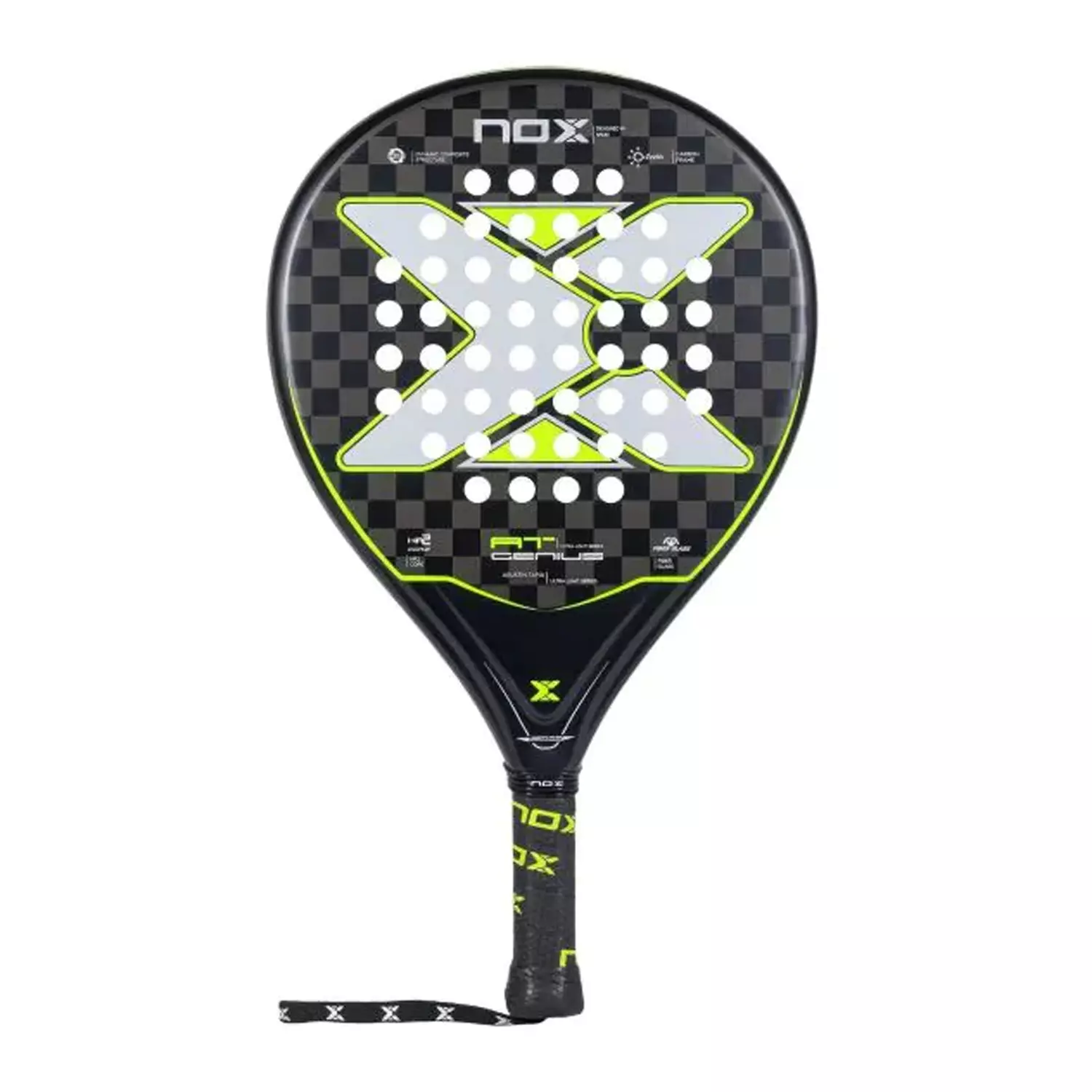
9. NOX AT Genius Ultralight Padel Racquet

  • Why it’s great: Very lightweight with excellent control features; perfect for juniors, smaller players, or anyone worried about arm strain.

  • Best for: Beginners who want ultimate maneuverability without losing stability.

  • Price range: ~₹9,000–₹11,000.

  • Buy Now

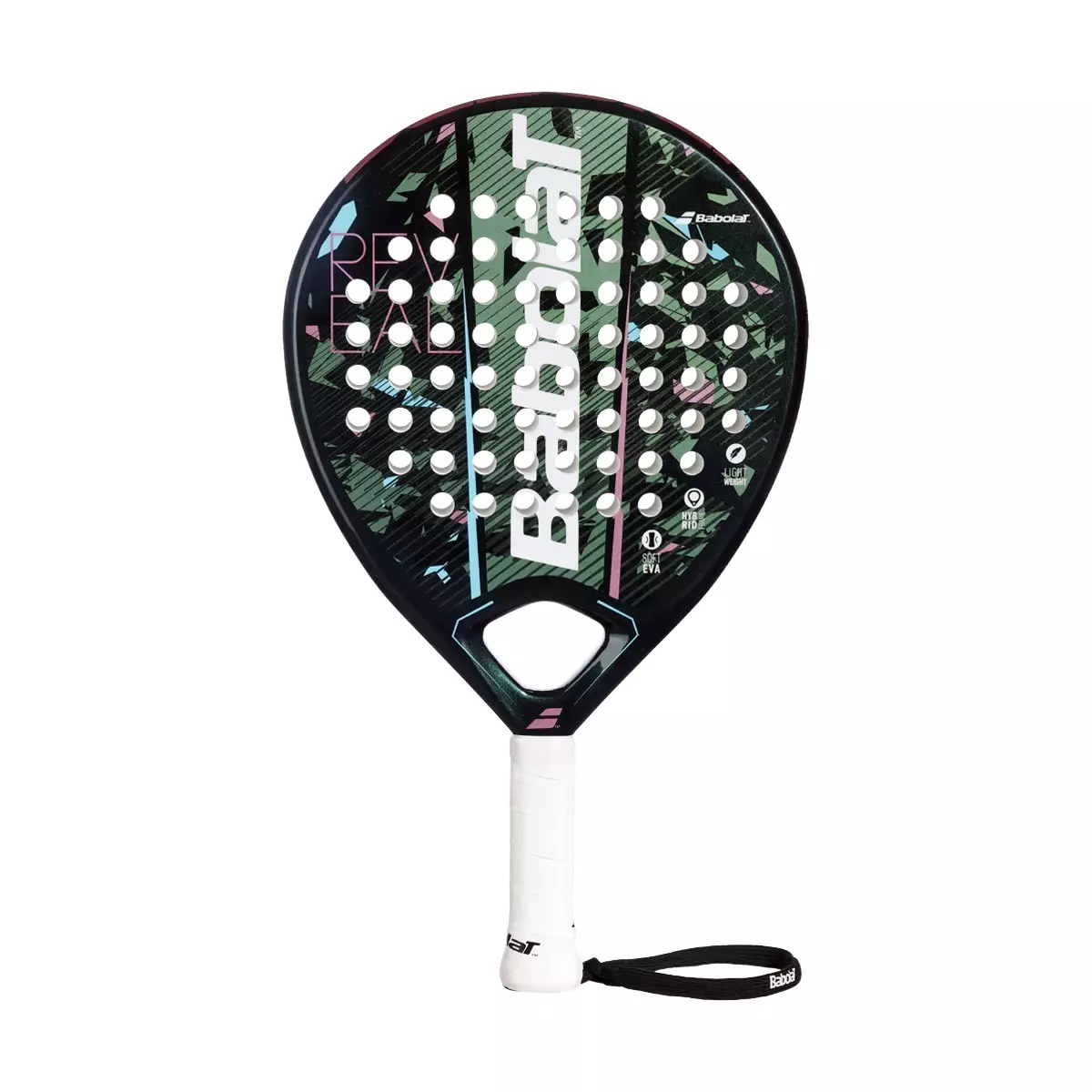
10. Babolat Reveal Padel Racquet

Babolat Reveal Padel Racquet

  • Why it’s great: The Babolat Reveal offers a smooth entry into the sport with specs tailored to comfort—expected round or soft-hybrid face, forgiving rebound, and manageable weight. Even though it’s a newer model, its build suggests it will follow Babolat’s values of playability and beginner-friendly performance.

  • Best for: Beginners who want a trusted brand, balanced features (control + some pop), and something that still feels good when rallies get longer.

  • Price range: ~ ₹7,000–₹9,000.

  • Buy Now

What Should You Keep in Mind While Selecting a Padel Racket?

Buying your first padel racket is more than just picking a brand name. Here are the specs that matter most for beginners:

1. Shape

  • Round → Best for beginners. Large sweet spot, forgiving on mishits.
  • Teardrop → Balanced option for players progressing quickly.
  • Diamond → Power-oriented, less forgiving—avoid until advanced.

2. Weight

  • Light (340–360 g): Easy to maneuver, arm-friendly.
  • Medium (360–370 g): Balanced, good once you have a consistent technique.
  • Heavy (370+ g): Powerful but hard to control—skip as a beginner.

3. Balance

  • Low balance: Easier to swing, ideal for new players.
  • High balance: Generates power but strains wrists. Stick to low or even balance initially.

4. Core Material

  • Soft EVA/Foam: Absorbs impact, expands sweet spot, beginner-friendly.
  • Hard EVA/Carbon Mix: Power-focused, better for advanced players.

5. Surface Material

  • Fiberglass: Softer, flexible, and more forgiving → perfect for starters.
  • Carbon Fiber: Stiffer, more powerful, but requires better technique.

6. Grip Size & Comfort

Your racket should feel comfortable in your hand. Add an overgrip if it feels slippery or too small. Comfort = confidence.

7. Price Range

Don’t overspend on your first racket. Beginners do best in the ₹4,000–₹12,000 range. Invest more once you play regularly and refine your style.

Conclusion

Padel is about enjoyment, community, and gradual skill-building. Choosing the right beginner racket will make your first rallies smoother, help you master wall rebounds, and reduce injury risk.

If you’re just starting out, round-shaped, lightweight, fiberglass rackets with soft EVA cores are your safest bet. Options like the HEAD Evo Speed 2025, Adidas Drive 3.4, and NOX X-One Evo deliver exactly what beginners need: forgiveness, comfort, and control.

Remember: your first racket isn’t about power or status—it’s about learning the sport with the right partner in hand. Start simple, play often, and as your technique improves, you can upgrade to rackets that add power and spin. And if you are looking for the best padel rackets in an affordable budget, visit God of Sports and get the best padel gear at an unbelievable price.

Essential Padel Terminology – 25 Words Every Player Must Know

Padel isn’t just a sport—it’s a phenomenon that has grown from a quirky backyard invention into one of the world’s fastest-growing games. The story begins in 1969, when Mexican businessman Enrique Corcuera built a walled court at his home in Acapulco. He wanted a game that blended tennis, squash, and social play. What started as a creative experiment quickly spread to Spain and Argentina, where padel exploded in popularity. Today, with over 50,000 courts worldwide, it’s played everywhere from Europe to the Middle East to India.

But to truly play padel, you need to speak its language. Step onto a court and you’ll hear words like bandeja, víbora, chiquita, and por tres. At first, it may sound like code, but these terms capture the unique tactics and artistry that make padel different from tennis or pickleball.

This guide will walk you through 25 essential padel terms every player must know—so you can not only follow the game but play it with confidence and flair.

A) Overheads & Finishing Shots

  1. Bandeja
    The signature padel overhead: a controlled, sliced “defensive smash” you play against lobs to keep the net. Contact is high but relaxed; aim deep to corners so the ball stays low after the glass.

  2. Víbora (Viper)
    Looks like a bandeja but faster with more side-spin and a later, wristier contact. Used to pressure feet or side glass and create ugly rebounds—an attacking cousin of the bandeja.

  3. Remate (Smash)
    The power overhead to finish points. In padel, you choose flat, topspin (kick), or even angle into glass—always considering court position and wall rebounds.

  4. Kick Smash
    A topspin smash that kicks violently after the bounce. Done right, it can jump back to your side or set up an “out of court” finish.

  5. Por Tres / X3
    A smash that leaves the court over the 3-meter side wall (often after the back glass). The classic crowd-pleaser.

  6. Por Cuatro / X4
    A flat, close-to-net smash that exits over the 4-meter back glass. Think “drill it down, send it out.”

  7. Gancho (Hook)
    High contact overhead (often when the lob floats over your shoulder). Compact swing, direct line—great to hold the net without giving time to opponents.

B) Soft-Touch & Setup Shots

  1. Chiquita
    The little one: a soft, low ball from the back aimed at the volleyer’s feet to force a weak lift and let you move in. It’s a momentum shifter.

  2. Dejada (Drop Shot)
    A gentle touch that dies short, best used when rivals are deep or leaning back. Use sparingly: disguise matters.

  3. Globo (Lob)
    Padel’s safety valve. High and deep to reset, buy time, and take the net on the next ball. It’s the shot most beginners underuse.

C) Walls & Rebounds (Your Best Friend)

  1. Salida de Pared (Wall Exit)
    Your bread-and-butter rebound after the back or side glass. Let the ball come off the wall, step forward, and strike from a comfortable height.

  2. Bajada de Pared (Wall Descent)
    An attacking wall shot: let the ball drop off the glass and drive it low and hard through the middle or to feet—often used to counter a smash.

  3. Doble Pared (Double Wall)
    Playing the ball after two glasses (side+back or back+side). It buys time, changes angles, and is a key defensive skill under pressure.

  4. Contrapared (Against-the-Wall Boast)
    Intentionally using your own back glass to send the ball back over the net—especially when the ball is already behind you.

D) Volleys, Grips & Formations

  1. Block Volley (Bloqueo)
    Minimal swing, firm face, absorb pace. The go-to answer when rivals fire from the back—reset the rally and hold your ground at the net.

  2. Continental Grip
    The universal padel grip (like holding a hammer). It lets you volley, bandeja, and smash without grip changes—a non-negotiable habit for consistency.

  3. Australian Formation
    Server and partner start on the same side to keep preferred forehand/backhand matchups. Popular among pros; requires a quick first step after serve.

  4. The Fridge (Nevera)
    Tactic of freezing one player by sending almost every ball to their partner. Emotionally tough, tactically effective—agree ground rules in friendlies!

E) Scoring & Match Terms

  1. Deuce (40–40)
    Tie at 40. Traditionally, you must win two in a row (advantage, then game).

  2. Advantage
    The point after deuce. Lose it and you’re back to deuce; win it and you take the game.

  3. Golden Point (Punto de Oro)
    Used in many events: at 40–40, one point decides the game; the receivers choose which side to take the return. Popularised by the World Padel Tour in 2020.

  4. Tiebreak
    At 6–6 in games, play a breaker to 7 points, win by 2; then record the set as 7–6.

  5. Let (on Serve)
    Serve touches the net and lands correctly—replay the serve.

  6. Double Fault
    Miss both serve into the box—point to receivers. (Also watch foot faults.)

  7. Foot Fault
    Stepping on/over the line before contact on serve—counts as a fault.

Quick Usage Guide (90-second refresher)

  • Holding the net? Expect lobs; answer with bandeja, víbora, or gancho to keep pressure.

  • Pinned deep? Use salida de pared to reset, chiquita to their feet to take the net, or globo to recover.

  • Finishing a sitter? Choose kick smash (jumping bounce) or go big with por tres/por cuatro when the setup is perfect.

  • Under attack at the net? Stay compact with a block volley—absorb pace, aim deep middle, and re-establish formation.

  • Serving plan? Try the Australian formation to protect strengths; just be ready for the first ball.

How to Learn These Fast (Mini-Drills)

  • Wall warm-up: 10 × salida de pared on each side; focus on footwork and contact height.

  • Soft-touch ladder: Alternate chiquita → volley block exchanges with partners at half pace, aiming at feet.

  • Overhead circuit: 5 bandejas to deep corner → 3 víboras to feet → 2 controlled smashes. (Quality of placement > power.)

Final Word – From 1969 to Today

When Enrique Corcuera set up the first walled court in Acapulco back in 1969, he probably didn’t imagine millions of people would one day be shouting bandeja or por tres on glass courts across the globe. Yet that’s exactly what happened. Padel has grown from a backyard idea into a global movement—and with it, its own rich vocabulary.

Learning these 25 essential terms isn’t just about sounding like a pro. It’s about understanding the culture and strategy of the game. Every time you play a globo, set up a chiquita, or finish with a víbora, you’re connecting with decades of padel evolution.

So the next time you step onto court, remember: you’re not just hitting a ball—you’re carrying forward the language, history, and spirit of a sport that has united communities around the world.

Padel Scoring Explained

Padel Scoring Explained: A Simple Guide for New Players

Padel may be the fastest-growing racket sport in the world, but for beginners, one part can be confusing: the scoring system. The rallies are fun, the walls are exciting, but when someone shouts “15–30” or “deuce,” many new players pause and wonder what’s going on.

Don’t worry—you’re not alone. Padel borrows its scoring rules from tennis, but with its own unique flow. Once you learn the basics, you’ll see how simple and fun padel scoring really is.

This guide breaks down padel scoring step by step, so you’ll never feel lost on the court again.

1. The Basics of Padel Scoring

Padel uses the same point system as tennis:

  • 0 points = “Love”

  • 1 point = 15

  • 2 points = 30

  • 3 points = 40

  • 4 points = Game (if leading by 2)

👉 Example: If your team wins the first point of a game, the score becomes 15–0. Win the next point, it’s 30–0.

A team must win by 2 points to close out a game. If the score is tied at 40–40, that’s called deuce. From there, you need to win two points in a row:

  • Win one point = “Advantage”

  • Win the next = Game

If the opponents win the next point, it goes back to deuce.

2. How Many Games Make a Set?

  • A set is won by the first team to reach 6 games, with at least a 2-game lead.

    • Example: 6–4 = Set won.

    • If it’s 5–5, play continues until one team reaches 7–5.

  • If the score reaches 6–6, a tiebreak is played.

3. The Tiebreak Rule

Tiebreakers can seem complicated, but they’re actually straightforward:

  • Tiebreaks are played to 7 points, win by 2.

  • Scoring is simple numbers (1, 2, 3…) instead of 15–30–40.

  • Teams switch sides after every 6 points.

👉 Example: If your team wins 7–5 in the tiebreak, the set score becomes 7–6.

4. Winning the Match

Most padel matches are played as best of 3 sets. That means the first team to win 2 sets wins the match.

👉 Example final score: 6–3, 4–6, 6–2.

5. Serving & Rotation Rules

Scoring is tied directly to serving, so here’s what you need to know:

  • One player serves for the entire game.

  • The serve must always be diagonal into the opponent’s box.

  • After each game, the serve rotates to the next player (like in tennis doubles).

  • Each team alternates who serves first in their rotation.

👉 Beginner Tip: Keep track of who served last—it’s part of knowing the score.

6. Unique Situations in Padel Scoring

  • Golden Point Rule (Optional): In some tournaments, instead of playing “advantage,” the next point after deuce decides the game.

  • Let on Serve: If the serve clips the net but lands correctly in the box, it’s replayed (like tennis).

  • Faults: Two serving faults = losing the point.

7. A Real-Life Example of Scoring

Let’s say you’re playing with friends. Here’s how a game might unfold:

  • First rally: Your team wins → Score: 15–0.

  • Second rally: Opponents win → Score: 15–15.

  • Third rally: You win → 30–15.

  • Fourth rally: You win → 40–15.

  • Fifth rally: You win → Game!

Congrats. You just won your first game of padel. 🎉

8. Common Beginner Mistakes with Scoring

  1. Forgetting to Call Out the Score – Always announce it before serving.

  2. Mixing Up Tennis & Padel Rotations – In padel doubles, serving rotates more strictly.

  3. Not Knowing When a Set Ends – Remember: 6 games with a 2-game lead (or tiebreak at 6–6).

  4. Confusing Advantage & Deuce – Two consecutive points are needed to win from deuce.

9. Why Padel Scoring Works So Well

Padel’s scoring system may seem quirky, but it has advantages:

  • Familiarity: Tennis players feel at home.

  • Drama: Deuce and tiebreaks make matches exciting.

  • Fairness: Needing a 2-point lead ensures balanced competition.

10. Quick Reference Table

Points Won Score Name
0 Love
1 15
2 30
3 40
4+ (with 2-point lead) Game

FAQs – Padel Scoring for Beginners

Q: Is padel scoring the same as tennis?
Yes, the point system and games/sets structure are identical.

Q: How long does a padel match last?
Usually 45–90 minutes, depending on sets played.

Q: Do you always play best of 3 sets?
Recreational matches can be shorter, but official matches are played as best-of-3.

Q: What’s the golden point rule?
At deuce, instead of advantage, the next point wins the game.

Final Thoughts

Padel scoring may seem tricky at first, but once you play a few games, it becomes second nature. Just remember:

  • Points: 15, 30, 40, game.

  • Games: First to 6, win by 2.

  • Sets: Best of 3 to win the match.

The next time you step onto a court, you’ll know exactly when to shout “Game, set, match!”—and celebrate like a pro.

Top 10 Beginner Mistakes in Padel & how to avoid them

Top 10 Beginner Mistakes in Padel and How to Avoid Them

Padel is one of the fastest-growing sports in the world, and for good reason. It’s fun, social, and easy to pick up—even if you’ve never played tennis or squash before. But like any new sport, beginners often fall into common traps that make the game harder than it should be.

The good news? Most of these mistakes are easy to fix once you know about them. In this guide, we’ll cover the top 10 beginner mistakes in padel—and more importantly, how to avoid them so you can improve quickly and enjoy the game from day one.

1. Standing in the Wrong Position

Many beginners stand too close to the net or too deep at the back, leaving themselves exposed.

  • The Mistake: Hugging the baseline like in tennis or rushing to the net without control.
  • The Fix: Stand about halfway between the service line and the baseline when rallying. Move forward to control the net, but only after a strong lob or push.

👉 Positioning is everything in padel. A good position gives you time, balance, and control.

2. Avoiding the Walls

The glass walls are unique to padel, but beginners often avoid them out of fear or confusion.

  • The Mistake: Trying to hit every ball before it touches the wall, often leading to errors.
  • The Fix: Use the wall to your advantage. Let the ball bounce off your back wall when it’s too fast to control. Practice calmly returning rebounds—it’s a skill that transforms your defense.

👉 The wall isn’t your enemy—it’s your best friend in defense.

3. Overhitting the Ball

Beginners often think more power equals better shots. In padel, that’s rarely true.

  • The Mistake: Smashing every ball with maximum force, sending it out of bounds.
  • The Fix: Focus on control and placement over power. Aim for consistency. Remember, padel points are usually won through patience and precision, not brute strength.

👉 Padel is about making the ball difficult for your opponent, not difficult for yourself.

4. Poor Communication with Partner

Since padel is almost always played in doubles, teamwork matters.

  • The Mistake: Not calling “mine” or “yours,” leading to confusion and missed balls.
  • The Fix: Talk constantly with your partner. Even a simple “sí” or “no” keeps coordination smooth. Decide who covers lobs, smashes, and middle balls before the game.

👉 Good communication turns two average players into a strong team.

5. Ignoring the Lob

The lob is one of the most important shots in padel—but beginners rarely use it.

  • The Mistake: Trying only smashes or groundstrokes, never lifting the ball.
  • The Fix: Learn to lob high and deep. It pushes opponents off the net and gives you time to regain control.

👉 A smart lob is worth more than a rushed smash.

6. Forgetting the Ready Position

Padel is fast, and standing flat-footed is a recipe for disaster.

  • The Mistake: Holding the racket low, standing stiff, and reacting too late.
  • The Fix: Always stay on the balls of your feet, racket up in front of you, ready to block or volley.

👉 Your best defense is being ready before the ball comes your way.

7. Using the Wrong Racket Grip

A bad grip can ruin your control and cause wrist pain.

  • The Mistake: Holding the racket too tightly or with a tennis-style forehand grip.
  • The Fix: Use the continental grip (like holding a hammer). Keep your hold firm but relaxed. This grip works for volleys, smashes, and defensive shots alike.

👉 The right grip makes your shots smoother and reduces injuries.

8. Chasing Every Ball Alone

Beginners often forget padel is a doubles game and try to cover too much ground.

  • The Mistake: Running across the court, leaving your partner stranded.
  • The Fix: Trust your partner. Cover your half, move together, and avoid crossing unnecessarily.

👉 Think of padel doubles as a dance—move in sync, not solo.

9. Not Controlling the Net

The net is where games are won and lost in padel.

  • The Mistake: Staying at the back too long, giving opponents control of the net.
  • The Fix: Look for chances to approach the net after a lob or deep shot. Once there, stay aggressive with volleys and smashes.

👉 The team that dominates the net usually dominates the match.

10. Getting Frustrated Too Quickly

Perhaps the biggest beginner mistake isn’t technical—it’s mental.

  • The Mistake: Expecting instant success, getting frustrated at mistakes, and losing confidence.
  • The Fix: Remember, padel is meant to be fun. Every pro player made errors when they started. Laugh off mistakes, learn from them, and keep enjoying the game.

👉 Progress in padel is measured in enjoyment as much as in points.

Bonus Tip – Invest in the Right Gear

Beginners often grab any racket or ball they find, but using proper gear makes a big difference.

  • Rackets: Start with a round-shaped control racket—lightweight and forgiving.
  • Balls: Use padel balls (slightly less pressurized than tennis balls).
  • Shoes: Court shoes with good grip to prevent slipping.

👉 Where to Buy: Trusted sports retailers like GodOfSports offer beginner-friendly rackets from HEAD, Bullpadel, and Babolat.

Final Thoughts

Padel is an addictive mix of strategy, teamwork, and fun—but small mistakes can hold you back. By avoiding these 10 beginner errors—poor positioning, ignoring the walls, overhitting, bad communication, neglecting lobs, wrong grip, or frustration—you’ll improve much faster and enjoy the game even more.

Remember, padel isn’t about perfection—it’s about playing smarter, working with your partner, and learning as you go. Fix these mistakes early, and you’ll be rallying like a pro in no time.

So grab your racket, step on the court, and play with confidence—because now you know what not to do.

How to Play Padel: Step-by-Step Rules for Beginners

“When I first stepped onto a padel court, I never imagined it would change my life. The walls, the teamwork, the rhythm—it felt different from tennis or squash. But what struck me most was how quickly you could fall in love with the game.” – Alejandro Galán, former World No.1 Padel Player.

Padel, the fastest-growing racket sport in the world, is unique because it’s both professional and playful. Watch the world’s best players, and you’ll see explosive smashes, lightning reflexes, and clever use of walls. Step into your local padel club, and you’ll find beginners laughing, learning, and enjoying rallies on day one.

That’s what makes padel special—it welcomes everyone. You don’t need years of lessons to get started. With a basic understanding of the rules and a partner by your side, you can be part of long, thrilling rallies almost immediately.

In this article, we’ll walk you through step-by-step rules of padel for beginners—from serving and scoring to using the walls—so you can play your very first game with confidence.

Step 1: Understand the Court Layout

Before you pick up a racket, let’s start with the court.

  • Size: 20 meters long and 10 meters wide (smaller than a tennis court).

  • Divided by a Net: Just like tennis, the net splits the court in half.

  • Service Boxes: Four rectangular boxes near the net, used for serving.

  • Walls: The entire court is surrounded by glass and mesh walls up to 3–4 meters high. Unlike tennis, these walls are part of the game.

👉 Beginner Tip: Think of padel as tennis played inside a box where the ball rarely goes out.

Step 2: Learn the Basic Scoring System

Padel uses the same scoring system as tennis:

  • Points go 15, 30, 40, and then game.

  • Six games make a set.

  • Matches are usually best of three sets.

👉 Beginner Tip: If you know tennis scoring, you already understand padel. If not, don’t worry—it’s simple once you play a few games.

Step 3: Serving Rules in Padel

This is where padel becomes beginner-friendly.

  • Underhand Serve: The ball must be hit below waist height.

  • Bounce First: The ball must bounce once in the server’s box before being struck.

  • Diagonal Direction: The serve must land in the diagonally opposite service box.

  • Walls Allowed (After Bounce): If the ball lands correctly, it can bounce off the side or back wall and still be in play.

👉 Beginner Tip: Don’t worry about power—accuracy is more important. Serves are just the start of a rally, not the winning shot.

Step 4: Returning the Serve

When returning a serve:

  • Let the ball bounce once before hitting.

  • You can hit it directly back or after it rebounds off your back wall.

  • The ball can hit the glass after the bounce, but not the mesh fence first.

👉 Beginner Tip: Use a controlled swing. Since the court is small, even soft returns can put pressure on opponents.

Step 5: How the Rally Works

Once the ball is in play, rallies are where padel shines.

  • The ball can bounce once on the floor.

  • After bouncing, it may hit the glass wall and still be in play.

  • If the ball hits the wire mesh directly (without bouncing first), it’s out.

  • Players can hit the ball against their own walls to send it back across the net—like in squash.

👉 Beginner Tip: Don’t panic when the ball goes behind you—step back, let it bounce off the wall, and hit it calmly.

Step 6: The Golden Rule of Walls

The walls make padel unique. Here’s how to think about them:

  • Defensive Play: Letting the ball hit your back wall gives you extra time.

  • Offensive Play: You can smash the ball into the opponent’s wall to create impossible angles.

  • Illegal Play: Hitting the ball into your opponent’s wall without first crossing the net is not allowed.

👉 Beginner Tip: Mastering wall rebounds turns frustration into fun. This is where padel becomes addictive.

Step 7: Doubles-Only Format

Padel is always played as doubles (2 vs 2).

  • Both players cover half the court but move together as a team.

  • Communication is key: call out “mine” or “yours” to avoid confusion.

  • Unlike tennis, singles padel exists but is extremely rare.

👉 Beginner Tip: Think teamwork first—don’t try to cover the whole court alone.

Step 8: Common Beginner Mistakes

  1. Overhitting the Serve – Remember, underhand is enough.

  2. Forgetting the Bounce Rule – The ball must bounce before you serve or return.

  3. Avoiding the Wall – Beginners panic at rebounds, but the wall is your ally.

  4. Poor Positioning – Standing too close to the net leaves you vulnerable to lobs.

  5. Not Communicating – Silence loses points. Talk to your partner.

Step 9: Basic Strategy for Beginners

Here’s how to enjoy your first matches:

  • Use the Lob: A high shot pushes opponents back, giving you time to take the net.

  • Control the Net: Teams that dominate the front usually win.

  • Play Consistent Shots: Focus on keeping the ball in play. Let opponents make mistakes.

  • Stay Patient: Points in padel build slowly; don’t try to win on one shot.

👉 Beginner Tip: Winning in padel isn’t about who hits hardest—it’s about who makes fewer errors.

Step 10: Essential Equipment for Beginners

  • Racket: Start with a round-shaped padel racket (control > power).

  • Balls: Use proper padel balls (similar to tennis balls but slightly less pressurized).

  • Shoes: Court shoes with grip—tennis shoes work at first, but padel shoes are better long-term.

  • Accessories: Overgrips, wristbands, and a small gear bag.

👉 Where to Buy: Sites like GodOfSports stock beginner-friendly rackets from HEAD, Bullpadel, Adidas, and Babolat.

FAQs for Beginners

Q1: Can I hit the ball directly into the wall?
Only on your side, as a rebound. On your opponent’s side, it must cross the net first.

Q2: Is padel hard to learn?
Not at all. Most beginners can rally within their first session.

Q3: How long does a padel match last?
Usually 45–90 minutes depending on scoring.

Q4: Can kids play padel?
Yes! Many clubs now offer junior padel programs with lighter rackets.

Final Thoughts

Padel may look complex at first glance, but its rules are designed to be inclusive. With underhand serves, doubles-only play, and forgiving walls, beginners can experience long rallies and real fun from day one.

The key is simple:

  • Learn the basic rules.

  • Master the walls and positioning.

  • Communicate with your partner.

Once you do, padel becomes more than a sport—it becomes a social, strategic, and endlessly exciting game.

So grab a racket, step onto the glass court, and discover why padel is winning hearts across the world.

Padel vs Tennis vs Pickleball: Key Differences Every Player Should Know

If you’ve walked past a sports club recently, chances are you’ve seen players swinging rackets in what looks like tennis, squash, or even badminton. But if the court is smaller, surrounded by glass walls, or the rackets look like solid paddles, you might be watching padel or pickleball—two sports rising fast alongside the long-established game of tennis.

For new players, it’s easy to get confused. How are these three sports different? Which one is easier to learn? And which one should you try first? This guide breaks down the key differences between padel, tennis, and pickleball, so you know exactly what sets them apart.

1. Court Size & Design

  • Tennis:
    • Largest court of the three.
    • A singles tennis court measures 23.77m x 8.23m, doubles stretches to 10.97m.
    • No walls—once the ball bounces out, the rally ends.
  • Padel:
    • Much smaller, 20m x 10m.
    • Enclosed with glass and mesh walls. The ball remains in play if it bounces off walls, making rallies longer and more strategic.
    • Always doubles, so four players share the space.
  • Pickleball:
    • Smallest court: 13.41m x 6.1m, similar to badminton doubles.
    • No walls. Instead, there’s a unique “non-volley zone” (the kitchen) near the net, where smashes aren’t allowed.

👉 Key Difference: Tennis courts demand stamina and ground coverage, padel courts demand teamwork and smart use of walls, and pickleball courts favor quick reflexes and control.

2. Rackets & Equipment

  • Tennis:
    • Uses strung rackets (graphite or composite).
    • Racket length ~27 inches, weight 260–320 g.
    • Balls are pressurized felt-coated.
  • Padel:
    • Uses solid rackets with perforations, no strings.
    • Smaller than tennis rackets, typically 45 cm long, 355–375 g.
    • Balls look similar to tennis balls but with slightly lower pressure for a slower bounce.
  • Pickleball:
    • Uses paddles (solid composite or graphite) with no strings.
    • Larger surface than padel rackets but lighter.
    • The ball is plastic with holes, like a wiffle ball.

👉 Key Difference: Tennis rackets are powerful, padel rackets focus on control, and pickleball paddles prioritize maneuverability.

3. Rules & Scoring

  • Tennis:
    • Overhand serves.
    • Scoring: 15, 30, 40, deuce, game.
    • Matches are best of 3 or 5 sets.
  • Padel:
    • Underhand serves, ball must bounce once before crossing.
    • Scoring system is the same as tennis (15, 30, 40).
    • Played only in doubles.
    • Walls are in play, which changes strategy drastically.
  • Pickleball:
    • Underhand serves only.
    • Unique scoring: Games usually go to 11 points, win by 2.
    • Only the serving side can score.
    • Singles or doubles allowed.

👉 Key Difference: Tennis and padel share scoring but differ in serve style and court dynamics. Pickleball has its own scoring method—simpler but tactical.

4. Playing Style & Strategy

  • Tennis:
    • Emphasizes power, speed, and endurance.
    • Singles matches are highly physical, doubles rely on volleys and teamwork.
  • Padel:
    • Strategy > strength.
    • Walls keep rallies going, so placement, lobs, and teamwork are more valuable than pure power.
    • Serves are less dominant, meaning longer rallies and less “one-shot” points.
  • Pickleball:
    • Control is king.
    • “Dinking” (soft shots in the kitchen) and placement matter more than smashing.
    • Rallies are fast but often played at a slower pace near the net.

👉 Key Difference: Tennis rewards explosive athletes, padel rewards patient tacticians, and pickleball rewards soft hands and placement skills.

5. Accessibility for Beginners

  • Tennis:
    • Steep learning curve—mastering serves, timing, and footwork takes months.
    • Physically demanding.
  • Padel:
    • Easier to pick up. Underhand serves are simple, rallies last longer, and teamwork reduces pressure.
    • Growing rapidly among beginners of all ages.
  • Pickleball:
    • Easiest of the three. The smaller court, lightweight paddles, and simple scoring make it beginner-friendly.
    • Popular with older players due to lower physical strain.

👉 Key Difference: Tennis is the toughest to learn, padel strikes a balance, and pickleball is the most beginner-friendly.

6. Global Popularity & Growth

  • Tennis:
    • Centuries-old, Olympic sport, global Grand Slam circuit (Wimbledon, US Open, etc.).
    • Millions of players worldwide.
  • Padel:
    • Fastest-growing racket sport.
    • Over 50,000 courts worldwide and expanding into the US, Middle East, and India.
    • Professional circuits like Premier Padel are gaining traction.
  • Pickleball:
    • Growing rapidly, especially in the US and Canada.
    • Pickleball courts have doubled in North America over the past five years.
    • Backed by celebrity investors and associations like USA Pickleball.

👉 Key Difference: Tennis has tradition, padel has momentum, and pickleball has explosive growth in North America.

Comparison Table – Padel vs Tennis vs Pickleball

Feature Tennis Padel Pickleball
Court Size 23.77 x 8.23 m (singles) 20 x 10 m 13.41 x 6.1 m
Walls Not in play In play (glass/mesh) Not in play
Serve Overhand Underhand, bounce required Underhand only
Scoring 15–30–40, sets 15–30–40, sets Games to 11, win by 2
Format Singles & Doubles Doubles only Singles & Doubles
Racket Strung racquet Solid, perforated racket Paddle (solid)
Ball Pressurized felt ball Tennis-like, lower pressure Plastic wiffle ball
Style Power & endurance Strategy & teamwork Control & placement

Which One Should You Play?

  • Choose Tennis if… you want a physically demanding, world-class sport with a rich tradition.
  • Choose Padel if… you want a social, fast-growing sport that mixes fun, teamwork, and strategy.
  • Choose Pickleball if… you want an easy-to-learn, low-impact game perfect for social play and all ages.

Final Thoughts

Tennis, padel, and pickleball may look similar, but each offers a unique playing experience. Tennis is the powerhouse of tradition and athleticism, padel is the rising star of strategy and teamwork, and pickleball is the friendly, accessible newcomer.

No matter which one you choose, all three promise fun, fitness, and a community of players. And if you’re lucky, you might just fall in love with more than one.

Padel 2025 : A Complete Guide

Padel 2025: The Ultimate Beginner’s Guide to Rules, Courts & Gear

Rohan still remembers stepping onto a padel court for the very first time.

The setting was unlike any other racket sport he’d played before. A smaller court than tennis, surrounded by tall glass and mesh walls. Players laughed, strategized, and rallied with quick bursts of speed. The sound of the ball bouncing off glass was both strange and thrilling.

Rohan picked up his rented racket, gripped it nervously, and waited for the serve. When the ball came, he swung hard, only to watch it ricochet off the back wall and drop neatly into play. He thought he’d messed up—but his partner Aisha shouted,
“Keep playing! The walls are part of the game!”

That moment changed everything. Within minutes, he realized this was not tennis, not squash, and definitely not pickleball. It was padel—the world’s fastest-growing sport. By the end of his first match, he was hooked.

And he wasn’t alone. All over the world, newcomers are falling in love with padel’s mix of accessibility, strategy, and social fun.

Why Padel is Taking Over the World

Padel is not new—it was invented in Mexico in 1969 by Enrique Corcuera. But in recent years, it has exploded globally, becoming the fastest-growing racket sport in the world.

  • 50,000+ courts exist worldwide today
  • By 2026, this number is expected to cross 70,000
  • In Spain, there are already more padel courts than tennis courts
  • Middle Eastern cities like Dubai and Riyadh are building luxury padel clubs
  • Celebrities, from footballers to actors, are backing padel teams and clubs

So, why is padel booming everywhere?

  1. It’s Social
    Unlike tennis or badminton, padel is always played in doubles. That means every match is interactive, social, and built on teamwork.
  2. It’s Accessible
    Serves are underhand, the court is smaller, and the rackets are lightweight. Even beginners can enjoy long rallies from day one.
  3. It’s Strategic, Not Just Physical
    Because the walls keep the ball in play, power alone won’t win you matches. Instead, smart lobs, angled volleys, and positioning are what make the difference.
  4. It’s Urban-Friendly
    Padel courts require less space than tennis, making them easy to build in cities.
  5. It’s Spectator-Friendly
    With long rallies, trick shots, and team dynamics, watching padel is as fun as playing it.

Professional circuits like Premier Padel and innovative formats like the Hexagon Cup are making padel a serious contender on the world stage. In 2023, padel made its debut at the European Games, fueling speculation that it could one day appear at the Olympics.

But at its heart, padel’s rise isn’t about fame or tournaments—it’s about the millions of everyday players who pick up a racket, step onto the glass court, and don’t want to leave.

The Challenge for Beginners

If you’re stepping into padel for the first time, you’ll probably have questions:

  • What are the basic rules?
  • How does the court work with the walls?
  • Which racket should I buy?
  • Do I need padel shoes or can I wear tennis ones?

When you start looking online, the confusion deepens. Brands like Bullpadel, Adidas, HEAD, Babolat, Nox and Siux all market their rackets as “the best.” You’ll see terms like round head, diamond racket, EVA foam, and power frame. Without guidance, it feels overwhelming.

That’s why this guide exists. Think of it as your Padel Starter Kit for 2025. A complete breakdown of:

  • Rules, simplified
  • Court layout and how it changes the game
  • Rackets—types, shapes, and which one you should buy
  • Playing styles and strategies for every level
  • Accessories you’ll need
  • FAQs every beginner has

By the end, you’ll know exactly how to start your padel journey with confidence.

Padel Rules – Simple & Accessible

Padel may look complicated at first, but its rules are straightforward.

Scoring

  • Same as tennis: 15, 30, 40, game.
  • Matches are usually best of three sets.

Serve

  • Always underhand.
  • The ball must bounce once before crossing the net.
  • Must be hit diagonally into the opposite service box.

Walls in Play

  • The ball can bounce once on the ground and then off the glass or mesh.
  • Players can use the walls to their advantage, making angles and rebounds.

Double Format Only

  • Unlike tennis or badminton, padel is always 2 vs 2.

Key Rule for Beginners

  • The ball must always bounce once before hitting the back wall on your side. Directly hitting the back wall counts as out.

👉 Takeaway: Padel’s rules mirror tennis but with walls in play. Easy to learn, endlessly fun to master.

The Court – Compact & Social

One look at a padel court, and you’ll understand why the game feels different.

  • Size: 20 meters x 10 meters (about one-third the size of a tennis court).
  • Surroundings: Enclosed by glass and mesh walls, 3–4 meters high.
  • Net: Divides the court in the middle, just like tennis.
  • Service Boxes: Similar to tennis but smaller.

How the Court Affects Play

  1. Faster Rallies: The smaller court keeps action intense.
  2. Wall Play: Like squash, you can use walls to your advantage.
  3. Less Physical Strain: Shorter distances mean less running compared to tennis.
  4. Team-Oriented: The compact space emphasizes communication and coordination.

👉 In short: the court creates longer rallies, more strategy, and less downtime.

Padel Equipment – Your Starter Kit

1. The Racket

Unlike tennis rackets, padel rackets have no strings. They are made from composite materials with perforated surfaces.

  • Round Rackets: Best for beginners. Focus on control, lighter, forgiving.
  • Teardrop Rackets: Balanced between power and control. Great for intermediates.
  • Diamond Rackets: Heavy and powerful. For advanced players.

💡 Tip: If you’re new, choose a round racket under 360 grams to prevent wrist strain.

2. The Ball

Padel balls look similar to tennis balls but are slightly less pressurized. This keeps rallies controlled and less bouncy.

3. Shoes

  • You can wear tennis shoes, but padel shoes are designed for lateral movement and grip on artificial turf.
  • A must if you plan to play regularly.

4. Accessories

  • Overgrips (for sweat absorption).
  • Padel bags (racket protection).
  • Wristbands and gloves (for control and comfort).

Padel Racket Buying Guide – 2025

Choosing your first racket is like choosing your playing style.

Round Head Rackets

  • Best for beginners.
  • Focus on control, accuracy, and comfort.
  • Lightweight (340–360 g).
  • Examples: Bullpadel Indiga Control, HEAD Evo Speed.

Teardrop Rackets

  • Balanced between control and power.
  • Great for players with some experience.
  • Weight: 360–375 g.
  • Examples: Adidas Adipower CTRL Lite, Siux Trilogy.

Diamond Rackets

  • Built for power hitters.
  • Smaller sweet spot, heavier, harder to control.
  • For advanced players only.
  • Examples: Babolat Technical Viper, Bullpadel Hack 03.

Price Guide (India – 2025)

  • Beginner Rackets: ₹4,000 – ₹8,000
  • Intermediate Rackets: ₹10,000 – ₹15,000
  • Advanced Rackets: ₹18,000 – ₹30,000

👉 Pro Tip: Don’t overspend as a beginner. Start with a control racket, then upgrade once you’ve played 20–30 matches.

Top 5 Padel Rackets to Buy in 2025

Here are five highly recommended padel rackets for 2025. I’ve chosen models that cover different styles, skill levels, and budgets, so you can pick what fits you best.

Here’s a comparison and detail for each:

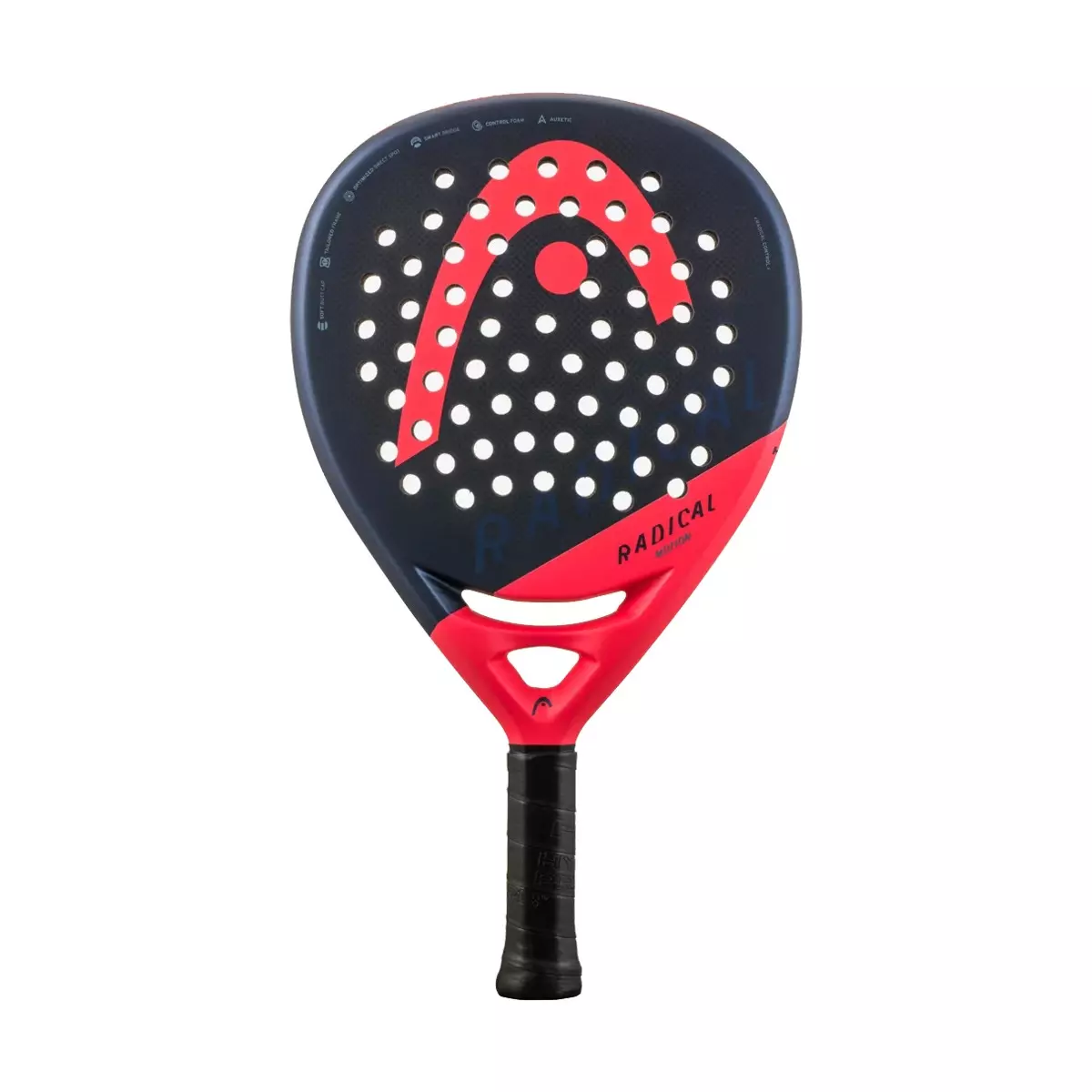
1. HEAD Radical Motion 2024 Padel Racquet

HEAD Radical Motion 2024 Padel Racquet

  • Best For: Intermediate to advanced players who want a precision-oriented racket with control but still enough punch.

  • Why We Like It: Teardrop shape with a 3K carbon surface, plus “Control Foam” core; pretty good sweet spot; technologies such as Auxetic, Smart Bridge, Soft Butt Cap to reduce vibrations and improve feel.

  • Approx Price (India): ~ ₹18,352

  • Pros: Great for control and precision; light enough for fast hands; good build quality; reduced vibration.

  • Cons: Not maximally powerful—smashes won’t be as explosive as diamond head power rackets; heavier than beginner models; needs good technique to make full use.

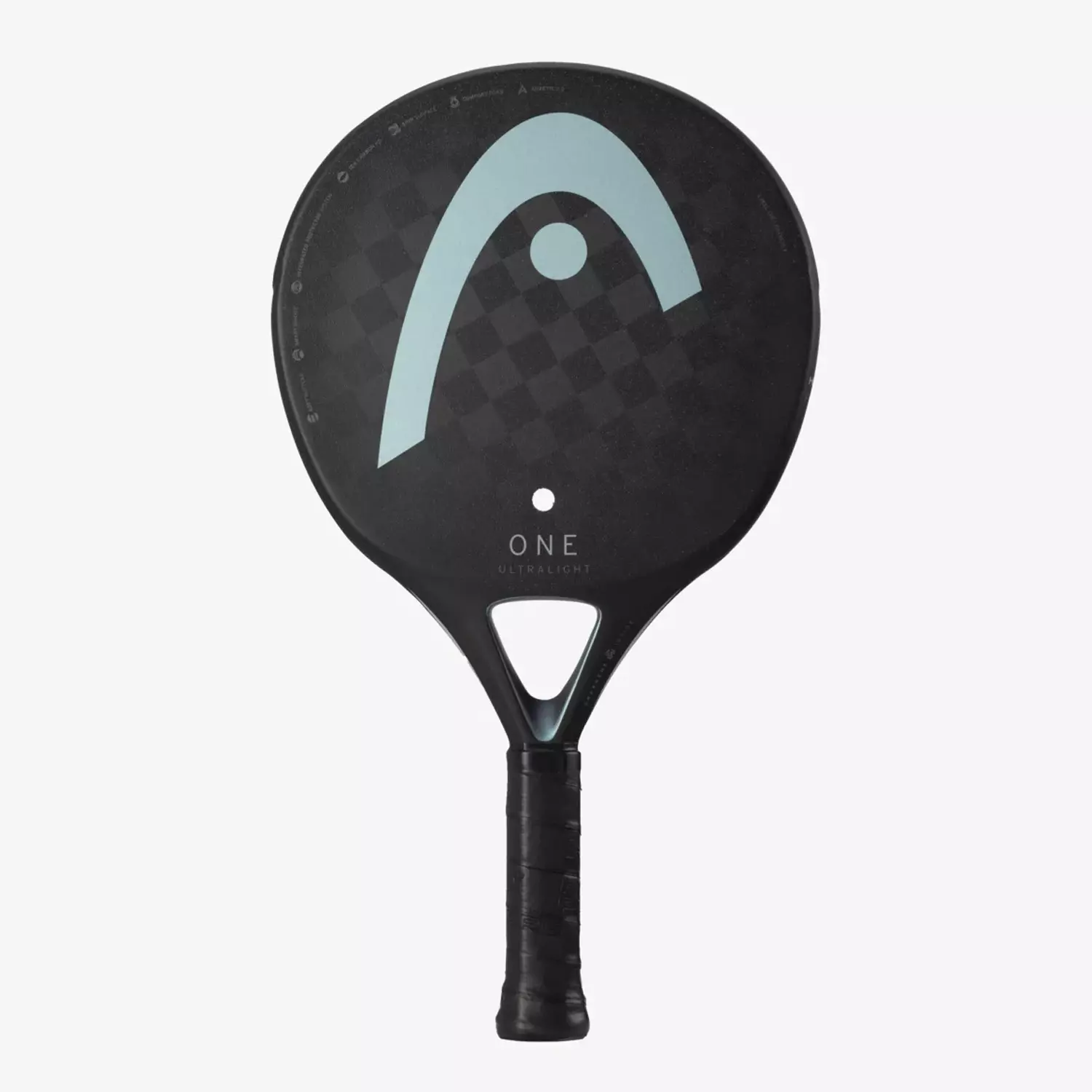
2. HEAD One Ultralight Padel Racquet

  • Best For: Players who want maximum maneuverability, especially those new to padel or with less arm strength.

  • Why We Like It: Claimed to be “the lightest adult padel racket ever made” (about 300 g), it’s extremely easy to swing. The round-shape helps with control. Great for high reaction speed and less fatigue during longer rallies.

  • Approx Price (India): ~ ₹17,543

  • Pros: Lightweight, forgiving, excellent for quick defense or soft touch.

  • Cons: Less power; may need to upgrade if you want more forceful smashes or more weight for stability.

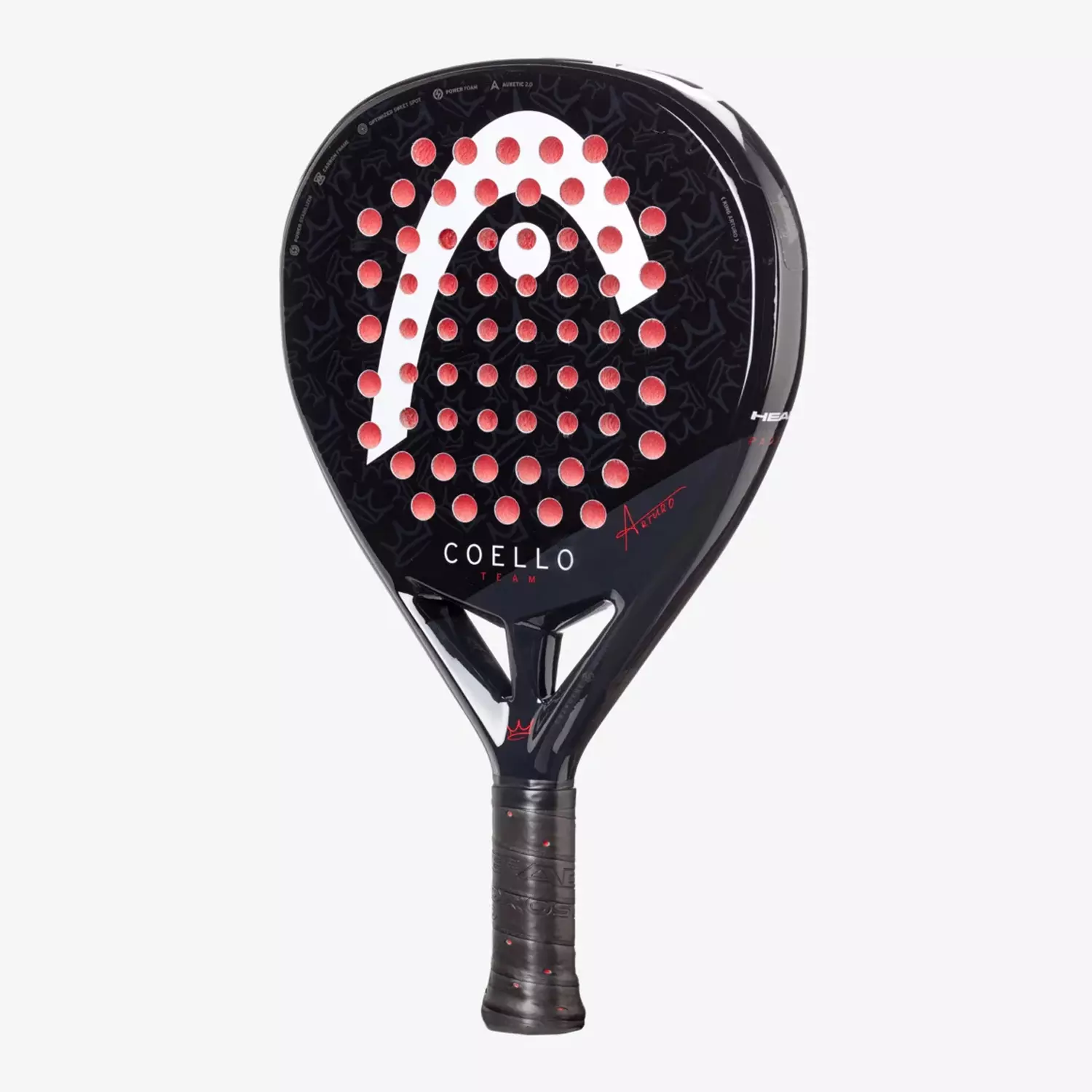
3. HEAD Coello Team 2025 Padel Racquet

  • Best For: Intermediate to advanced players who want a blend of power and comfort.

  • Why We Like It: Diamond-shaped with a high balance point, this racket has good output—helpful for aggressive shots—but also uses fiberglass on the surface for a little more flex and control. Great for players transitioning to higher levels.

  • Approx Price (India): ~ ₹19,492

  • Pros: Strong hitting power; still manageable for those moving up; good build quality.

  • Cons: Learning curve if you’re used to very light rackets; may feel heavy in long sessions; price is in the mid-to-high range.

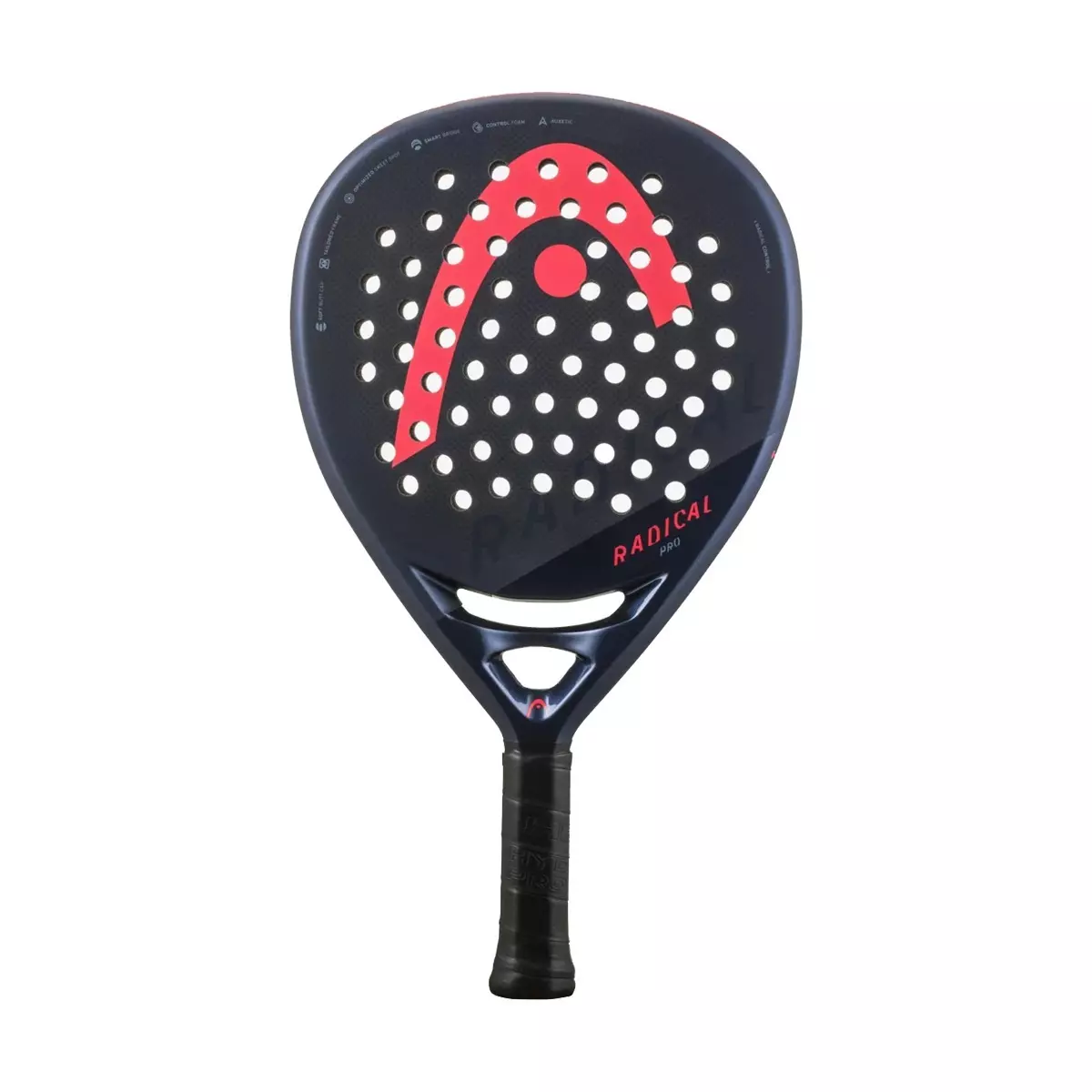
4. HEAD Radical Pro 2024 Padel Racquet

HEAD Radical Pro 2024 Padel Racquet

  • Best For: Advanced players who want precision, control, and the ability to handle fast exchanges.

  • Why We Like It: Teardrop shape (balance between power and control), carbon face (3K) with technologies that reduce vibration (better feel). Ideal for net play, quick volleys, and when you want your racket to respond sharply.

  • Approx Price (India): ~ ₹20,392

  • Pros: Excellent control especially on angled shots; strong tech features; good feedback.

  • Cons: Less forgiving than softer rackets; requires more precise technique; not the cheapest.

5. Nox AT10 Genius Attack 18K 2025 Padel Racquet (Agustin Tapia)

  • Best For: Pro-level players or serious amateurs who want top-tier performance and are willing to invest.

  • Why We Like It: Signature model of Agustín Tapia (“AT10” line), with an 18K carbon face—this gives high stiffness and lots of power. The construction, design, and player endorsement make it a prestige choice.

  • Approx Price (India): ~ ₹30,092

  • Pros: Exceptional power; excellent build quality; performance suited for aggressive and advanced strategies.

  • Cons: Steep price; requires strong technique and fitness; lower forgiveness if you mis-hit.

Playing Style & Strategy – How Padel is Won

Beginners

  • Keep the ball in play.
  • Focus on wall rebounds.
  • Learn the lob—it resets the rally.

Intermediate Players

  • Develop volley skills.
  • Dominate at the net with positioning.
  • Use lobs and angles to pressure opponents.

Advanced Players

  • Smashes with precision.
  • Tactical drop shots near the wall.
  • Anticipation and teamwork at elite levels.

👉 Unlike tennis, padel is not about brute force—it’s chess with a ball.

Skill Progression – From First Game to Pro

  1. Weeks 1–4: Focus on rallies and basic serves.
  2. Months 2–3: Learn wall rebounds, volleys, and teamwork.
  3. Months 4–6: Improve consistency, footwork, and strategy.
  4. Year 1+: Enter local leagues, upgrade your racket, refine style.

Training Tips & Drills

  • Warm-up Drill: Rally without smashing, focus on control.
  • Wall Drill: Hit against the wall 50 times, practice rebounds.
  • Volley Drill: Practice quick volleys with a partner at the net.
  • Lob Drill: Hit 20 consistent lobs to force your opponents back.

👉 Practicing these for 20 minutes before each game will accelerate your progress.

Padel vs Tennis vs Pickleball

Let’s have a closer look at the basic difference between Padel, Tennis and Pickleball.

Feature Padel Tennis Pickleball
Court Size 20 x 10 m 23.7 x 8.2 m 13.4 x 6.1 m
Serve Underhand Overhand Underhand
Walls In play Out of play Out of play
Racket Solid, no strings Strung Solid paddle
Format Always doubles Singles/doubles Singles/doubles
Style Strategy, teamwork Power, speed Control, finesse

Where to Play Padel in India

  • Mumbai: New courts in Bandra and Powai have been constructed.
  • Delhi NCR: Clubs in Gurgaon and Noida offer padel courts.
  • Bangalore: Tech parks are opening various padel arenas.
  • Goa & Pune: Boutique sports clubs introducing many padel courts.

👉 Websites like Playo and Hudle list available padel courts near you.

Where to Buy the Best Padel Gear in 2025

Getting started in padel is exciting, but choosing where to buy your gear is just as important as picking the right racket. With so many online stores, it can be tough to know who really understands the sport.

That’s why we recommend God of Sports — India’s trusted destination for racquet sports.

At God of Sports, you’ll find:

  • Top International Brands – HEAD, Babolat, Adidas, Bullpadel, Nox, and more.

  • Exclusive Indian Access – Imported padel rackets and accessories you won’t easily find elsewhere.

  • Expert Reviews & Guidance – Honest advice to help you choose based on your skill level.

  • Competitive Prices – Seasonal discounts, bundles, and exclusive deals.

  • Fast Shipping Across India – Get your racket, shoes, or balls delivered quickly.

Whether you’re buying your first beginner-friendly round racket or upgrading to a pro-level diamond racket, The God of Sports makes the process simple, reliable, and affordable.

👉 Visit GodOfSports to explore the latest 2025 padel collection and gear up for your next game.

FAQs – Common Questions related to Padel

  1. What’s the difference between padel and tennis?
    Padel is smaller, doubles-only, and uses walls. Tennis relies on power; padel relies on strategy.
  2. How expensive is it to start?
    Beginner rackets in India cost ₹4,000–₹8,000. Court rental varies from ₹500–₹1,000 per hour.
  3. Can I use a tennis racket?
    No. Padel rackets are solid and perforated. Tennis rackets are strung and not suitable.
  4. Do I need special shoes?
    Not at first, but padel shoes improve grip and prevent injury.
  5. Is padel physically demanding?
    Less than tennis. The smaller court and underhand serves make it accessible to all ages.
  6. How long does a racket last?
    6–12 months for regular players, 2+ years for casual players.
  7. Where can I buy rackets in India?
    Trusted retailers like GodOfSports stock global brands with Indian delivery.
  8. Can kids play padel?
    Yes! Padel is beginner-friendly and increasingly popular with children.

Final Thoughts – Your Padel Journey Starts Now

Padel is more than a sport—it’s a lifestyle. A blend of tennis, squash, and strategy, wrapped in a social, fast-paced format.

Whether you’re buying your first round racket, learning how to use the walls, or planning to join a weekend league, padel gives you the thrill of competition without the barrier of years of training.

Remember:

  • Start with a control racket.
  • Learn the lob and wall rebounds.
  • Focus on teamwork—it’s the soul of padel.

Your 2025 starter kit is ready. The only thing missing is you on the court.

So grab a racket, call three friends, and step into the glass box. The world of padel is waiting.

Home
Shop
Wishlist0
Back to Top

Search For Products

Product has been added to your cart
Compare (0)