
Best Sellers!

Shop Filter


Everything You Need to Know About Padel: The Fast-Growing Sport
Padel, often referred to as padel tennis, is rapidly gaining popularity worldwide, offering an exciting alternative to traditional racquet sports. If you’re wondering what is padel, it’s a dynamic sport that combines elements of tennis and squash, played on an enclosed court. Whether you’re a seasoned athlete or a beginner, padel is easy to pick up, yet challenging to master.
What is Padel?
Padel is played with a padel racket and a special type of ball known as padel balls. The game is typically played in doubles, with players on either side of the net. The court is smaller than a traditional tennis court and is enclosed with glass walls, which adds a unique strategic element to the game. The rules of padel are similar to tennis, but with some key differences, especially the use of walls, which allows for exciting rebounds and angles.
Padel Balls: The Essential Gear
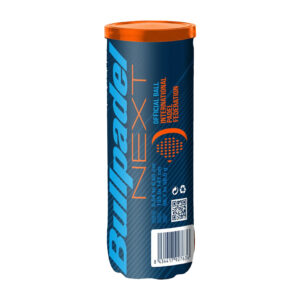
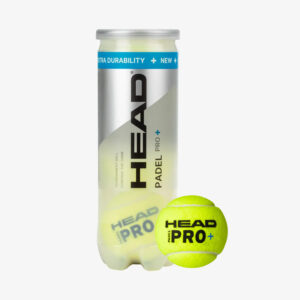
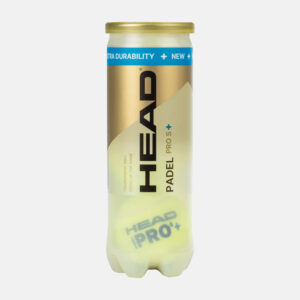
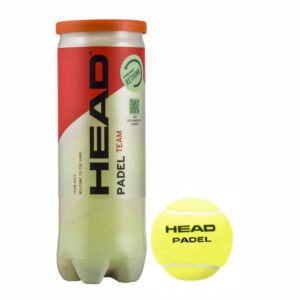
One of the key pieces of equipment in padel is the padel ball. These balls are slightly smaller and less bouncy than regular tennis balls, which helps to adapt the game to the smaller court. The consistency and durability of padel balls make them ideal for this fast-paced sport.
The Padel Racket: A Game-Changer
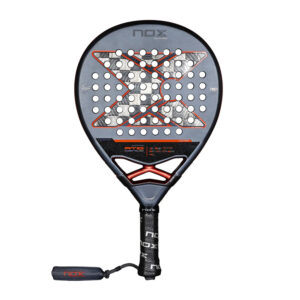
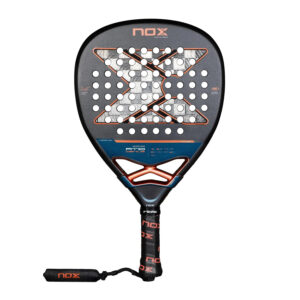
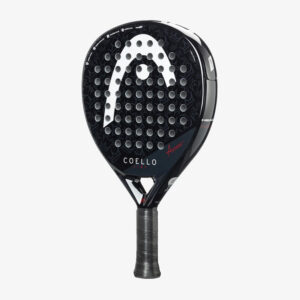
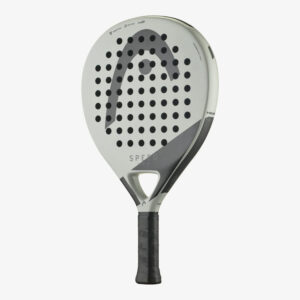
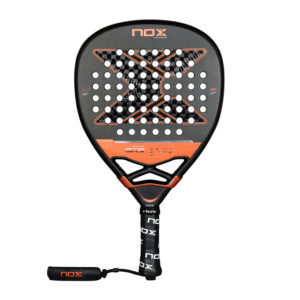
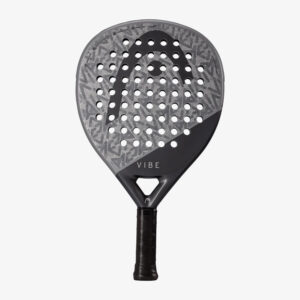
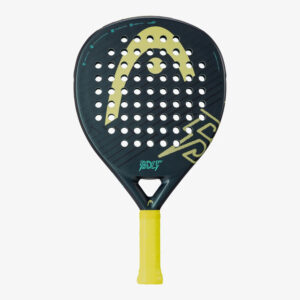
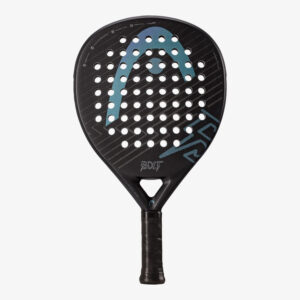
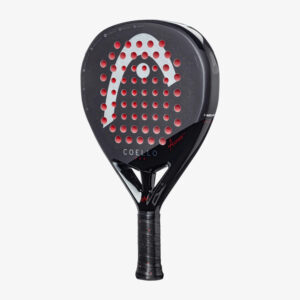
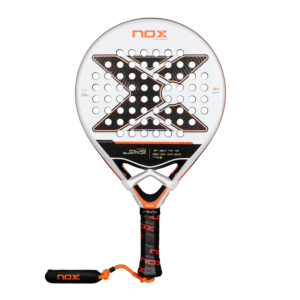
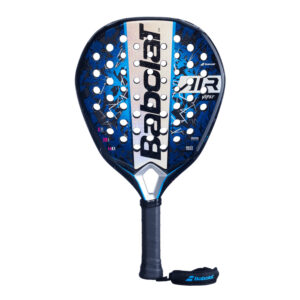
The padel racket is another important piece of equipment. Unlike a traditional tennis racket, a padel racket is solid with no strings, typically made from composite materials like fiberglass or carbon fiber. It is perforated with holes to reduce air resistance and provide greater control. The size and weight of a padel racket make it easy to swing, providing excellent manoeuvrability for players of all skill levels.
Padel vs. Traditional Tennis
While Padel shares some similarities with traditional tennis, there are a few notable differences. The smaller court size and the use of walls make the game more accessible and strategic. In padel tennis, the ball can rebound off the walls, making rallies longer and adding more angles to the game. This gives players of all levels a chance to compete, making Padel a highly social and engaging sport.
Why Choose Padel?
If you’re looking for a sport that’s easy to learn, fun to play, and great for fitness, padel should be on your radar. It’s a sport that people of all ages and abilities can enjoy, and the smaller court makes it more manageable for those who may find traditional tennis courts overwhelming. Whether you’re playing casually or competitively, padel provides a thrilling experience.
Frequently Asked Questions (FAQs) about Padel
1. What is the difference between Padel and Tennis?
Padel is played on a smaller, enclosed court with walls, while tennis is played on a larger open court. The racket in padel is solid and perforated, unlike the stringed racket in tennis. Additionally, padel uses padel balls, which are slightly less bouncy than tennis balls.
2. Do I need a special racket to play Padel?
Yes, you need a padel racket, which is different from a tennis racket. It is solid, lightweight, and perforated to help with control and power.
3. Can Padel be played on any court?
Padel is typically played on a paddle ball court, which is enclosed by glass walls. The court is smaller than a traditional tennis court, making it more manageable and strategic.
4. Is Padel difficult to learn?
No, padel is relatively easy to pick up, even for beginners. The rules are simple, and because the court is smaller, rallies tend to be shorter and more dynamic. The padel racket design also makes it easier to control the ball.
5. What equipment do I need to start playing Padel?
To play padel, you need a padel racket, padel balls, and appropriate sportswear. Most padel courts will provide the balls, but it’s advisable to have your own racket for comfort and performance.