
How to Improve Your Footwork in Badminton

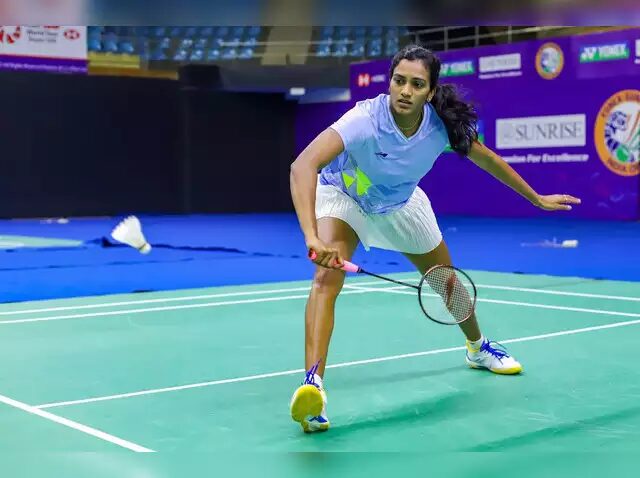
In badminton, agility and speed are just as important as precision and power. The ability to move quickly and efficiently around the court is essential for both offensive and defensive play. Badminton is a fast-paced sport where every second counts, and your footwork can make or break your performance. Good footwork not only allows you to reach the shuttle faster but also helps you maintain balance, control, and optimal positioning to execute your shots effectively.

Take the example of badminton legends like P.V. Sindhu and Lin Dan, who are renowned not just for their powerful smashes and sharp tactics, but also for their impeccable footwork. Sindhu’s agility on the court allows her to reach shuttlecock corners with ease, while Lin Dan, often referred to as the ‘Super Dan,’ demonstrated superior footwork and court coverage throughout his career, contributing significantly to his success in multiple World Championships and Olympic golds. Their flawless footwork has set the bar for aspiring players, showing how much of a difference efficient movement can make to a player’s overall game.

Whether you’re aiming to become a professional or simply improve your recreational play, focusing on your footwork is key. In this article, we’ll explore practical tips and drills to help you improve your footwork and take your badminton skills to the next level.

Tips and drills to improve your footwork in Badminton

1. Understanding the Importance of Footwork

Good footwork is the foundation of effective badminton play. The right footwork not only helps you get to the shuttle quickly, but it also enables you to be in the right position to make the best shot. Badminton requires you to cover the entire court efficiently, whether you’re moving forwards, backwards, or side to side.

Here’s why footwork is crucial:

  • Quick Movement: Efficient footwork ensures that you can reach every corner of the court in the shortest possible time, giving you more opportunities to return the shuttle. 
  • Balance and Control: Proper footwork helps you maintain balance, allowing you to execute shots with more precision and power. 
  • Recovery: After every shot, good footwork ensures that you can quickly return to your base position and prepare for the next rally. 

2. Mastering Basic Footwork Patterns

Familiarizing yourself with the basic footwork patterns is the first step toward improving your game. Here are the key movements every badminton player needs to master:

  • Split Step: A small hop or movement where you jump lightly to prepare for movement in any direction. This helps you stay balanced and ready to move when the shuttle is hit. 
  • Lunge: A deep step forward, typically used for net shots or smashes. It helps you cover the front of the court effectively and reach for low shots. 
  • Chasse Step: A side-to-side sliding motion used for lateral movements across the court. This step is vital for moving along the baseline or during fast exchanges at the net. 
  • Scissor Kick: A jump used for intercepting high shots, especially when the shuttle is at its peak. This helps you cover the back corners of the court and return high serves or smashes. 

3. Drills to Enhance Footwork

Incorporating specific footwork drills into your routine can help build muscle memory and improve your overall speed and agility. Here are some essential drills:

  • Shadow Footwork: Practice moving around the court without a shuttle. Focus on your positioning, movement patterns, and balance. This drill helps you get accustomed to the necessary footwork without distractions. 
  • Pointing Footwork: Have a partner point to different areas of the court (forehand, backhand, front, back) and practice reaching those positions as quickly as possible. This simulates game conditions and improves your reaction time. 
  • Cone Drills: Set up cones or markers on the court and move around them in various patterns. This will help improve your agility and foot placement, making you quicker on your feet during a match. 
  • Four-Corner Drill: This is a basic but effective drill. Set up four corners (front left, front right, back left, and back right) and practice moving from one corner to another as quickly as possible, focusing on smooth and precise footwork.
4. Strengthening Exercises for Better Footwork

Strong legs and a stable core are crucial for good footwork. Incorporate these exercises into your routine to enhance your strength, flexibility, and stamina:

  • Lunges and Squats: These exercises help build strength in your legs and improve your ability to lunge forward or jump quickly. 
  • Calf Raises: Strengthening your calves helps you push off quickly and maintain balance during fast movements. 
  • Core Workouts: A strong core is essential for balance and stability. Incorporate exercises like planks and Russian twists to enhance your stability. 
  • Plyometric Training: Exercises like jump squats and box jumps help you develop explosive power, making your movements faster and more agile. 

5. Flexibility and Mobility

Flexibility is key to improving your footwork. The more flexible you are, the easier it will be to move quickly and reach for shots. Incorporate stretching and mobility exercises into your routine:

  • Dynamic Warm-ups: Perform leg swings, arm circles, and hip rotations to get your muscles warmed up before play. 
  • Static Stretching: After a game or training session, focus on stretching your hamstrings, calves, and hip flexors to increase flexibility and reduce muscle tightness. 
  • Ankle Mobility Drills: Good ankle flexibility helps with quick direction changes. Try ankle circles or toe-tapping exercises to improve ankle mobility. 

6. Consistent Practice and Game Simulation

To truly master footwork, practice is essential. Here’s how you can integrate footwork into your regular training:

  • Daily Drills: Dedicate time each day to practicing footwork drills, even without a shuttle. Consistency is key to developing muscle memory and improving your movement on the court. 
  • Play Practice Matches: Incorporate footwork into your game by playing matches that focus solely on movement. Ask your partner to slow down the pace so you can concentrate on getting your footwork right. 
  • Game Simulation: Try practicing your footwork during actual match situations. Focus on applying the footwork techniques during rallies, and evaluate yourself afterward to see where you can improve. 

7. Seeking Professional Guidance

If you want to fast-track your footwork improvement, consider getting a coach or joining a club:

  • Hire a Coach: A coach can give you personalized feedback and guide you in the right direction with tailored footwork drills. 
  • Join a Badminton Club: Playing with others who have more experience can push you to improve. Plus, you’ll receive valuable tips and insights that can enhance your game. 

Conclusion

Footwork is the cornerstone of success in badminton. It’s not enough to just focus on hitting the shuttle—you need to be quick, agile, and in the right position to execute the perfect shot. By practicing the right techniques, strengthening your body, and being consistent with footwork drills, you can dramatically improve your agility and reaction time on the court. Remember, players like P.V. Sindhu and Lin Dan didn’t just achieve success because of their skills—they mastered footwork, which gave them the ability to control the game. With dedication and focused practice, you can elevate your game and play like a pro.

Badminton in India: Fitness Benefits, Training Tips & Rising Trends in 2025

Badminton has rapidly transformed from a backyard pastime to one of the most popular sports in India, captivating millions of players and fans across the nation. With its easy accessibility, minimal equipment requirements, and fast-paced nature, badminton has become a sport that people of all ages and skill levels can enjoy. The growing success of Indian badminton players on the global stage, such as P.V. Sindhu, Saina Nehwal, and Lakshya Sen, has further fueled the sport’s popularity and inspired a new generation of shuttlers to pick up the racket.

In 2025, badminton is no longer just a recreational activity; it has become a significant part of India’s sporting landscape. With the rise of professional leagues, enhanced training facilities, and a surge in grassroots participation, badminton is seeing unprecedented growth in both urban and rural areas. Moreover, the fitness benefits that come with regular badminton play—ranging from improved cardiovascular health to better agility and mental well-being—make it an ideal sport for anyone looking to stay active and healthy.

Whether you are an aspiring player looking to compete at higher levels or simply someone seeking a fun, effective way to stay fit, badminton offers something for everyone. This article explores the fitness benefits of playing badminton, provides training tips for beginners, and highlights the rising trends in Indian badminton as the sport continues to gain momentum in 2025.

Fitness Benefits of Playing Badminton

Engaging in badminton offers a comprehensive workout that benefits both the body and mind.

Cardiovascular Health: The fast-paced nature of badminton elevates heart rate, enhancing cardiovascular endurance and promoting heart health. Playing regularly improves overall cardiovascular fitness, which is key to preventing heart disease.

Muscle Strength and Endurance: Regular play strengthens muscles, particularly in the legs, arms, and core, improving overall muscle tone and endurance. The constant movements—such as lunges, sprints, and jumps—require the use of multiple muscle groups, contributing to increased muscle strength and endurance.

Weight Management: An hour of intense badminton can burn approximately 400–500 calories, making it an effective exercise for weight loss and management. For those looking to lose weight or maintain a healthy weight, badminton serves as an enjoyable and efficient way to burn calories.

Mental Well-being: The sport’s dynamic play reduces stress, anxiety, and depression, promoting mental clarity and focus. Physical activity in general is known to release endorphins (the “feel-good” hormones), and badminton is no exception. It can be a great way to unwind after a long day.

Agility and Reflexes: Quick movements and reflexes are essential in badminton. The sport enhances coordination and reaction times, which can be beneficial for overall athletic performance. It helps players become more agile and responsive to fast changes in direction.

According to badminton players and coaches, playing badminton is a full-body workout that improves cardiovascular health, strength, endurance, and mobility.

Training Tips for Beginners

Starting with the right approach ensures steady progress and reduces the risk of injury. Here are some useful tips for beginners:

Warm-Up and Cool Down: Always begin with a 10-minute warm-up to prepare muscles and end with a cool-down to aid recovery. Warming up prevents muscle strain and injuries, while cooling down helps in reducing muscle soreness after play.

Footwork Drills: Mastering footwork is crucial for covering the badminton court efficiently. Practice lateral movements, quick steps, and positioning to improve court coverage. Focus on smooth, controlled movements.

Grip Techniques: Learn the basic grips—forehand, backhand, and panhandle—to handle various shots effectively. Proper grip helps in improving shot accuracy and power.

Shadow Play: Without a shuttle, practice movements and strokes to build muscle memory and coordination. Shadow play improves your technique and ensures that your body movement is in sync with your strokes.

Consistency Over Power: Focus on consistent shot placement and control rather than sheer power. Accuracy is often more important than hitting hard when you’re starting out.

Stay Hydrated and Rested: Proper hydration and rest are vital for optimal performance and recovery. Make sure to drink water regularly, especially during breaks.

Rising Trends in Indian Badminton (2025)

The landscape of badminton in India is rapidly evolving, influenced by technological advancements, infrastructural developments, and a surge in grassroots participation. Let’s take a look at the key trends driving the sport in 2025:

Technological Integration: Innovations like the Badminton Stroke-type Transformer (BST) are revolutionizing training methods by analyzing player movements and shot types using AI. This helps players track their progress and fine-tune their technique more efficiently.

Increased Participation: Events like the Khelo India Youth Games 2025 have seen a significant rise in participants, indicating a growing interest among the youth. Grassroots programs are encouraging more young people to take up badminton as a career option, and the overall number of players is steadily increasing across all age groups.

Infrastructure Development: Cities across India are investing in state-of-the-art badminton facilities, making the sport more accessible to the masses. Dedicated badminton courts are being built in urban areas, while rural regions are seeing mobile courts introduced to reach players who don’t have easy access to proper facilities.

Professional Leagues: The success of leagues like the Syed Modi International Badminton Championships has spurred interest in professional badminton, providing a platform for emerging talents. The Premier Badminton League (PBL) continues to grow, creating more opportunities for professional players and increasing the sport’s popularity.

Corporate Wellness Initiatives: Companies are incorporating badminton into their wellness programs, recognizing its benefits in promoting employee health and teamwork. Many offices and co-working spaces now have badminton courts as part of their facilities to encourage physical activity during breaks.

Conclusion

Badminton in India is more than just a sport; it is a movement that has captured the nation’s imagination. With its numerous health benefits, accessible training methods, and the rise of professional opportunities, badminton offers a holistic approach to fitness and well-being. The sport’s exponential growth, combined with the increasing number of facilities, leagues, and grassroots programs, positions India as a global leader in badminton in the coming years. As we progress through 2025, the sport’s influence continues to grow, inspiring individuals across the nation to pick up a racket and embrace a healthier lifestyle.

The Evolution of Indian Badminton: From Padukone to Sindhu

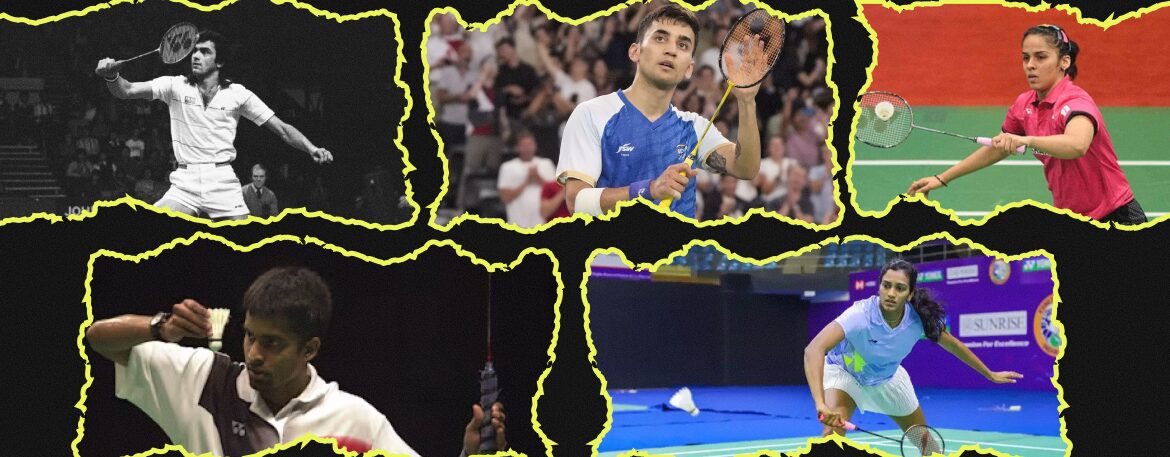
Badminton in India has experienced a remarkable transformation over the past several decades, evolving from a niche sport to a powerhouse on the global stage. This transformation is largely due to the dedication, vision, and extraordinary achievements of a handful of iconic players who have redefined the sport’s place in the country. From the trailblazing Prakash Padukone, who first put India on the global badminton map, to the dynamic P.V. Sindhu, who has become a global sensation with her Olympic triumphs, Indian badminton has witnessed an inspiring journey of growth and success.

Today, India stands proudly as one of the leading forces in world badminton, thanks to the pioneers and modern-day champions who have elevated the sport to new heights.

Prakash Padukone: The Pioneer

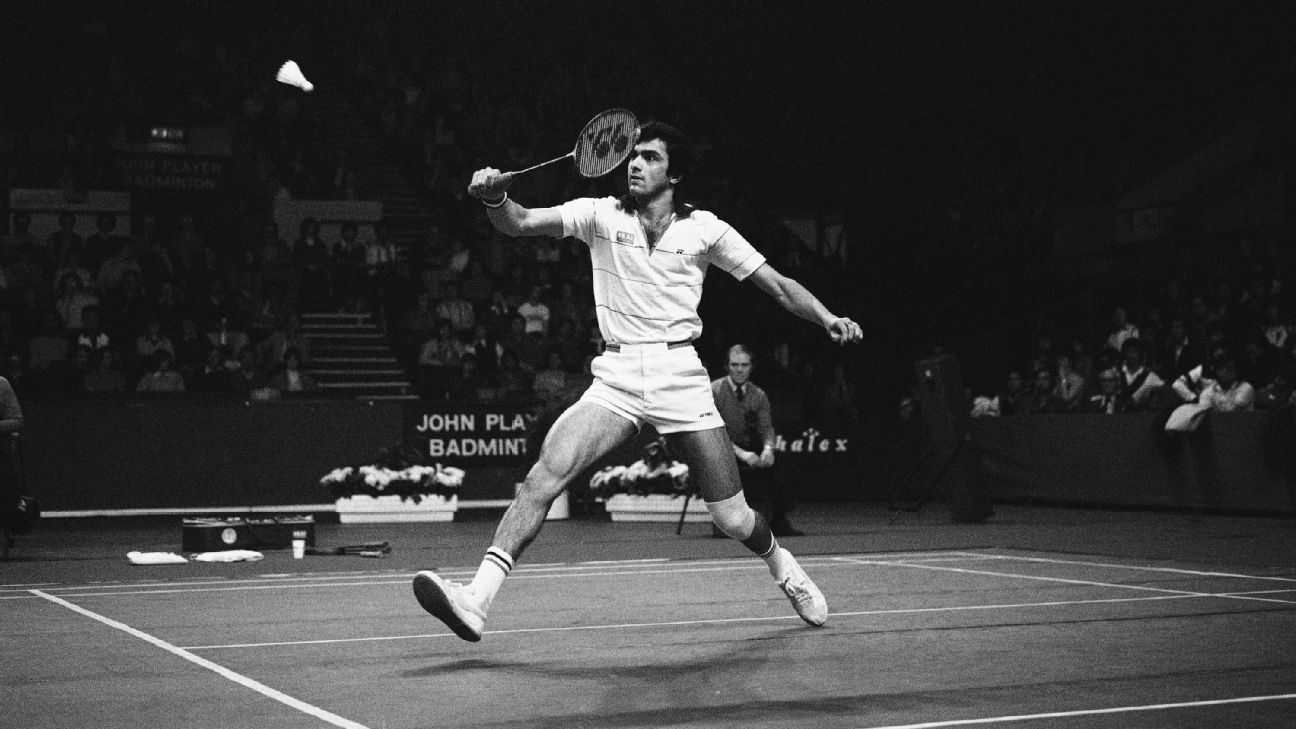
Born in 1955 in Bengaluru, Prakash Padukone was the first Indian to achieve global recognition in badminton. His crowning achievement came in 1980 when he became the first Indian to win the prestigious All England Open Badminton Championships. This victory not only elevated his status but also brought international attention to Indian badminton.

Padukone’s influence extended beyond his playing days. He co-founded the Olympic Gold Quest, an initiative aimed at promoting Olympic sports in India. His legacy continues to inspire budding shuttlers, and his contributions to the sport have been recognized with numerous awards, including the Padma Shri in 1982.

Pullela Gopichand: The Torchbearer


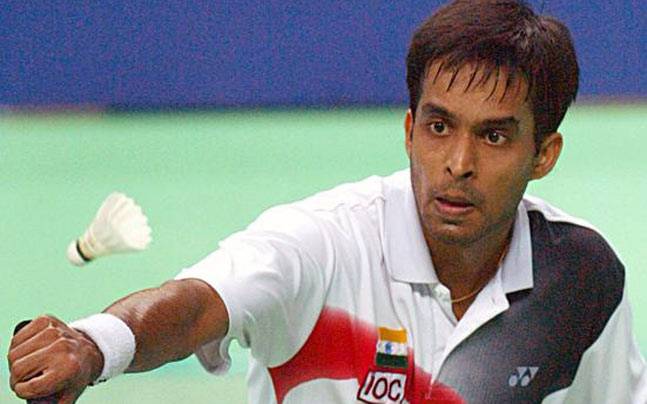
Following in Padukone’s footsteps, Pullela Gopichand emerged as a formidable force in Indian badminton. In 2001, he became the second Indian after Padukone to win the All England Open Badminton Championships. His victory was a testament to his skill and determination, and it reignited interest in the sport.

Transitioning from player to coach, Gopichand established the Gopichand Badminton Academy in Hyderabad. This academy has produced several top-tier players, including Saina Nehwal and P.V. Sindhu. Under his mentorship, these athletes have achieved significant success on the international stage, further solidifying India’s presence in global badminton.

Saina Nehwal: Breaking Barriers

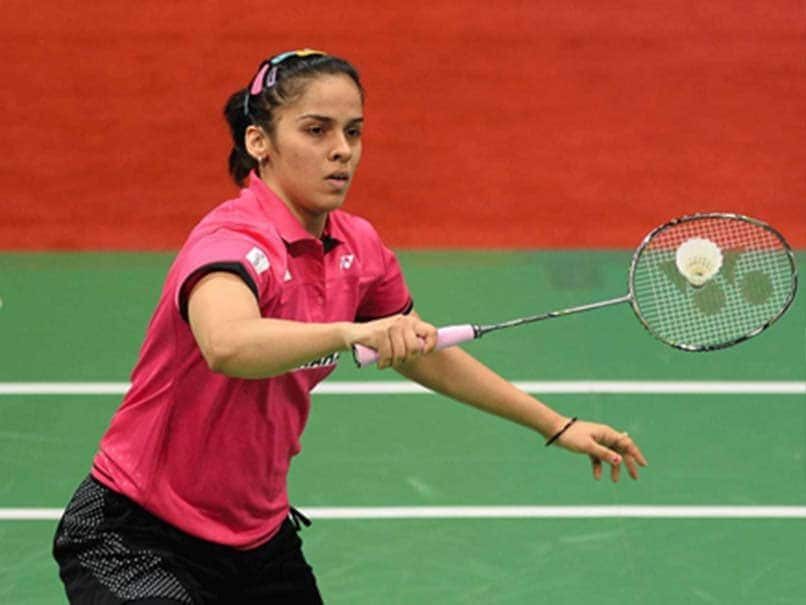
Saina Nehwal’s entry into the international badminton scene marked a new era for Indian badminton. Born in 1990 in Hisar, Haryana, Nehwal’s dedication and hard work led her to become the first Indian woman to win an Olympic medal in badminton, securing a bronze at the 2012 London Olympics.

Her achievements include winning 24 international titles, including ten Superseries titles, and becoming the first Indian woman to be ranked World No. 1 in 2015. Nehwal’s success has inspired countless young athletes and has played a pivotal role in popularizing badminton across the nation.

P.V. Sindhu: The Global Icon

P.V. Sindhu has taken Indian badminton to unprecedented heights. Born in 1995 in Hyderabad, Sindhu’s meteoric rise in the sport has been nothing short of extraordinary. She became the first Indian woman to win two Olympic medals—silver in 2016 and bronze in 2020—and the first Indian to win the BWF World Championships in 2019.

Under the guidance of Pullela Gopichand, Sindhu has consistently delivered stellar performances on the world stage. Her achievements have not only brought her individual acclaim but have also elevated India’s status in the global badminton arena.

Lakshya Sen: A New Generation of Badminton Excellence

In recent years, Lakshya Sen has emerged as one of the most promising young talents in Indian badminton. Born in 2001 in Almora, Uttarakhand, Sen has quickly made a name for himself on the international circuit. His breakthrough moment came when he won the 2021 All England Open Badminton Championships men’s singles title, becoming the youngest Indian to achieve this feat. His remarkable consistency and ability to compete at the highest level have made him one of the most exciting prospects for the future of Indian badminton.

Lakshya Sen’s impressive performances at the 2021 World Championships, where he clinched the bronze medal, further solidified his status as one of India’s brightest badminton stars. Trained under the guidance of Pullela Gopichand, Sen’s rapid rise is a testament to the strong foundation of Indian badminton, with both his mental toughness and skillset growing at an exceptional pace.

With players like Lakshya Sen, India continues to build on its badminton legacy. His performances inspire a new generation of shuttlers, and his success on the world stage signals a bright future for Indian badminton, continuing the journey laid by the pioneers like Padukone, Gopichand, Nehwal, and Sindhu.

Want to know the diet and regimen of the 2024 Paris Olympics semi-finalist? Check out our comprehensive article here

The Road Ahead

The evolution of Indian badminton is a testament to the vision and perseverance of its pioneers. From Prakash Padukone’s groundbreaking achievements to P.V. Sindhu’s global successes, the sport has witnessed a remarkable transformation. With the continued support of institutions like the Gopichand Badminton Academy and the emergence of new talent, the future of Indian badminton looks promising. As the sport continues to evolve, it holds the potential to inspire and achieve even greater heights on the international stage.

Badminton Rules Simplified: A Beginner’s Guide [2025]

Badminton is one of the fastest racket sports in the world, combining agility, precision, and strategy. Whether you’re playing in your neighborhood court, joining a school competition, or following stars like PV Sindhu, Viktor Axelsen, or Tai Tzu-Ying, understanding the official badminton rules is the first step to enjoying the game.

The problem? The BWF (Badminton World Federation) rulebook can feel overwhelming for beginners. That’s why we’ve created this simplified badminton rules guide for 2025 — breaking down everything you need to know, from scoring and service to faults and court dimensions, in a clear, easy-to-follow way.

1. The Badminton Court & Equipment

Court Layout

  • The court is rectangular, divided by a net in the middle. 
  • Singles court dimensions: 13.4 m (length) × 5.18 m (width). 
  • Doubles court dimensions: 13.4 m (length) × 6.1 m (width). 
  • Service areas are marked with short service lines and center lines. 

Net

  • The net stands at 1.55 m at the edges and slightly lower in the center (1.524 m). 

Equipment

  • Racket: Lightweight, usually 80–95 g. 
  • Shuttlecock: Can be feather (used in pro tournaments) or synthetic (durable for practice).

2. Starting the Match

  • A toss decides who serves first or which side of the court to play from. 
  • Players switch sides after the first game and during the third game (if played) when the leading score reaches 11 points.

3. Scoring System (2025 Rules)

  • Matches are played best of 3 games. 
  • Each game is to 21 points. 
  • Rally Point System: Every rally counts — whoever wins the rally, scores a point, regardless of who served. 
  • If the score is 20–20, a player/pair must win by 2 clear points (e.g., 22–20, 23–21). 
  • At 29–29, the next point decides the game (sudden death to 30).

4. Serving Rules

General Rules

  • The server must hit the shuttle below the waist. 
  • The racket head must be pointing downwards during service. 
  • The shuttle must travel diagonally into the opponent’s service box. 

Singles Service

  • When the server’s score is even, serve from the right side. 
  • When the server’s score is odd, serve from the left side. 

Doubles Service

  • Each side has only one service turn. 
  • Service rotates between partners after they win a point. 
  • Players alternate between left and right service courts depending on the score.

5. Faults in Badminton

A fault means the rally ends, and the opponent scores a point. Common faults include:

  1. The shuttle lands outside court boundaries. 
  2. The shuttle passes under the net or gets stuck in the net. 
  3. The shuttle is hit twice before crossing the net. 
  4. A player touches the net with racket, body, or clothing. 
  5. The shuttle is hit above the waist during service. 
  6. Player invades opponent’s court (over the net or under it) before the shuttle crosses.

6. Lets (Replay Points)

A rally is replayed when:

  • The shuttle gets stuck on the net after service. 
  • Both players commit a fault at the same time. 
  • The umpire can’t make a fair decision due to disturbance.

7. Change of Ends

  • After each game, players switch sides. 
  • In the deciding third game, players change ends once the leading score reaches 11 points.

8. Key Rules for Doubles (Simplified)

  • Each side gets one service turn only. 
  • Service alternates between left and right courts depending on the score. 
  • Once a rally begins, players can move freely around their side. 
  • Communication between partners (e.g., calling “mine!”) is allowed and encouraged.

9. Badminton Etiquette & Spirit of Play

  • Shake hands before and after the match. 
  • Call your own line faults honestly if playing recreationally. 
  • Do not delay rallies unnecessarily (e.g., stalling, time-wasting). 
  • Respect opponents and officials — badminton is known as a “gentleman’s (and gentlewoman’s) sport.”

10. Quick Badminton Tips for Beginners

  • Learn footwork early — good movement wins rallies more than raw power. 
  • Master the grip: basic forehand and backhand grips are the foundation. 
  • Serve low in doubles, high/clear in singles. 
  • Practice consistency: keep the shuttle in play — errors lose more points than winners win. 
  • Invest in a proper racket and shoes — they protect your wrist, ankles, and improve performance.

Conclusion

By now, you should have a solid understanding of the simplified badminton rules for 2025. From how the scoring system works to what counts as a fault, these basics will help you step onto the court with confidence.

Remember, rules are the backbone of the game — but what makes badminton truly exciting is the speed, tactics, and thrill of every rally. Pick up a racket, grab a shuttle, and try it out. And if you’re looking for the best badminton rackets, shoes, and gear in India, check out God of Sports — your trusted destination for pickleball, padel, badminton, tennis, and squash gear.

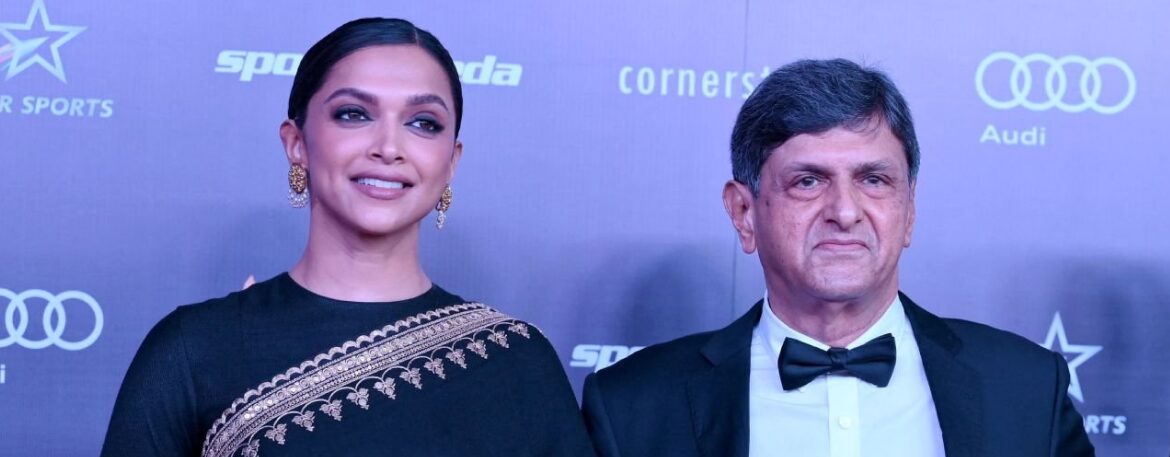
Deepika Padukone celebrates her father’s 70th birthday; plans to expand the Padukone School of Badminton to more cities

Amid the controversy surrounding her upcoming movie “Spirit”, Bollywood star Deepika Padukone has announced the expansion of “Padukone School of Badminton”. The Om Shanti Om star made the announcement to celebrate her father, legendary badminton player Prakash Padukone’s 70th birthday.

Padukone School of Badminton is expanding to 75 centres a year, targeting 250 centres by 2027 to champion the cause of ‘badminton for all’. The Badminton School has already established over 75 grassroots coaching centres across 18 Indian cities – including Bengaluru, NCR, Mumbai, Chennai, Jaipur, Pune, Nashik, Mysuru, Panipat, Dehradun, Udaipur, Coimbatore, Sangli, and Surat – within its first year of operations.

Announcing the news on Instagram, Deepika wrote,” As someone who grew up playing badminton, I’ve experienced firsthand how much this sport can shape one’s life – physically, mentally, and emotionally. Through Padukone School of Badminton(PSB), we hope to bring the joy and discipline of Badminton to people from all walks of life, and build a generation that is healthier, more focused, and inspired by sport”.


Prakash Padukone, Padma Shri awardee & PSB’s Mentor & Advisor, added, “Sport is an integral part of growing up – it instils discipline, resilience, and a winning mindset that extends well beyond the court. With PSB, our goal is to make quality coaching accessible and affordable, nurture talent from the grassroots, and set a strong foundation for the future of Indian badminton.”

Padukone School of Badminton, aka PSB, partners with schools, institutions and existing venues to set up grassroots academies that feed into its flagship Training Program at the 3 High-Performance Centres of Excellence in Bengaluru. With over 100 coaches trained under a structured certification program and access to cutting-edge facilities, PSB’s coaching system ensures consistency, quality, and the ability to identify and nurture future champions.

On the work front, Deepika Padukone will be next seen in Atlee’s latest venture, headlined by Allu Arjun, tentatively titled AA22xA6. Besides this pan-India film, Deepika will feature in the second part of Prabhas’ starrer Kalki 2898 AD, Shah Rukh Khan’s mega-ensemble King and YRF’s Tiger vs Pathaan. 

We, as the team at God of Sports, appreciate this initiative and strongly align with the thought leadership and goals we strive for—not just as equipment sellers, but as a bridge between players and the game.

why have prices of badminton feather shuttlecock increased in india

The reason behind sudden increase in Price of Badminton Feather Shuttlecocks

It’s the sport loved by millions across the globe, from casual enthusiasts to professional athletes—badminton. But a crisis has slowly unfolded behind the scenes, one that has taken many by surprise: the shortage of shuttlecocks. This shortage isn’t just a small inconvenience; it’s impacting players and manufacturers in ways many couldn’t have anticipated.

As a person who is actively in the market and trying to understand the economics of it, I started doing my research and the answer was so funny that I thought its fake but then i researched more only to find that it was true. As we know China is the World’s Largest Manufacturer for Badminton Shuttlecocks. But there is something which has led to sudden shortage of supply of Duck and Goose Feathers which means the prices have also increased rapidly.

A Disruption That Started in China

In China, the world’s largest manufacturer of badminton shuttlecocks, the ripple effect began. Shuttlecock suppliers started warning customers of rising prices and reduced stock. At first, it was seen as a temporary issue, perhaps a minor glitch in the supply chain. However, as the weeks went by, the problem became increasingly apparent. Badminton clubs, players, and training centers began to feel the impact.

The cause? A shortage of duck and goose feathers, which are traditionally used to make high-quality shuttlecocks. But how did something as simple as feathers lead to a global shortage?

The Shift to Pig Farming

It all starts in the poultry industry. For years, farmers relied on ducks and geese to supply feathers for shuttlecocks. But the landscape began to shift when farmers realized that pigs offered a much more lucrative option. Driven by rising pork demand, especially in China, pigs became the more profitable choice. Unlike ducks and geese, which take longer to grow and require more space, pigs provide a quicker return and higher margins.

This shift led to fewer ducks and geese being raised, resulting in fewer feathers available for shuttlecock production. And as badminton continued to rise in popularity, especially in countries like China and India, the supply of feathers became insufficient to meet the demand.

The Impact on Shuttlecock Prices

As feathers became harder to find, manufacturers had no choice but to raise prices. The cost of a tube of shuttlecocks increased by over 40% in some regions. For recreational players, this was a huge blow. Clubs and schools that depended on affordable shuttlecocks for training were left scrambling, trying to make their supplies last longer or turning to more affordable alternatives.

But it wasn’t just the prices that were affected. With fewer shuttlecocks available, players found themselves waiting weeks for new shipments. Some even found that the shuttlecocks they had relied on for years were simply unavailable.

Turning to Synthetic Alternatives

As the prices of feathered shuttlecocks soared, players and clubs started looking for solutions. Many turned to synthetic shuttlecocks, made from materials like nylon. These shuttlecocks were more affordable and durable, but they didn’t offer the same performance as feathered shuttlecocks. The flight path and feel were noticeably different, making them less ideal for competitive play. But for training purposes, they were a necessary compromise.

What’s Next for Badminton?

The shortage of badminton shuttlecocks isn’t just an isolated issue. It’s a reflection of how interconnected the global supply chain is, where changes in one industry—such as the shift from duck farming to pig farming—can have a ripple effect across an entire sport. Manufacturers are now exploring new ways to source feathers sustainably, and some are even looking into alternative materials to create better shuttlecocks.

For now, badminton enthusiasts around the world have to adapt. Some are finding ways to stretch their shuttlecock supplies, while others are embracing synthetic options for training. Despite the challenges, badminton’s popularity continues to grow, and the sport remains one of the most exciting and accessible activities worldwide.

Conclusion: A Lesson in Global Impact

This shortage serves as a reminder of the global impact that seemingly small shifts in industry can have. The badminton community is facing a period of adaptation, but it also provides an opportunity for innovation and creativity within the sport. Whether it’s through new materials or changes in how we approach the sport’s equipment, one thing is certain: badminton will continue to evolve, even in the face of unexpected challenges.

Home
Shop
Wishlist0
Back to Top

Search For Products

Product has been added to your cart
Compare (0)