
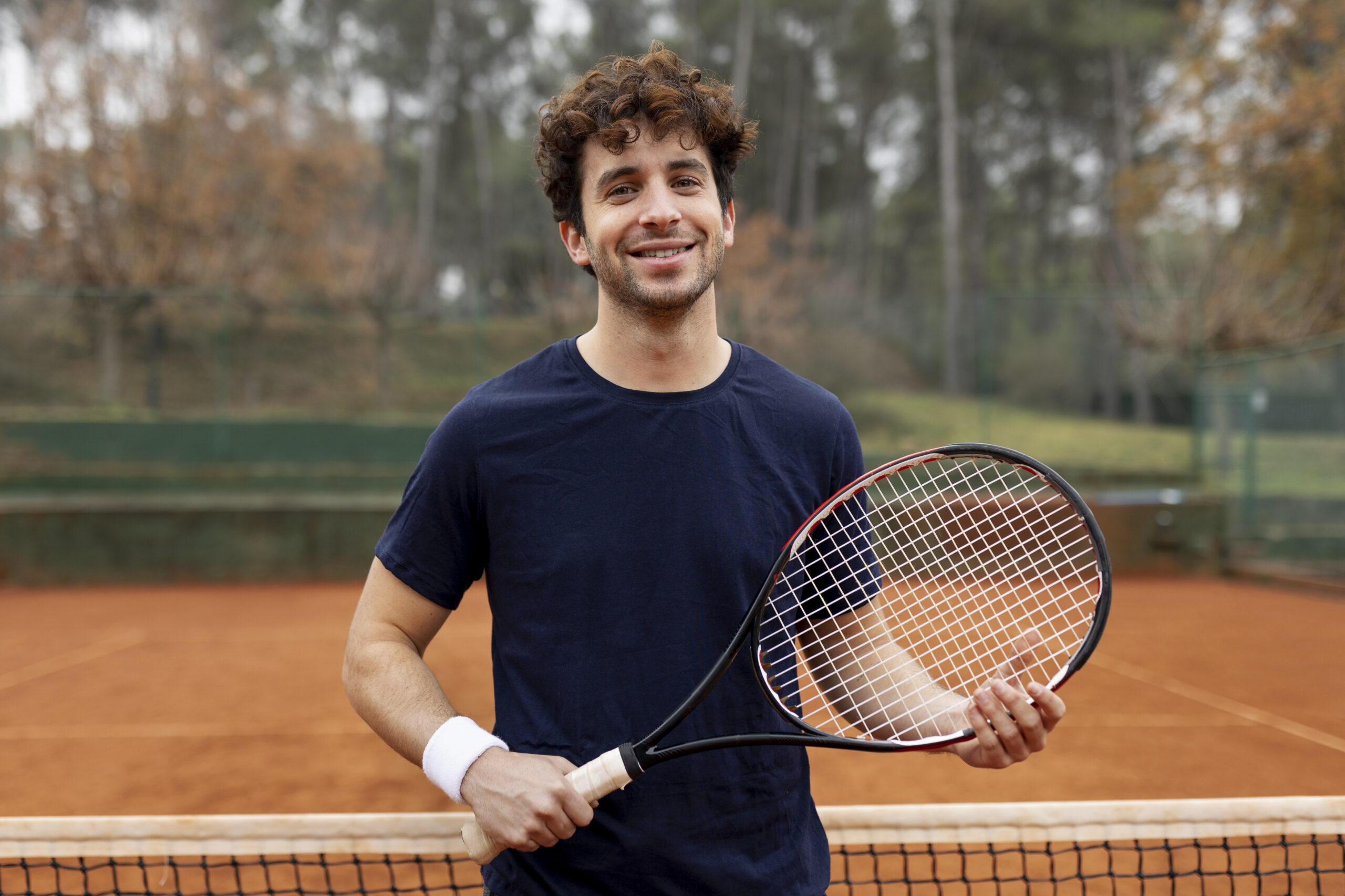
Tennis is a game of precision, agility, and mental toughness. Whether you’re a beginner just picking up a racket or an experienced player aiming to take your game to the next level, one thing remains true—consistent practice is key to success. But practicing without purpose can lead to stagnation, which is why tennis drills are essential.
In 2025, the focus isn’t just on hitting the ball back and forth; it’s about refining every aspect of your game—your footwork, your swing, your stamina, and your ability to adapt to any situation on the court. Drills are the building blocks that help you master each of these elements.
Imagine this: You’re in the middle of a match, and the rally has been going on for several minutes. Your opponent sends a powerful cross-court shot your way, and you need to be quick and precise to return it. What gets you through this moment isn’t just luck, it’s the hours of practice you’ve put in, developing the skills you need to execute that shot.
In this guide, we’ve compiled 10 essential tennis drills that every player should know, whether you’re looking to improve your serve, footwork, control, or stamina. These drills will help you build the muscle memory, consistency, and mental fortitude you need to succeed on the court. Let’s dive into the drills that will take your tennis game to new heights.
1. Shadow Swing Drill: Perfecting Your Technique
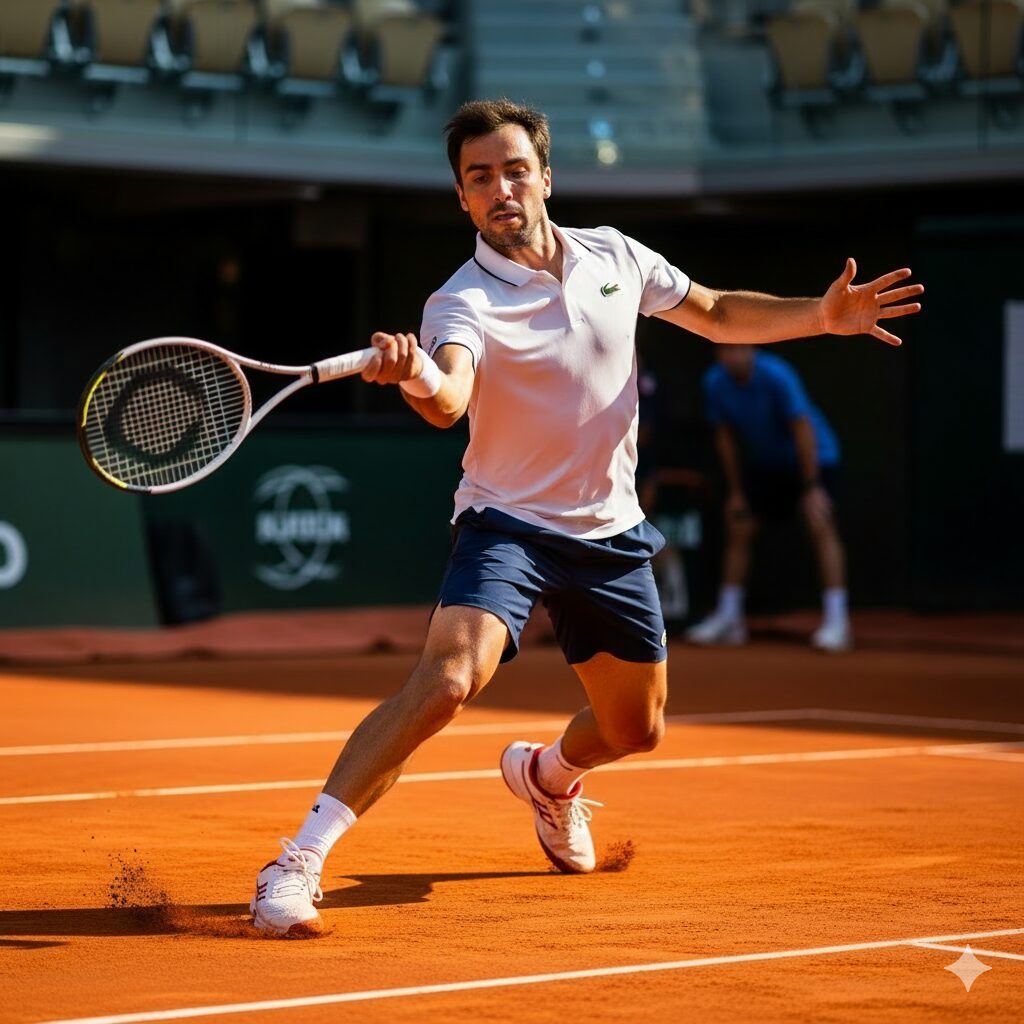
Goal: Improve form and fluidity of strokes.
Equipment: None (just your racket and open space).
How to do it:
- Stand in front of a mirror or an open space.
- Perform your forehand and backhand swings without hitting a ball, focusing entirely on your form and follow-through.
- Try to simulate the real swing, paying attention to your grip, body rotation, and footwork.
- Perform 10–15 repetitions of each stroke.
Why it helps:
The Shadow Swing Drill is perfect for beginners or intermediate players working on the fundamentals of stroke technique. It helps reinforce proper form and body alignment, which is essential for developing consistency in your shots.
2. The Mini Tennis Drill: Focus on Control and Placement
Goal: Improve ball control and accuracy.
Equipment: Tennis court and tennis balls.
How to do it:
- Start by hitting the ball with your partner while standing at the service line (about halfway across the court).
- Focus on placing the ball in different areas of your opponent’s half (forehand side, backhand side, deep, or short).
- Use soft, controlled swings and aim for accuracy rather than power.
- Gradually move further back as your control improves.
Why it helps:
This drill is excellent for beginners and intermediate players to develop control and placement of shots. It’s also great for improving your ability to place the ball effectively without the pressure of hitting hard.
3. The Serve and Return Drill: Mastering the Foundation
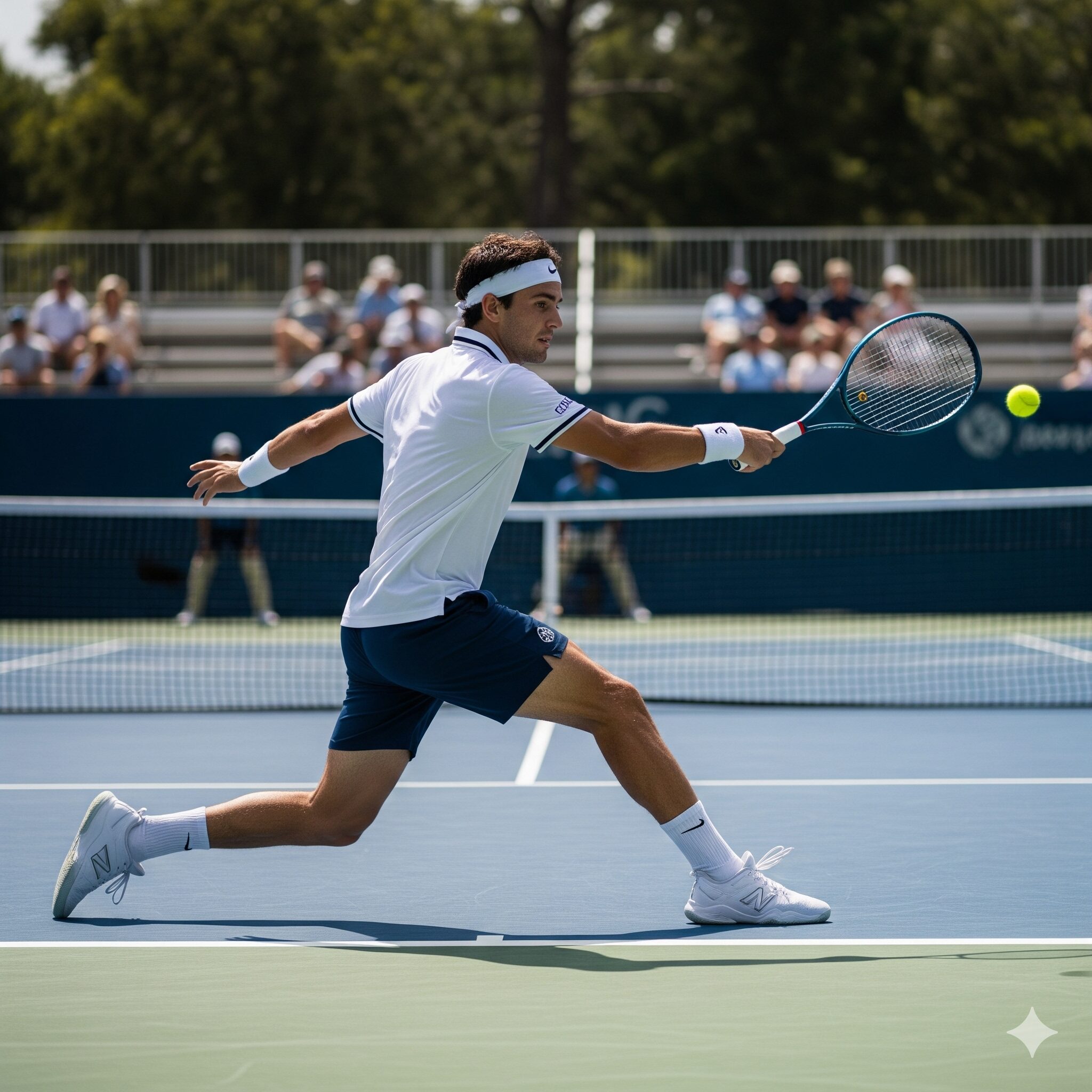
Goal: Improve serving and returning skills.
Equipment: Tennis balls and a partner.
How to do it:
- Partner up with someone, with one player serving and the other focusing on returning the serve.
- Practice serving from different spots on the service box (wide, body, and down the T).
- After serving, move forward and practice returning the ball with good technique.
- Switch roles after a set number of serves (5–10 serves each).
Why it helps:
The serve and return are the foundation of a tennis match, so practicing these aspects will immediately impact your overall performance. This drill helps you work on both the accuracy of your serve and the consistency of your return.
4. The Cross-Court Drill: Developing Consistency and Footwork
Goal: Improve consistency and footwork.
Equipment: Tennis balls, racket, and a partner.
How to do it:
- Stand on opposite sides of the baseline with a partner.
- Begin rallying by hitting forehands or backhands cross-court (diagonally to your opponent’s side).
- Focus on keeping the ball inside the lines and using controlled strokes.
- After 10–15 shots, switch sides or move to a different drill.
Why it helps:
Cross-court drills are great for working on consistency. By hitting the ball diagonally, you’re covering a larger portion of the court, which simulates match situations. The drill also helps improve footwork, as players need to adjust their position and balance quickly.
5. The Volley Drill: Enhancing Net Play
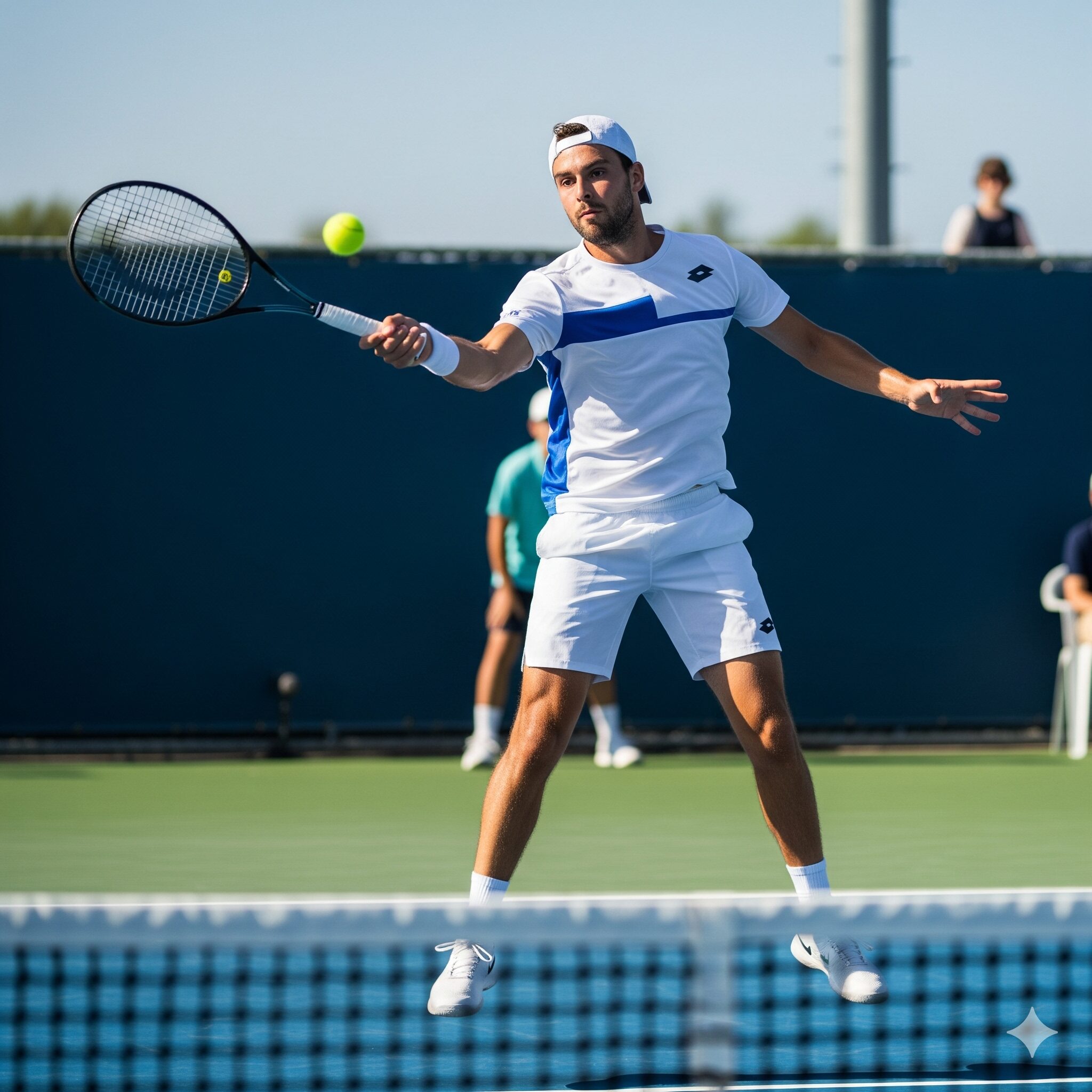
Goal: Improve volley technique and reflexes.
Equipment: Tennis balls and a partner.
How to do it:
- Stand near the net and have your partner feed balls to you from the baseline or service line.
- Focus on making clean volleys with minimal backswing.
- Work on both forehand and backhand volleys, emphasizing quick reflexes and proper racquet position.
- Switch places with your partner after a set number of volleys (5–10 shots).
Why it helps:
Volleys are crucial for aggressive net play, and this drill enhances your ability to intercept and return balls quickly. It also helps you develop confidence in your reflexes and ability to control shots at the net.
6. The Agility Ladder Drill: Building Speed and Coordination
Goal: Improve footwork, speed, and coordination.
Equipment: Agility ladder (or chalk markers for DIY).
How to do it:
- Set up an agility ladder on the ground (or use markers to create a ladder pattern).
- Start by stepping in and out of each square as quickly as possible, focusing on light and quick steps.
- Gradually increase the speed as you get more comfortable.
- Perform variations such as lateral movements and high knees for more challenge.
Why it helps:
Footwork is a critical aspect of tennis, and this drill improves speed, agility, and coordination. By strengthening your lower body, you’ll be able to move more efficiently and reach balls with greater ease.
7. The Rally with Targets Drill: Improving Accuracy
Goal: Enhance shot placement and accuracy.
Equipment: Tennis balls, racket, and cones/markers.
How to do it:
- Set up several targets (such as cones or markers) on different spots on the court.
- Rally with your partner, aiming for the targets during each shot.
- Focus on placing the ball in different areas of the court while maintaining consistency.
- Switch sides and targets after a set number of rallies.
Why it helps:
This drill is designed to improve your ability to hit specific targets during a rally, which is essential for developing control over your shots. Accuracy is crucial, especially during long rallies, and this drill sharpens your shot placement.
8. The Backhand Drill: Mastering the One-Handed or Two-Handed Backhand
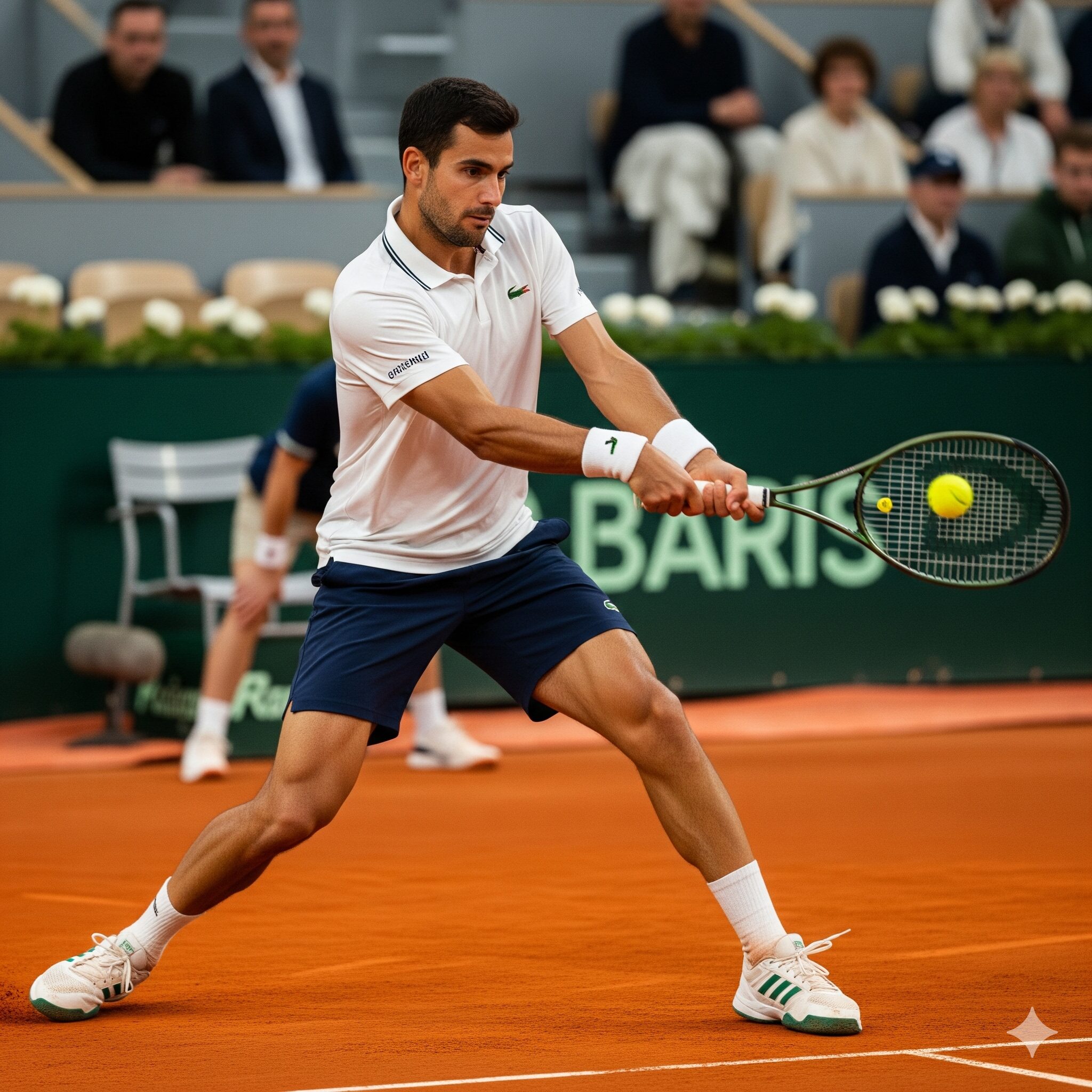
Goal: Improve backhand technique and power.
Equipment: Tennis balls and racket.
How to do it:
- Stand at the baseline and hit a series of backhand shots with your partner.
- Focus on maintaining proper form, with your weight shifting through the shot and your non-dominant hand stabilizing the racquet.
- Practice both one-handed and two-handed backhands, depending on your playing style.
- Vary the direction of the shots—down the line, cross-court, and deep.
Why it helps:
Backhands often require more finesse and are considered a weak spot for many players. By practicing consistently, you can develop a solid backhand that allows you to handle a variety of shots with confidence.
9. The Approach Shot Drill: Transitioning from Baseline to Net
Goal: Practice attacking and moving to the net.
Equipment: Tennis balls and a partner.
How to do it:
- Start by hitting a deep groundstroke from the baseline.
- Move forward quickly after the shot, then prepare to hit a volley or an overhead once you approach the net.
- Focus on footwork to ensure a smooth transition from the baseline to the net.
- Practice both forehand and backhand approach shots.
Why it helps:
This drill helps you develop the skill of transitioning from defensive baseline play to offensive net play. Approach shots are crucial for players looking to take control of the match and move into the attacking position.
10. The Endurance Rally Drill: Building Stamina and Consistency
Goal: Improve endurance and stamina for long rallies.
Equipment: Tennis balls and a partner.
How to do it:
- Set a timer for 5–10 minutes and rally with your partner, aiming for long, continuous rallies.
- Focus on maintaining consistent shot placement, minimizing errors, and maintaining your stamina throughout the drill.
- Gradually increase the duration of the drill as your fitness level improves.
Why it helps:
Endurance is essential in tennis, especially for long matches that require mental and physical resilience. This drill will help you maintain focus and consistency during extended rallies and improve your overall stamina.
Conclusion: Perfecting Your Tennis Skills
Drills are the backbone of every tennis player’s improvement. Whether you’re working on your footwork, volley, backhand, or endurance, each drill targets a specific skill that is essential for a well-rounded game. By practicing these top 10 tennis drills regularly, you’ll develop the necessary skills to move quickly, hit consistently, and improve your overall performance on the court.
Remember, consistency is key. Keep challenging yourself with these drills, and don’t be afraid to adjust them as you progress. Soon enough, you’ll see noticeable improvements in your game, and you’ll be one step closer to mastering the sport!