
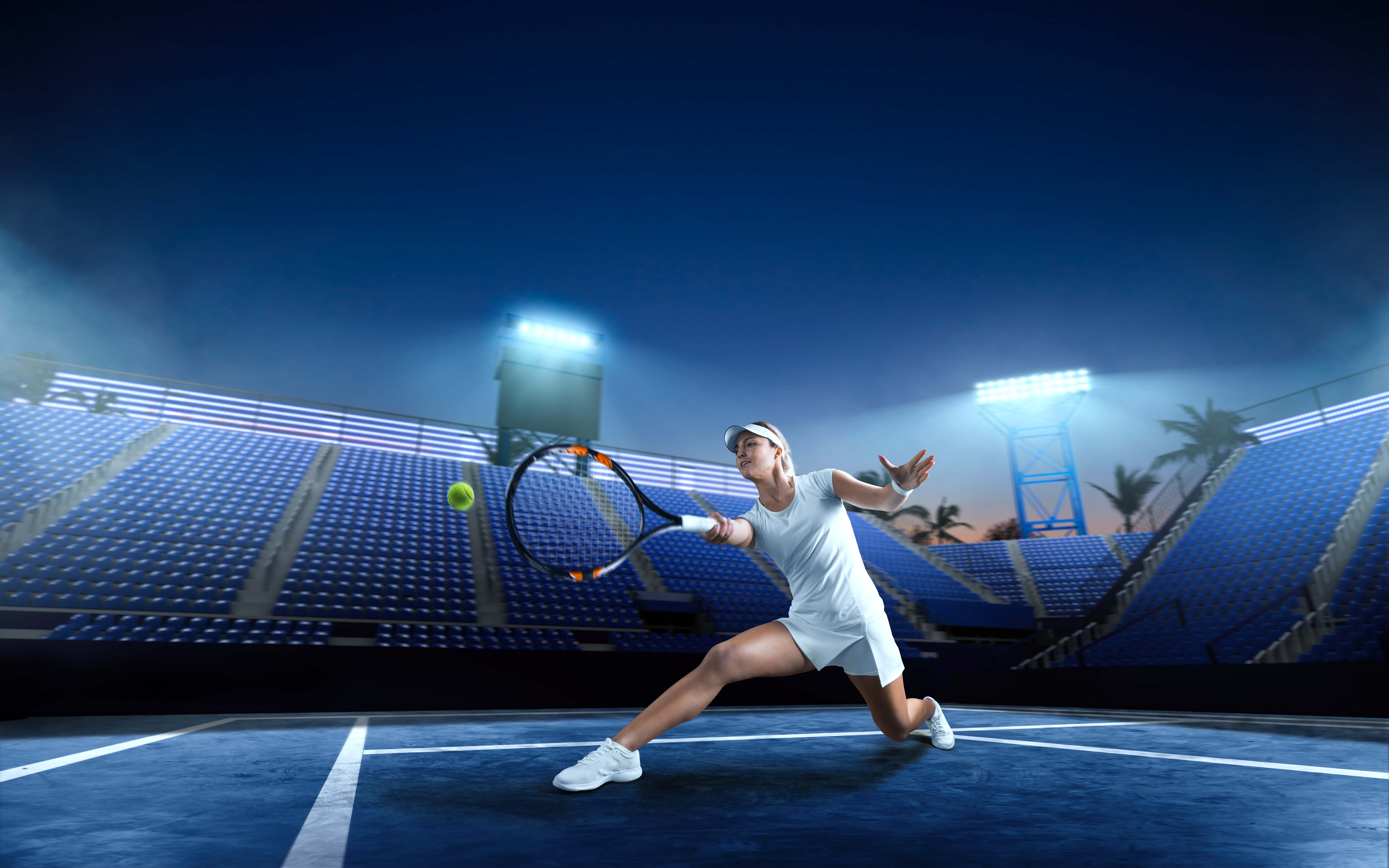
Tennis is a dynamic sport played across various surfaces, each offering a unique set of challenges that affect gameplay. Whether you’re playing in a local club or watching the pros compete on the world stage, you’ll notice that not all tennis courts are the same. In fact, the surface you play on can significantly impact how the ball bounces, how fast it moves, and even how you move on the court.
For beginners and seasoned players alike, understanding the different types of tennis court surfaces is essential to improving your game and adapting to various playing conditions. In this guide, we’ll explore the four primary types of tennis court surfaces—grass, clay, hard, and indoor—and discuss how each one influences your style of play, tactics, and the types of rackets and shoes you might want to use.
1. Grass Courts: The Classic Surface
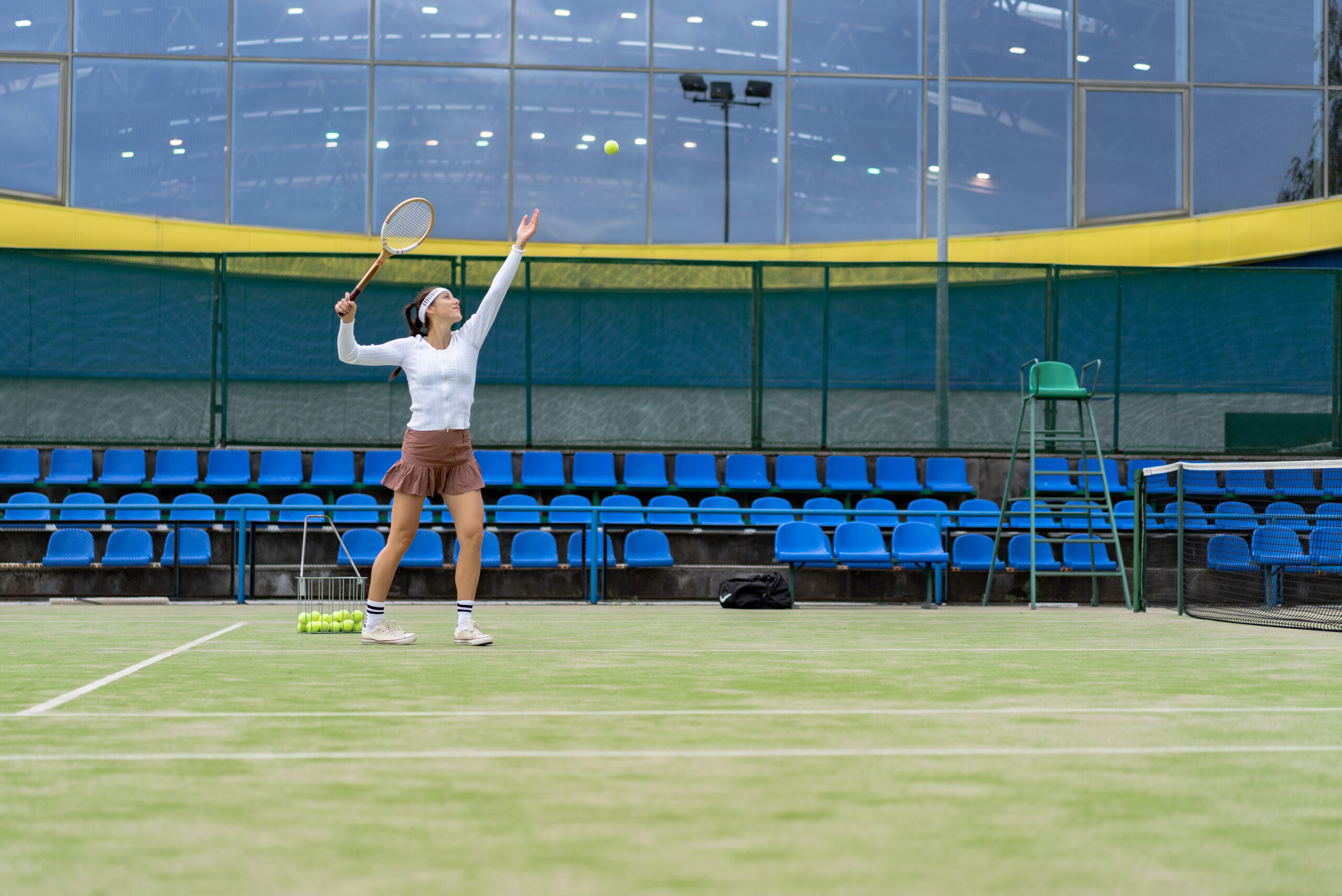
Grass courts are often associated with the prestige of Wimbledon, where some of the world’s greatest tennis players have made history. Grass courts are fast, bouncy, and visually stunning, offering a unique challenge to players who are used to different surfaces.
Characteristics of Grass Courts:
- Fast Surface: Grass courts offer a very fast pace, which is ideal for players with a strong serve and aggressive style. The ball typically bounces low and fast, which benefits players who can quickly move in for volleys.
- Unpredictable Bounce: One of the defining characteristics of grass courts is the unpredictable bounce of the ball. The grass wears down during play, creating uneven surfaces that can cause the ball to bounce in unexpected directions.
- Slippery Surface: The slickness of the grass can make it difficult to maintain balance, requiring players to have quick footwork and stability.
Strategy on Grass Courts:
- Serve and Volley: Grass courts are often considered the best for a serve-and-volley style of play, where players use their serve to set up an easy volley at the net.
- Quick Points: Since the surface is fast, rallies tend to be shorter, favoring players who can hit powerful groundstrokes and finish points quickly.
Best Shoes for Grass Courts:
- Soft-Footed Shoes: Specialized grass court shoes with a soft rubber sole or nubbed soles are ideal for traction and stability, helping players avoid slipping while moving quickly.
2. Clay Courts: The Slow Surface
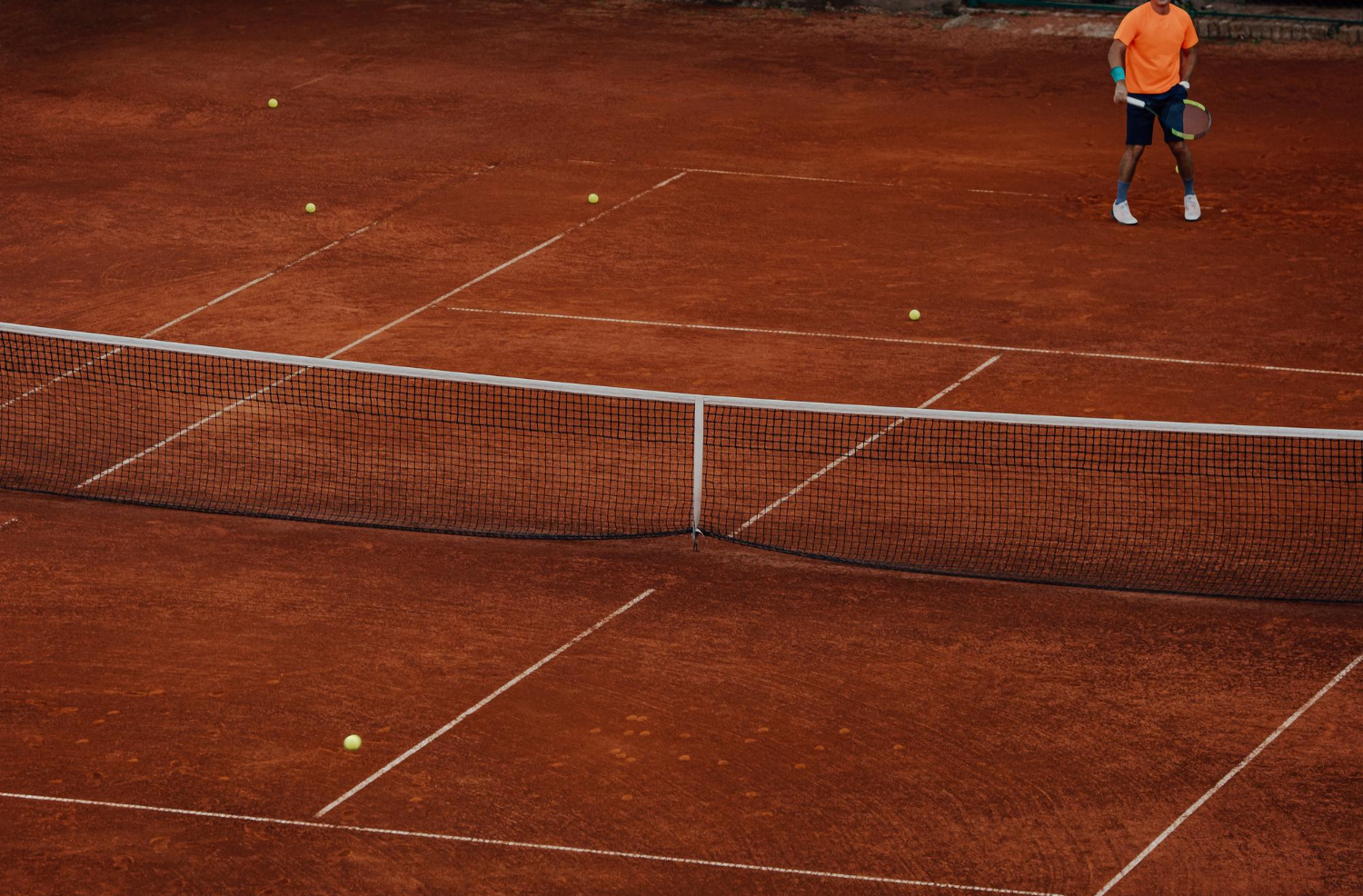
Clay courts are widely regarded as the slowest surface in tennis. Used in tournaments like the French Open, clay courts favor defensive players who excel in longer rallies and have excellent endurance.
Characteristics of Clay Courts:
- Slow Surface: The ball tends to slow down significantly on clay, which allows players to set up their shots more effectively. Players can afford to be more patient, waiting for an opportunity to strike a winner.
- High Bounce: The ball bounces higher on clay courts compared to other surfaces. This high bounce allows players to hit powerful groundstrokes, making it easier to get into position for their next shot.
- Consistency: Because of the slower speed, rallies on clay are generally longer, requiring players to have strong stamina and the ability to grind through long points.
Strategy on Clay Courts:
- Baseline Play: Clay courts are ideal for players who like to rally from the baseline. A heavy topspin forehand and backhand are especially effective here, as the ball grips the surface and bounces higher.
- Defensive Play: Clay courts favor players who can outlast their opponents in long rallies. Moving the opponent around the court and waiting for mistakes or errors becomes the key to success.
Best Shoes for Clay Courts:
- Clay Court Shoes: These shoes have a herringbone tread pattern designed to grip the surface without digging into it. They allow players to slide into shots, which is a useful technique on this surface.
3. Hard Courts: The All-Rounder
Hard courts are by far the most common surface used in tennis, found in both professional tournaments and recreational clubs worldwide. Hard courts are typically made from asphalt or concrete, with a layer of acrylic surface paint to provide cushioning and consistency.
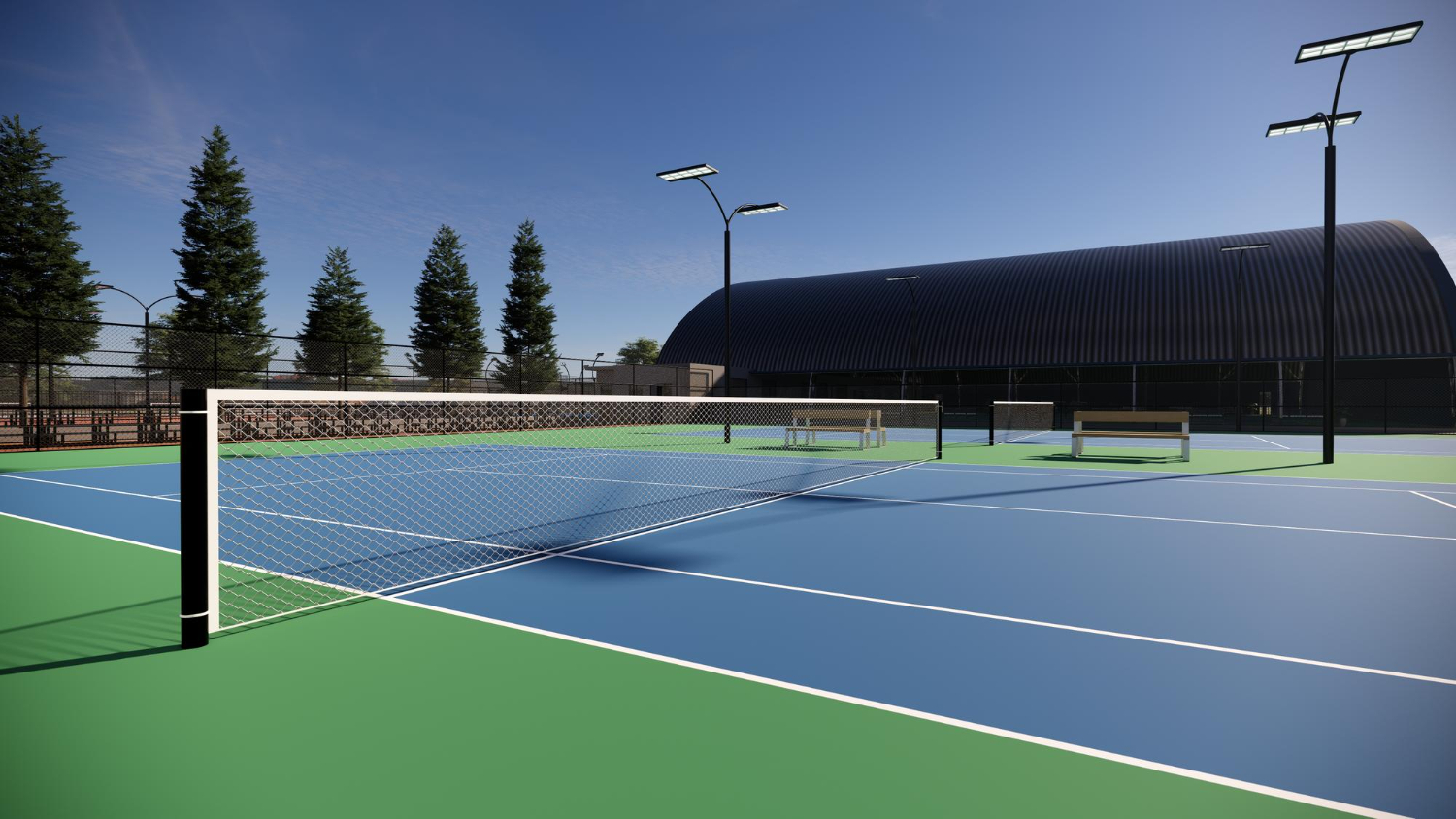
Characteristics of Hard Courts:
- Medium Speed: Hard courts provide a balance between the speed of grass courts and the slow pace of clay courts. The ball bounces at a consistent height, allowing players to control rallies and set up points.
- Consistent Bounce: The bounce on hard courts is predictable, which benefits players who rely on precise shot-making and consistency. Players can trust that the ball will land in the same spot time after time.
- Durable Surface: Hard courts are incredibly durable and low maintenance, making them popular for both recreational and competitive play.
Strategy on Hard Courts:
- All-Court Play: Hard courts allow for a combination of serve-and-volley and baseline rallies. Players need to adapt to both styles, using fast serves and aggressive shots but also knowing how to rally effectively.
- Versatility: Since hard courts suit all playing styles, players can easily switch tactics based on their strengths. Players who are aggressive on both offense and defense tend to do well here.
Best Shoes for Hard Courts:
- Durable Shoes: Since hard courts can be rough on shoes, it’s important to choose shoes with extra durability and cushioning. Look for shoes with extra support around the heel and toe, as well as hard-wearing rubber soles.
4. Indoor Courts: Weather-Proof Play
Indoor tennis courts are typically used when weather conditions are unfavorable for outdoor play. Indoor courts are either hard courts or synthetic surfaces, but their main difference lies in the fact that they’re completely enclosed.
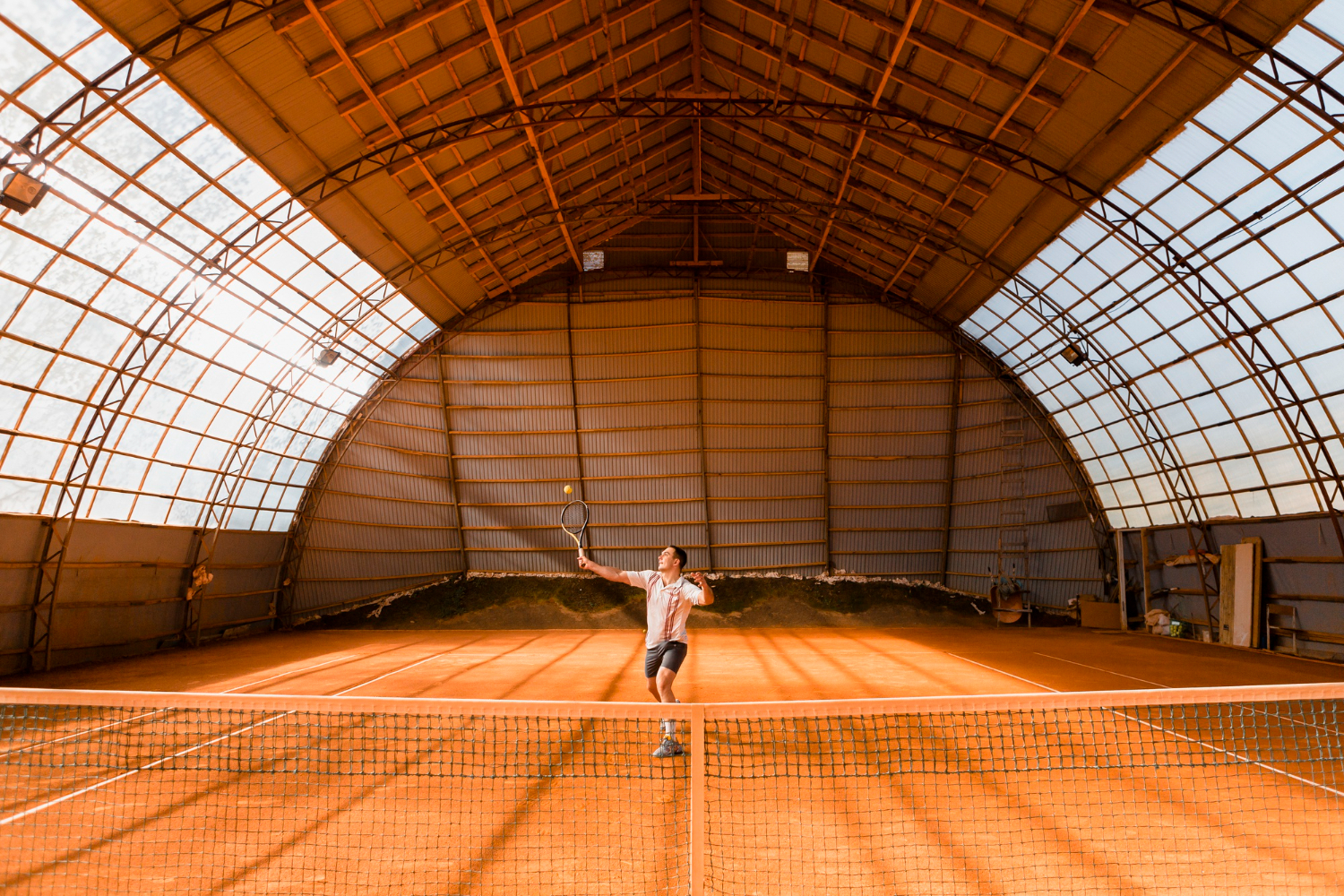
Characteristics of Indoor Courts:
- Consistent Conditions: Indoor courts are unaffected by weather conditions like wind or rain, providing a consistent environment for players to perform. There’s no interference from sunlight or outdoor elements, which can be both a positive and a negative.
- Fast Pace: Many indoor courts are made from hard surfaces or synthetic materials, making them faster than outdoor clay courts and sometimes even faster than grass courts. This can be advantageous for players who prefer quick, aggressive play.
Strategy on Indoor Courts:
- Power Game: Since indoor courts generally offer a faster pace, players often rely on strong serves and aggressive groundstrokes. It’s a surface that favors power players who can finish points quickly.
- Predictable Play: Without the wind and sun to factor in, players can focus entirely on their technique, making it an excellent surface for practicing consistency and shot placement.
Best Shoes for Indoor Courts:
- Non-Marking Shoes: Indoor courts require shoes with non-marking soles to prevent damage to the surface. These shoes are designed for traction and comfort without leaving marks or scuff marks.
Conclusion: Adapting Your Game to Court Surfaces
Each type of tennis court offers a unique experience, and understanding the surface you’re playing on can give you a strategic edge. Whether it’s the fast and unpredictable nature of grass courts, the slow grind of clay, the balanced pace of hard courts, or the controlled environment of indoor courts, each surface demands different tactics and physical conditioning.
As a player, it’s essential to adapt your style of play to suit the surface. On grass, hone your serve-and-volley game; on clay, focus on endurance and top-spin strokes; on hard courts, combine power and versatility; and in indoor play, embrace a fast-paced, aggressive approach. By mastering the differences in court surfaces, you can take your tennis game to the next level and be ready for whatever surface challenge comes your way.