Pickleball may be easy to learn, but once you step onto the court, you’ll quickly hear words like dink, kitchen, and third shot drop being thrown around like seasoned slang.
If you’re new to the game, this can feel like learning a new language — one where even kitchen doesn’t mean what you think it does.
That’s where this guide comes in.
Welcome to The Complete Pickleball Dictionary, your go-to glossary of every term, rule, and expression you’ll hear on the court. Whether you’re a beginner or a rising star, understanding this lingo will help you play smarter, communicate better, and truly feel part of the pickleball community.
A–Z Pickleball Terms and What They Mean
Let’s break down the most common (and some not-so-common) pickleball terms — explained in plain English, with examples so you can use them confidently in your next match.
A
Ace
A serve that lands in the opponent’s court untouched. It’s rare in pickleball due to the underhand serve rule — but incredibly satisfying when it happens.
Around-the-Post (ATP)
A jaw-dropping shot hit around the net post, without crossing over it. Legal as long as it lands in the court. A favorite move of pros and highlight reels.
B
Backhand
A shot hit with the back of your paddle facing the ball. Think of it as your “weaker” side until you master it with proper technique and wrist control.
Baseline
The back boundary line of the court — 22 feet from the net. Serves must land beyond the opponent’s non-volley zone but before their baseline.
Bert
A daring shot where a player crosses the centerline to poach a ball meant for their partner — typically performed during doubles. (Risky, but glorious when it works.)
Body Shot
When the ball strikes your opponent — legal and often used intentionally to win a rally.
C
Carry
When a player “lifts” or drags the ball on the paddle instead of making a clean hit. Considered a fault.
Centerline
The line that divides the service area into left and right service courts. It helps determine where to serve.
Chainsaw Serve (banned in official play)
A flashy serve where players used to roll the ball along the paddle edge to create extra spin. Banned by USA Pickleball in 2023 — but you might still hear players brag about it.
Champion’s Court
A common rotation system in recreational play where winners stay on the court and challengers rotate in.
D
Dink
A soft, controlled shot that just clears the net and lands in the opponent’s non-volley zone (kitchen). The bread-and-butter of smart doubles play.
Double Bounce Rule
Each team must let the ball bounce once after the serve and once on the return before volleys are allowed. Keeps rallies fair and strategic.
Double Hit
Hitting the ball twice in one swing. Usually a fault — unless it’s unintentional and part of one continuous motion.
Drive
A powerful, flat shot hit with pace, often aimed low over the net to force errors.
Drop Shot / Third Shot Drop
A soft shot hit from near the baseline that lands in the kitchen — neutralizing your opponent’s advantage and letting your team approach the net.
E
Erne
A spectacular volley hit outside the court boundaries near the net post — named after Erne Perry, the player who popularized it. Often follows a quick lateral step or jump.
Equipment Check
Informal check before a match to ensure your paddle, shoes, and ball meet regulation standards — especially in tournaments.
F
Fault
Any violation that stops play. Examples: hitting into the net, serving out of bounds, stepping into the kitchen on a volley.
Foot Fault
Occurs when the server’s foot crosses the baseline before or during contact with the ball — or when a player volleys while touching the kitchen line.
Forehand
A shot hit with the palm of your hand facing the ball — typically your strongest side.
G
Game Point
The final point required to win the game. If you’re serving and call “10-8-1,” that’s your moment.
Golden Pickle
A rare event when a team wins a game 11-0, allowing the opponent no points. Ultimate bragging rights.
H
Half-Volley
When you hit the ball immediately after it bounces, with very little rise time. Useful when you’re caught near your feet at the net.
Heel Shot
A defensive shot hit late, often using the back edge of the paddle to recover a tricky ball.
I
Inside-Out Shot
A deceptive shot hit in the opposite direction of where your paddle is facing — used to wrong-foot opponents.
Interference
If anything (or anyone) obstructs play — another ball rolls onto the court, for example — the rally is replayed.
J
Junior Pickleball
A fast-growing youth segment of the sport with smaller paddles, softer balls, and adjusted court sizes for kids under 12.
K
Kitchen (Non-Volley Zone)
The 7-foot area on both sides of the net where volleying is not allowed. You can step into the kitchen only after the ball bounces.
→ Tip: Most beginners commit kitchen faults — always reset your feet before volleying!
L
Lob
A high, arcing shot meant to push your opponent back toward the baseline. Great defensive tool — risky against taller players.
Let
A serve that touches the net but still lands in the correct service area. Officially, lets are now considered “in play” under the latest USA Pickleball rules.
Line Call
When players decide whether the ball landed in or out. Honesty and sportsmanship matter — it’s a self-officiated game.
M
Match
A series of games. Most matches are best-of-three, with each game played to 11 points (win by two).
Momentum Shot
When a player’s forward movement takes them into the kitchen after volleying — a common cause of foot faults.
N
Net Cord
When the ball clips the top of the net but still lands in play. Can be lucky or frustrating depending on which side you’re on!
Non-Volley Zone (NVZ)
The technical term for the “kitchen.” The no-volley zone that defines pickleball’s unique gameplay.
O
Overhead Smash
A powerful, downward shot hit above the head, usually off a lob. It’s the exclamation mark of a rally.
Out Ball
A shot that lands beyond the boundary lines. Players are encouraged to call “Out!” loudly and clearly.
P
Paddle
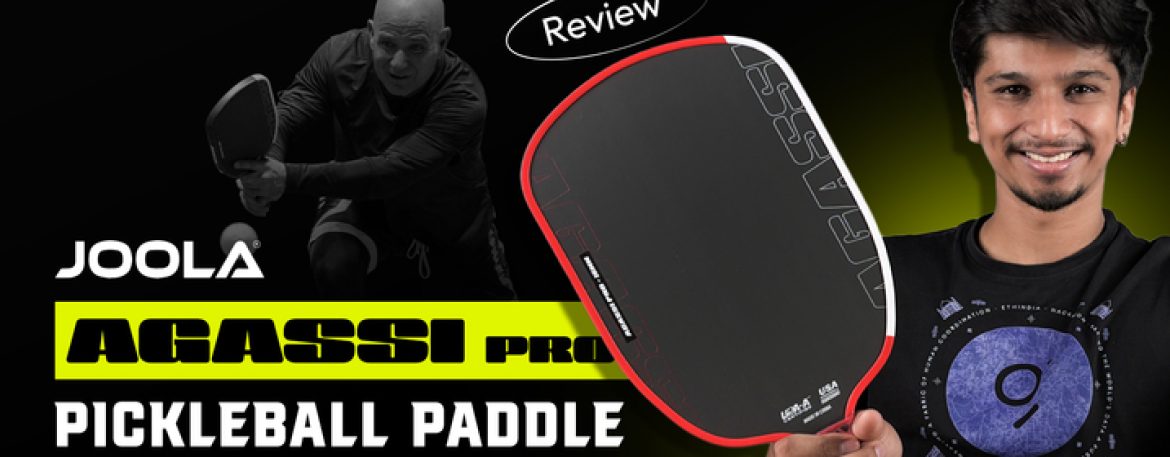
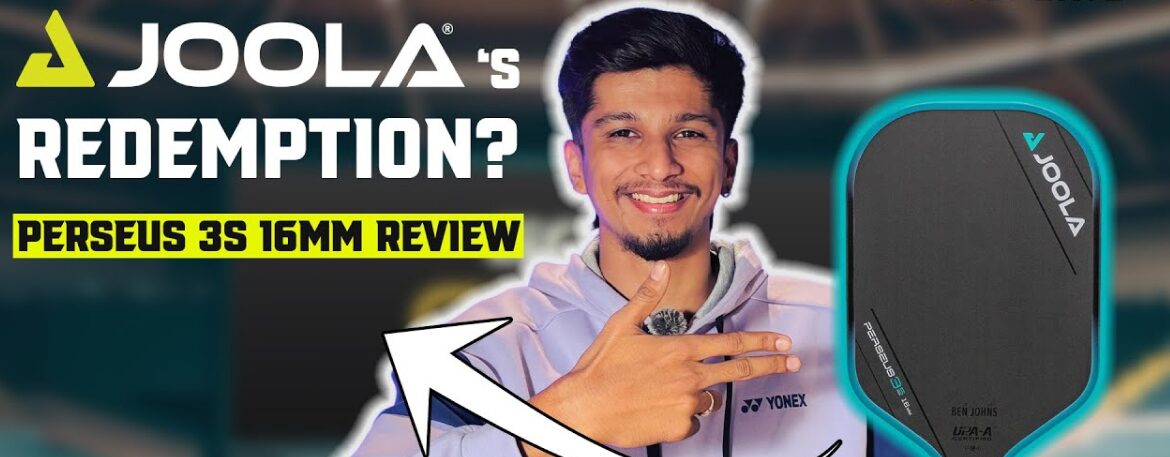
Your weapon of choice. Modern paddles come in graphite, fiberglass, and carbon fiber options — all available at The God of Sports Pickleball Store.
Poach
When a doubles player intercepts a shot meant for their partner — ideally to attack, not to steal glory.
Pickle!
A fun call made when serving, similar to shouting “Play!” or “Let’s go!”
Pickled
When a team loses 0–11. Painful but character-building.
Q
Quick Hands
Refers to fast reaction time in net exchanges. Pro players train extensively to master quick-hand battles.
R
Rally
A sequence of continuous shots until a fault is made. Longer rallies make the game thrilling and test endurance.
Reset Shot
A soft shot used to slow down a fast rally and regain control — a vital skill in defensive play.
Rule of 11
A common scoring format where the first team to 11 points (win by two) wins the game.
S
Serve
The underhand shot that starts every point. Must be hit below the waist with at least one foot behind the baseline.
Side-Out
When the serving team loses the rally, and service passes to the opponent.
Singles
One-on-one format of pickleball — faster and more physically demanding than doubles.
Spin Serve
A legal serve where players use paddle angle or wrist movement to generate spin. Adds unpredictability.
Soft Game
A tactical approach emphasizing dinks, drops, and resets instead of power.
T
Third Shot Drop
Perhaps the most strategic shot in pickleball — the soft shot hit after the serve and return, designed to land gently in the kitchen and allow your team to approach the net.
Topspin
Forward spin applied to the ball, causing it to dip downward quickly after crossing the net.
Timeout
Players can call timeouts to regroup, especially in tournaments. Useful for breaking opponents’ momentum.
U
Unforced Error
A mistake made under no pressure — like hitting an easy shot into the net. The silent killer of close games.
Underhand Serve
Mandatory in pickleball. The paddle must contact the ball below waist level, unlike in tennis.
V
Volley
Hitting the ball out of the air before it bounces. A staple of aggressive net play — but remember, never volley in the kitchen!
Volley Rally
A high-speed exchange at the net with both teams volleying back and forth — often the most exciting moment of a match.
W
Winning Shot
A shot that ends the rally in your favor — usually a well-placed dink, drop, or smash.
Wood Paddle
The original material used in early pickleball paddles. Today’s players prefer composite materials for lighter weight and better control.
X–Z
XP (Experience Points)
A playful term among club players to track progress in skill or rating.
Zone Play
Refers to maintaining control over key areas — baseline, transition zone, or kitchen line — based on match strategy.
Pro Tip: Speak Pickleball to Play Better
Learning pickleball terms isn’t just about sounding smart. It’s about understanding the flow of the game.
When someone says, “Nice dink to force that reset,” you’ll know exactly what they mean — and how to do it yourself next time.
You’ll also be able to:
- Communicate clearly with your doubles partner
- Understand coaching instructions
- Watch pro matches with better tactical awareness
- Improve your decision-making mid-rally
The more fluent you are in pickleball language, the more confident you’ll become as a player.
Pickleball Terms That Confuse Beginners (and What They Really Mean)
| Term | Sounds Like | Actually Means |
| Kitchen | A cooking area | The non-volley zone — don’t step in unless the ball bounces |
| Dink | A mistake | A smart soft shot used strategically |
| Pickled | A food term | Losing a game 0–11 |
| Poach | Steal | Taking your partner’s shot — ideally, with intention |
| Erne | A person’s name | A jump volley around the net post |
| Third Shot Drop | A rule | A shot that helps you transition to the net |
Bonus: Advanced Terms for Competitive Players
If you’re beyond the basics, start adding these to your vocabulary:
- Stacking – Rearranging player positions to favor stronger forehands or backhands.
- Transition Zone – The mid-court area between the baseline and kitchen, where control is toughest.
- Paddle Angle – The orientation of your paddle face that determines spin and trajectory.
- Reset Rally – A sequence of controlled soft shots used to slow down fast play.
- PPA / MLP – Professional Pickleball Association and Major League Pickleball — the top pro circuits globally.
Final Word: Talk the Talk, Play the Game
Understanding pickleball terminology is like unlocking the sport’s hidden rhythm.
It connects you to a global community, sharpens your tactical thinking, and helps you appreciate the game’s depth far beyond the baseline.
So next time you hit the court, don’t just play — speak the language of pickleball.
Because whether you’re dinking in doubles or smashing in singles, it’s not just about winning points — it’s about being part of a sport that’s rewriting the rules of fun, fitness, and friendship.