Introduction: A Sport That’s Taking Over the World
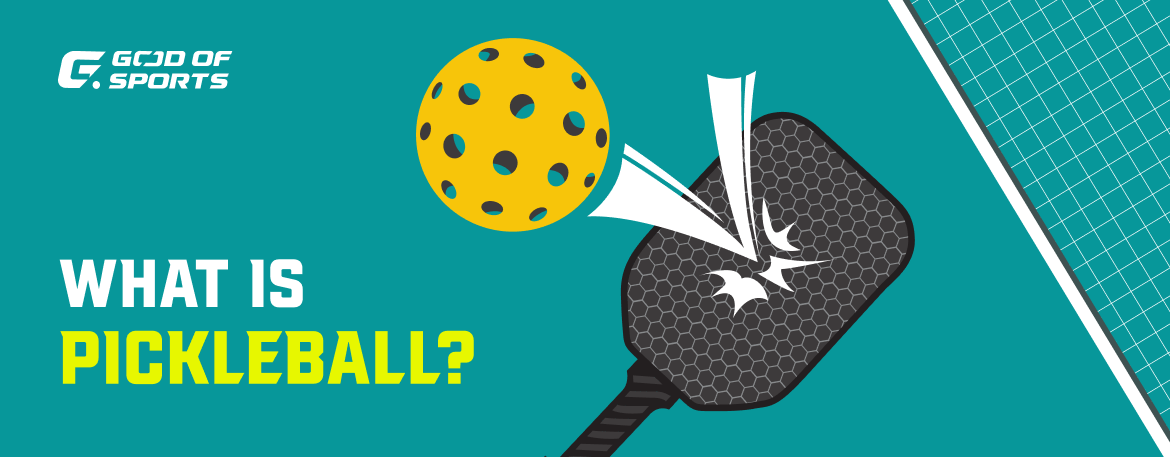
If you haven’t heard of pickleball yet, you’re about to. This fast-growing sport has gone from obscure backyard pastime to national phenomenon, with millions of players picking up a paddle every year. But what exactly is pickleball? Where did it come from? And why is everyone talking about it?
Whether you’re a total beginner or just pickleball-curious, this comprehensive guide will walk you through everything you need to know about the sport: its origins, how it’s played, what equipment you need, and how to get started. Welcome to Pickleball 101.
Chapter 1: The Birth of Pickleball
Pickleball was born in the summer of 1965 on Bainbridge Island, Washington. Three dads—Joel Pritchard, Bill Bell, and Barney McCallum—wanted to create a game to entertain their bored children. What started with a badminton court, ping pong paddles, and a perforated plastic ball quickly evolved into a game with its own identity.
Today, pickleball is played by over 19 million Americans and is growing internationally. It’s often described as a mix of tennis, badminton, and table tennis. But more importantly, it’s fun, accessible, and highly addictive.
In fact, during a recent community clinic in Bengaluru, India, we spoke to 62-year-old Ravi who picked up the sport six months ago. “I play every morning now. It’s a great way to stay active and meet new people,” he said. This grassroots movement is what makes pickleball such a fascinating sport to cover.
Chapter 2: What is Pickleball? The Basics
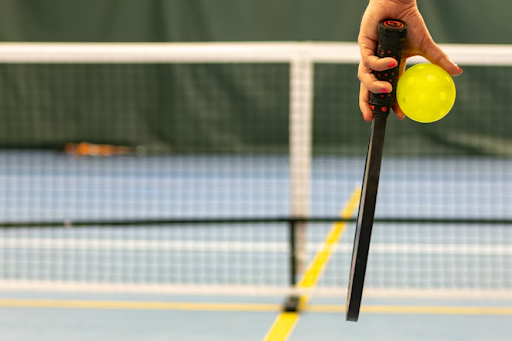
At its core, pickleball is a paddle sport played on a 20×44 ft court (same size as a badminton doubles court) with a net that stands 36 inches at the posts and 34 inches in the center.
You use a paddle (larger than a ping pong paddle but smaller than a tennis racquet) and a plastic ball with holes (often referred to as a Wiffle-style ball). The game can be played as singles or doubles.
The objective is simple: hit the ball over the net, and win points by making your opponent miss, hit out of bounds, or fault.
On a Sunday afternoon in Delhi’s sports complex, we saw teenagers, working professionals, and senior citizens all competing or laughing through rallies. It’s that universal accessibility that makes pickleball more of a movement than just a game.
Chapter 3: How Pickleball is Played
Games are usually played to 11 points, win by 2. Only the serving team can score points. Here are the key elements:
- Serving: Must be underhand and hit diagonally. A serve must clear the non-volley zone.
- Double Bounce Rule: Each side must let the ball bounce once before volleying.
- Non-Volley Zone (The Kitchen): A 7-foot zone on each side of the net where you can’t volley the ball.
These rules might sound limiting at first, but they’re the secret to the sport’s brilliance. By preventing aggressive net-dominating play, they level the playing field. Whether you’re a 25-year-old athlete or a 60-year-old retiree, you can compete and even win with the right strategy.
“The Kitchen keeps me honest,” laughs Reena, a 48-year-old school teacher who plays doubles every evening. “It’s all about placement, not power.”
Chapter 4: Why Pickleball is So Popular
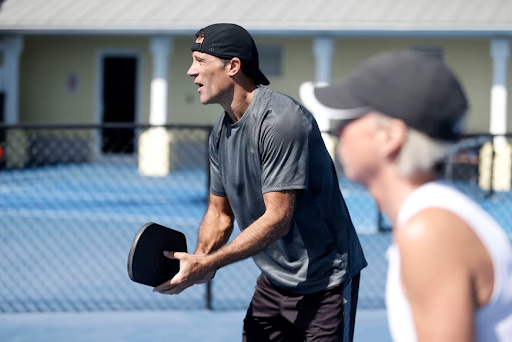
What makes pickleball so appealing?
- Accessibility: It’s incredibly easy to learn. Most people can pick it up in under 30 minutes.
- Low Impact: Easier on the joints than tennis or squash.
- Social: It’s a great way to meet people. Clubs are springing up all over cities and suburbs.
- Compact: Smaller courts mean it fits in community parks, school gyms, or even driveways.
We spoke to Rohit, the founder of a new pickleball meetup group in Pune, who said: “In just two months, we grew from 4 to 42 members. The community vibes are unreal.”
Chapter 5: Pickleball Equipment Essentials
To get started with pickleball, you’ll need just a few things:
1. Paddle
Pickleball paddles are technical. They range in material, grip size, weight, core construction, and surface texture:
- Materials: Wood (affordable), composite (balanced), graphite (lightweight and responsive)
- Cores: Nomex (hard and loud), polymer (quiet and soft), aluminum (lightweight and firm)
- Textures: Smooth for speed, gritty for spin control
Paddle Brands You Should Know
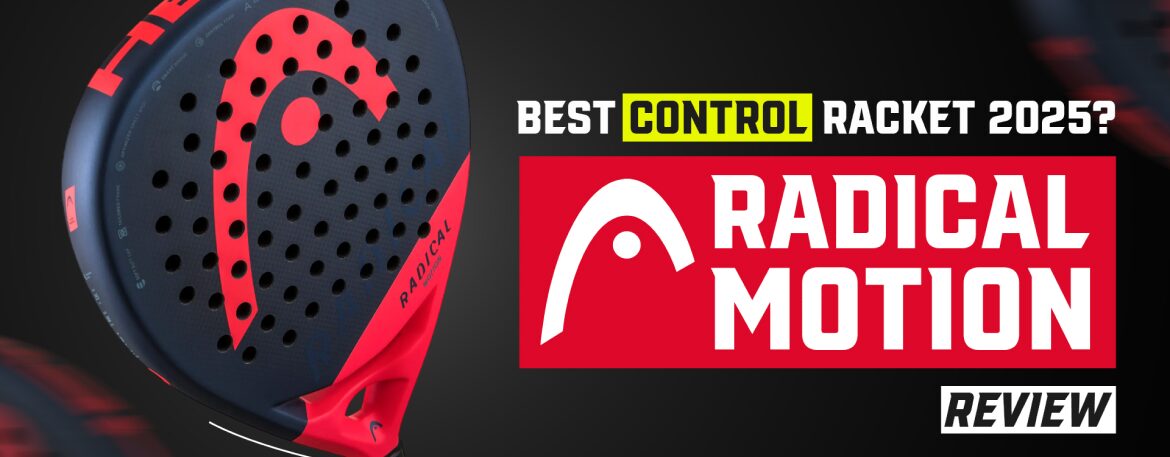
- HEAD: Known for well-balanced, responsive paddles. Their Radical Pro is perfect for newcomers and recreational players.
- Franklin: Offers wide-body paddles with excellent pop and durability. Their Signature Series and Carbon STK paddles are fan favorites.
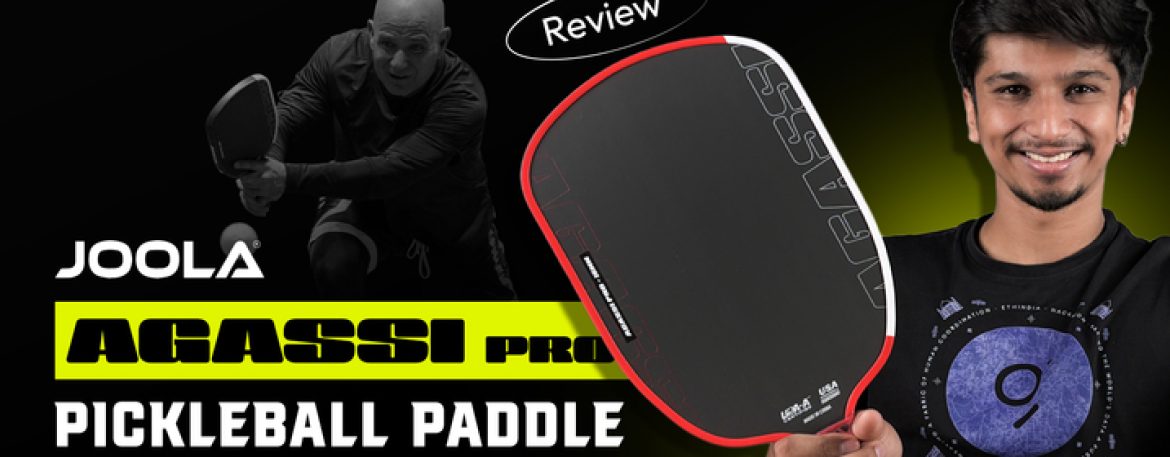
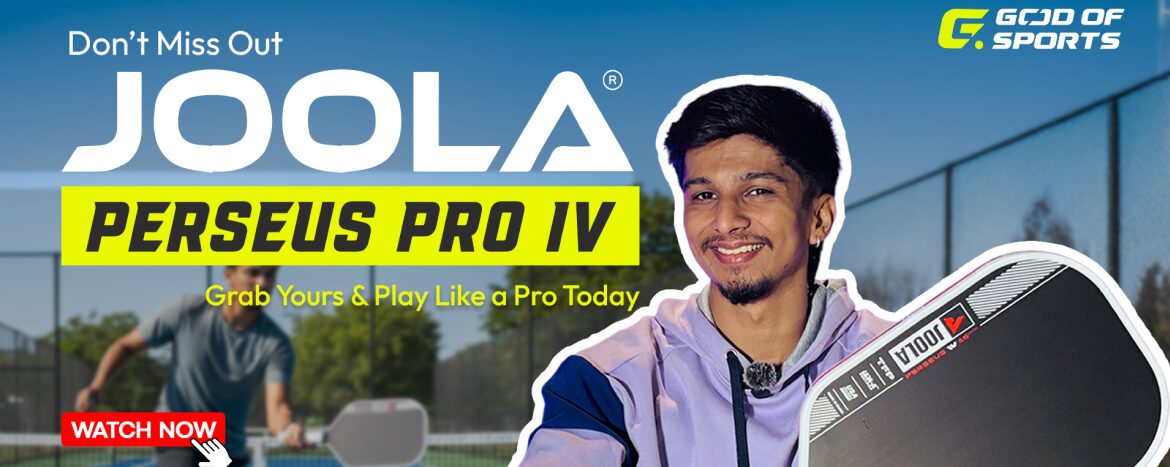
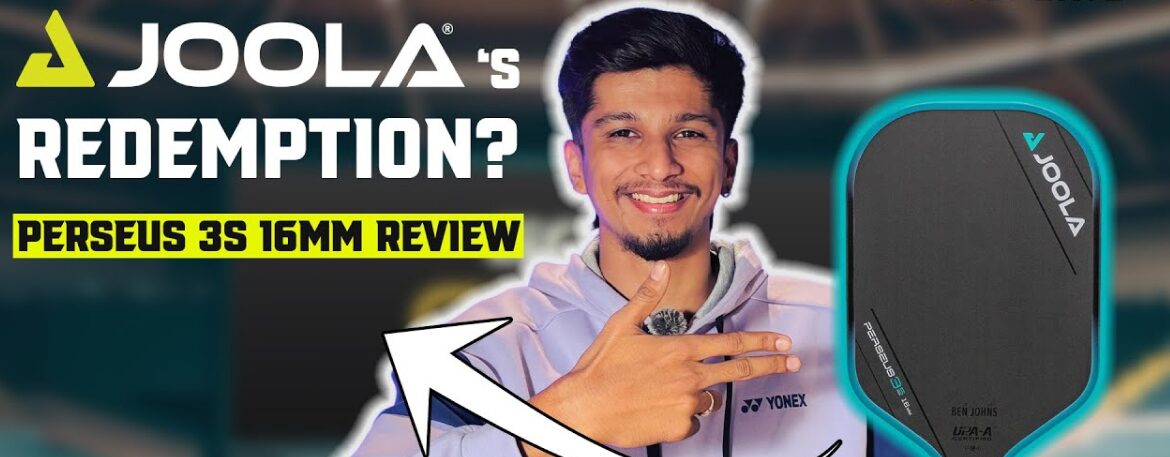
- Joola: The paddle of choice for champion Ben Johns. Known for their Hyperfoam edge wall and Carbon Friction Surface, their Ben Johns Perseus paddle is a premium performance option.
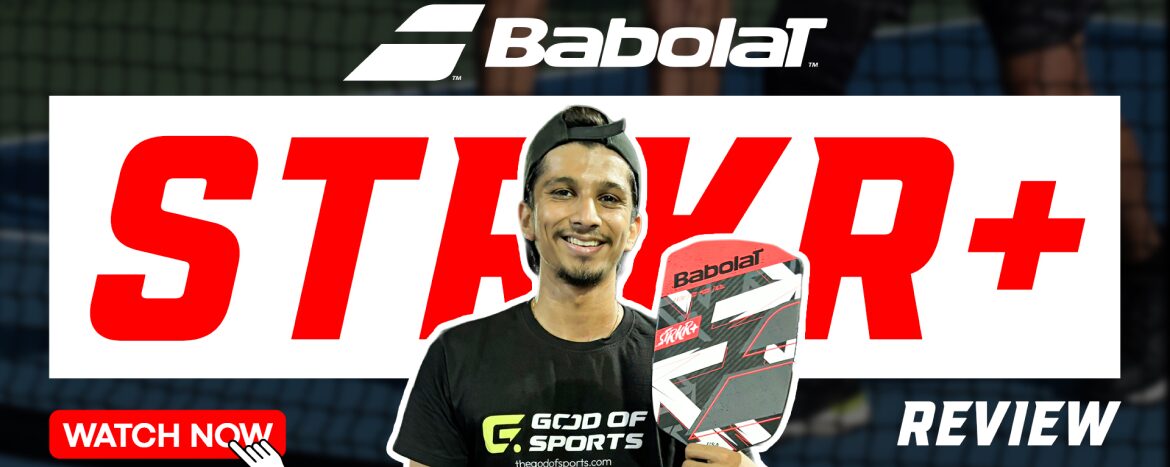
- Babolat: Brings tennis-grade engineering into pickleball. Their paddles combine textured surfaces with high control, perfect for tennis crossover players.
- Wilson: A legacy brand in racquet sports, Wilson’s Echo and Tour series paddles provide superb grip comfort and precision.
✅ Recommended for Beginners: Head Radical Pro Pickleball Paddle – A perfect balance of power and control, ideal for new players. Available now on thegodofsports.com.
2. Ball
Pickleballs differ for indoor and outdoor play:
- Indoor Balls: 26 holes, softer, better for wooden floors
- Outdoor Balls: 40 holes, harder plastic, built to withstand wind and rougher surfaces
✅ Top Choice: Franklin X-40 Outdoor Pickleball – Official ball of major tournaments, known for consistent bounce and performance.
3. Shoes
Invest in pickleball shoes with lateral stability and grip — avoid running shoes. Look for:
- Gum rubber soles for indoor courts
- Durable outsoles for outdoor play
- Reinforced toe guards for aggressive movers
4. Net
If you’re setting up your own court, look for:
- Portable net systems with a center support
- Weather-resistant nets for outdoor use
✅ Check out our Portable Pickleball Net Sets to get started anywhere, anytime.
5. Apparel
There are no strict rules, but choose clothing that’s breathable and allows movement. Avoid cotton if playing outdoors.
- Dri-Fit t-shirts, skirts, and shorts are common
- Sweatbands and sunglasses can be helpful

Chapter 6: Pickleball Around the World
While the United States leads the pickleball wave, countries like India, Australia, UK, and Singapore are catching up.
In Mumbai, we attended a local tournament hosted by Pickleball India where over 1200 participants competed across five categories. The vibe? Electric. Parents were cheering, friends were volunteering, and brands like thegodofsports.com were showcasing equipment.
Professional leagues like the PPA and APP are expanding viewership, with players like Ben Johns and Anna Leigh Waters becoming household names in sports circles.
Chapter 7: How to Get Started Today
Ready to jump in?
- Find a local court – Municipal parks, schools, and clubs are adopting the sport
- Buy your gear – Start with a quality paddle like our [Head Radical Pro Paddle]
- Get a partner – Most players are happy to show you the ropes
- Join a WhatsApp or Facebook group – It’s the fastest way to find pickup games
You don’t need to be an athlete. You just need to show up.
Chapter 8: Pickleball Terms You Should Know
- Dink: A soft shot that lands in the kitchen
- Kitchen: The non-volley zone
- Volley: Hitting the ball before it bounces
- Erne: A jumping volley near the sideline
- Side Out: When the serving team loses its serve
- Poach: When a player crosses to their partner’s side to intercept a ball
- Third Shot Drop: A soft shot after the return of serve to neutralize the opponent’s advantage
Conclusion: Your First Step into the Pickleball Universe
Now that you’ve got the basics—and a few insider insights—it’s time to pick up a paddle and discover what the buzz is all about.
Whether you’re looking to get fit, stay social, or add another sport to your skillset, pickleball checks every box.
Your journey begins here. Shop beginner-friendly pickleball paddles, balls, nets, and more on www.thegodofsports.com.