


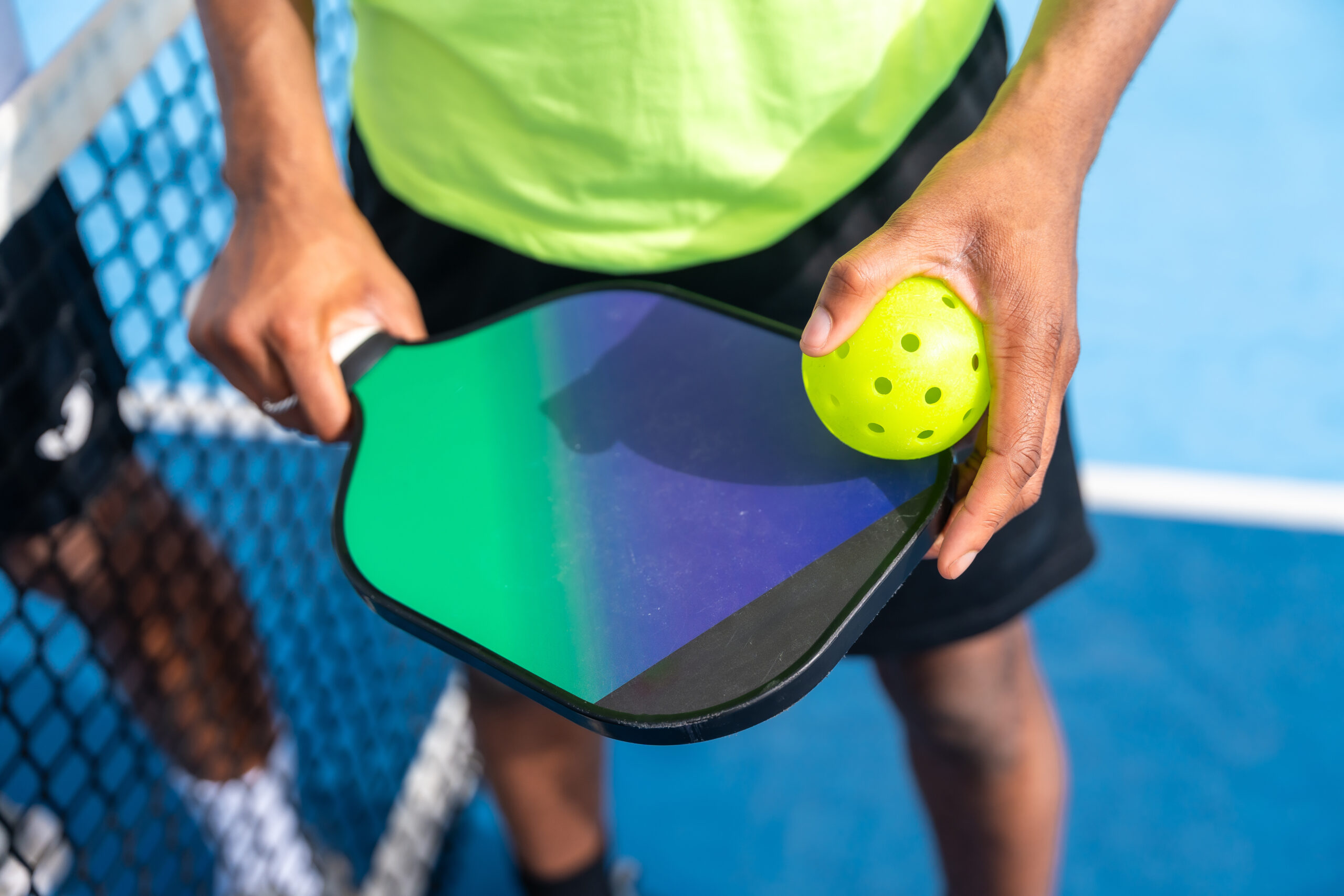
Your pickleball paddle isn’t just a piece of equipment—it’s the extension of your arm, your power generator, and your precision tool. Whether you’re smashing drives or mastering soft dinks at the kitchen line, your paddle takes a beating every session.
If you want consistent performance and long-term durability, learning how to clean and maintain your pickleball paddle is non-negotiable. A little care goes a long way toward preserving its pop, grip, and balance.
This complete guide walks you through cleaning methods, maintenance routines, storage hacks, and expert do’s and don’ts to keep your paddle tournament-ready for years.
Why Paddle Maintenance Matters More Than You Think
Pickleball paddles are built from advanced materials—graphite, fiberglass, or carbon fiber over polymer or Nomex cores. They’re designed to deliver speed, spin, and control.
But sweat, dirt, sunscreen, and repeated impact degrade them over time.
Neglecting maintenance leads to:
- Dull paddle surfaces that reduce spin and control
- Worn grips that cause slippage and wrist strain
- Micro-cracks that spread into costly core damage
- Delamination (face separating from core) in extreme cases
Proper care keeps your paddle performance consistent, prevents early wear, and saves you from replacing gear every season.
Step-by-Step: How to Clean Your Pickleball Paddle
Cleaning your paddle regularly (ideally after every few sessions) removes oils and grime that affect play.
Here’s the safe, manufacturer-approved method:
1. Wipe Off Loose Dust and Debris
After each match:
- Use a dry microfiber cloth to remove surface dust or dirt.
- Gently wipe the paddle face, edges, and handle.
- Avoid paper towels—they can leave lint or micro-scratches.
💡 Tip: Keep a small microfiber towel in your gear bag for quick wipe-downs between games.
2. Use Mild Soap and Water for Deep Cleaning
When you notice residue buildup:
- Mix a few drops of mild dish soap with warm water.
- Dip a soft cloth (never the paddle directly) into the solution.
- Wring it out well—it should be damp, not dripping.
- Wipe both sides of the paddle face using gentle circular motions.
- Rinse the cloth with clean water and remove any soapy film.
- Dry immediately with a soft towel.
Avoid harsh chemicals, alcohol wipes, or glass cleaners—they can strip the surface coating or fade printed graphics.
3. Clean the Grip Separately
Your handle collects sweat, sunscreen, and bacteria fast.
For the grip area:
- Use a damp cloth with mild soap to wipe it clean.
- If it’s heavily worn or slick, replace the overgrip entirely.
- Re-wrap new overgrips tightly to avoid air pockets.
A fresh grip improves control, reduces strain, and absorbs moisture better than any quick wipe-down.
4. Check the Edge Guard
The plastic or rubber edge guard protects your paddle from ground contact and paddle clashes.
Inspect it often:
- Look for cracks or loose sections.
- If separating, use a small amount of super glue gel (not liquid) to reseal.
- If badly damaged, take it to a pro-shop for replacement.
Ignoring edge guard issues can lead to face delamination—the biggest killer of paddle life.
Paddle Maintenance Routine (Weekly & Monthly)
Consistency beats effort. Build these small habits into your post-game or weekly ritual.
After Every Game
- Wipe the paddle face with a dry microfiber cloth.
- Store it in a padded paddle cover (avoid direct sun in your car).
Every Week
- Clean with mild soap and water.
- Inspect edge guard and handle.
- Tighten or re-wrap your overgrip if needed.
Every Month
- Weigh your paddle on a digital scale.
- A sudden weight increase may signal water absorption in the core.
- Check for surface wear—if the texture feels smooth, spin performance might drop.
- If you notice dead spots (where the ball feels flat), it may be time for replacement.
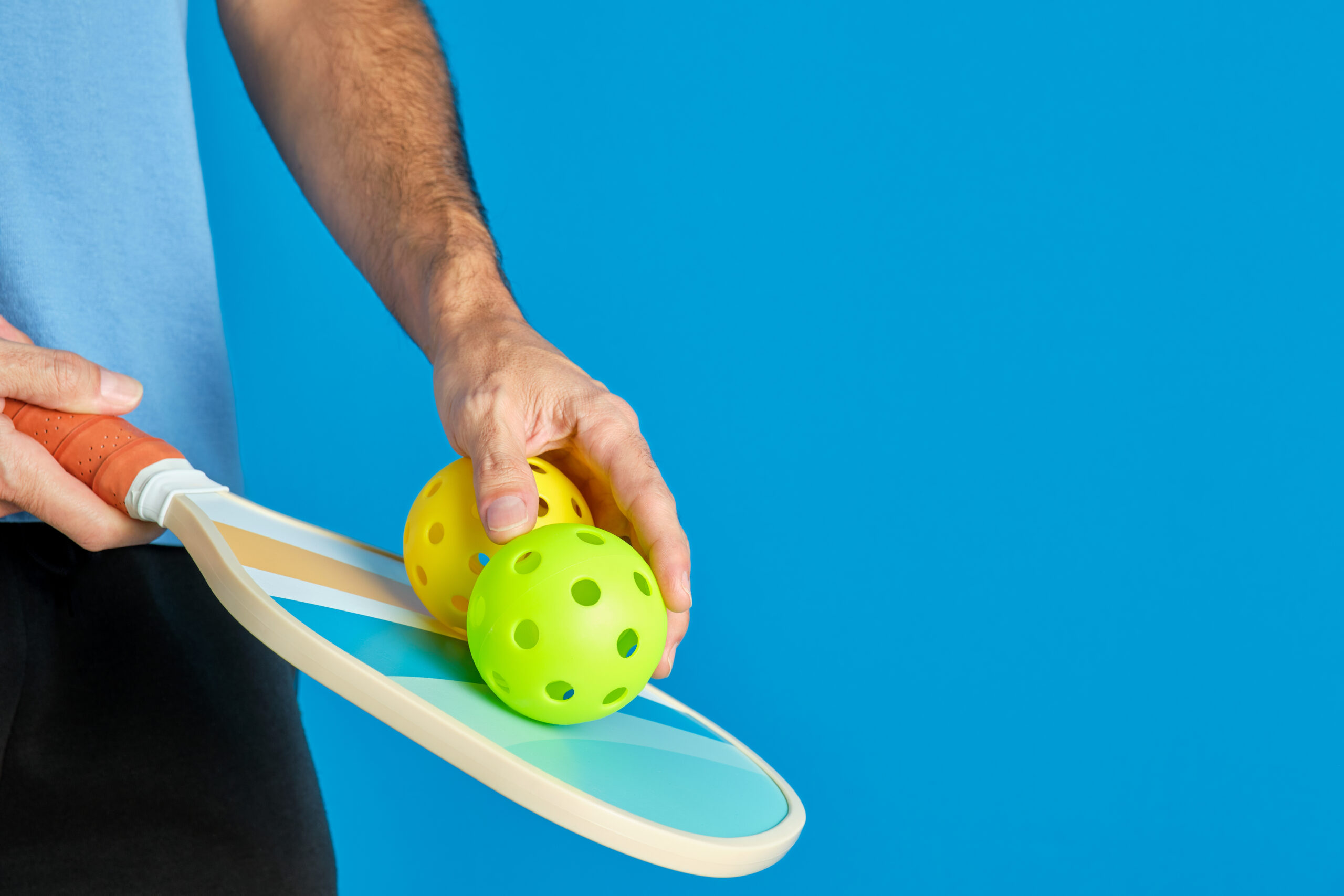
How to Store Your Pickleball Paddle the Right Way
Where and how you store your pickleball paddle directly affects its lifespan.
Ideal storage conditions:
- Temperature between 10–30°C (50–85°F)
- Low humidity (avoid damp basements or hot cars)
- No direct sunlight or pressure on the face
Pro Tips:
- Always use a padded paddle cover or case.
- If you play outdoors, keep a backup paddle—heat and moisture exposure age materials faster.
- Never hang it by the handle strap for long periods (it can warp the grip alignment).
Playing Outdoors? Here’s How to Protect Your Paddle
Outdoor players face extra wear from UV rays, wind, and dirt.
Here’s how to adapt your maintenance:
- Sun Protection:
Don’t leave paddles on hot asphalt or in car trunks—extreme heat softens adhesive layers and causes bubbling. - Sand & Dust Removal:
Rinse the paddle face with a slightly damp cloth after sandy sessions; dry thoroughly. - Moisture Management:
If your paddle gets wet, towel it off immediately and air-dry it indoors—never near direct heat sources. - Winter Storage:
Cold makes composite materials brittle. Keep paddles indoors between uses during winter.
Grip Replacement: When and How Often?
Grips lose texture and absorption over time, especially if you play often.
Here’s a quick guide:
| Frequency of Play | Grip Replacement Interval |
| 1–2 times/week | Every 2–3 months |
| 3–5 times/week | Every 4–6 weeks |
| Daily / Tournament Play | Every 2–3 weeks |
Signs you need a new grip:
- Slick or shiny surface
- Loss of tackiness
- Odor or discoloration
- Wrist fatigue during play
You can choose between:
- Replacement grips – thicker, cushioned base layer.
- Overgrips – thinner wraps you apply over the base grip; cheaper and replaceable quickly.
At God of Sports, we recommend keeping a 3-pack of overgrips in your kit bag—you’ll thank yourself mid-season.
Common Paddle-Care Mistakes to Avoid
Even seasoned players make these blunders that shorten paddle life:
- Using Alcohol or Harsh Cleaners:
Strips the protective coating and affects the paddle’s spin surface. - Tapping Paddles on the Net or Court:
Weakens the edge guard and face bonding. - Leaning on the Paddle as Support:
Causes internal cracks and warps the handle. - Using Household Scrubbers:
Micro-abrasions ruin the paddle texture and reduce control. - Leaving Paddles in a Car:
Heat and humidity warp polymer cores and delaminate glue layers.
When to Replace Your Pickleball Paddle
Even with top-tier care, paddles don’t last forever. The average lifespan:
- Recreational players: 1.5–2 years
- Competitive players: 6–12 months
Time for an upgrade when:
- You hear a dull “thud” instead of a crisp “pop.”
- You see surface bubbles or soft spots.
- The grip or edge guard repairs no longer hold.
When it’s time, look for new-generation paddles with improved carbon-fiber layering, vibration dampening, and balanced weight — available in our curated Pickleball Paddle Collection at The God of Sports.
Quick Paddle-Care Checklist
| Task | Frequency | Why It Matters |
| Wipe paddle after every game | Every use | Prevents sweat/dirt buildup |
| Deep clean with soap & water | Weekly | Restores texture & feel |
| Check grip & edge guard | Weekly | Avoids cracks & slips |
| Replace overgrip | Monthly | Keeps handle tacky & hygienic |
| Store in padded case | Always | Prevents sun and impact damage |
| Inspect for cracks | Monthly | Early detection = longer life |
Print or save this checklist in your gear bag—it’s your paddle’s insurance policy.
Expert Advice: Small Habits That Make a Big Difference
- Rotate paddles if you own more than one; it balances wear.
- Avoid “paddle claps” (hitting paddles in celebration). Use a fist bump instead.
- Keep silica gel packets in your paddle bag—they absorb moisture.
- Clean balls too! Dirty pickleballs transfer grime to your paddle.
- Log your paddle usage in hours if you’re a competitive player; replace proactively before major tournaments.
Final Thoughts: Treat Your Paddle Like a Teammate
Your paddle works hard every rally—it deserves a little TLC.
By investing just 10 minutes a week, you can dramatically extend its lifespan, preserve that fresh-off-the-shelf feel, and ensure every shot—drive, dink, or drop—performs exactly as you intend.
Remember: in pickleball, control and confidence start with your gear.
A clean paddle isn’t just about looks—it’s about longevity, precision, and consistency.
So the next time you zip up your paddle case, take a moment to give it the care it’s earned.
Because great play begins with great equipment—and nobody understands that better than players who love the game.