


Walk into any sports shop and you’ll see a wall of gleaming squash rackets—some feather-light, some head-heavy, some with teardrop shapes, others with classic bridges. To a beginner, they all look impressive, but to a player, each frame whispers a different promise. One racket says “I’ll give you effortless power.” Another insists “I’ll sharpen your control.” The real challenge is figuring out which one will actually help your game.
Every squash player has a unique style. Some dominate with punishing length and raw power, grinding opponents down. Others thrive on finesse—delicate drops, deceptive flicks, and lightning volleys. And then there are the retrievers, the tireless hustlers who seem to chase down every ball and turn defense into attack. The truth is, the right racket can amplify your natural strengths and even compensate for weaknesses—but the wrong one can make every rally feel like a battle against your own equipment.
Think of your racket as an extension of your arm, not just a tool. The weight, balance, head shape, and strings each add up to how the racket feels in your hand—and how it responds when the ball explodes off the front wall. That’s why choosing a racket isn’t about price tags or flashy branding—it’s about finding a partner that plays the way you play.
In this guide, we’ll break down the essential racket features and map them to playing styles. Whether you’re an aggressive shot-maker, a patient retriever, or an all-round strategist, you’ll discover how to pick the frame that turns your game plan into results
Start With Your Playing Style
Before specs, be honest about how you win points right now (or want to in six months):
- Power baseliner (length-first): You live on straight rails and deep crosscourts; you want the ball to fly with a clean swing.
- Touch/attacking player (front-court artist): You love drops, holds, and volley kills; you want maneuverability and feedback.
- Retriever/counterpuncher: You chase everything and turn defense to offense; you need forgiveness and stability on off-center hits.
- All-rounder: You do a bit of everything; you want a balanced frame with no drama.
Hold that identity in mind as we map specs to feel.
1) Weight: 110g–150g (unstrung)
Lighter (110–125g):
- Pros: Faster swing, easier deception and volleying, quick recovery from the T.
- Cons: Can feel twitchy on mishits; may produce less effortless length unless your technique is clean.
- Best for: Front-court attackers, deft volleyers, players with good timing.
Mid (125–140g):
- Pros: Sweet spot of stability and speed; suits most club players.
- Cons: None, really—this is the safest band.
- Best for: All-rounders, improvers, anyone unsure.
Heavier (140–150g+):
- Pros: Planted through contact, easy length, solid on off-center strikes.
- Cons: Slightly slower for rapid volleys and last-second holds.
- Best for: Retrievers, power baseliners, players who value stability.
Reality check: “Light” doesn’t automatically mean “easier.” If your contact is inconsistent, a mid or heavier frame can mask timing imperfections and reduce shock.
2) Balance: Head-Light, Even, Head-Heavy
Head-Light:
- Feel: Whippy, fast at the T, great for late volleys and quick counter-drops.
- Trade-off: You supply more of the power.
- Who benefits: Touch players, volley hunters.
Even Balance:
- Feel: Neutral; power and maneuverability in equal measure.
- Who benefits: All-rounders, improvers.
Head-Heavy:
- Feel: The head “leads” the swing; the ball leaves deep without effort.
- Trade-off: Slightly slower in hand.
- Who benefits: Length-first, heavier hitters, retrievers needing free depth.
Combo tip: A light and head-heavy frame can still feel potent; a heavier and head-light frame can feel surprisingly nimble.
3) Head Shape & Sweet Spot
- Teardrop (open throat):
- Bigger sweet spot, more natural power, lively feel.
- Great for players who want help on length and off-center hits.
- Bridged/Closed throat:
- Tighter control, more linear feedback, classic feel for precise hitting.
- Great for players who prize accuracy on straight rails and drops.
If you’re newer or inconsistent, teardrop forgives. If you’re precise and love laser-straight rails, closed throat rewards you.
4) Stiffness & Feel
- Stiffer frames:
- Crisp contact, quick rebound, lively ball.
- Less dwell time (the ball doesn’t “sit” on the strings).
- Suits compact swings and players who like a direct response.
- More flexible frames:
- Softer feel, extra dwell, easier touch on drops/lobs.
- Can feel slightly muted on big hits.
- Suits touch players and those sensitive to shock.
Arm comfort matters. If you’ve had elbow/wrist niggles, lean toward mid-flex and pair with a softer string/tension.
5) Strings & Tension (the easiest performance upgrade)
Factory strings are often average. A basic restring can transform feel.
- Gauge: 1.20–1.25 mm is a great balance of bite and durability.
- Tension:
- Lower (20–24 lbs / 9–11 kg): More power, bigger sweet spot, softer on the arm.
- Higher (24–28 lbs / 11–13 kg): More control and crispness, smaller sweet spot.
- String type:
- Textured/micro-rough for spin and bite on drops/cuts.
- Smooth multifilament for comfort and pop.
If shots feel dead or harsh, drop tension a couple of pounds before blaming the frame.
6) Grip Size & Overgrips
A grip that’s too thin makes you over-squeeze; too thick reduces wrist dexterity.
- Your index finger should just fit between fingertips and palm when holding naturally.
- Add a tacky overgrip for humidity and replace when slick. Fresh grip = instant control boost.
7) Durability & Build
- Bumper guards and grommets matter—easy to replace means longer racket life.
- Frames with robust bumpers protect against wall scrapes (inevitable in squash).
- If you’re a frequent wall-brusher, avoid ultra-light, super-stiff frames unless you’re comfortable with the risk.
8) Budget Tiers (what to expect)
- Entry (affordable): Solid all-rounders, slightly heavier, durable; great for beginners and casual club play.
- Mid-range: Best value—modern layups, better feel, customizable with strings; suits most improvers.
- Premium: Lighter, more refined balance, specific feel (ultra-stiff or ultra-soft), often best after you know your preferences.
Spend more on restrings over time than on chasing the lightest frame. A well-strung mid-range racket beats a poorly-strung flagship every day.
Top 5 Squash Rackets to Buy in 2025
Choosing a racket is about matching specs to style, but sometimes you just want trusted recommendations to narrow the field. Here are five of the best squash rackets to buy in 2025, each suited for different types of players—from attacking shot-makers to steady retrievers.
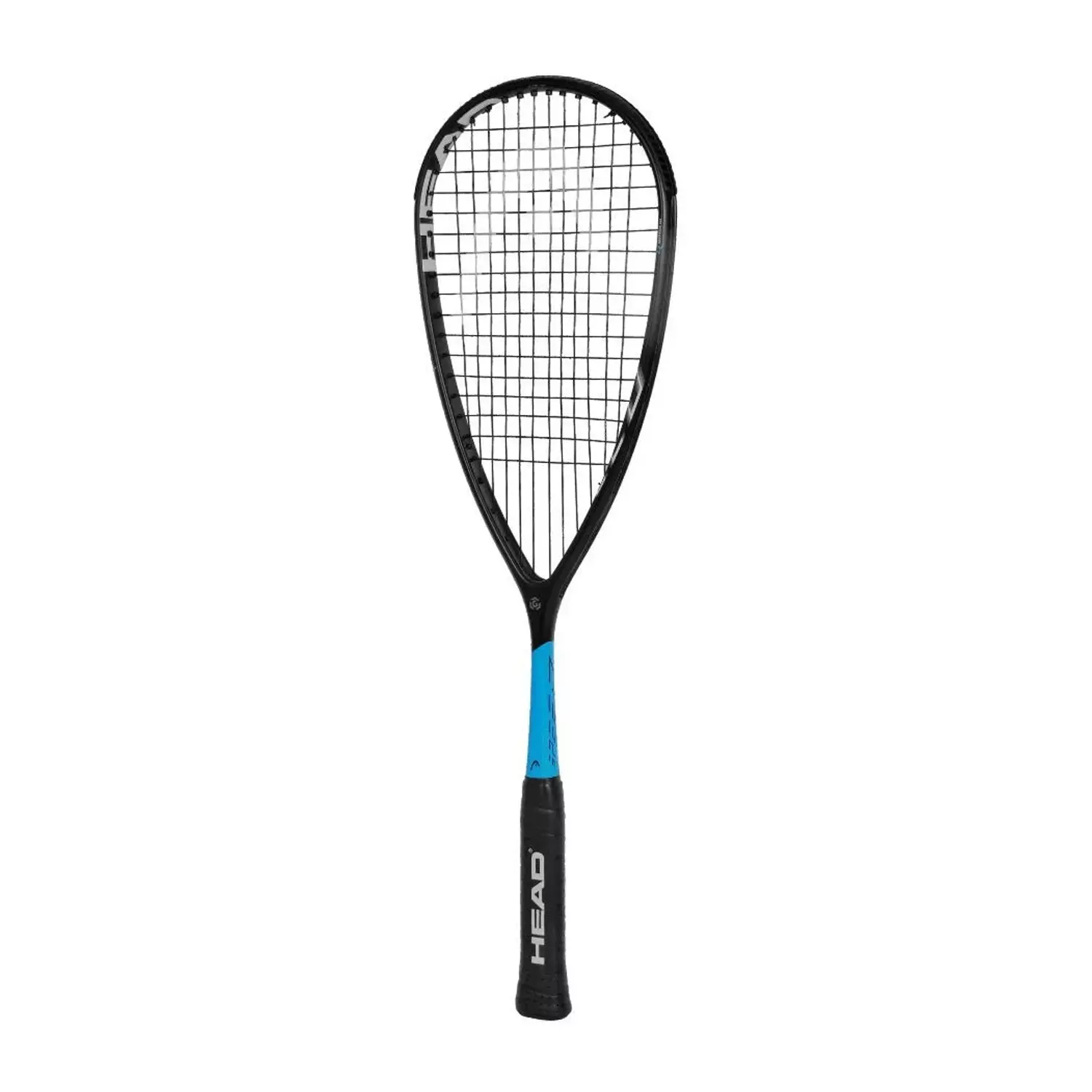
1. Head Graphene 360+ Speed 125 Squash Racket
-
Weight: 125g (light)
-
Balance: Head-light
-
Why it’s great: Built for speed and maneuverability, this racket is perfect for aggressive players who love volleying and taking the ball early. The Graphene 360+ technology offers stability and energy transfer, giving you crisp shots without losing control.
-
Best for: Attacking players, front-court specialists, and those who thrive on deception and quick hands.
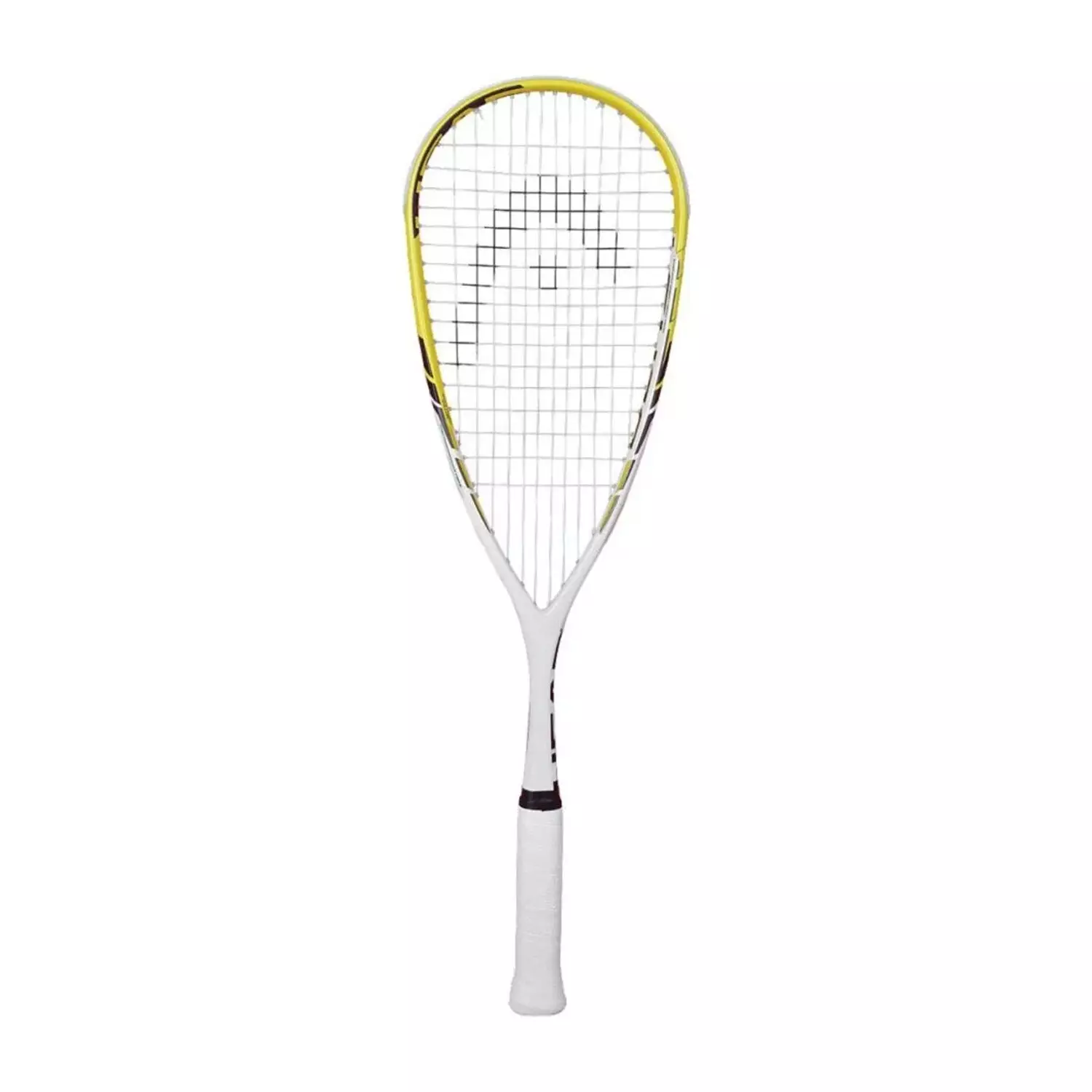
2. Head Microgel Blast Squash Racket
-
Weight: 135g (medium-heavy)
-
Balance: Even
-
Why it’s great: A powerhouse for baseline players, the Microgel Blast has excellent stability and forgiveness, making it ideal for those who rely on depth and consistency. Its larger head size gives you a generous sweet spot.
-
Best for: Defensive retrievers and consistent ralliers who value control and length.
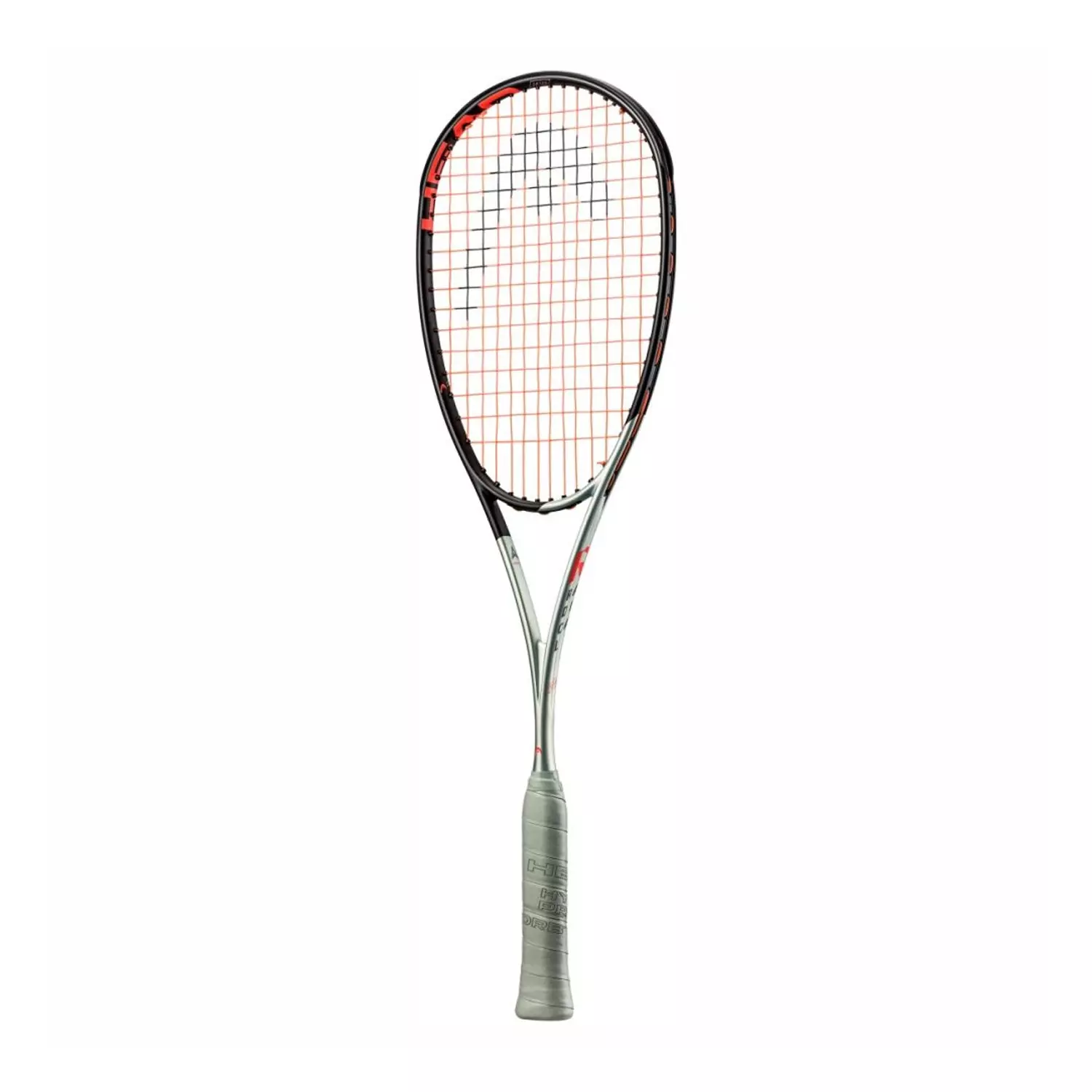
3. Head Radical 135 SB 2022 Squash Racket
-
Weight: 135g
-
Balance: Slightly head-heavy
-
Why it’s great: Designed for players who want both touch and power, this racket has a smaller beam (SB) for tighter control and precision. It’s versatile enough for all-rounders but still packs depth when needed.
-
Best for: All-round players who mix attacking volleys with reliable backcourt play.
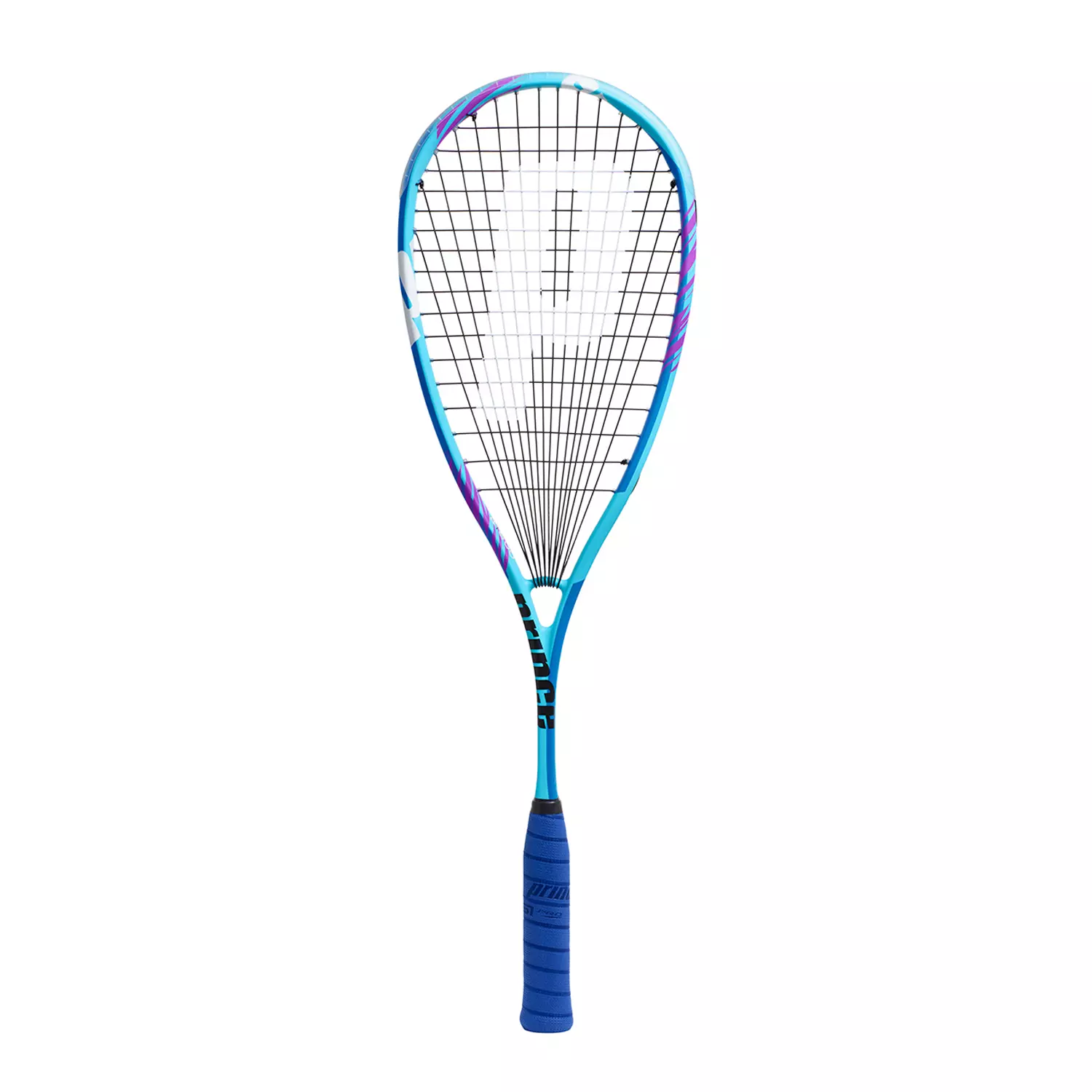
4. Prince Vortex Elite 600 Squash Racket
-
Weight: 125g (light)
-
Balance: Head-heavy
-
Why it’s great: The Prince Vortex Elite combines light weight with a head-heavy balance, giving players explosive power without sacrificing speed. It’s perfect for players who like to dominate with hard-hitting drives and kills.
-
Best for: Power hitters who want depth and pace with minimal effort.
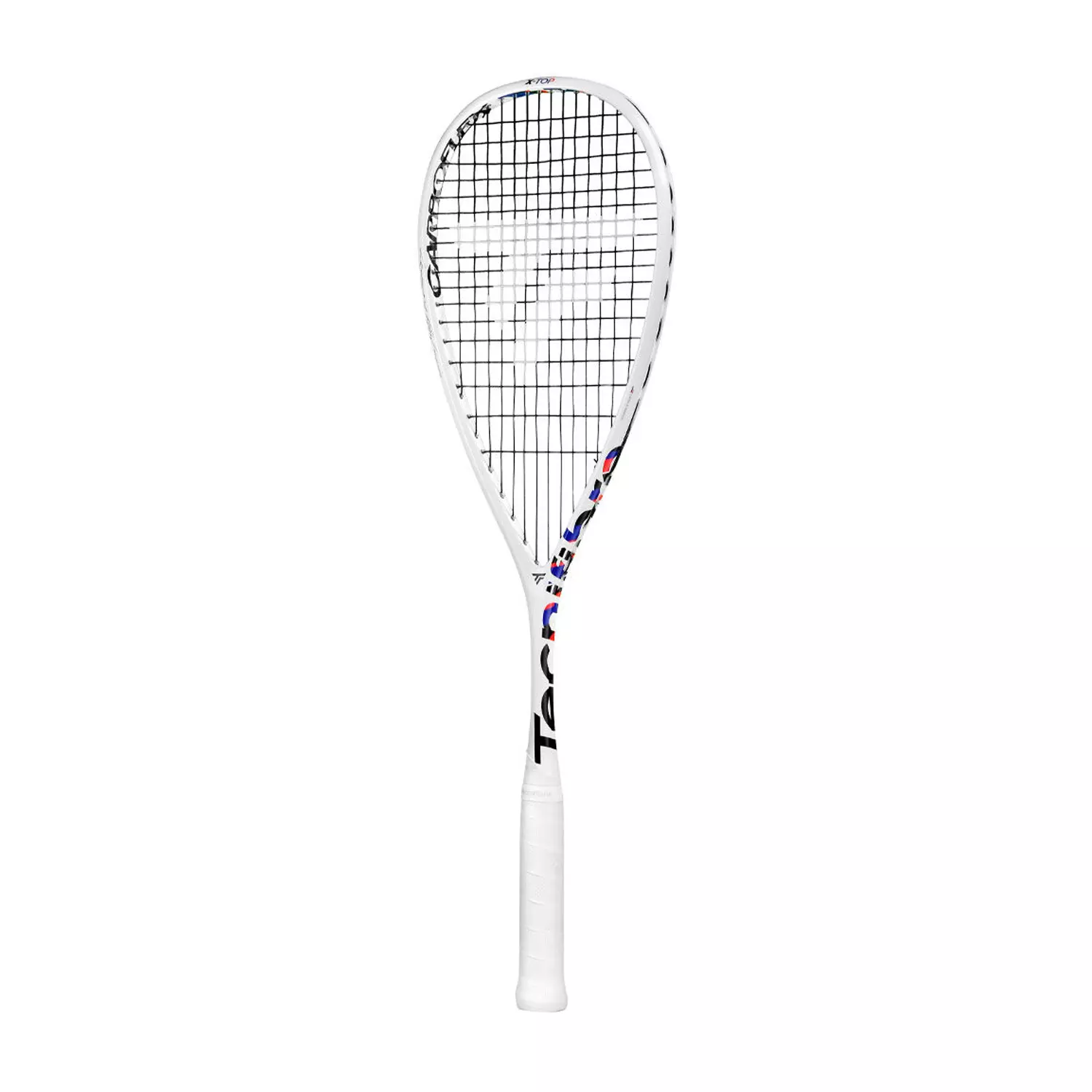
5. Tecnifibre Carboflex 125 X-Top V2 Squash Racket
-
Weight: 125g
-
Balance: Even
-
Why it’s great: The flagship of Tecnifibre’s line, the Carboflex series is trusted by top pros worldwide. The 125 X-Top V2 is incredibly versatile, with a great mix of power, control, and maneuverability. Its innovative construction reduces vibration and increases feel.
-
Best for: Advanced and ambitious players looking for a pro-level racket that does everything well.
Quick Matching Guide (Style → Specs)
- Power Baseline / Length-First
- Weight: 130–140g
- Balance: Even to Head-Heavy
- Head shape: Teardrop
- Feel: Stiffer
- Strings: Mid tension, 1.20–1.25
- Touch & Volley Attacker
- Weight: 115–130g
- Balance: Head-Light to Even
- Head shape: Closed throat (or forgiving teardrop if you still want help)
- Feel: Mid-flex to softer
- Strings: Slightly higher tension for control
- Retriever / Counterpuncher
- Weight: 135–145g
- Balance: Even to Head-Heavy
- Head shape: Teardrop (bigger sweet spot)
- Feel: Mid-stiff for stability
- Strings: Lower tension for depth and comfort
- All-Round Club Player
- Weight: 125–135g
- Balance: Even
- Head shape: Either (test both)
- Feel: Mid-flex
- Strings: Middle-of-the-road tension
Final Rally
Choosing a squash racket is about aligning physics with personality. If you love attacking the front, prioritize maneuverability, head-light balance, and feel. If you win with depth and patience, go for stability, a friendlier sweet spot, and perhaps a touch of head-heaviness. Most players thrive in the 125–140g, even-balance middle ground—then fine-tune with strings and grip.
Test deliberately, restring intelligently, and let comfort guide you. When the frame amplifies your natural game, you’ll notice it immediately: length comes easier, volleys arrive earlier, and your touch around the tin feels honest. That’s the right racket—built not just for squash, but for your squash.