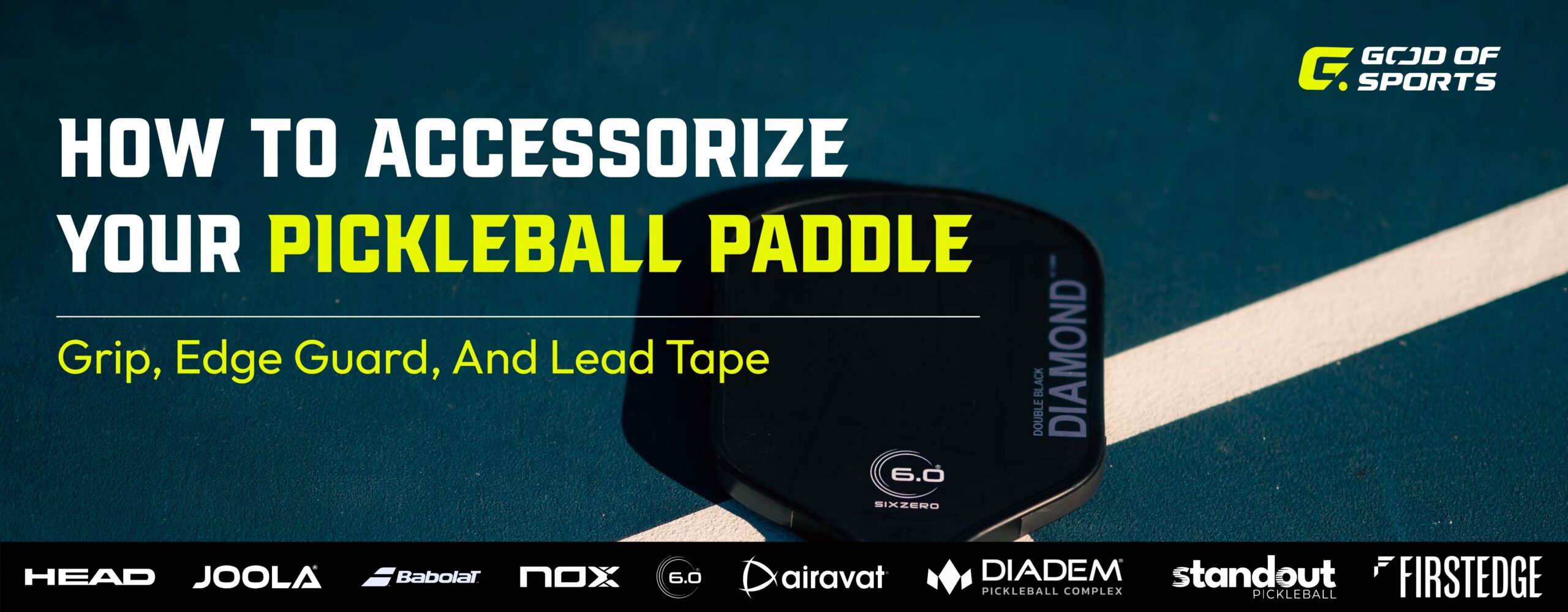
Pickleball is no longer just a fun pastime—it’s a fast-paced, competitive sport that challenges your agility, precision, and strategy. Every shot counts, and your paddle is your most important tool on the court. While skill, footwork, and tactics get all the attention, the way you accessorize your paddle can make the difference between a good game and a great one.
From enhancing grip comfort to protecting your paddle from damage, and fine-tuning weight and balance with lead tape, the right accessories can elevate your performance and make each swing more effective. In this guide, we’ll show you exactly how to equip your paddle with grips, edge guards, and lead tape, so you can play smarter, safer, and more comfortably.
1. The Importance of Paddle Accessories
Before diving into the “how-to,” let’s understand why pickleball paddle accessories matter. Your paddle is an extension of your arm, and the way it feels in your hand can affect your shot accuracy, control, and comfort. Poor grip, unprotected edges, or imbalanced weight can result in wrist strain, mishits, or reduced spin control. Accessories are not just cosmetic—they enhance your paddle’s functionality.
The three key accessories we’ll focus on are:
Grip – For comfort and control.
Edge Guard – To protect your paddle from impacts.
Lead Tape – To adjust weight, balance, and swing dynamics.
2. Choosing the Right Grip
The grip is the most critical accessory for your pickleball paddle. It affects how comfortably you hold the paddle, how much spin you can generate, and even how fast you can react during a volley.
Types of Pickleball Paddle Grips
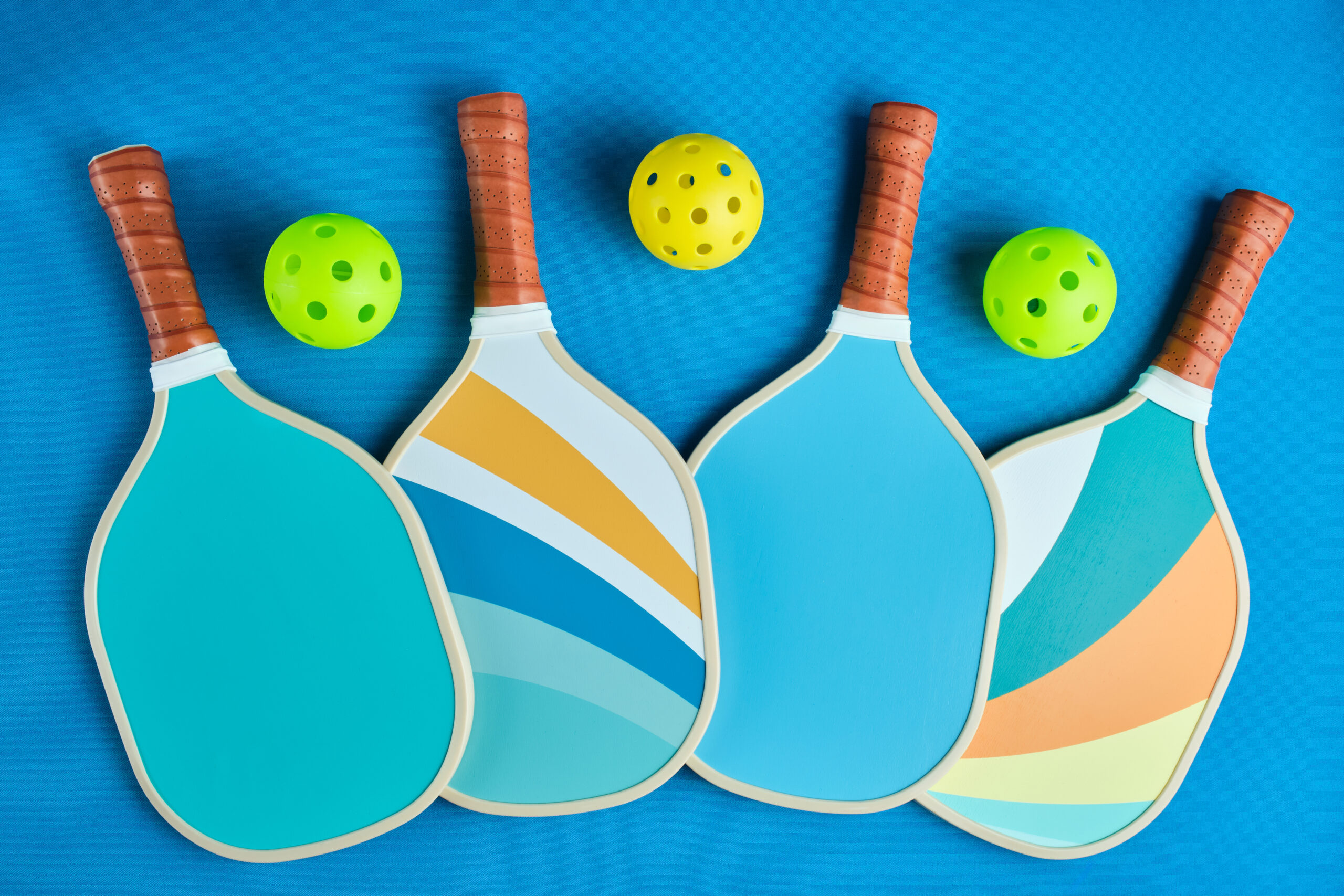
Replacement Grip – Thick and cushioned, offering extra comfort for long sessions.
Overgrip – Thinner, applied over the existing grip to add tackiness or refresh an old handle.
Tacky Grip – Provides extra stickiness, which is ideal for players with sweaty hands.
How to Apply a Grip
Step 1: Remove Old Grip (if applicable)
If your paddle has an old or worn grip, peel it off carefully. Remove any residue so that the new grip adheres properly.
Step 2: Start at the Base
Begin at the bottom of the handle. Most grips have an adhesive backing or come with finishing tape. Secure the grip at the base first.
Step 3: Wrap Tightly and Evenly
Wrap the grip upward, overlapping slightly to avoid gaps. Make sure each rotation is even and consistent. Avoid stretching too much—overstretching can make it too tight and uncomfortable.
Step 4: Secure the Top
Once you reach the top, trim any excess material and secure the end with the finishing tape. Smooth out wrinkles or folds to ensure a clean finish.
Pro Tip: For extra comfort, consider a thin overgrip on top of the replacement grip. It adds tackiness and can be replaced frequently without removing the base grip.
3. Protect Your Paddle with an Edge Guard
The edge guard is a protective strip that runs along the paddle’s perimeter. It prevents damage from accidental bumps against walls, floors, or other paddles during gameplay. Even small dings can compromise the integrity of your pickleball paddle over time.
Choosing an Edge Guard
Material: Most edge guards are made from durable plastic. Some premium paddles may come with carbon-fiber edge guards.
Width: Standard width is about 1/4 inch, enough to protect without altering the paddle’s feel.
Color: Typically matches the paddle, but color choice is personal.
How to Install an Edge Guard
Step 1: Clean the Paddle Edge
Wipe the edge with a dry cloth to remove dust and debris. For adhesive edge guards, cleaning ensures proper adhesion.
Step 2: Start at the Top
Begin at the paddle tip, aligning the edge guard along the edge. If your edge guard has adhesive, peel off the backing gradually while pressing the guard firmly against the paddle.
Step 3: Wrap Around Carefully
Run your fingers along the guard to ensure it’s snug and flush with the paddle edge. Avoid air bubbles or folds.
Step 4: Finish at the Handle
If the edge guard doesn’t cover the handle, cut off the excess neatly. A properly installed edge guard will prevent the paddle from chips or cracks, extending its lifespan.
4. Customize Weight and Balance with Lead Tape
Lead tape is a versatile accessory used to adjust your paddle’s weight, balance, and swing feel. Intermediate and advanced players often use lead tape to fine-tune their paddle for power or control.
Understanding Paddle Balance
Head-Heavy: Adds power but may reduce maneuverability.
Head-Light: Improves speed and wrist movement but may reduce drive.
Even Balance: A good compromise for all-around play.
How to Apply Lead Tape
Step 1: Decide on Placement
Top Edge: Increases head weight, boosting power.
Side Edge: Slightly affects swing weight, can improve stability.
Handle: Adds mass to the grip, improving control and reducing vibration.
Step 2: Cut the Tape
Use scissors to cut small strips of lead tape. Start small—you can always add more but removing it can be tricky.
Step 3: Apply Securely
Peel off the backing and stick the tape firmly. Press along the edges to ensure it adheres fully.
Step 4: Test and Adjust
Take a few practice swings and assess the feel. Adjust the amount or position until it suits your playing style.
Safety Tip: Lead tape contains metal. Wash hands after application and keep it away from children.
5. Maintaining Your Accessories
Once your paddle is accessorized, proper maintenance ensures maximum performance and longevity:
Grip: Replace every 2–3 months if worn or slippery. Overgrips can be swapped frequently.
Edge Guard: Check after every few games for dings or peeling. Replace if damaged.
Lead Tape: Ensure it hasn’t shifted after long sessions. Remove dust or sweat residue.
6. Why Accessories Matter for Intermediates
Intermediate players often transition from recreational to competitive play. This is the stage where comfort, precision, and paddle feel become crucial. Proper accessories:
Reduce wrist and hand fatigue
Prevent damage to expensive paddles
Improve control, spin, and power
Allow personalized customization for your style
7. Tips for Accessorizing Like a Pro
Start With Grip: Comfort is king. No amount of tape or edge guard will compensate for an uncomfortable handle.
Protect Before You Play: Install an edge guard even if your paddle is new. Accidents happen, and early protection saves money in the long run.
Add Lead Tape Gradually: Small adjustments make a huge difference. Track what works for different shot types.
Regularly Inspect: Check grips, edge guards, and tape before every session to ensure everything is secure.
Ask Experts: Gear specialists at your local club or stores like God of Sports can guide you on the best setup for your style.
8. Final Thoughts
Accessorizing your pickleball paddle isn’t just about style—it’s about performance, protection, and personalization. A well-fitted grip, a sturdy edge guard, and carefully placed lead tape can transform your paddle from a simple tool into an extension of your hand, giving you better control, comfort, and confidence on the court.
At God of Sports, we believe in equipping players with the knowledge and tools they need to excel. By accessorizing your paddle thoughtfully, you can enhance every swing, dominate your dinks and drives, and enjoy every game to the fullest. Your perfect paddle setup is just a few adjustments away—visit God of Sports today to explore top-quality grips, edge guards, and lead tape options tailored for pickleball enthusiasts in India.