The Million-Dollar Serve: How Netflix’s Six Kings Slam Changed the Sport’s Economics

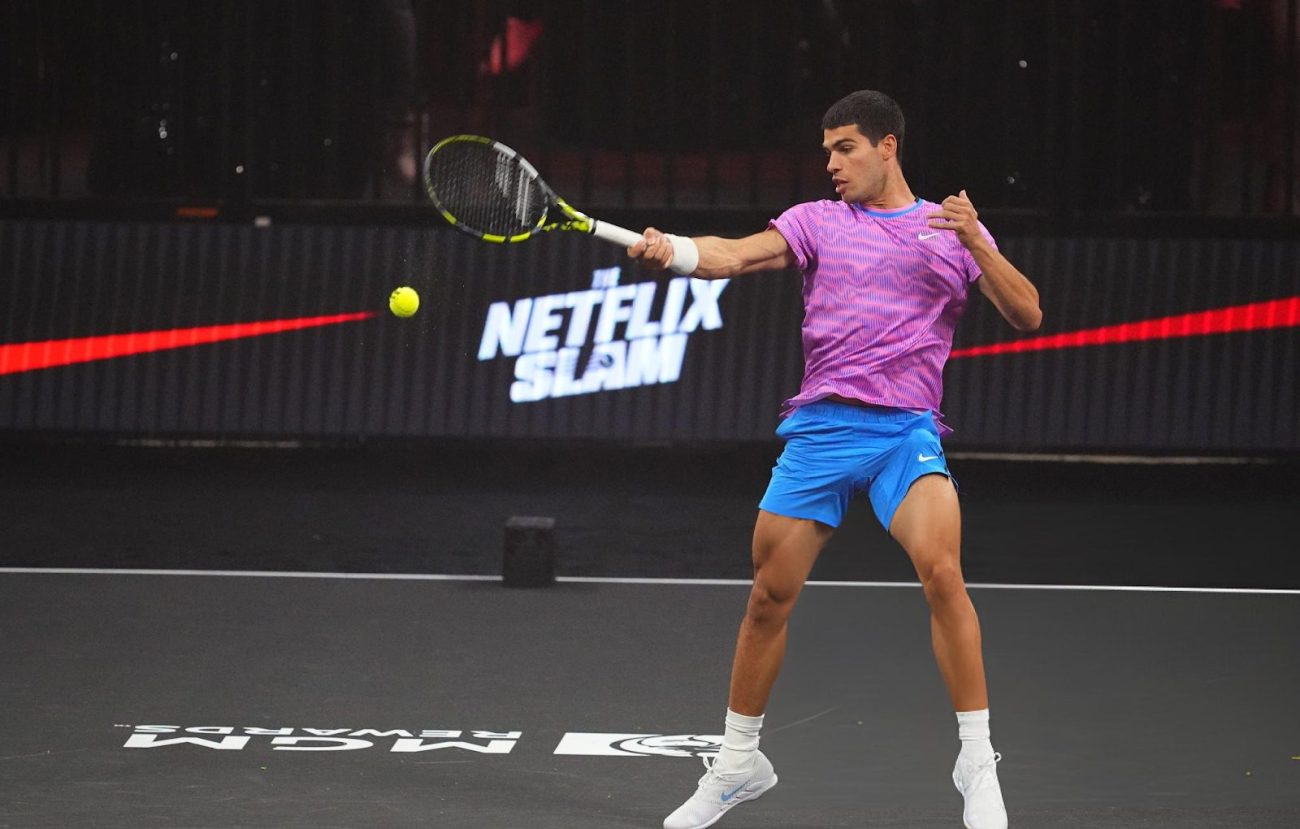
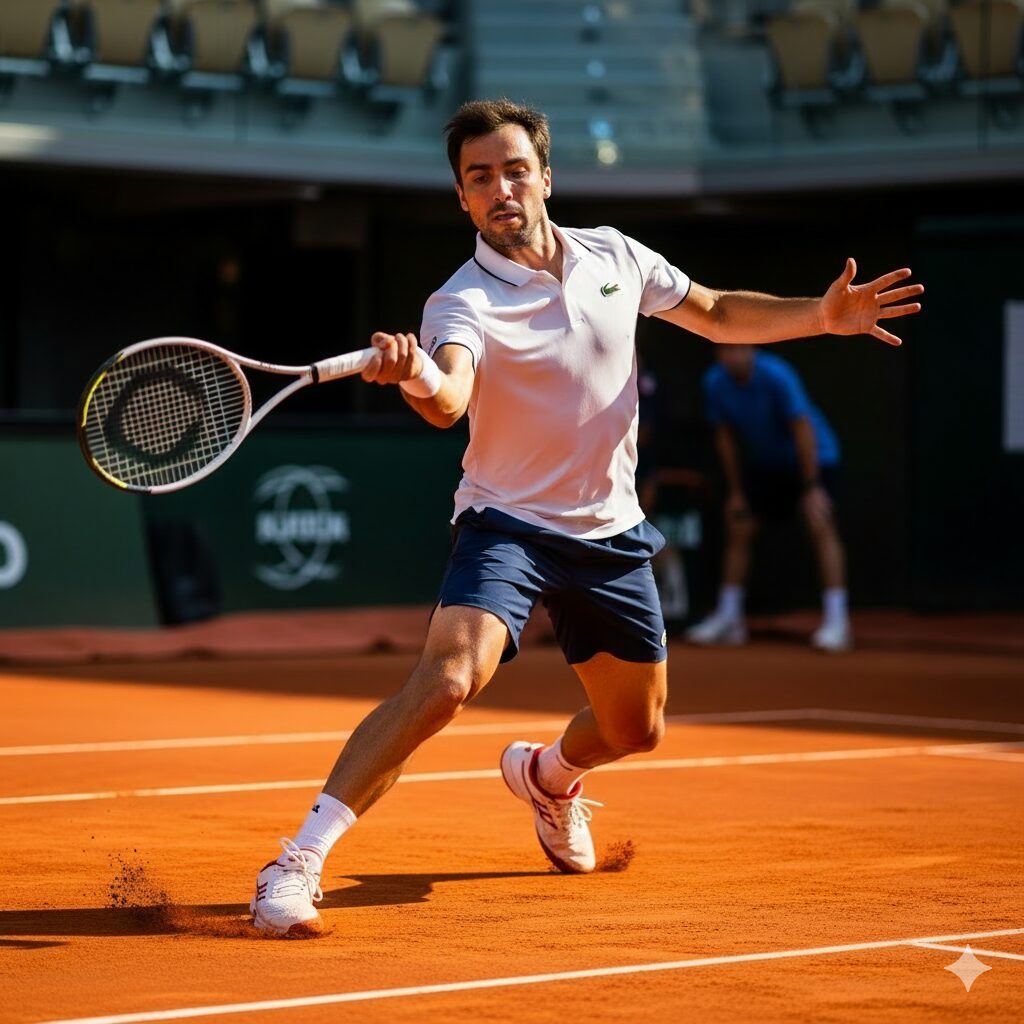
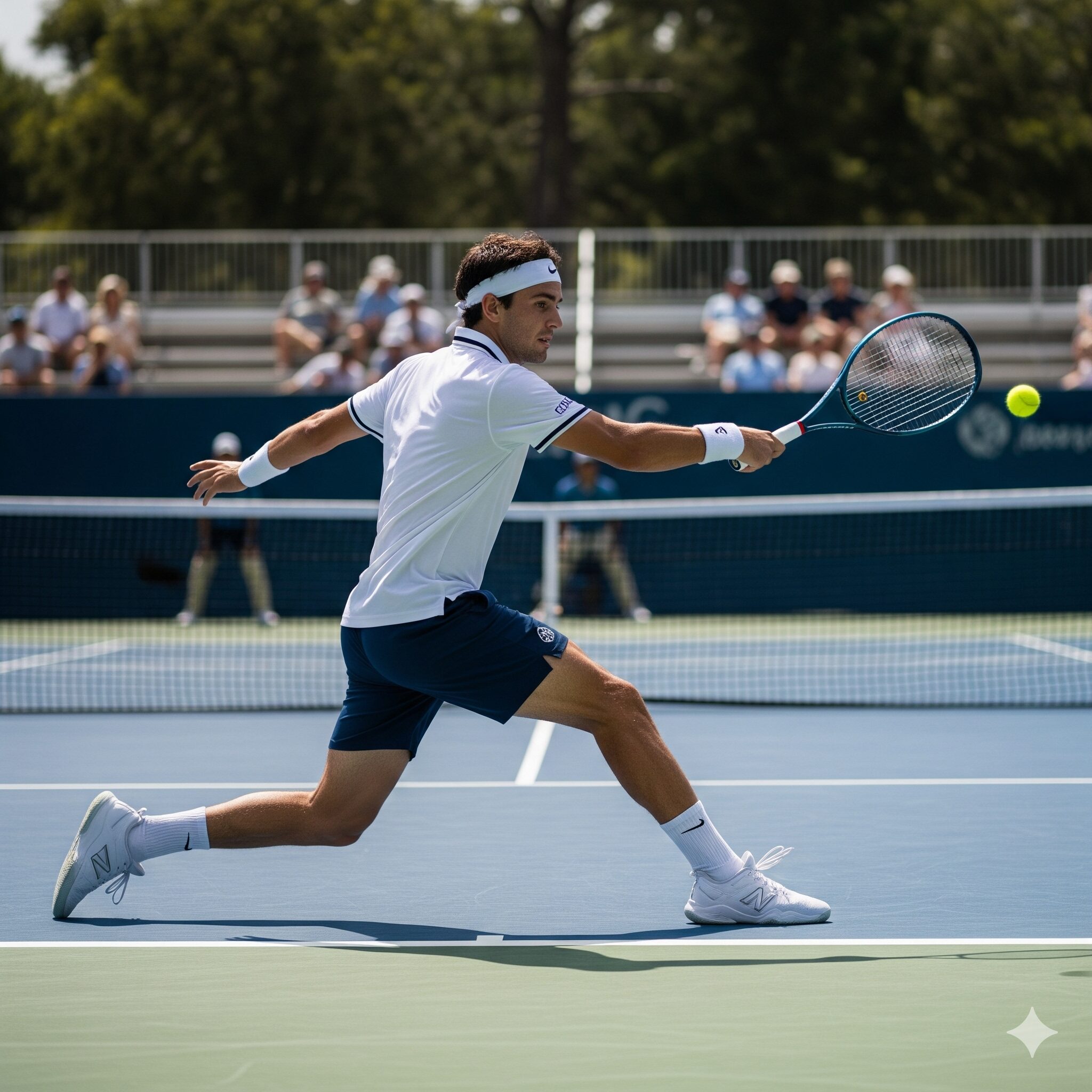
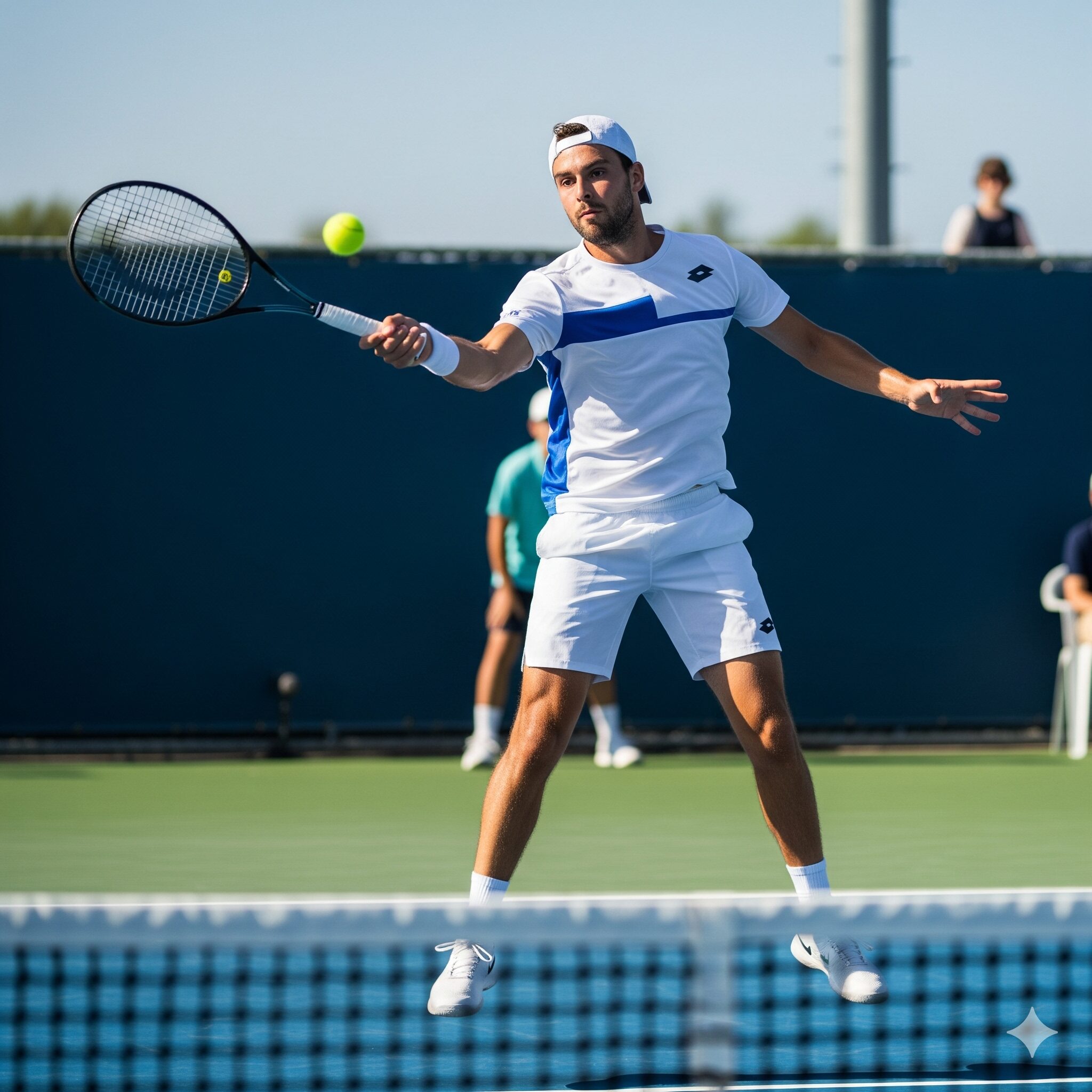
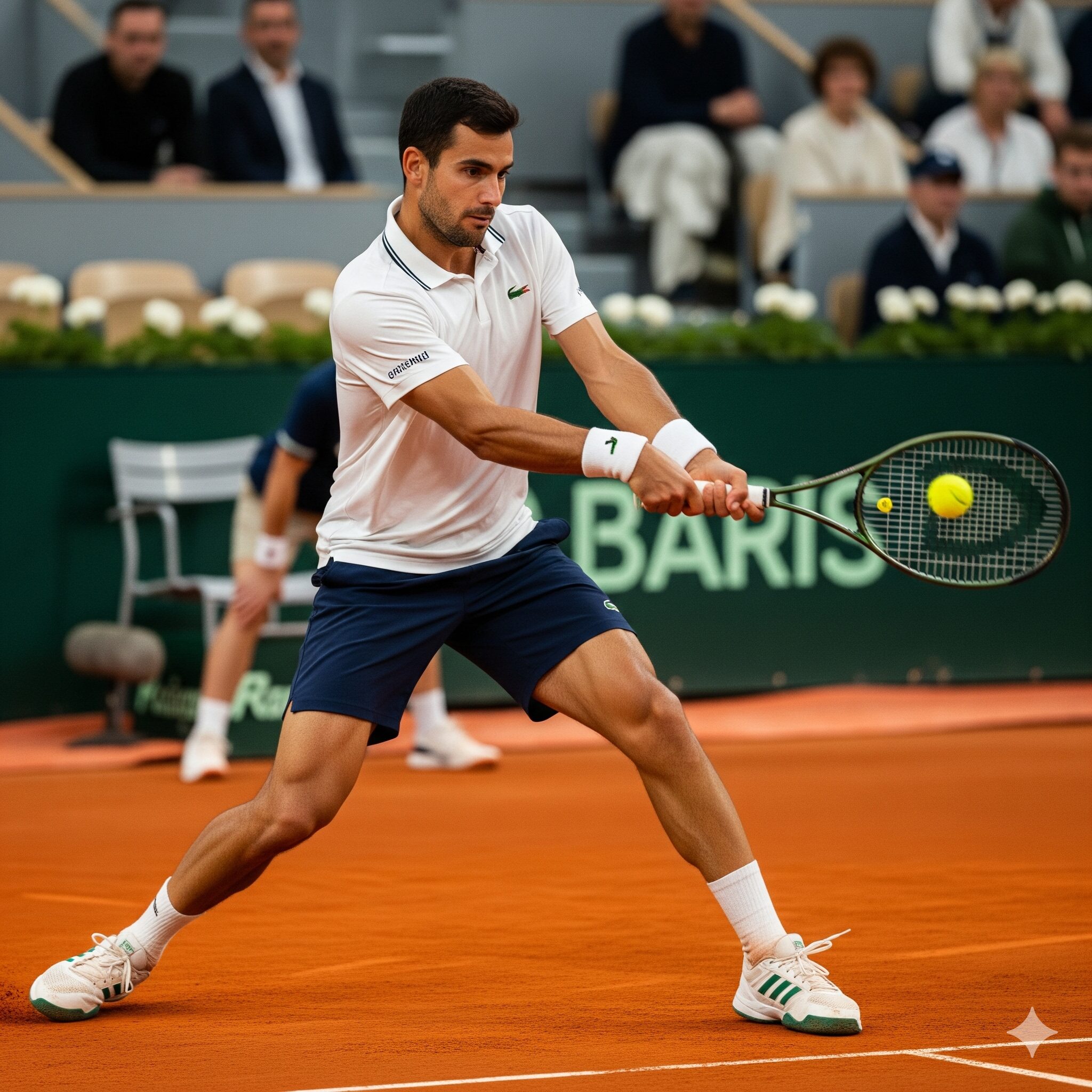
When Netflix premiered Six Kings Slam, it wasn’t just another tennis event—it aimed to redefine how fans consume the sport. For the first time ever, six of men’s tennis’ biggest names clashed in a live, knockout-style exhibition, exclusively streamed to Netflix’s 300+ million subscribers at no extra cost.

The format & the stakes
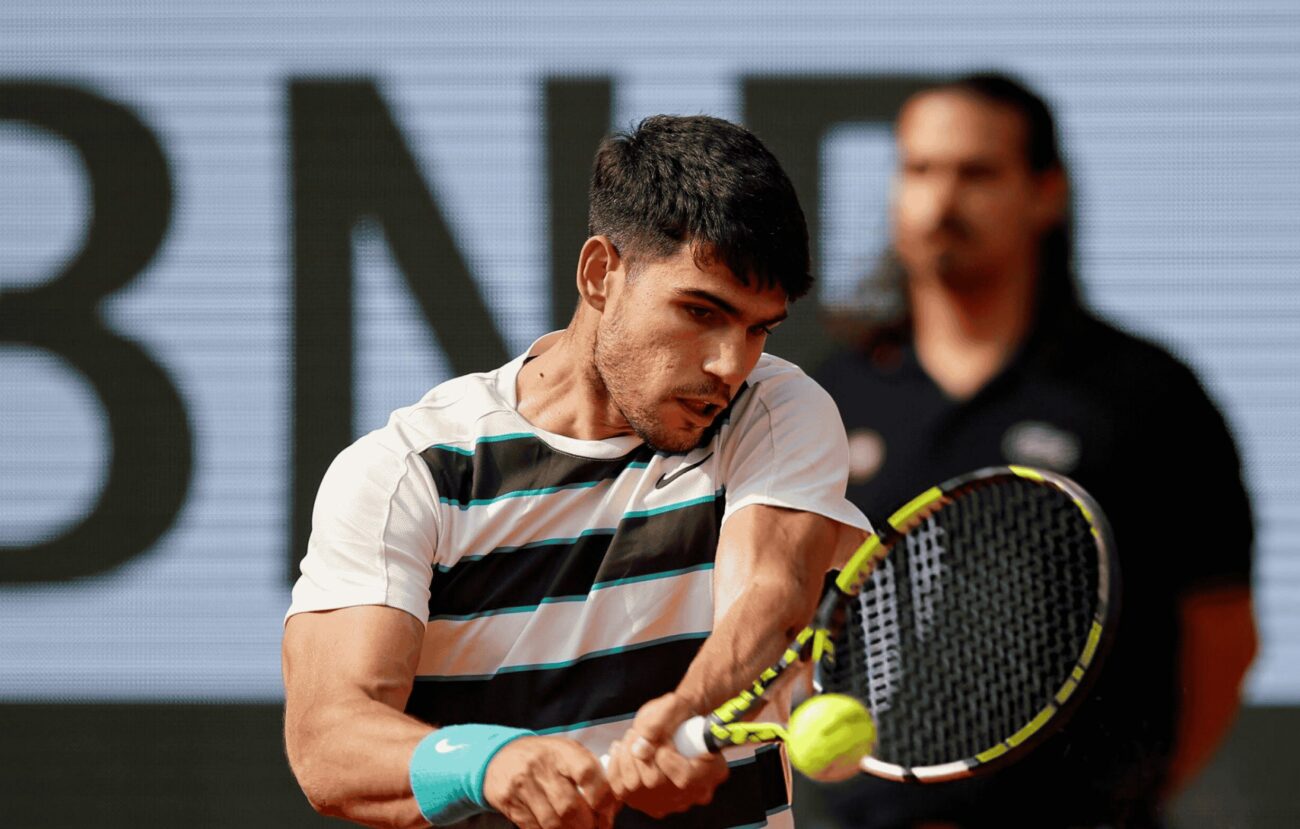
Held under the umbrella of Riyadh Season at the ANB Arena, the tournament ran October 15–18 (with a rest day on the 17th in line with exhibition norms). The six participants were: Novak Djokovic, Carlos Alcaraz, Jannik Sinner, Alexander Zverev, Taylor Fritz, and Stefanos Tsitsipas (Tsitsipas stepped in for Jack Draper, who withdrew due to injury). The structure gave byes to Djokovic and Alcaraz into the semifinals, while the remaining four contested quarterfinals.

But beyond the prestige was money: each player was guaranteed US$1.5 million just to take part, and the champion would take home a total of US$6 million (i.e. $4.5M additional on top of the appearance fee). That makes it among the richest one-off events in tennis history.

Netflix’s bold move into live sports
This edition marks Netflix’s first foray into live tennis streaming. The event will be entirely captured by a production setup of over 20 cameras, courtesy of IMG as host broadcaster. For Netflix, this is a strategic push—offering live sports content that complements its on-demand library. 

Drama, rivalries & reception
The narrative practically wrote itself: Sinner (Six Kings Slam 2024 champion) defending his crown, Alcaraz chasing redemption, Djokovic adding prestige to the field. In the semifinal, Sinner defeated Djokovic 6–4, 6–2 to set up a blockbuster rematch vs Alcaraz in the final.

The Controversy

The Six Kings Slam 2025 on Netflix hasn’t been all hunky dory. Some fans have complained about awkward camera angles and excessive cutting to closeups, arguing that the broadcast sometimes felt disorienting for tennis purists.

Why it matters
Six Kings Slam isn’t a title that counts toward ATP rankings, but its implications stretch far beyond. It signals a shift where streaming giants take center stage in live sports, reshaping how marquee tennis series might evolve. For the players, the mega payouts open new economics. For fans, it’s a fresh way to “watch and wait” rather than just follow scores.

8 Exciting Tennis Games every child will love

8 Exciting Tennis Games Every Child Will Love

Tennis is an incredible sport for children. It develops coordination, balance, agility, and focus while encouraging social interaction and confidence. But for kids, tennis needs to be fun first. Long drills or repetitive exercises can quickly become boring, which is why incorporating games and interactive drills is essential for keeping young players motivated and engaged.

Imagine a tennis session where laughter mixes with skill-building. Balls bounce, kids dash across mini-courts, and each point feels like a mini-victory. This is how kids learn best — through play, not just instruction.

In this guide, we’ll explore fun tennis games and drills designed to teach skills while keeping the court alive with energy and excitement.


1. Balloon Tennis: Learning Without Pressure

Objective: Develop hand-eye coordination and racket control.
Equipment: Balloons, rackets, or even foam paddles.

How to play:

  • Inflate a balloon and ask kids to keep it in the air using their racket.
  • Encourage them to move around the court and prevent the balloon from touching the ground.
  • Gradually increase difficulty by having two or more balloons in play.

Why it works:
Balloons move slowly, allowing kids to focus on timing, racket positioning, and coordination. It’s a stress-free way to introduce new players to the feel of hitting and tracking an object.


2. Target Practice: Accuracy Through Play

Objective: Improve precision and shot placement.
Equipment: Cones, hula hoops, or target mats.


How to play:

  • Place targets at various positions on the court.
  • Ask kids to aim their shots at the targets, using forehands, backhands, or volleys.
  • Award points for hitting targets and turn it into a friendly competition.

Why it works:
Kids develop focus and control while practicing important skills. The competitive element keeps the game exciting without the pressure of a formal match.


3. King of the Court: Mini Matches for Motivation

Objective: Teach strategy, rallying, and match play.
Equipment: Tennis balls, rackets, and a small court or marked area.

How to play:

  • Divide kids into two groups: challengers and defenders.
  • The defender starts on one side, trying to win points against challengers one by one.
  • If a challenger wins a point, they become the defender.
  • Rotate players frequently to keep everyone active.

Why it works:
This game fosters friendly competition, improves rallying skills, and teaches kids to think strategically while keeping energy levels high.


4. Red Light, Green Light Tennis: Footwork and Agility

Objective: Enhance movement, reaction speed, and court awareness.
Equipment: Tennis balls, rackets, and cones or markers.

How to play:

  • Line up kids on one side of the court.
  • When you say “green light,” they move toward the opposite side while dribbling the ball or bouncing it on their racket.
  • When you say “red light,” they must stop immediately.
  • Add “yellow light” for slow-motion movement.

Why it works:
This drill teaches kids to control their speed, adjust quickly, and improve footwork—all essential tennis skills.


5. Obstacle Courses: Combine Skills in a Fun Way

Objective: Develop coordination, agility, and problem-solving.
Equipment: Cones, ladders, ropes, balls, and rackets.

How to play:

  • Set up a mini obstacle course on the court. Include sections for running, side shuffles, ball bounces, and hitting through targets.
  • Have kids complete the course individually or in relay teams.
  • Time their runs and encourage improvement with each attempt.

Why it works:
Obstacle courses combine multiple tennis skills in one playful activity. Kids improve stamina, agility, and coordination while enjoying a game-like challenge.


6. Catch and Hit: Hand-Eye Coordination Drill

Objective: Improve reflexes and timing.
Equipment: Tennis balls, racquets, and soft surfaces or mini-courts.

How to play:

  • Partner kids up. One tosses the ball lightly, and the other hits it back.
  • Start with short distances and slow tosses, gradually increasing distance and speed.
  • Encourage variations like bouncing the ball first or hitting targets after the catch.

Why it works:
This drill strengthens reflexes, hand-eye coordination, and control. Kids also learn timing, which is crucial for effective rallies and volleys.


7. Tennis Tag: Combine Speed and Fun

Objective: Boost fitness, agility, and awareness.
Equipment: Tennis balls or soft foam balls, rackets optional.

How to play:

  • One child is “it” and tries to tag others using a soft ball.
  • Players move around the court, dodging and running, using tennis-style movements.
  • Rotate the “it” player every few minutes.

Why it works:
Tennis tag incorporates running, quick stops, and directional changes — all movement patterns used in real matches. Kids also enjoy the competitive and playful aspect.


8. Mini Tennis Matches: Progressing to Real Play

Objective: Teach match rules, scoring, and strategy in a controlled environment.
Equipment: Standard tennis balls (or low-compression balls for young kids) and rackets.

How to play:

  • Set up mini-courts using cones or existing court lines.
  • Use modified rules, shorter games, and smaller balls.
  • Encourage kids to rally, score points, and practice rotation of play.

Why it works:
Mini matches prepare kids for real competitions. They learn how to apply skills in a game context without the pressure of full-length matches.


Conclusion: Keeping Tennis Fun for Kids

The secret to developing young tennis players is balancing skill development with fun. Games and interactive drills ensure kids stay motivated while mastering coordination, footwork, accuracy, and match strategy.

A typical session could start with balloon tennis or red-light-green-light, move on to target practice and obstacle courses, and end with mini matches or King of the Court. This variety keeps children engaged, improves multiple aspects of their game, and instills a lifelong love for tennis.

By turning practice into play, coaches and parents can help children like Aarav not only develop tennis skills but also build confidence, social skills, and resilience — laying a strong foundation for future success both on and off the court.

The Top 10 Tennis tournaments in the world

The Top 10 Tennis Tournaments in the World and Why They Matter

Tennis is more than just a game of serves, volleys, and groundstrokes—it’s a global spectacle that captures the hearts of millions. Every year, fans tune in from every corner of the world to watch their favorite players battle it out on clay, grass, and hard courts. But not all tournaments are created equal. Some are legendary, shaping careers, defining rivalries, and influencing the sport’s history.

Whether you’re an aspiring player, a budding fan, or a seasoned tennis enthusiast, understanding the top tournaments gives you insight into the pinnacle of tennis competition. Let’s explore the top 10 tennis tournaments in the world in 2025 and why they matter.

The Top 10 Tennis Tournaments in the World in 2025

1. Wimbledon – The Prestige of Grass

Location: London, United Kingdom
Surface: Grass
Founded: 1877

Image

Wimbledon is the oldest and most prestigious tennis tournament in the world. Known for its perfectly manicured lawns, strict dress codes, and royal patronage, it represents the ultimate test of skill on grass courts. Players need precise footwork and quick reflexes to excel here, as grass is the fastest tennis surface.

Why It Matters:
Winning Wimbledon is a career-defining achievement. The tournament has seen legendary moments, from Björn Borg’s dominance to Serena Williams’ record-breaking victories. It’s the place where tradition meets tennis excellence.

2. The US Open – Power and Passion on Hard Courts

Location: New York City, USA
Surface: Hard (DecoTurf)
Founded: 1881

Image

The US Open is renowned for its energy, big crowds, and night matches. Players need power, endurance, and mental toughness to survive the long rallies and blazing sun of New York summers.

Why It Matters:
It’s a celebration of modern tennis. Champions here are tested against the clock, pressure, and the ever-fierce competition. Legends like Pete Sampras, Roger Federer, and Naomi Osaka have cemented their status with US Open triumphs.

3. The French Open (Roland Garros) – Clay’s Ultimate Test

Location: Paris, France
Surface: Clay
Founded: 1891

Image

The French Open, also known as Roland Garros, is the most physically demanding tennis tournament. Clay slows the ball and produces higher bounces, requiring patience, stamina, and impeccable strategy.

Why It Matters:
Winning on clay is a testament to a player’s endurance and tactical mastery. Rafael Nadal, famously known as the “King of Clay,” has dominated this court, proving why Roland Garros is essential for tennis greatness.

4. The Australian Open – The Start of the Tennis Calendar

Location: Melbourne, Australia
Surface: Hard (Plexicushion)
Founded: 1905

Image

The Australian Open kicks off the Grand Slam season with high energy, extreme summer heat, and state-of-the-art stadiums. Players face a fast-paced environment, requiring both speed and adaptability.

Why It Matters:
It sets the tone for the year. Champions gain early momentum, and emerging talents often make a name for themselves here. Its unique mix of heat, long rallies, and enthusiastic crowds makes it a must-watch tournament.

5. ATP Finals / Nitto ATP Finals – The Battle of the Best

Location: Turin, Italy (from 2021)
Surface: Hard Indoor
Founded: 1970

The ATP Finals bring together the top 8 men’s singles players and doubles teams based on their yearly performance. Unlike regular tournaments, it’s a round-robin format before the semifinals, making consistency crucial.

Why It Matters:
It’s a true measure of dominance over the season. Winning here shows a player isn’t just a one-time champion but a consistent performer against the very best.

6. WTA Finals – Women’s Ultimate Championship

Location: Shenzhen, China (rotates)
Surface: Hard Indoor
Founded: 1972

The WTA Finals is the pinnacle for women’s tennis, gathering the top 8 singles players and doubles teams of the year. It’s a showcase of skill, endurance, and strategic brilliance.

Why It Matters:
It’s the crown jewel for female players outside the Grand Slams. The WTA Finals highlight the season’s dominant players and provide thrilling matchups that often don’t happen in other tournaments.

7. Indian Wells Masters – The “Fifth Grand Slam”

Location: Indian Wells, California, USA
Surface: Hard
Founded: 1974

Officially known as the BNP Paribas Open, Indian Wells has earned the nickname “the fifth Grand Slam” due to its scale, prize money, and fan following. The outdoor desert setting makes stamina and focus vital.

Why It Matters:
It bridges the gap between regular tour events and the Grand Slams. Winning here demonstrates a player’s ability to compete under pressure in a near-Grand Slam environment.

8. Miami Open – Sunshine and Speed

Location: Miami, Florida, USA
Surface: Hard
Founded: 1985

Image

The Miami Open is known for its electric atmosphere, enthusiastic fans, and high-speed courts. Players face long rallies in humid conditions, testing both endurance and shot selection.

Why It Matters:
It’s a major indicator of form early in the season. Champions here often carry confidence into the clay and grass tournaments that follow.

9. Monte-Carlo Masters – Glamour on Clay

Location: Monte Carlo, Monaco
Surface: Clay
Founded: 1897
Image

Set against the stunning backdrop of the Mediterranean, Monte Carlo combines luxury with serious clay-court tennis. Players need finesse, patience, and tactical mastery.

Why It Matters:
It’s a clay-court specialist’s proving ground. Many champions use Monte Carlo as a stepping stone to Roland Garros, testing their endurance and strategy on European clay.

10. Queen’s Club Championships – The Grass Prep

Location: London, United Kingdom
Surface: Grass
Founded: 1890

The Queen’s Club tournament is the traditional warm-up for Wimbledon. Grass courts require precision, quick reactions, and strategic serving.

Why It Matters:
Winning here signals readiness for Wimbledon. Many legends, including Andy Murray, have used Queen’s as a confidence booster before attempting the ultimate grass-court Grand Slam.

Why These Tournaments Matter

These 10 tournaments represent the pinnacle of tennis achievement. Each surface, setting, and format tests different aspects of a player’s game:

  • Grass: Fast, reflex-based, rewards precision.
  • Clay: Slower, endurance-heavy, rewards strategy.
  • Hard: Balanced, rewards power and consistency.

Together, they define careers, create rivalries, and showcase the evolution of the sport. Winning any of these tournaments doesn’t just give trophies—it solidifies a player’s legacy.

Conclusion

From the historic lawns of Wimbledon to the high-speed courts of Miami, these tournaments are more than events—they’re stages where legends are born. They test every skill, every tactic, and every ounce of determination.

For fans, they offer unforgettable moments and stories. For players, they are milestones and dreams. And for the sport, they ensure tennis remains one of the most thrilling, competitive, and global games in the world.

Whether you aspire to play professionally or just love watching the drama unfold, understanding these tournaments is key to appreciating the sport at its highest level.


Tennis for kids Article Banner

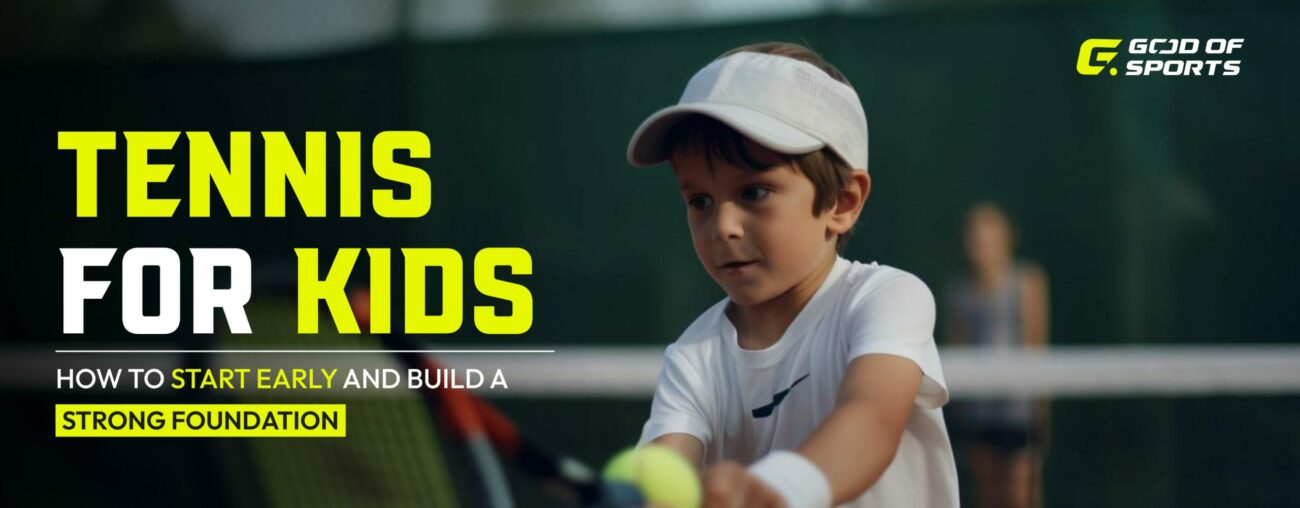
Tennis for Kids: How to Start Early and Build a Strong Foundation

Aarav had always been full of energy. At just seven years old, he loved running around, climbing trees, and kicking balls in the park. But when his parents suggested trying tennis, he wasn’t sure what to expect. The idea of hitting a ball over a net seemed both exciting and intimidating.

The first day at the local tennis academy was unforgettable. Aarav watched older kids swinging rackets with precision, the ball soaring across the court effortlessly. He wanted to be like them, but when he picked up his first racket, it felt awkward and heavy. The ball barely made it over the net, and Aarav’s frustration grew.

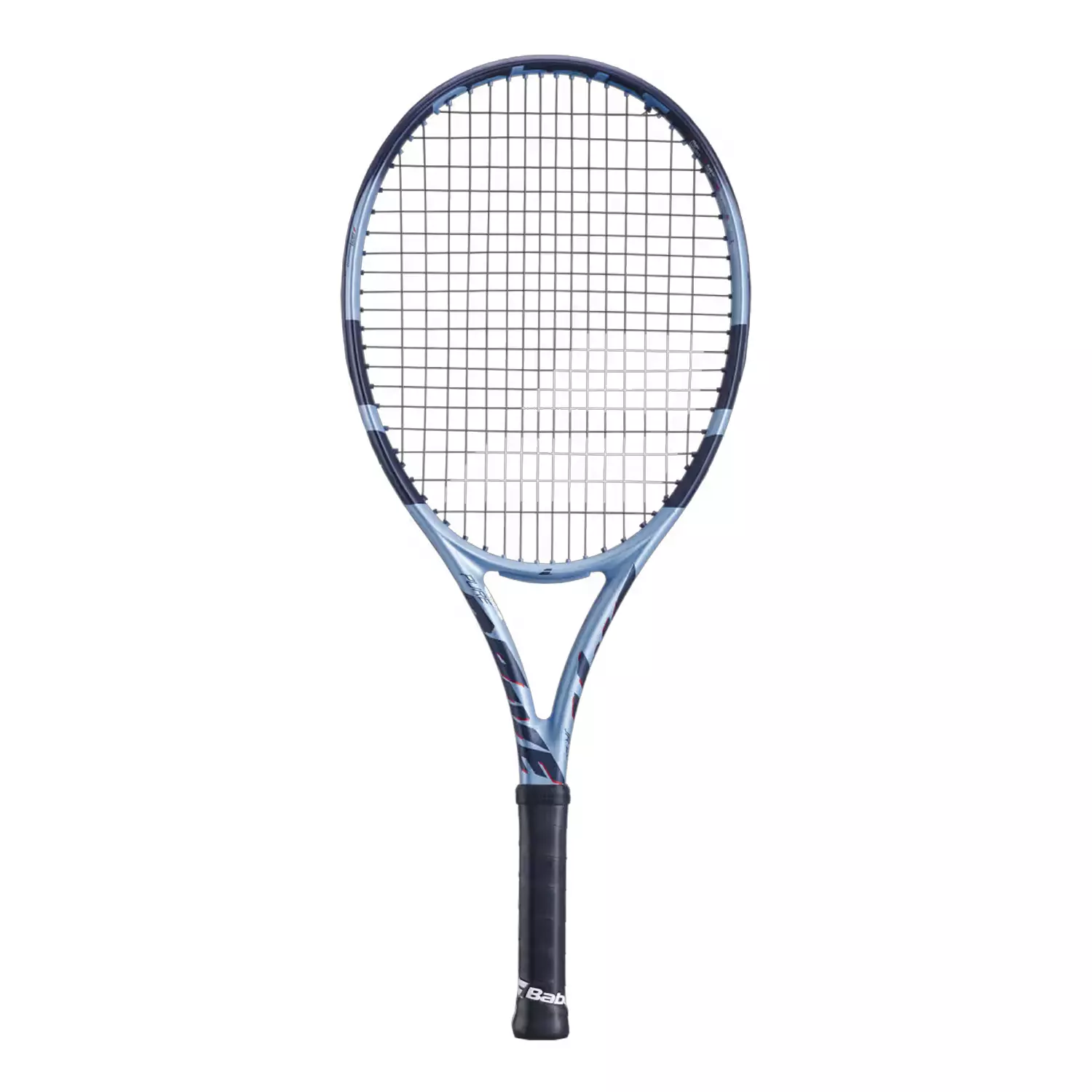
That’s when his coach handed him the Babolat Pure Drive Junior 26 Gen11. “This is your first racket, Aarav. It’s designed just for you,” the coach said with a reassuring smile.

The moment Aarav held the racket, something changed. Lightweight yet sturdy, it fit perfectly in his hands. Every swing felt natural, every hit gave him just the right amount of power without tiring him out. For the first time, hitting the ball felt fun, not frustrating. Aarav’s journey into tennis had officially begun.

Why Start Tennis Early?

Starting tennis at a young age has more benefits than just learning a sport. It’s a complete development package:

  1. Physical Growth: Tennis helps improve coordination, reflexes, speed, strength, and endurance — all essential for young bodies in growth.
  2. Mental Skills: Kids learn concentration, strategic thinking, and problem-solving with every rally.
  3. Social Interaction: Tennis academies provide a platform for children to meet peers, learn teamwork, and develop sportsmanship.
  4. Confidence Boost: Successfully hitting a shot, winning a point, or mastering a stroke builds self-esteem.

Aarav’s early exposure to tennis gave him more than just sport skills — it gave him a routine, a sense of accomplishment, and the joy of mastering something challenging.

Picking the Right Equipment for Young Players

The right gear can make or break a child’s experience in tennis. For Aarav, the Babolat Pure Drive Junior 26 Gen11 wasn’t just a racket — it was a tool that made learning exciting and safe.

Rackets: The Foundation of Good Technique

A proper junior racket is essential. Here’s why Aarav’s racket was perfect:

  • Lightweight Design: Makes swinging easier for small hands.
  • Responsive Frame: Helps generate power without overexerting young muscles.
  • Correct Size: Ensures proper grip, preventing strain or injury.

Other junior racket considerations include balance (head-light or even-balance) and flexibility of the shaft, which affects power and control.

For young beginners, the Babolat Pure Drive Junior 26 Gen11 stands out as an ideal first racket. Check it out here.

Babolat Pure Drive Junior 26 Gen11 Tennis Racquet

Balls: Start Soft, Gradually Increase Speed

  • Red Balls: Low compression, slow speed — perfect for ages 4–8.
  • Orange Balls: Medium compression for ages 8–10.
  • Green Balls: Slightly faster for kids approaching full-sized courts.

Aarav began with red balls, learning to time his swings and develop control before moving on to faster balls as his technique improved.

Shoes & Apparel

Proper tennis shoes are non-negotiable for kids:

  • Support lateral movements.
  • Prevent injuries on hard courts.
  • Provide cushioning for jumps and quick stops.

Comfortable, breathable clothing ensures freedom of movement. Aarav loved his first lightweight tennis kit — it made him feel like a professional player even at the academy.

Learning the Fundamentals: Drills & Techniques

Once Aarav had the right racket and balls, the real learning began. Early training focuses on fundamentals:

  1. Grip & Swing Basics: Understanding forehand, backhand, and correct racket hold.
  2. Footwork: Quick, precise steps across the court, balance, and stance.
  3. Coordination Drills: Catching, bouncing, and hitting balls to improve hand-eye coordination.
  4. Mini Games: Fun challenges to reinforce learning while keeping engagement high.

Aarav’s coach emphasized repetition with positive reinforcement. Every successful shot boosted his confidence and made the next drill more enjoyable.

Making Practice Fun

Tennis for kids is most effective when it’s fun. Aarav’s academy used games like “Target Zones” and “King of the Court” to keep children motivated. The Babolat Pure Drive Junior 26 Gen11 helped Aarav feel successful early on, hitting rallies longer and more accurately than he imagined possible.

Fun, structured play is key:

  • Short, frequent sessions.
  • Mix of drills and light competitions.
  • Praise and rewards for effort, not just results.

This approach ensures kids stay engaged without feeling pressured, making skill acquisition faster and more enjoyable.

Building a Long-Term Foundation

Early exposure to tennis builds muscle memory, focus, and love for the sport. Aarav, who started at seven, gradually moved to orange balls, then green balls, and finally full-sized adult rackets as he grew stronger.

The principles remain the same:

  1. Consistency: Regular practice develops habits.
  2. Technique First: Power comes naturally once strokes are correct.
  3. Physical Conditioning: Strength, agility, and endurance exercises tailored for kids.
  4. Mental Training: Focus, patience, and learning to manage both wins and losses.

By age 10, Aarav had a strong foundation. He could rally, serve, and return shots with confidence, all thanks to starting early and having the right equipment from day one.

Encouraging Parents & Guardians

Parents play a vital role in keeping the tennis journey positive:

  • Support, don’t pressure: Celebrate effort, not just points won.
  • Provide proper gear: A junior racket like the Babolat Pure Drive Junior 26 Gen11 ensures comfort and safety.
  • Encourage regular practice: Short, frequent sessions are better than long, tiring ones.
  • Promote fun: Games, challenges, and mini-competitions make learning enjoyable.

Aarav’s parents were patient and supportive, attending his sessions and ensuring he had the right equipment. That guidance made all the difference.

Final Thoughts

Starting tennis early gives kids an unmatched advantage — not just in the sport, but in physical development, mental skills, and self-confidence. Aarav’s journey shows how the right approach — combining fun, fundamentals, and proper equipment like the Babolat Pure Drive Junior 26 Gen11 — can make all the difference.

For parents, the takeaway is simple: pick the right gear, enroll your child in a supportive program, and let them enjoy the journey. The next tennis champion could be your child.

Want your kid to be the next tennis champ just like Aarav? Then head to God of Sports and choose from a wide variety of tennis rackets perfect for your champ.

The Science of Tennis: How to Improve Your Speed, Strength, and Endurance

Tennis isn’t just a game of technique and strategy; it’s a sport that challenges your body and mind simultaneously. Whether you’re chasing a powerful serve, sprinting across the baseline, or maintaining focus through long rallies, your body’s physical conditioning plays a pivotal role in your performance. In 2025, professional and amateur players alike are realizing that mastering the science behind speed, strength, and endurance is just as important as mastering strokes.

Imagine this: You’re in the fifth set of a match. Every fiber of your body is fatigued. Your opponent hits a blistering cross-court shot. Will you reach it? Will you generate enough power to return it? The answer depends not only on your skill but on how well you’ve trained your body. This is where understanding the science of tennis becomes your competitive advantage.

In this article, we dive deep into the science of tennis performance and provide actionable insights on improving speed, strength, and endurance, helping you elevate your game both physically and mentally.

1. The Role of Speed in Tennis

Speed in tennis isn’t just about running fast—it’s about explosive movements, quick directional changes, and reaction time. A fast player can cover the court efficiently, respond to aggressive shots, and maintain a competitive edge throughout rallies.

Key Components of Tennis Speed

  1. Acceleration – Quickly moving from a stationary position to reach the ball. 
  2. Lateral Movement – Side-to-side agility to respond to cross-court shots. 
  3. Reaction Time – The ability to anticipate your opponent’s next move. 
  4. Footwork Efficiency – Using the minimum energy to cover maximum ground. 

Drills to Improve Speed

  • Ladder Drills: Enhance agility and quick foot placement. 
  • Sprint Intervals: Short bursts of 10–20 meters replicate match scenarios. 
  • Cone Drills: Improve change of direction and acceleration from different starting points. 

Why it matters:
Professional players like Novak Djokovic and Serena Williams rely on speed to retrieve seemingly unreachable shots. Improving speed directly affects your ability to dominate the court, return difficult shots, and maintain aggressive play.

2. Building Strength for Powerful Shots

Strength is the foundation of every effective tennis shot. From a fast serve to a topspin forehand, muscle power plays a crucial role in transferring energy from your body to the ball.

Muscle Groups to Focus On

  • Legs: Quads, hamstrings, calves for explosive movement and balance. 
  • Core: Abs, obliques, and lower back for rotational power and stability. 
  • Upper Body: Shoulders, biceps, triceps, and forearms for stroke power. 

Strength Training Techniques

  1. Plyometrics: Exercises like jump squats and medicine ball throws improve explosive strength. 
  2. Resistance Training: Focus on compound lifts like squats, deadlifts, and bench presses. 
  3. Core Workouts: Planks, Russian twists, and rotational throws enhance rotational force in strokes. 

Why it matters:
Stronger muscles generate faster serves, more powerful groundstrokes, and sustained energy throughout matches. Studies show that professional players who focus on strength conditioning see measurable improvements in ball speed and shot consistency.

3. Endurance: The Key to Lasting Performance

Tennis matches can last anywhere from 30 minutes to over 5 hours. Endurance determines your ability to maintain performance levels through long rallies, sets, and tournaments. Without proper conditioning, even technically skilled players may falter in the later stages of a match.

Components of Tennis Endurance

  • Cardiovascular Endurance: Ability to sustain prolonged activity without fatigue. 
  • Muscular Endurance: Maintaining strength and stability in muscles during repeated movements. 
  • Mental Endurance: Staying focused and confident under physical stress. 

Endurance Training Techniques

  1. Interval Training: Alternate between high-intensity sprints and slower recovery periods to simulate match play. 
  2. Long-Distance Running: Improves cardiovascular capacity and stamina. 
  3. On-Court Rally Drills: Practice long rallies with a partner, focusing on maintaining consistency and shot precision. 

Why it matters:
Top players like Rafael Nadal attribute their longevity in matches to a combination of endurance training and mental resilience. Stamina ensures that your performance does not decline as matches progress.

4. Nutrition and Recovery: Fueling the Tennis Body

No training regimen is complete without proper nutrition and recovery. Tennis players expend thousands of calories in a single match, and inadequate recovery can hinder performance and increase injury risk.

Nutrition Tips for Tennis Players

  • Pre-Match: Consume complex carbs like oatmeal or whole grains for sustained energy. 
  • During Match: Stay hydrated and consider electrolyte drinks to maintain energy levels. 
  • Post-Match: Focus on protein-rich foods like lean meats, eggs, and legumes to repair muscle tissue. 

Recovery Techniques

  • Stretching & Mobility Work: Prevent injuries and maintain flexibility. 
  • Foam Rolling: Reduces muscle soreness and improves blood flow. 
  • Rest & Sleep: Essential for muscle repair and mental clarity. 

Why it matters:
Players who optimize nutrition and recovery can train harder, reduce injury risk, and maintain peak performance throughout tournaments.

5. Integrating Science into Tennis Practice

Combining speed, strength, and endurance training creates a holistic tennis athlete. However, science isn’t just about physical conditioning—it’s also about data and analysis.

  • Wearable Technology: Track heart rate, speed, and distance to monitor progress. 
  • Video Analysis: Review swing mechanics and movement patterns to identify areas for improvement. 
  • Performance Metrics: Analyze serve speed, shot placement, and rally success to guide training priorities. 

Why it matters:
Understanding your body’s performance metrics allows you to tailor your training efficiently, ensuring each session contributes to measurable improvement.

6. Mental Training: The Overlooked Science

Physical conditioning alone isn’t enough. Tennis is as much a mental game as it is physical. Focus, strategy, and resilience play critical roles in winning matches.

Techniques to Boost Mental Endurance

  • Visualization: Imagine yourself successfully executing shots under pressure. 
  • Mindfulness: Techniques like meditation improve focus and reduce anxiety. 
  • Match Simulation: Practice high-pressure points to develop mental toughness. 

Why it matters:
Players like Roger Federer and Naomi Osaka excel not just because of their physical abilities but also their mental discipline. Training the mind ensures consistency under pressure and helps you stay confident in crucial moments.

Conclusion: Master the Science, Elevate Your Game

Tennis in 2025 isn’t just about hitting powerful shots—it’s about understanding the science behind movement, muscle, and mind. Improving speed allows you to reach more balls; building strength generates powerful and consistent shots; and endurance ensures you maintain performance throughout long matches. Combine this with proper nutrition, recovery, and mental training, and you have a winning formula.

The journey to becoming a complete tennis player requires dedication, consistency, and strategic training. By embracing the science of tennis, you can transform your game, gain a competitive edge, and enjoy the sport to its fullest.

Whether you’re aiming for the next local tournament or dreaming of Grand Slam glory, the science of tennis is your ultimate ally in achieving peak performance.

Tennis Gear Breakdown: Shoes, Strings, and Accessories You Need in 2025

In tennis, talent and technique matter—but so does your gear. The right shoes, strings, and accessories can elevate your game, reduce the risk of injury, and even give you a psychological edge over your opponent. With innovations in sports technology and the growing influence of pro players on equipment trends, 2025 has brought new breakthroughs in tennis gear that every player—from recreational enthusiasts to aspiring professionals—should know about.

This guide breaks down the must-have tennis gear in 2025, covering shoes, strings, and essential accessories to help you stay competitive and comfortable on the court.

1. Tennis Shoes: Stability Meets Innovation

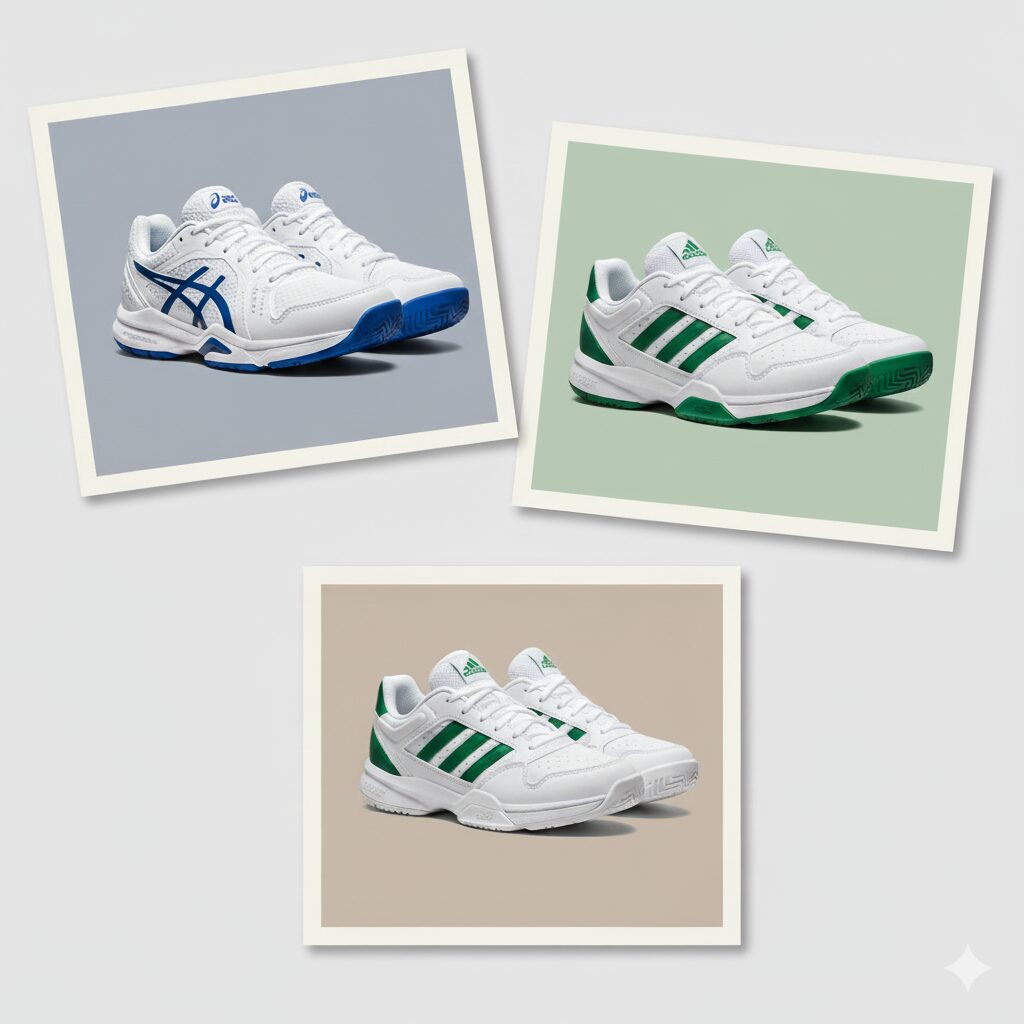
Your movement on the court depends largely on your footwear. A tennis shoe isn’t just about comfort—it’s about grip, support, and durability designed for sudden sprints, stops, and slides.

Key Features to Look for in 2025

  • Advanced Outsoles: Multi-surface grip technology now adapts to clay, hard, and grass courts, saving players from having to buy separate shoes.
  • Lightweight Cushioning: Brands have introduced foam systems that combine shock absorption with explosive responsiveness.
  • Ankle & Arch Support: Essential for reducing strain and avoiding common tennis injuries.

Recommended Options

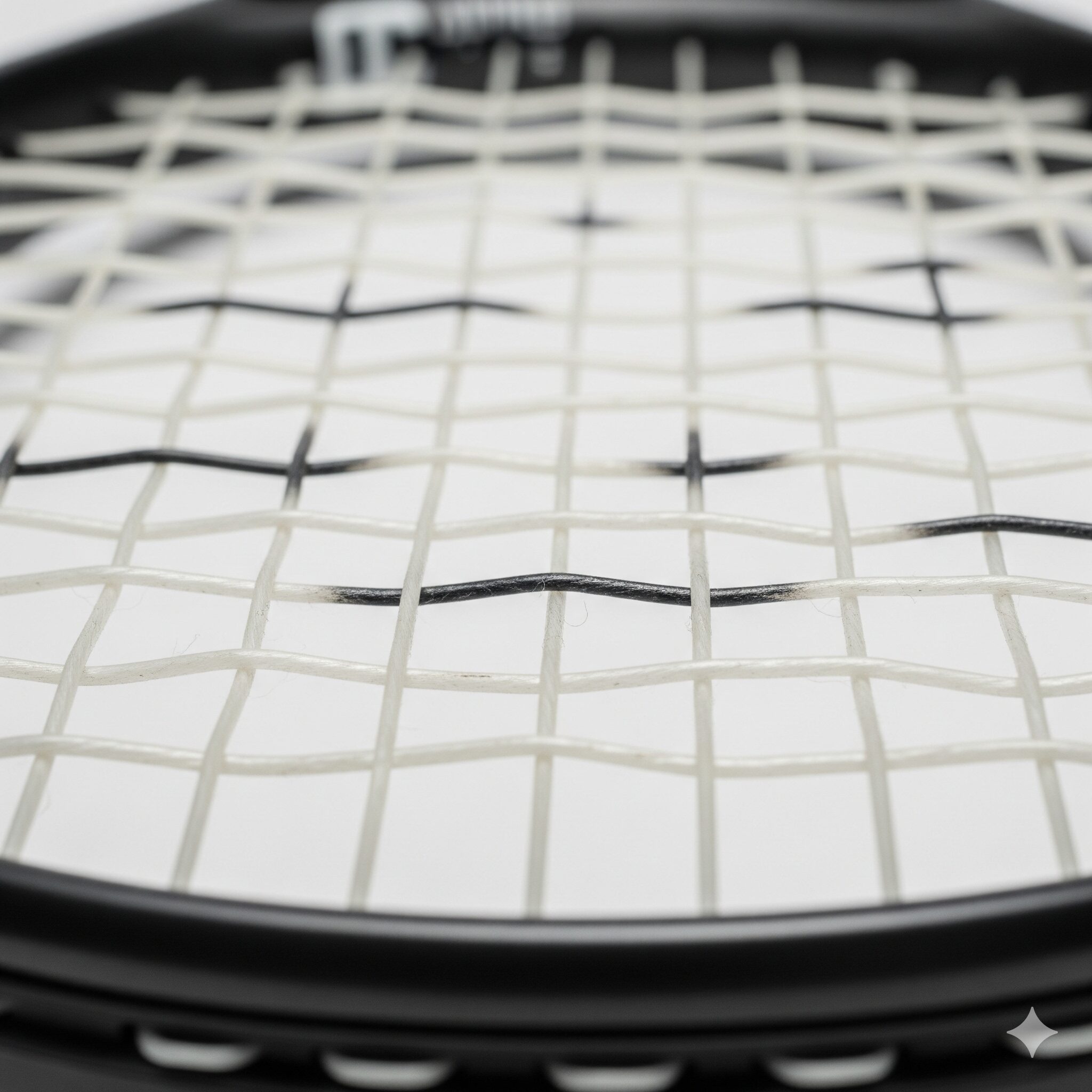
2. Tennis Strings: Power, Spin, and Control

Your racquet is only as good as the strings you put in it. Strings are the engine of your racquet, and choosing the right ones can make all the difference.

Types of Strings in 2025

  • Polyester Strings: Best for spin and control, though slightly stiffer on the arm.
  • Multifilament Strings: Offer comfort and power, perfect for players prone to elbow injuries.
  • Hybrid Strings: Combining polyester and multifilament gives you the best of both worlds—spin and comfort.

String Innovations in 2025

  • Smart Strings: Some brands now produce strings embedded with micro-sensors to measure ball impact and tension.
  • Eco-Friendly Options: Biodegradable materials are becoming mainstream, appealing to eco-conscious players.

Recommended Options

3. Tennis Accessories: The Unsung Heroes

Accessories may seem secondary, but they can be game-changers when it comes to performance and convenience.

Must-Have Accessories in 2025

  • Overgrips & Replacement Grips: A fresh grip ensures control, absorbs sweat, and prevents slipping.
  • Vibration Dampeners: Reduce shock and add a softer feel to your racquet.
  • Smart Wearables: From wristbands that track calories and shot speeds to AI-powered headbands monitoring hydration.
  • Tennis Bags: Modern bags now include climate-control compartments to protect racquets from temperature changes.
  • Socks & Apparel Add-ons: Compression socks, sweatbands, and UV-protective sleeves are gaining popularity.

4. Bonus: Technology Integration in Gear

The tennis gear industry in 2025 is heavily influenced by technology:

  • AI-Powered Coaching Apps: Many racquet sensors sync with mobile apps to analyze swing mechanics.
  • Sustainability Movement: Eco-friendly materials are driving innovation in shoes, bags, and even string packaging.
  • Customization at Scale: Brands offer more personalized gear—custom string tension, shoe fit, and racquet grips.

Conclusion

Tennis in 2025 is no longer just about practice—it’s about pairing your training with the right gear. From advanced shoes that protect your feet during hours of rallies, to strings that fine-tune your game, and accessories that add performance and comfort, every detail matters.

If you’re serious about improving your game, invest wisely in your gear. Think of your equipment not just as tools, but as extensions of your performance. The right shoes, strings, and accessories can be the difference between playing tennis and mastering it.

Top 10 Tennis Drills Every Player Should Know (2025)

Tennis is a game of precision, agility, and mental toughness. Whether you’re a beginner just picking up a racket or an experienced player aiming to take your game to the next level, one thing remains true—consistent practice is key to success. But practicing without purpose can lead to stagnation, which is why tennis drills are essential.

In 2025, the focus isn’t just on hitting the ball back and forth; it’s about refining every aspect of your game—your footwork, your swing, your stamina, and your ability to adapt to any situation on the court. Drills are the building blocks that help you master each of these elements.

Imagine this: You’re in the middle of a match, and the rally has been going on for several minutes. Your opponent sends a powerful cross-court shot your way, and you need to be quick and precise to return it. What gets you through this moment isn’t just luck, it’s the hours of practice you’ve put in, developing the skills you need to execute that shot.

In this guide, we’ve compiled 10 essential tennis drills that every player should know, whether you’re looking to improve your serve, footwork, control, or stamina. These drills will help you build the muscle memory, consistency, and mental fortitude you need to succeed on the court. Let’s dive into the drills that will take your tennis game to new heights.


1. Shadow Swing Drill: Perfecting Your Technique

Goal: Improve form and fluidity of strokes.
Equipment: None (just your racket and open space).
How to do it:

  • Stand in front of a mirror or an open space. 
  • Perform your forehand and backhand swings without hitting a ball, focusing entirely on your form and follow-through. 
  • Try to simulate the real swing, paying attention to your grip, body rotation, and footwork. 
  • Perform 10–15 repetitions of each stroke. 

Why it helps:
The Shadow Swing Drill is perfect for beginners or intermediate players working on the fundamentals of stroke technique. It helps reinforce proper form and body alignment, which is essential for developing consistency in your shots.

2. The Mini Tennis Drill: Focus on Control and Placement

Goal: Improve ball control and accuracy.
Equipment: Tennis court and tennis balls.
How to do it:

  • Start by hitting the ball with your partner while standing at the service line (about halfway across the court). 
  • Focus on placing the ball in different areas of your opponent’s half (forehand side, backhand side, deep, or short). 
  • Use soft, controlled swings and aim for accuracy rather than power. 
  • Gradually move further back as your control improves. 

Why it helps:
This drill is excellent for beginners and intermediate players to develop control and placement of shots. It’s also great for improving your ability to place the ball effectively without the pressure of hitting hard.


3. The Serve and Return Drill: Mastering the Foundation

Goal: Improve serving and returning skills.
Equipment: Tennis balls and a partner.
How to do it:

  • Partner up with someone, with one player serving and the other focusing on returning the serve. 
  • Practice serving from different spots on the service box (wide, body, and down the T). 
  • After serving, move forward and practice returning the ball with good technique. 
  • Switch roles after a set number of serves (5–10 serves each). 

Why it helps:
The serve and return are the foundation of a tennis match, so practicing these aspects will immediately impact your overall performance. This drill helps you work on both the accuracy of your serve and the consistency of your return.


4. The Cross-Court Drill: Developing Consistency and Footwork

Goal: Improve consistency and footwork.
Equipment: Tennis balls, racket, and a partner.
How to do it:

  • Stand on opposite sides of the baseline with a partner. 
  • Begin rallying by hitting forehands or backhands cross-court (diagonally to your opponent’s side). 
  • Focus on keeping the ball inside the lines and using controlled strokes. 
  • After 10–15 shots, switch sides or move to a different drill. 

Why it helps:
Cross-court drills are great for working on consistency. By hitting the ball diagonally, you’re covering a larger portion of the court, which simulates match situations. The drill also helps improve footwork, as players need to adjust their position and balance quickly.


5. The Volley Drill: Enhancing Net Play

Goal: Improve volley technique and reflexes.
Equipment: Tennis balls and a partner.
How to do it:

  • Stand near the net and have your partner feed balls to you from the baseline or service line. 
  • Focus on making clean volleys with minimal backswing. 
  • Work on both forehand and backhand volleys, emphasizing quick reflexes and proper racquet position. 
  • Switch places with your partner after a set number of volleys (5–10 shots). 

Why it helps:
Volleys are crucial for aggressive net play, and this drill enhances your ability to intercept and return balls quickly. It also helps you develop confidence in your reflexes and ability to control shots at the net.


6. The Agility Ladder Drill: Building Speed and Coordination

Goal: Improve footwork, speed, and coordination.
Equipment: Agility ladder (or chalk markers for DIY).
How to do it:

  • Set up an agility ladder on the ground (or use markers to create a ladder pattern). 
  • Start by stepping in and out of each square as quickly as possible, focusing on light and quick steps. 
  • Gradually increase the speed as you get more comfortable. 
  • Perform variations such as lateral movements and high knees for more challenge. 

Why it helps:
Footwork is a critical aspect of tennis, and this drill improves speed, agility, and coordination. By strengthening your lower body, you’ll be able to move more efficiently and reach balls with greater ease.


7. The Rally with Targets Drill: Improving Accuracy

Goal: Enhance shot placement and accuracy.
Equipment: Tennis balls, racket, and cones/markers.
How to do it:

  • Set up several targets (such as cones or markers) on different spots on the court. 
  • Rally with your partner, aiming for the targets during each shot. 
  • Focus on placing the ball in different areas of the court while maintaining consistency. 
  • Switch sides and targets after a set number of rallies. 

Why it helps:
This drill is designed to improve your ability to hit specific targets during a rally, which is essential for developing control over your shots. Accuracy is crucial, especially during long rallies, and this drill sharpens your shot placement.


8. The Backhand Drill: Mastering the One-Handed or Two-Handed Backhand

Goal: Improve backhand technique and power.
Equipment: Tennis balls and racket.
How to do it:

  • Stand at the baseline and hit a series of backhand shots with your partner. 
  • Focus on maintaining proper form, with your weight shifting through the shot and your non-dominant hand stabilizing the racquet. 
  • Practice both one-handed and two-handed backhands, depending on your playing style. 
  • Vary the direction of the shots—down the line, cross-court, and deep. 

Why it helps:
Backhands often require more finesse and are considered a weak spot for many players. By practicing consistently, you can develop a solid backhand that allows you to handle a variety of shots with confidence.


9. The Approach Shot Drill: Transitioning from Baseline to Net

Goal: Practice attacking and moving to the net.
Equipment: Tennis balls and a partner.
How to do it:

  • Start by hitting a deep groundstroke from the baseline. 
  • Move forward quickly after the shot, then prepare to hit a volley or an overhead once you approach the net. 
  • Focus on footwork to ensure a smooth transition from the baseline to the net. 
  • Practice both forehand and backhand approach shots. 

Why it helps:
This drill helps you develop the skill of transitioning from defensive baseline play to offensive net play. Approach shots are crucial for players looking to take control of the match and move into the attacking position.


10. The Endurance Rally Drill: Building Stamina and Consistency

Goal: Improve endurance and stamina for long rallies.
Equipment: Tennis balls and a partner.
How to do it:

  • Set a timer for 5–10 minutes and rally with your partner, aiming for long, continuous rallies. 
  • Focus on maintaining consistent shot placement, minimizing errors, and maintaining your stamina throughout the drill. 
  • Gradually increase the duration of the drill as your fitness level improves. 

Why it helps:
Endurance is essential in tennis, especially for long matches that require mental and physical resilience. This drill will help you maintain focus and consistency during extended rallies and improve your overall stamina.


Conclusion: Perfecting Your Tennis Skills

Drills are the backbone of every tennis player’s improvement. Whether you’re working on your footwork, volley, backhand, or endurance, each drill targets a specific skill that is essential for a well-rounded game. By practicing these top 10 tennis drills regularly, you’ll develop the necessary skills to move quickly, hit consistently, and improve your overall performance on the court.

Remember, consistency is key. Keep challenging yourself with these drills, and don’t be afraid to adjust them as you progress. Soon enough, you’ll see noticeable improvements in your game, and you’ll be one step closer to mastering the sport!

The Ultimate Guide to Tennis Court Types & Surface Differences

Tennis is a dynamic sport played across various surfaces, each offering a unique set of challenges that affect gameplay. Whether you’re playing in a local club or watching the pros compete on the world stage, you’ll notice that not all tennis courts are the same. In fact, the surface you play on can significantly impact how the ball bounces, how fast it moves, and even how you move on the court.

For beginners and seasoned players alike, understanding the different types of tennis court surfaces is essential to improving your game and adapting to various playing conditions. In this guide, we’ll explore the four primary types of tennis court surfacesgrass, clay, hard, and indoor—and discuss how each one influences your style of play, tactics, and the types of rackets and shoes you might want to use.

1. Grass Courts: The Classic Surface

Grass courts are often associated with the prestige of Wimbledon, where some of the world’s greatest tennis players have made history. Grass courts are fast, bouncy, and visually stunning, offering a unique challenge to players who are used to different surfaces.

Characteristics of Grass Courts:

  • Fast Surface: Grass courts offer a very fast pace, which is ideal for players with a strong serve and aggressive style. The ball typically bounces low and fast, which benefits players who can quickly move in for volleys.
  • Unpredictable Bounce: One of the defining characteristics of grass courts is the unpredictable bounce of the ball. The grass wears down during play, creating uneven surfaces that can cause the ball to bounce in unexpected directions.
  • Slippery Surface: The slickness of the grass can make it difficult to maintain balance, requiring players to have quick footwork and stability.

Strategy on Grass Courts:

  • Serve and Volley: Grass courts are often considered the best for a serve-and-volley style of play, where players use their serve to set up an easy volley at the net.
  • Quick Points: Since the surface is fast, rallies tend to be shorter, favoring players who can hit powerful groundstrokes and finish points quickly.

Best Shoes for Grass Courts:

  • Soft-Footed Shoes: Specialized grass court shoes with a soft rubber sole or nubbed soles are ideal for traction and stability, helping players avoid slipping while moving quickly.

2. Clay Courts: The Slow Surface

Clay courts are widely regarded as the slowest surface in tennis. Used in tournaments like the French Open, clay courts favor defensive players who excel in longer rallies and have excellent endurance.

Characteristics of Clay Courts:

  • Slow Surface: The ball tends to slow down significantly on clay, which allows players to set up their shots more effectively. Players can afford to be more patient, waiting for an opportunity to strike a winner.
  • High Bounce: The ball bounces higher on clay courts compared to other surfaces. This high bounce allows players to hit powerful groundstrokes, making it easier to get into position for their next shot.
  • Consistency: Because of the slower speed, rallies on clay are generally longer, requiring players to have strong stamina and the ability to grind through long points.

Strategy on Clay Courts:

  • Baseline Play: Clay courts are ideal for players who like to rally from the baseline. A heavy topspin forehand and backhand are especially effective here, as the ball grips the surface and bounces higher.
  • Defensive Play: Clay courts favor players who can outlast their opponents in long rallies. Moving the opponent around the court and waiting for mistakes or errors becomes the key to success.

Best Shoes for Clay Courts:

  • Clay Court Shoes: These shoes have a herringbone tread pattern designed to grip the surface without digging into it. They allow players to slide into shots, which is a useful technique on this surface.

3. Hard Courts: The All-Rounder

Hard courts are by far the most common surface used in tennis, found in both professional tournaments and recreational clubs worldwide. Hard courts are typically made from asphalt or concrete, with a layer of acrylic surface paint to provide cushioning and consistency.

Characteristics of Hard Courts:

  • Medium Speed: Hard courts provide a balance between the speed of grass courts and the slow pace of clay courts. The ball bounces at a consistent height, allowing players to control rallies and set up points.
  • Consistent Bounce: The bounce on hard courts is predictable, which benefits players who rely on precise shot-making and consistency. Players can trust that the ball will land in the same spot time after time.
  • Durable Surface: Hard courts are incredibly durable and low maintenance, making them popular for both recreational and competitive play.

Strategy on Hard Courts:

  • All-Court Play: Hard courts allow for a combination of serve-and-volley and baseline rallies. Players need to adapt to both styles, using fast serves and aggressive shots but also knowing how to rally effectively.
  • Versatility: Since hard courts suit all playing styles, players can easily switch tactics based on their strengths. Players who are aggressive on both offense and defense tend to do well here.

Best Shoes for Hard Courts:

  • Durable Shoes: Since hard courts can be rough on shoes, it’s important to choose shoes with extra durability and cushioning. Look for shoes with extra support around the heel and toe, as well as hard-wearing rubber soles.

4. Indoor Courts: Weather-Proof Play

Indoor tennis courts are typically used when weather conditions are unfavorable for outdoor play. Indoor courts are either hard courts or synthetic surfaces, but their main difference lies in the fact that they’re completely enclosed.

Characteristics of Indoor Courts:

  • Consistent Conditions: Indoor courts are unaffected by weather conditions like wind or rain, providing a consistent environment for players to perform. There’s no interference from sunlight or outdoor elements, which can be both a positive and a negative.
  • Fast Pace: Many indoor courts are made from hard surfaces or synthetic materials, making them faster than outdoor clay courts and sometimes even faster than grass courts. This can be advantageous for players who prefer quick, aggressive play.

Strategy on Indoor Courts:

  • Power Game: Since indoor courts generally offer a faster pace, players often rely on strong serves and aggressive groundstrokes. It’s a surface that favors power players who can finish points quickly.
  • Predictable Play: Without the wind and sun to factor in, players can focus entirely on their technique, making it an excellent surface for practicing consistency and shot placement.

Best Shoes for Indoor Courts:

  • Non-Marking Shoes: Indoor courts require shoes with non-marking soles to prevent damage to the surface. These shoes are designed for traction and comfort without leaving marks or scuff marks.

Conclusion: Adapting Your Game to Court Surfaces

Each type of tennis court offers a unique experience, and understanding the surface you’re playing on can give you a strategic edge. Whether it’s the fast and unpredictable nature of grass courts, the slow grind of clay, the balanced pace of hard courts, or the controlled environment of indoor courts, each surface demands different tactics and physical conditioning.

As a player, it’s essential to adapt your style of play to suit the surface. On grass, hone your serve-and-volley game; on clay, focus on endurance and top-spin strokes; on hard courts, combine power and versatility; and in indoor play, embrace a fast-paced, aggressive approach. By mastering the differences in court surfaces, you can take your tennis game to the next level and be ready for whatever surface challenge comes your way.

How to Choose the Right Tennis Racket: A Beginner’s Guide (2025)

When you first step onto the tennis court, everything feels new. The sound of the ball hitting the strings, the rush of adrenaline as you swing your racket, and the excitement of hitting your first clean shot. But behind every great tennis player is the perfect racket — one that suits their style, skill level, and comfort. For beginners, choosing the right racket might seem like a daunting task, especially with the wide variety of rackets available on the market. You might find yourself asking, “How do I know which racket is right for me?”

The truth is, your tennis racket plays a huge role in your game. It’s not just about picking something off the shelf — the right tennis racket can make your shots feel more controlled, powerful, and consistent, while the wrong one might leave you frustrated and unable to progress. As a beginner, selecting the right racket is essential for learning the game properly and building confidence on the court.

In this guide, we will help you understand the key features to consider when choosing your first racket. From understanding the racket’s anatomy and how it affects your game, to knowing what kind of racket suits your skill level, we’ll break down everything you need to make an informed decision. Whether you’re stepping onto the court for the first time or are ready to upgrade your equipment, this guide will help you find the perfect racket to elevate your game and enjoy every moment of it.

1. Understanding Racket Anatomy

Before diving into the specifics, let’s familiarize ourselves with the main parts of a tennis racket:

  • Frame: The outer structure of the racket, typically made of materials like graphite, aluminum, or composite. This is what gives the racket its shape and durability.
  • Head: The part of the racket where the strings are stretched. It’s important for generating power and control.
  • Strings: The mesh inside the head of the racket. The string pattern and tension affect how the racket performs.
  • Grip: The handle of the racket, which comes in different sizes to fit comfortably in your hand.
  • Shaft: The part that connects the head to the grip, providing the balance of the racket.

2. Consider Your Skill Level

As a beginner, choosing the right racket starts with your current skill level. Rackets are designed to cater to different types of players. Here’s a breakdown:

  • Beginners: Look for rackets that are lightweight and forgiving. These rackets typically offer larger sweet spots, which make hitting the ball easier and more consistent. An even balance and flexible frame are ideal for beginners because they help generate power without sacrificing control.
  • Intermediate Players: If you’re advancing from a beginner level, you’ll want a racket that provides more control while still being forgiving. Look for rackets with a slightly stiffer frame and balanced weight distribution (either slightly head-heavy or head-light) for increased precision and power.
  • Advanced Players: Advanced players often choose rackets with a stiffer frame and a smaller head size for more control and feel. These rackets are designed to enhance the precision of every shot and are generally heavier.

3. Weight of the Racket

The weight of the racket plays a significant role in how much control and power you can generate. Rackets generally come in three weight categories:

  • Lightweight Rackets (230–270 grams): These are ideal for beginners because they are easier to maneuver and require less strength to swing. They allow for quick reactions and are great for players who prioritize comfort and consistency over power.
  • Midweight Rackets (270–300 grams): These rackets offer a good balance between power and control, making them suitable for intermediate players. They provide the stability and precision needed to place the ball accurately, while still offering some power.
  • Heavyweight Rackets (300+ grams): These are designed for advanced players. Heavier rackets offer more control and stability, especially for powerful shots, but they require more strength and skill to handle.

As a beginner, lightweight rackets are generally the best choice as they allow for greater control and maneuverability without putting unnecessary strain on your arm.

4. Grip Size: Why It Matters

The grip size is one of the most overlooked yet essential factors when choosing a tennis racket. If the grip is too small, the racket will twist in your hand, leading to poor control. If it’s too large, it can cause discomfort and reduce wrist movement.

To find the right grip size, measure the distance between the tip of your ring finger and the second crease of your palm. Use this measurement to choose the right size, which is typically measured in inches. If you’re between two sizes, opt for the smaller one. You can always add an overgrip to adjust the size, but it’s difficult to reduce the size once it’s chosen.

5. Head Size: Sweet Spot and Power

The head size of the racket plays a big role in determining the power and control of your shots. The sweet spot is the area on the strings where you make the most effective contact with the ball. A larger head size offers a larger sweet spot, making it easier to hit the ball cleanly and consistently.

  • Oversized Rackets (105 square inches and above): These rackets provide a larger sweet spot, making them ideal for beginners. They offer more power and forgiveness, reducing the risk of mishits.
  • Mid-Size Rackets (95–105 square inches): These are more suitable for intermediate players, providing a good balance between control and power.
  • Small Head Rackets (below 95 square inches): These are used by advanced players who want maximum control and feel. A smaller head size offers precision, but it requires better technique and skill to hit the ball consistently.

As a beginner, opting for an oversized racket with a larger head size (around 105 square inches) can make a big difference in improving your game and confidence.

6. String Pattern and Tension

While string pattern and tension may not be the first things beginners think about, they do have a significant impact on your game.

  • Open String Pattern: Rackets with an open string pattern (such as 16×19) provide more spin and power. They’re better for players who want to hit with heavy spin or those looking for more power in their shots.
  • Closed String Pattern: A denser string pattern (such as 18×20) offers more control and durability. It’s typically favored by intermediate and advanced players.

As a beginner, you’ll likely benefit from an open string pattern to help generate power and spin more easily.

7. Budget: Finding the Right Racket Within Your Price Range

Tennis rackets come in a wide price range, from affordable beginner models to high-end professional rackets. As a beginner, you don’t need to invest in the most expensive racket on the market. Many reputable brands offer excellent beginner rackets at affordable prices that will help you learn the game without breaking the bank.

  • Budget Rackets: Expect to pay around ₹2,000–₹6,000 for a good beginner racket. These will provide all the basic features you need to start playing comfortably.
  • Mid-Range Rackets: These range from ₹6,000–₹12,000 and typically offer improved technology for better performance and durability.
  • Premium Rackets: If you’re ready to invest in a more professional racket, expect to pay ₹12,000 and above. These offer advanced materials and technology for better power, control, and comfort.

8. Top Tennis Racket Recommendations for Beginners (2025)

  • Wilson Blade Feel XL: Known for its flexibility and power, this racket is perfect for beginners who need control and comfort.
  • Head Ti. Conquest: A lightweight racket designed for players with moderate swing speeds, offering an oversized head for a larger sweet spot.
  • Yonex Vcore Ace: The racket has a great combination of speed, comfort and precision.

Conclusion: Finding Your Perfect Racket

Choosing the right tennis racket is all about understanding your needs and preferences. As a beginner, prioritize comfort, lightweight design, and a forgiving head size. With the right racket, you’ll be on your way to playing your best game and enjoying every match.

Remember, while the racket is important, practice and consistent training are key to improving your game. So, pick your racket, hit the court, and let your tennis journey begin!

Carlos Alcaraz defeats Jannik Sinner to win the 2025 French Open

Alcaraz Reclaims New York; defeats Janik Sinner in US Open 2025 finals to clinch the title

Carlos Alcaraz beat Jannik Sinner 6–2, 3–6, 6–1, 6–4 in a performance that combined first-strike serving with audacious shot-making—enough to reclaim the world No. 1 ranking and secure a sixth major, his second title in New York. It was less a slugfest than a statement: Alcaraz dictating with pace and variety, Sinner holding the line only in pockets, and the Spaniard’s ceiling proving higher when it mattered.

The night even had theater before the first ball. A heightened security operation around a presidential visit delayed the start by roughly 50 minutes—an unusual prelude that crackled through Arthur Ashe Stadium before Alcaraz promptly seized the momentum. If there were nerves, his serving disguised them.

Tactically, the match hinged on serve plus first forehand—and on who could break rhythm. Alcaraz landed heavy first serves, then flowed forward or knifed in the drop shot to pull Sinner off his preferred baseline patterns. Through two hours, 42 minutes, Alcaraz doubled Sinner’s winner count (42–21) and was broken just once, a statistical backbone to the eye test. He also dropped a mere nine points behind first serve for the night. That level of supremacy extended across the fortnight: Alcaraz won 98 of 101 service games in the tournament, one of the stingiest title runs in the Open Era.

Sinner had his surge. The second set was the window where his depth and linear pace finally bit—he broke to love mid-set and flattened the court with that trademark backhand. But the third swung sharply back as Alcaraz’s return position crept up, the backhand down-the-line reappeared, and the forehand finished points on command. The fourth was a control set: a single break, ruthless holds, and a closing service game that captured the new world No. 1’s poise.

Context matters, and this result nudges the rivalry’s balance. Coming in, Sinner was the defending champion and the sport’s standard on hard courts; Alcaraz leaves with the head-to-head cushion, the bigger tally of majors, and the psychological edge of having solved the puzzle on Sinner’s best surface. The ATP’s own ledger underscores the shift: Alcaraz converts five of 11 break chances, controls rallies with early contact, and now leads 10–5 in their Lexus ATP Head2Head.

A word on the broader tournament picture: this was the capstone on a near-perfect Alcaraz campaign—he lost just one set all event (to Sinner) and won a staggering 97% of his service games in New York. That’s title math.

And across the aisle, Aryna Sabalenka defended her women’s crown a day earlier, beating Amanda Anisimova in straight sets—an emphatic echo that the sport’s power brokers are consolidating their grip at the majors.

Sabalenka’s power game was untouchable throughout the fortnight, and she sealed her title defense with commanding precision against Amanda Anisimova. By lifting back-to-back US Open trophies, she underlined her dominance on hard courts and solidified her standing as the tour’s most consistent force in 2025.

Home
Shop
Wishlist0
Back to Top

Search For Products

Product has been added to your cart
Compare (0)