

Why Squash is the Perfect Sport for Busy Professionals
It’s 7:30 a.m. and your calendar already looks like a battlefield—client calls, project deadlines, a team catch-up, and maybe even a late-night dinner meeting. By the time you’re done, the last thing you want to think about is squeezing in a two-hour workout or dragging yourself to a crowded gym. For many busy professionals, fitness often becomes the first casualty of a hectic schedule.
But imagine a sport where 45 minutes is all it takes to get a full-body workout, sharpen your focus, and even build valuable professional connections. A sport that demands your attention so completely that, for a brief window, stress and emails simply don’t exist. That’s squash.
Unlike many other activities, squash seems designed with the professional lifestyle in mind. It’s compact, efficient, and brutally effective. A single game will leave you drenched, energized, and mentally reset—without requiring a half-day commitment. Better still, squash clubs often double as networking hubs, where the post-match handshake can be just as rewarding as the workout itself.
For professionals who juggle endless responsibilities, squash isn’t just a sport—it’s a strategic investment in health, performance, and balance. In the sections that follow, we’ll unpack why squash is uniquely suited to busy people: how it delivers fitness fast, clears mental clutter, strengthens social and professional ties, and fits seamlessly into even the most demanding schedule.
1) Serious fitness in 45 minutes (or less)
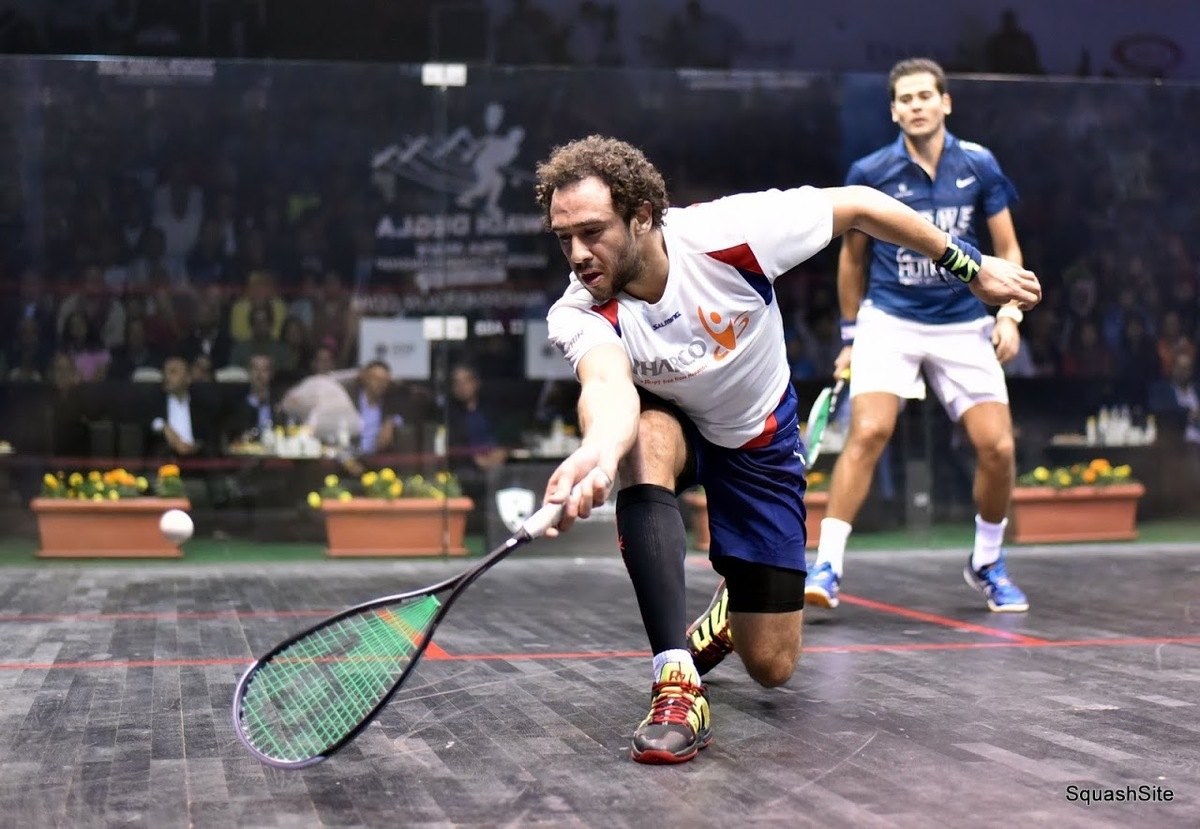
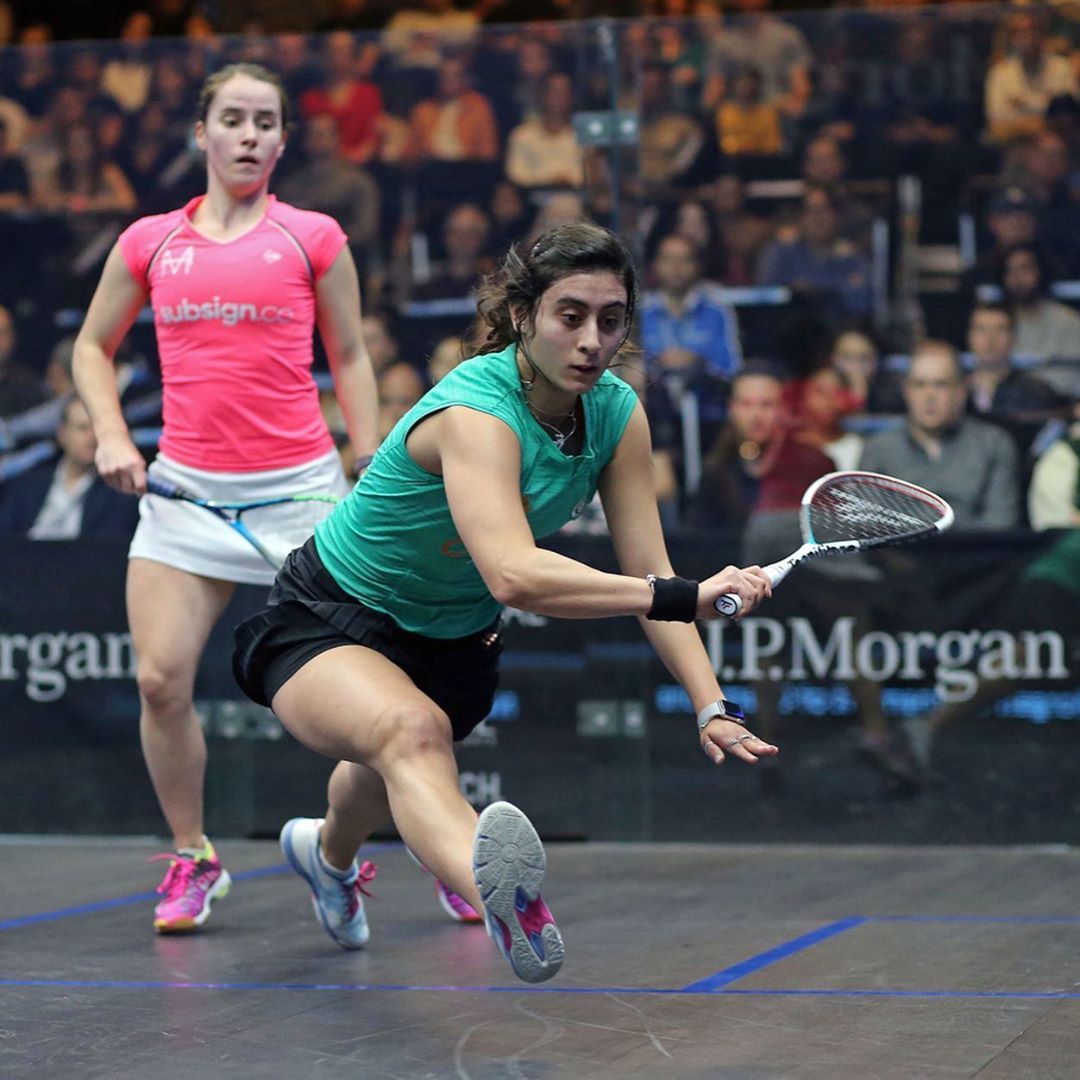
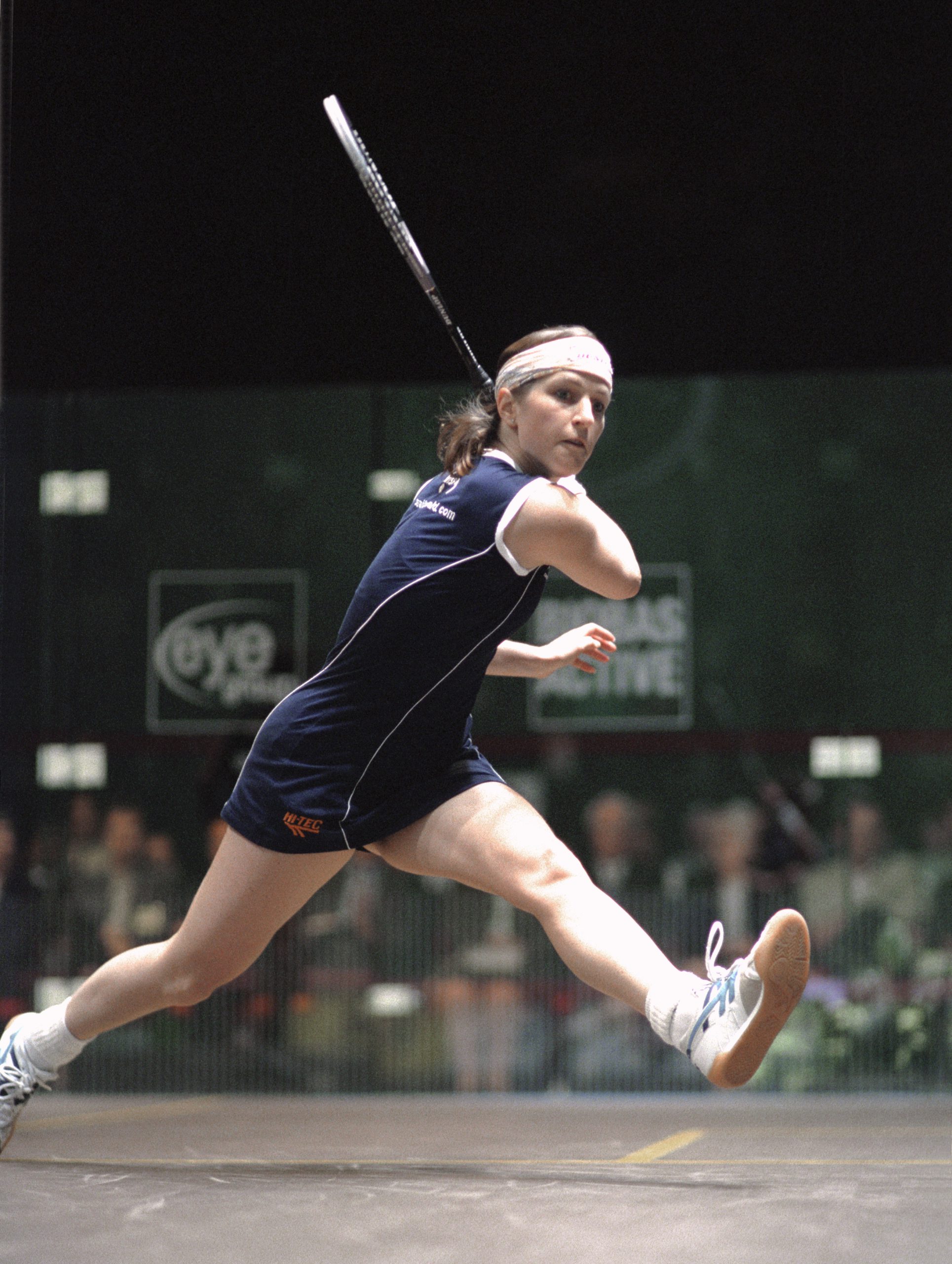
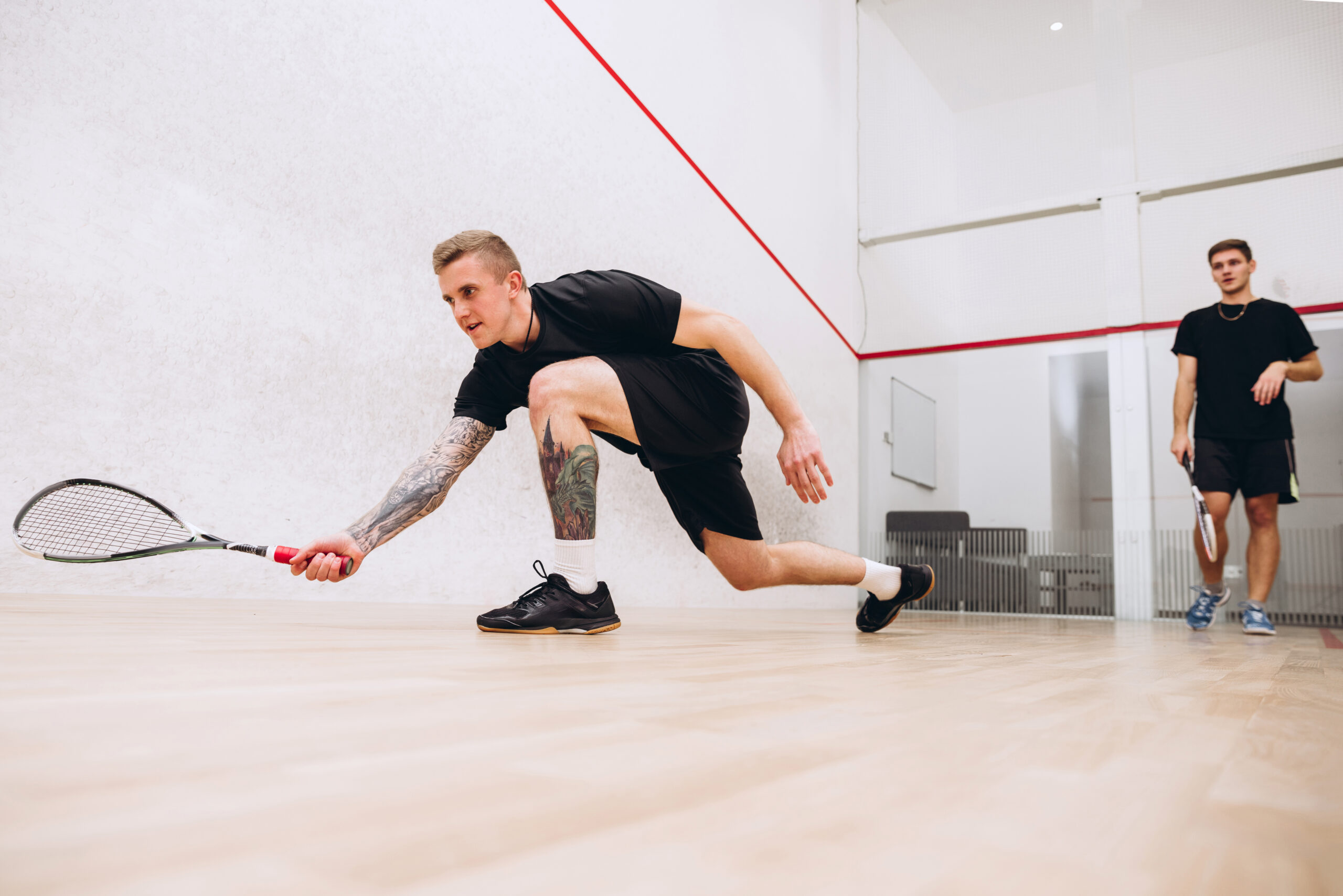
Squash is naturally interval-based: short sprints, sudden stops, quick recoveries, repeated dozens of times. That maps perfectly to HIIT (high-intensity interval training), which is proven to deliver large aerobic and anaerobic gains in less time than steady cardio. A single game can spike your heart rate, challenge your legs and core, and train your agility and balance—all while you’re having fun.
Time math:
- 5–8 minutes dynamic warm-up
- 25–30 minutes of games or structured drills
- 5 minutes cool-down and stretch
That’s a complete training session inside a lunch break, with enough intensity to move the needle on fitness.
2) Built-in stress relief and mental reset
Squash demands full attention. You can’t ruminate on emails when a ball is ricocheting at odd angles. The sport becomes a moving meditation: footwork, split-step, swing, recover. Ten minutes in, your nervous system has switched gears from cognitive overload to present-moment focus. The payoff after work? Lower stress, clearer headspace, and better sleep.
3) The best networking you’re not using
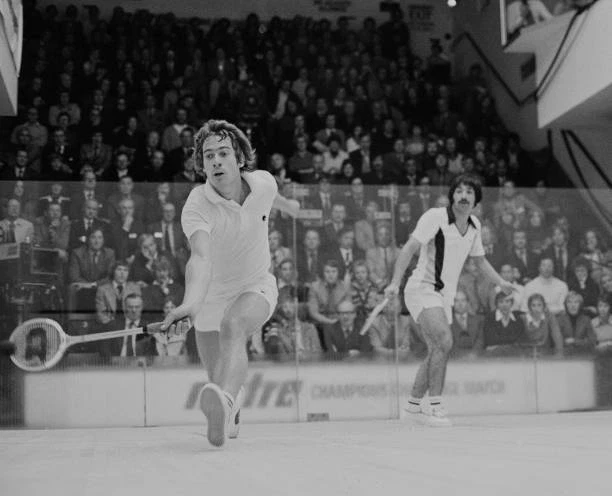
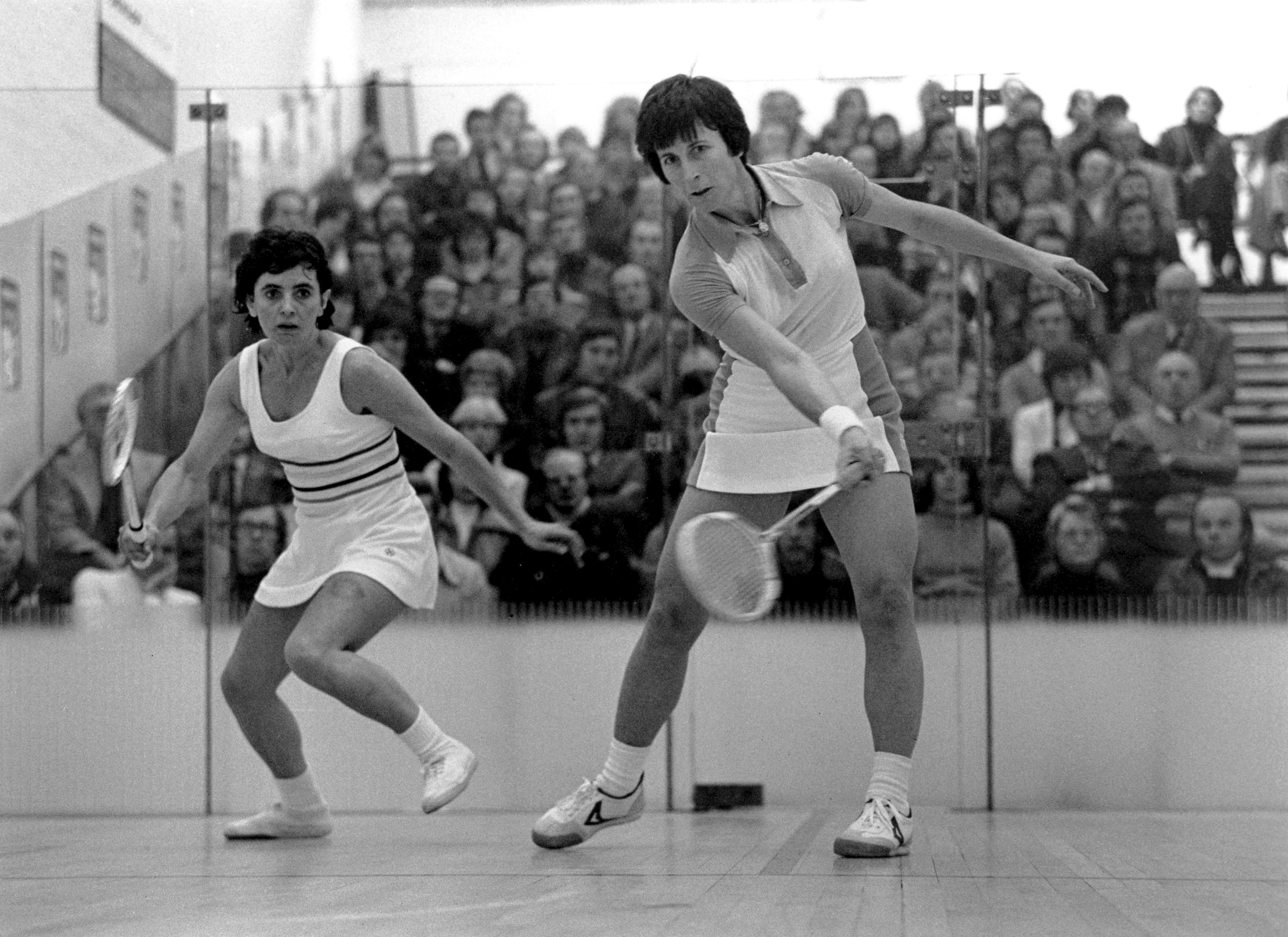
Gyms are solitary; squash is social. Clubs tend to be tight-knit—ratings boards, ladders, leagues, and drop-in nights make it easy to meet professionals outside your usual circles. Post-match conversations often run longer than the game. If golf is a half-day relationship builder, squash is the 45-minute version with just as much rapport and none of the weather dramas.
Tip: Join a weekly box league or internal ladder. You’ll get curated opponents at your level and a consistent reason to play.
4) Logistics that actually work for a busy week
- Indoor & weather-proof: No rainouts, no darkness, predictable conditions year-round.
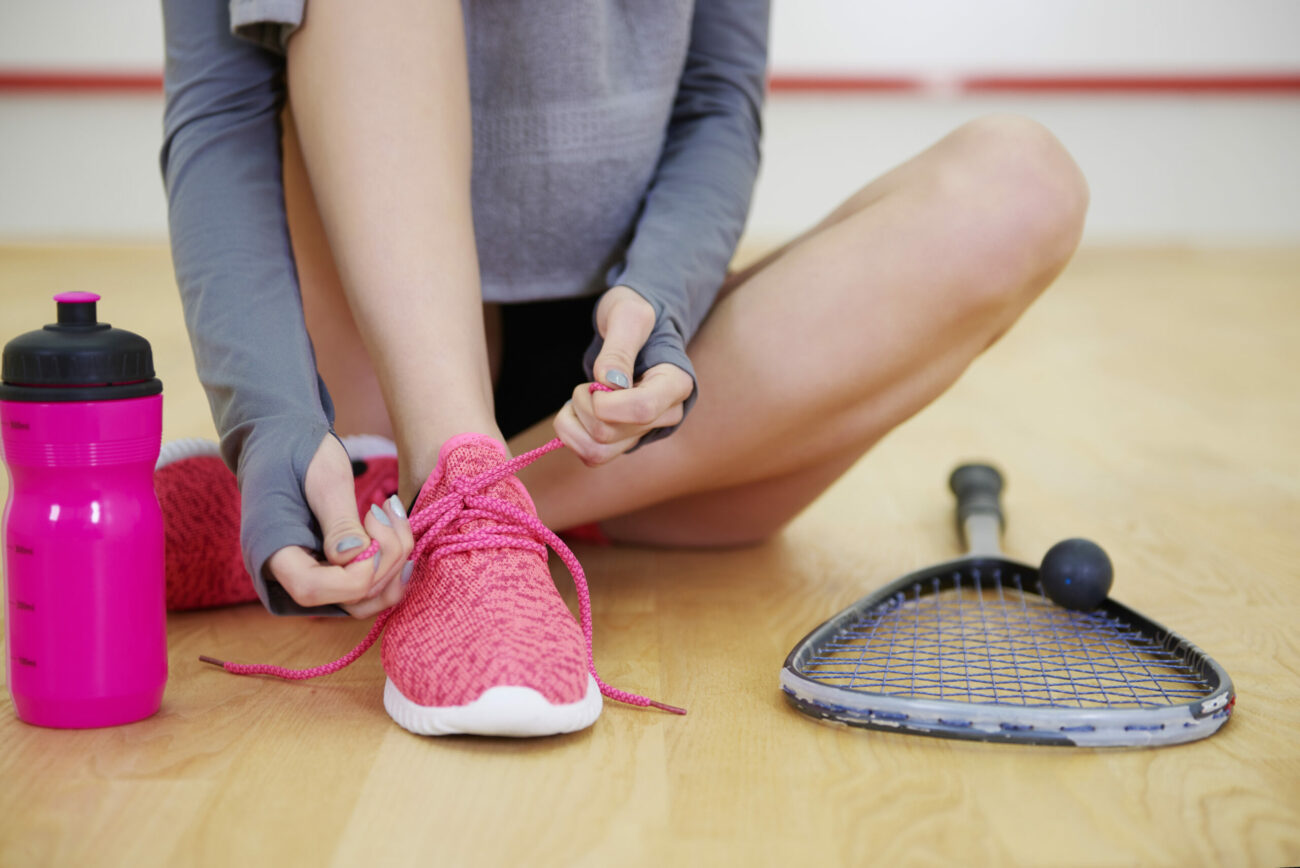
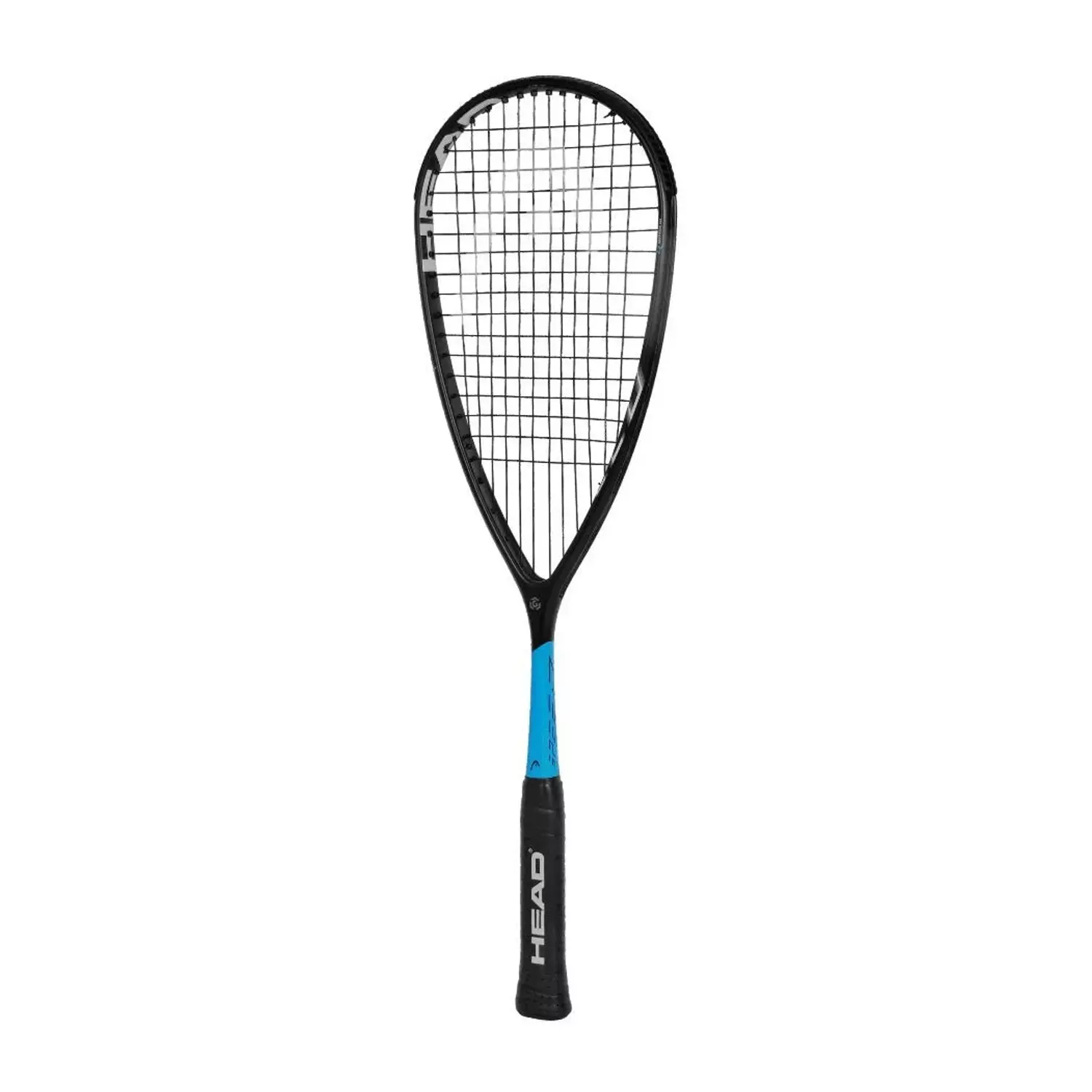
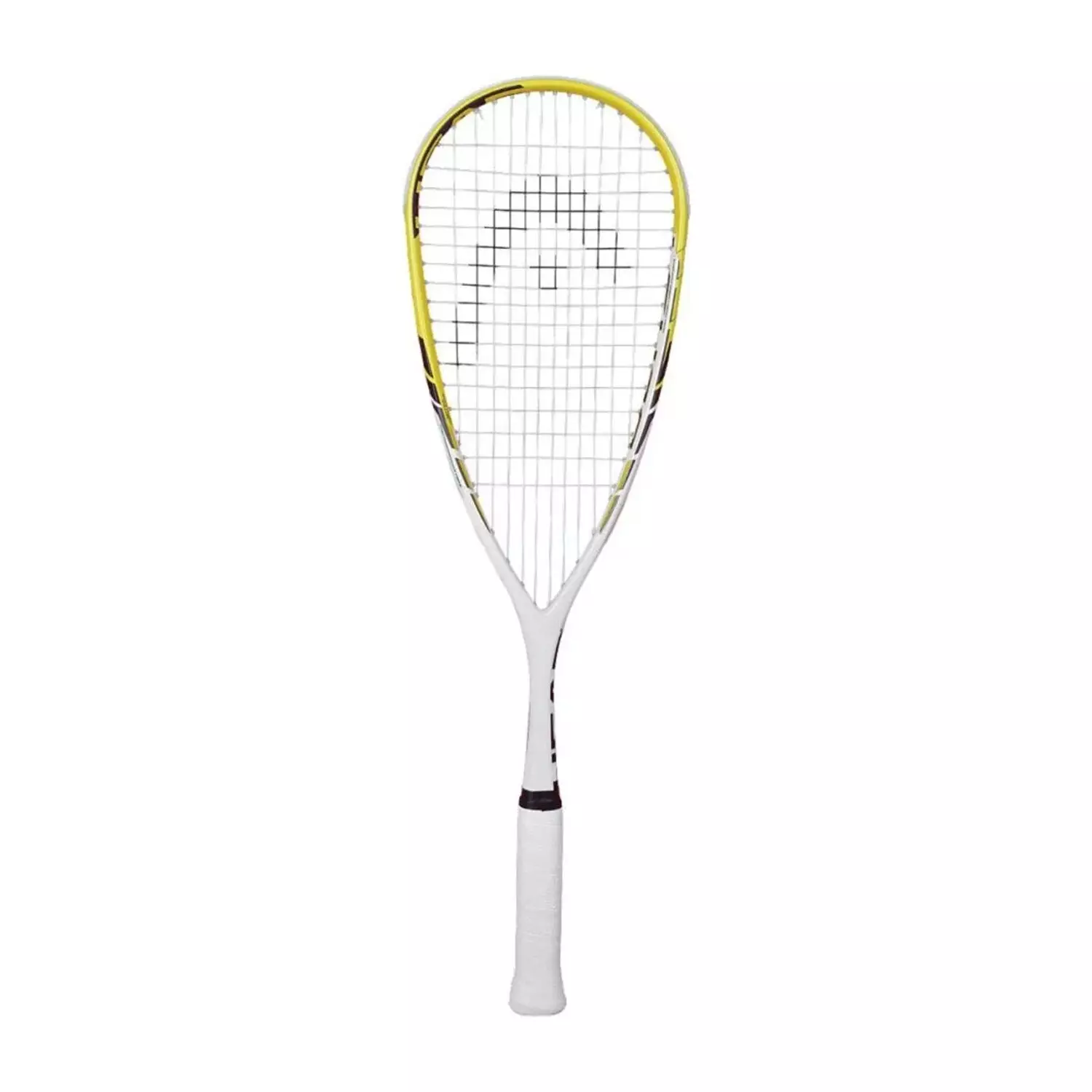
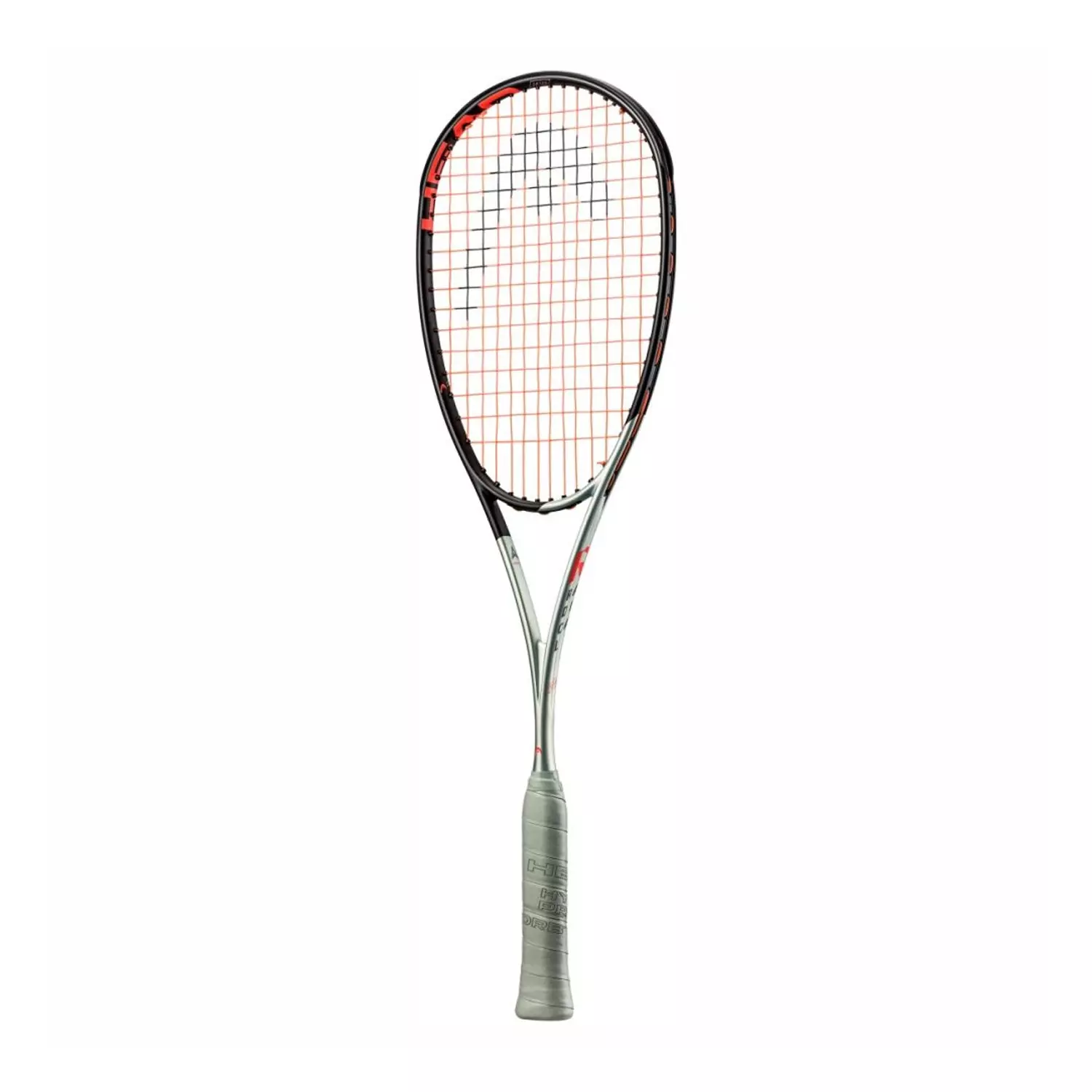
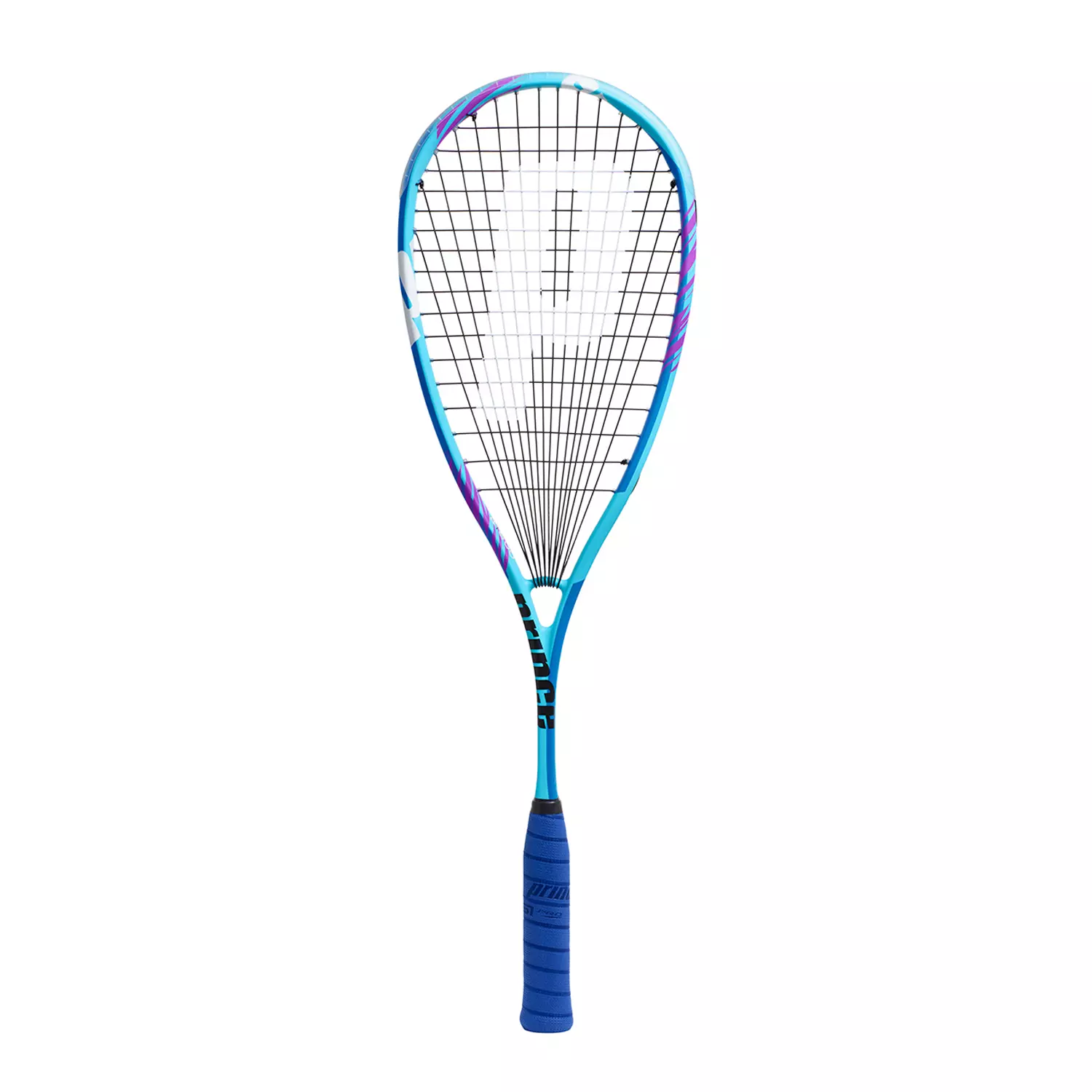
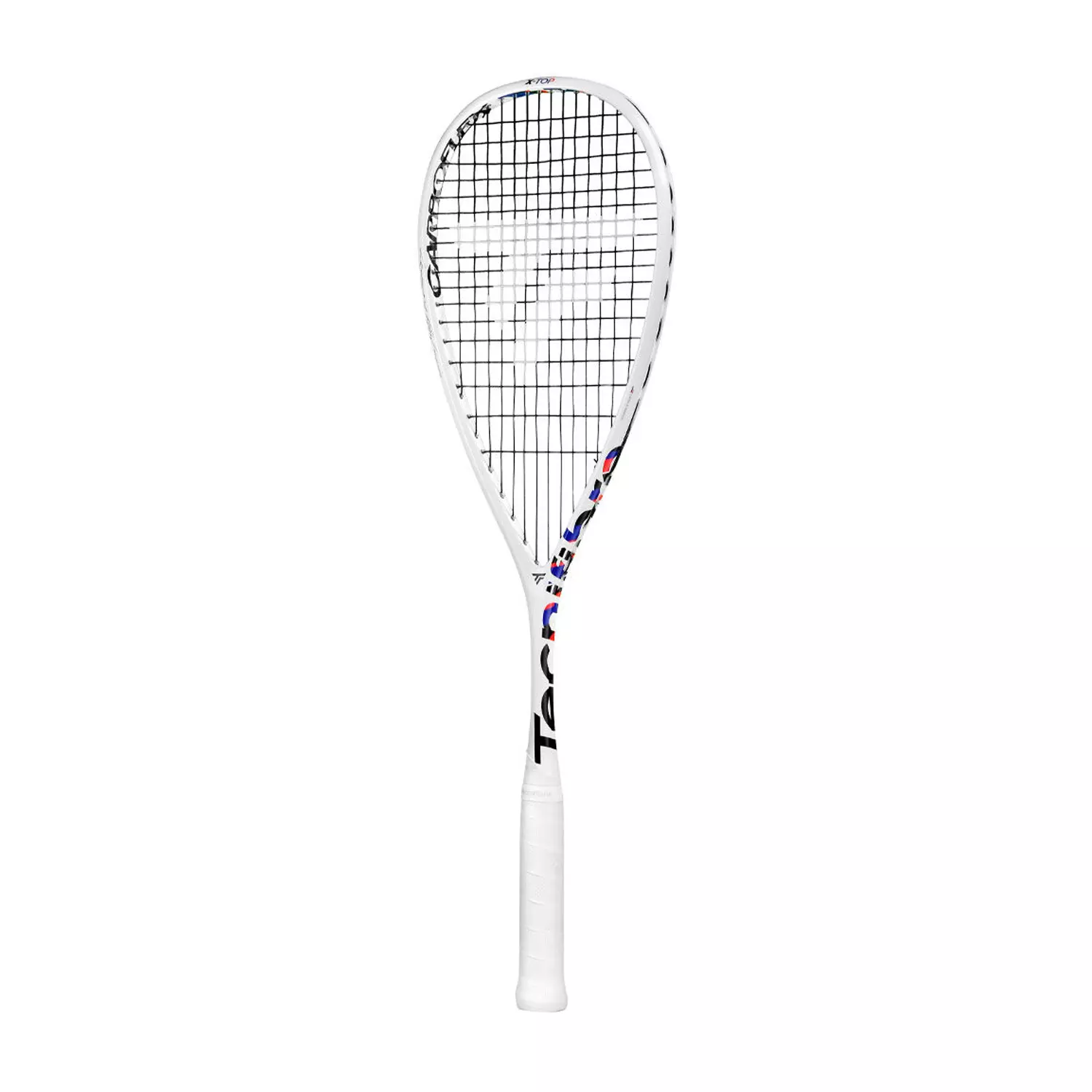
- Minimal gear: Non-marking court shoes, a racket, protective eyewear, a couple of balls. Keep them in a small backpack at the office or in your car.
- Easy to schedule: Courts book by the 30–45-minute slot. You can thread a game between meetings or on travel days.
- Quick to clean up: You’ll sweat, but you’re one shower away from your next call.
5) High ROI for cognitive performance
Squash sharpens decision-making under time pressure. You’re constantly reading angles, predicting bounces, and choosing shots. That blend of tactical reasoning and physical execution builds fast pattern recognition—a mental skill that transfers to work: prioritizing, reacting, and staying composed with incomplete information.
6) Clear progression without a huge time burden
Busy professionals crave progress markers. Squash provides them:
- Consistency of length (how often your drives reach the back).
- T-control (how frequently you recover to the center).
- Fewer unforced errors (drops above the tin, boasts too high).
- Ladder ranking or league results.
With two sessions a week, many beginners see noticeable improvements in 4–6 weeks—especially in stamina, footwork, and rally structure.
7) Safe enough to be sustainable
Squash is intense, but you can control the pace. Smart habits reduce injury risk:
- Warm-up 5–8 minutes (hip openers, calf/hamstring mobility, light ghosting).
- Non-marking shoes with good lateral support.
- Protective eyewear during games.
- Let & stroke awareness (call a let if a swing isn’t safe).
- Gradual load: start with 1–2 sessions/week and add time, not maximal intensity.
8) Your “executive” training plan (two or three days/week)
Option A: 2× per week (45 minutes each)
- Warm-up → solo straight drives → serve practice → conditioned games → cool-down
- Match day → 25 min play → short conditioning → stretch
Option B: 3× per week (30–35 minutes each)
- Ghosting intervals and volley drills
- Serve + return practice + short games
- Match play + cool-down
Business travel hack: Pack a jump rope and reaction ball. If you can’t find a court, do 15 minutes of hotel-gym intervals and reaction drills to stay sharp.
9) Quick-start checklist
- Book a taster session at a nearby club.
- Buy once, use often: non-marking shoes, a mid-weight racket (130–140g), single-yellow ball.
- Learn three basics: lob serve, straight drive (rail), recover to the T.
- Track one metric each week (unforced errors, T-control).
10) Common objections (and fast fixes)
- “I don’t have time.” You don’t need an hour. A 35–45 minute court block delivers a complete workout.
- “I’m not fit enough yet.” Squash gets you fit. Start slower, rest more, and fitness will follow.
- “No one at my level.” Leagues and ladders place you with similar players and adjust as you improve.
- “I travel too much.” Many city clubs offer day passes. Bring shoes and a racket; email ahead for a guest slot.
11) Why squash beats common alternatives for busy pros
- Running: Time-flexible, but limited skill element and higher joint stress.
- Weights-only: Good for strength, less for cardio or social connection.
- Tennis: Great, but weather-dependent and time-intensive.
- HIIT classes: Efficient but generic; squash adds skill, competition, and networking.
Final Rally
Squash is almost engineered for the modern professional: short sessions, big results, zero guesswork. It delivers cardiovascular fitness, power, coordination, and mental clarity in less time than most workouts—and it pairs that with a ready-made community that expands your network while you unwind.
Start small: book a 45-minute court, learn a high lob serve and a straight drive, and focus on owning the T. Two sessions a week will change how you feel at 4 p.m., how you sleep at night, and how calm you are in high-stakes conversations.
For busy professionals, that’s not just a sport—it’s a strategic advantage.