How Pickleball Is Shaping Modern Sports Culture and Why It’s Here to Stay
Pickleball. The name still raises eyebrows, yet the sport has become impossible to ignore.
What started as a quirky backyard experiment in the 1960s has evolved into one of the fastest-growing sports on the planet, attracting professional athletes, celebrities, retirees, and kids alike.
In 2025, it’s more than just a game — it’s a social movement, a fitness revolution, and a cultural phenomenon redefining how people play, connect, and compete.
So, how did a paddle sport that blends elements of tennis, badminton, and table tennis capture global attention — and why isn’t it slowing down anytime soon?
1. A Brief History: The Accidental Invention That Changed Everything
Pickleball was born in 1965 on Bainbridge Island, Washington, when three fathers — Joel Pritchard, Bill Bell, and Barney McCallum — wanted to entertain their bored kids. They improvised with paddles, a perforated plastic ball, and a badminton court.
What began as a backyard pastime soon spread through neighborhoods, local clubs, and retirement communities. By the 2000s, pickleball had grown into a structured sport with official rules, international tournaments, and professional leagues.
The secret of its appeal?
It’s simple to learn, accessible for all ages, and fun from the very first game.
2. The Perfect Blend: Simplicity Meets Strategy
Pickleball’s charm lies in its easy entry and deep mastery.
You can pick up a paddle and start playing within minutes — yet spend years refining your skills.
The sport borrows the finesse of tennis, the tactics of badminton, and the quick reflexes of table tennis, creating a fast-paced, engaging experience.
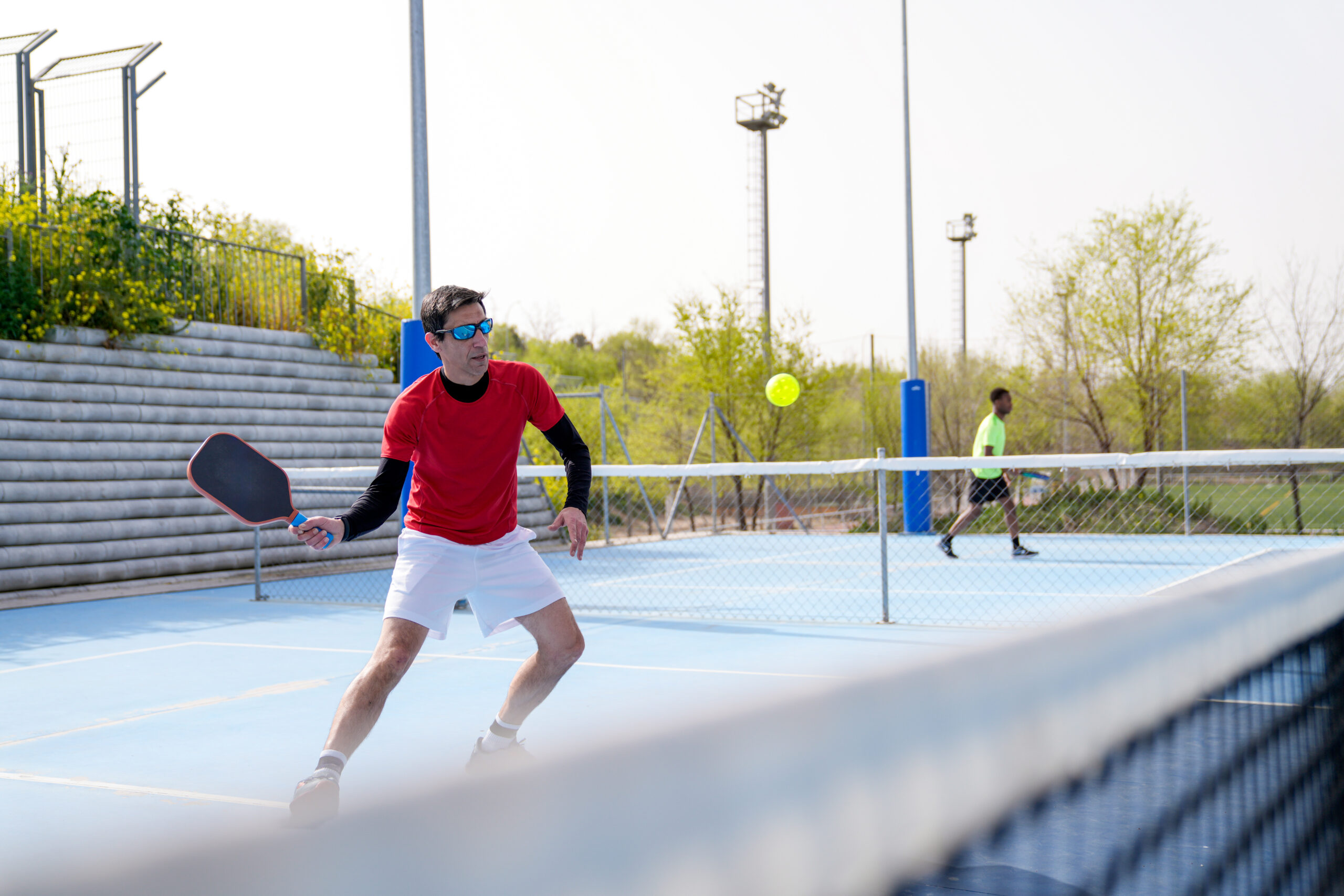
- Court size: Smaller than tennis, making it less physically demanding.
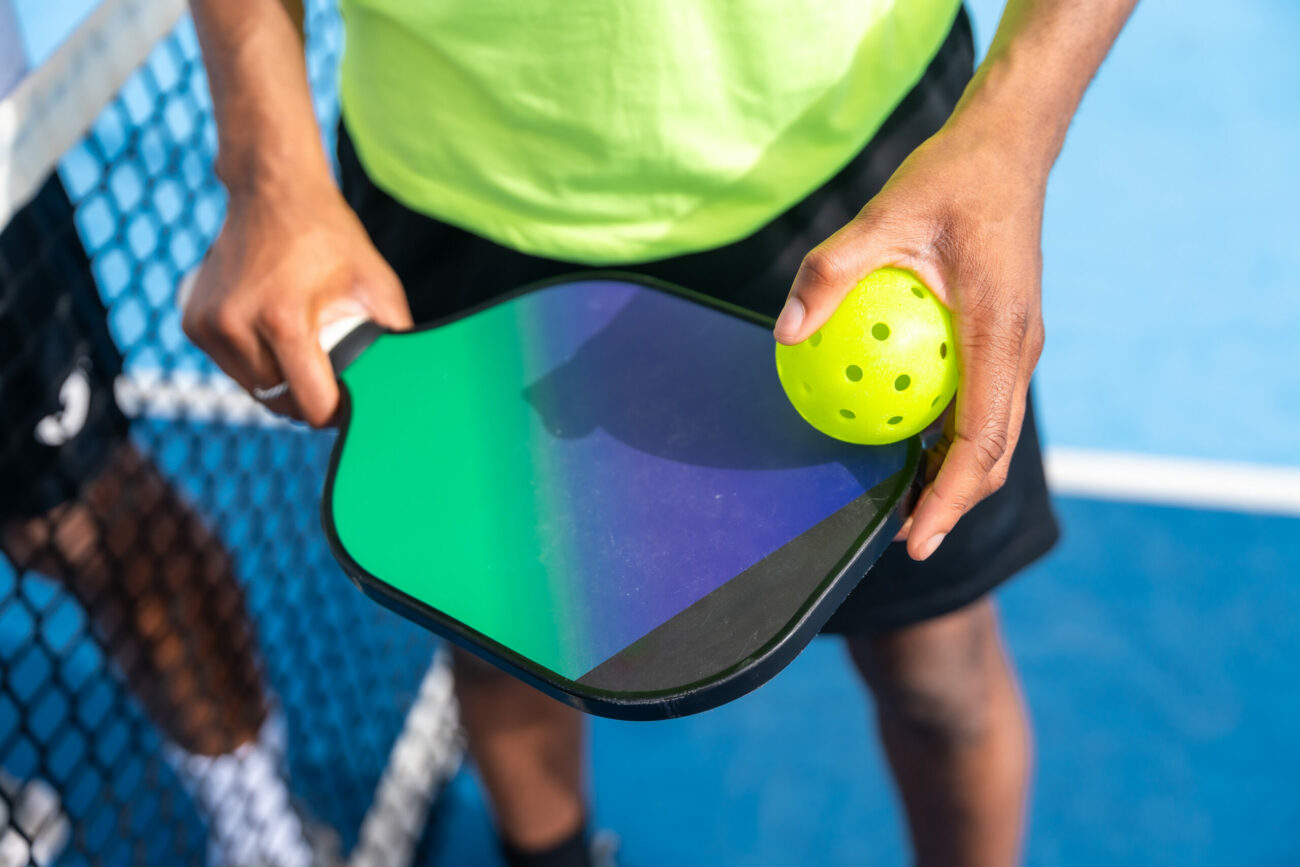
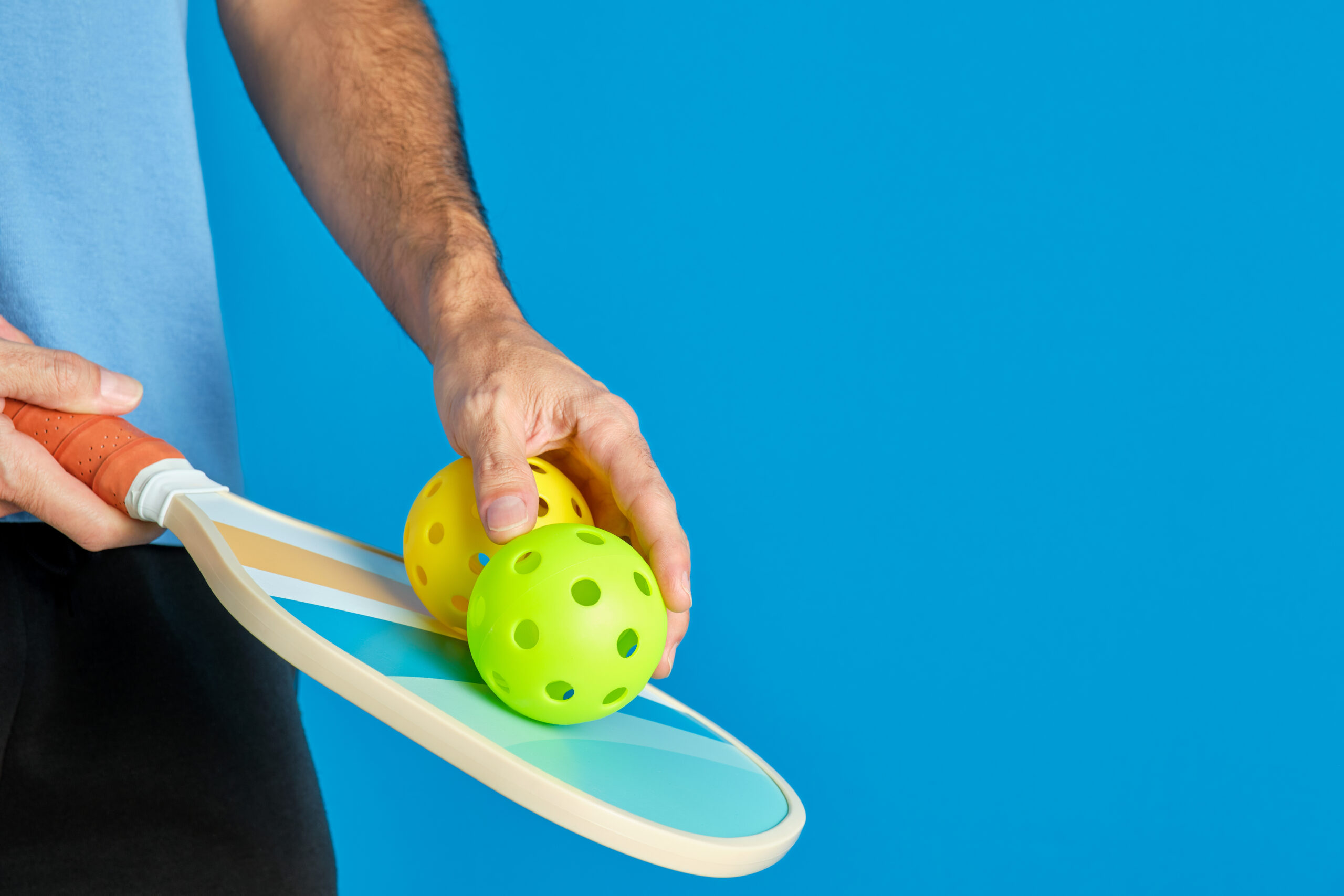
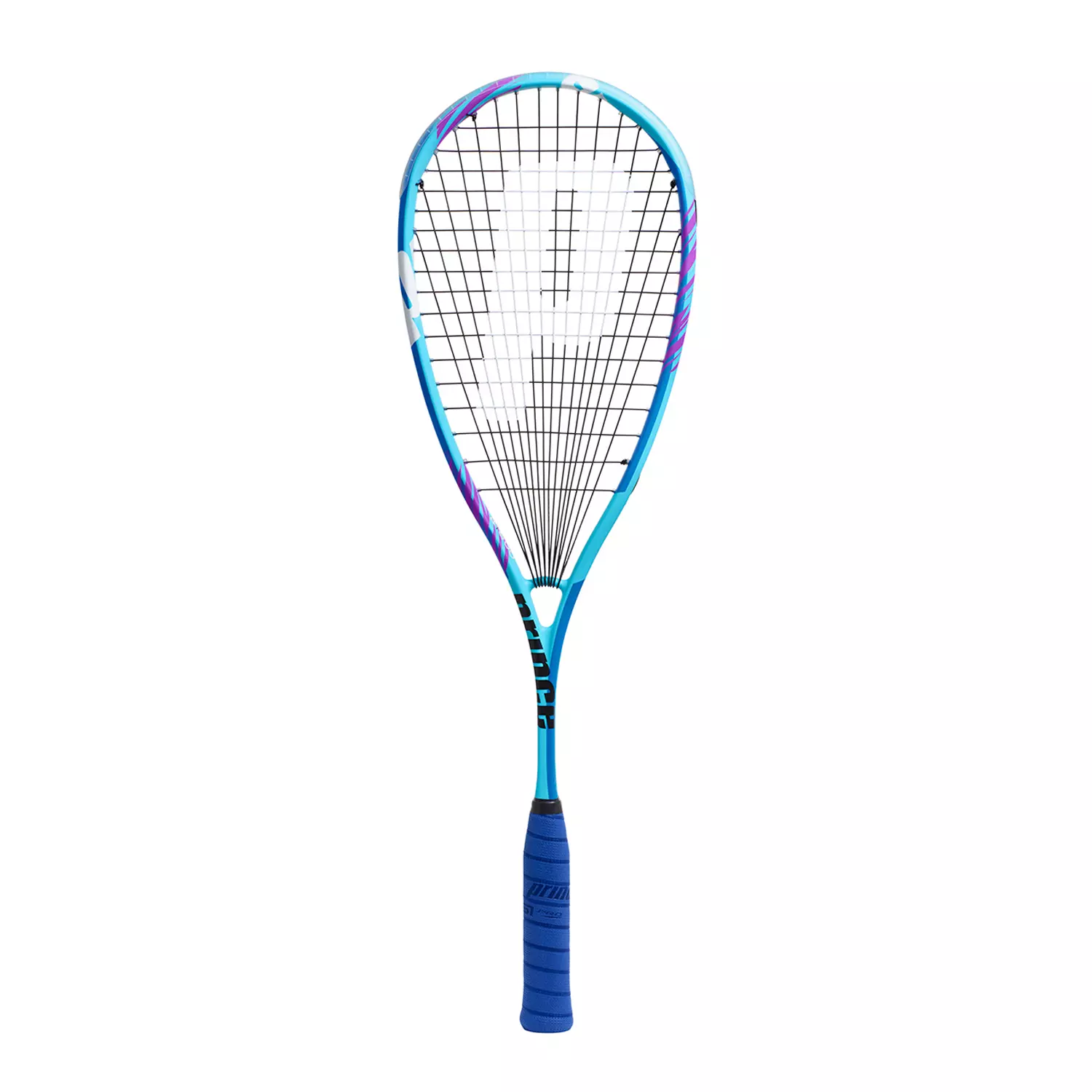
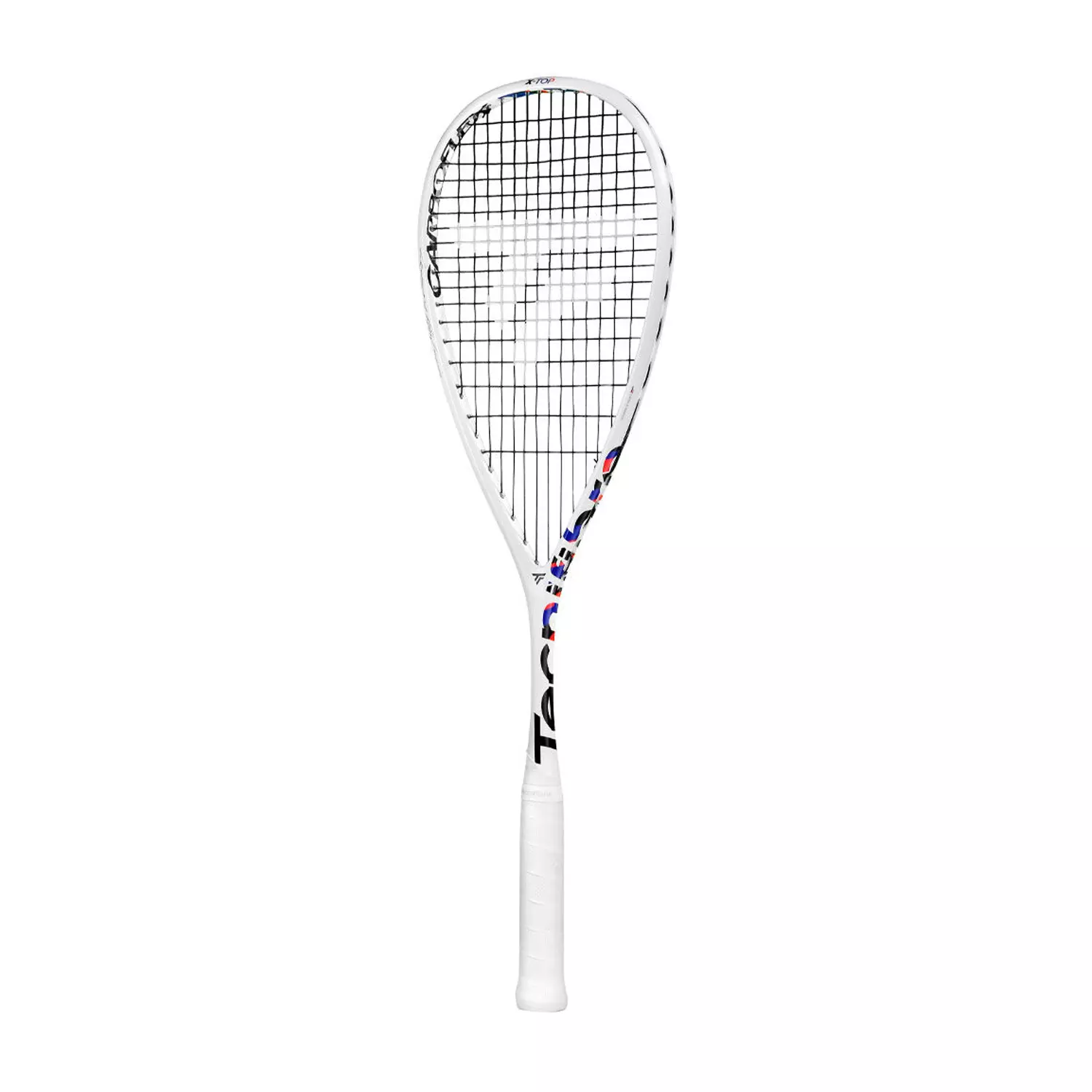
- Paddle: Lightweight and easy to control.
- Ball: A wiffle-style ball that travels slower, extending rallies and reducing strain.
This balance between accessibility and competitiveness makes pickleball a rare breed — a game that’s equally loved by beginners and professional athletes.
3. The Social Side: How Pickleball Builds Communities
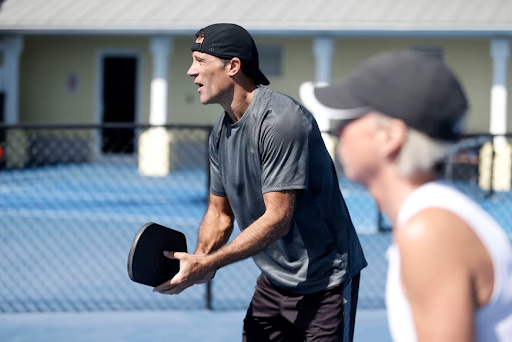
One of the biggest reasons for pickleball’s explosive growth is its community-driven spirit.
Unlike traditional racket sports, pickleball thrives on social interaction.
You’ll find people chatting between rallies, cheering for opponents, and sharing post-game coffee more often than you’ll see them arguing over line calls.
Pickleball courts are popping up in parks, clubs, schools, and residential complexes — turning empty spaces into vibrant social hubs.
For many, it’s more than exercise — it’s a way to make friends, reduce stress, and stay active.
In fact, studies have shown that social sports participation improves mental health and longevity, making pickleball one of the most inclusive and wellness-oriented sports today.
4. The Celebrity Effect: When the Stars Picked Up a Paddle
If you’ve scrolled through social media recently, chances are you’ve seen a celebrity playing pickleball.
From LeBron James, Tom Brady, and Michael B. Jordan investing in pro teams to Ellen DeGeneres, Leonardo DiCaprio, and Kim Kardashian playing for fun — the sport has caught Hollywood and the sports elite by storm.
This wave of celebrity endorsement has given pickleball unprecedented visibility. It’s now seen not as a hobby for retirees but as a cool, energetic, and even aspirational sport.
Luxury resorts, corporate parks, and even cruise ships are adding pickleball courts to attract this growing fan base.
5. The Rise of Professional Pickleball: Leagues, Sponsorships, and Prize Money
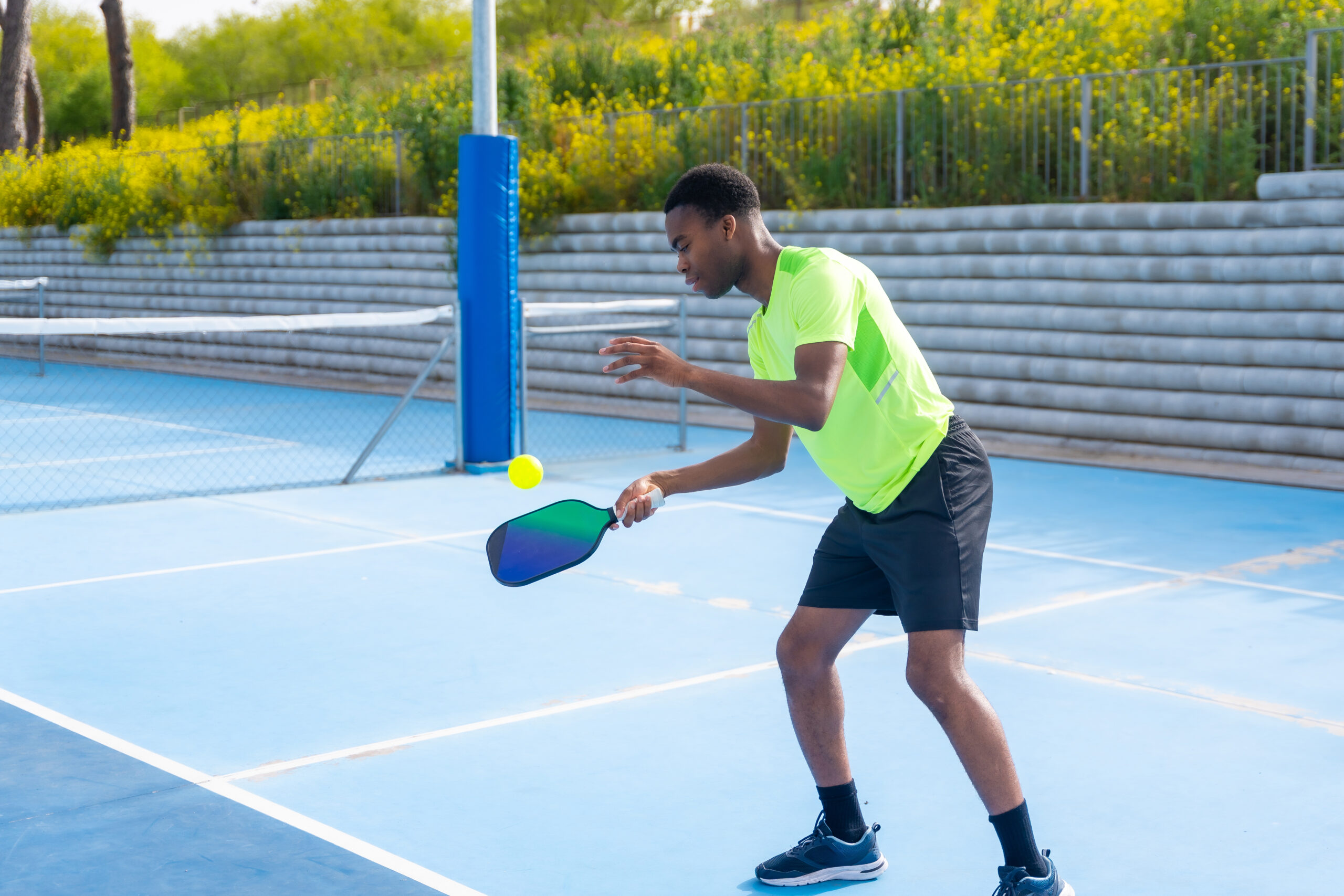
The sport’s professional scene has exploded in just the past five years.
Organizations like the Professional Pickleball Association (PPA) and the Major League Pickleball (MLP) have introduced structured tournaments, global rankings, and significant cash prizes.
Television networks and streaming platforms are broadcasting matches, bringing pickleball into living rooms worldwide.
Big brands — from Adidas and Selkirk to Head and JOOLA — are racing to develop advanced paddles, apparel, and footwear, further professionalizing the game.
The result? Pickleball is no longer a pastime — it’s a career opportunity and a commercial market worth hundreds of millions of dollars.
6. A Global Movement: Pickleball Beyond North America
Though the U.S. remains the heart of pickleball, the game’s reach is rapidly expanding.
Countries like India, the UK, Spain, Australia, Japan, and the UAE have witnessed a surge in pickleball clubs and tournaments.
In India, for instance, urban communities are repurposing badminton and tennis courts to host pickleball matches. Cities like Mumbai, Delhi, and Bangalore are becoming hubs for amateur and semi-professional play.
The All India Pickleball Association (AIPA) and several state federations are pushing for national championships and player development programs, helping India position itself as a major player in the sport’s global rise.
7. Fitness Revolution: Why Pickleball Is the Perfect Modern Workout
In an era where people are increasingly health-conscious but time-strapped, pickleball offers the perfect balance between fun and fitness.
It delivers:
- Cardiovascular endurance through long rallies
- Muscle coordination and reflex training
- Low-impact movement that’s easy on joints
- Calorie burn comparable to jogging or cycling
Unlike monotonous gym sessions, pickleball keeps you moving, laughing, and competing — which makes you more likely to stick with it long-term.
Fitness experts now recommend pickleball as a complete mind-body workout that enhances agility, flexibility, and hand-eye coordination — without feeling like exercise.
8. The Gear Boom: How Equipment Innovation Fuels the Game
With growth comes innovation.
Modern pickleball gear has become a blend of sports science and technology.
Brands are experimenting with carbon fiber paddles, polymer honeycomb cores, and vibration-dampening grips to optimize power and control.
Even pickleball balls are being re-engineered for better flight stability across indoor and outdoor play.
At The God of Sports, we’ve seen this surge firsthand — from advanced paddles by Yonex, Head, and JOOLA to lightweight court shoes and performance wear.
This gear evolution reflects pickleball’s shift from a backyard hobby to a serious, performance-driven sport.
9. Pickleball and the Generational Bridge
In an age where digital distractions dominate, few activities bridge generations like pickleball does.
Grandparents play with grandkids. Teenagers challenge parents. Colleagues from different departments team up after work.
The sport’s multi-generational inclusivity is unmatched.
It’s simple enough for seniors to enjoy yet competitive enough for athletes in their 20s.
That shared accessibility has turned pickleball into something more profound — a connector of people, cutting across age, skill, and background.
10. Pickleball’s Cultural Impact: Redefining Leisure and Lifestyle
Pickleball isn’t just influencing sports — it’s influencing culture.
Cafés, bars, and recreational spaces are adding pickleball courts to attract crowds.
Influencers and lifestyle brands are featuring pickleball in their content.
Fitness studios are offering “pickleball-inspired workouts.”
The sport now sits at the intersection of fitness, fashion, and social life — a new kind of culture where sport meets style.
It’s no longer rare to find brands launching “pickleball collections” or resorts hosting “paddle and brunch” weekends.
Pickleball has become a social identity — a reflection of active, connected, and balanced living.
11. The Future: Why Pickleball Is Here to Stay
Every major trend — from participation growth and media coverage to brand investment — points to one conclusion:
Pickleball isn’t a fad; it’s the future.
According to the Sports & Fitness Industry Association (SFIA), pickleball participation has grown over 200% in the past three years, making it the fastest-growing sport in North America.
With urban developers integrating courts into new residential and commercial projects, the infrastructure boom is already underway.
Schools are adding it to PE programs. Gyms and country clubs are rebranding with dedicated pickleball facilities.
As long as people seek fun, fitness, and community — pickleball will thrive.
12. How You Can Join the Movement
If you’ve never tried pickleball, now’s the perfect time.
All you need is a paddle, a few balls, and a 20×44 ft. court — which you can easily set up in driveways or community spaces.
Here’s how to get started:
- Choose your paddle – look for lightweight options with good grip and balance.
- Find a local club or open court – many communities host beginner sessions.
- Learn the basics – serving, volleying, and “the kitchen” rule.
- Play socially first – the best part of pickleball is the people you meet.
And when you’re ready to upgrade your game, check out The God of Sports’ Pickleball Store for the latest paddles, balls, shoes, and accessories curated for every level.
Conclusion: The Heartbeat of Modern Sports Culture
Pickleball isn’t just a sport — it’s a symbol of our times.
It embodies accessibility, inclusivity, and connection — values modern sports culture desperately needed.
From bustling urban courts to luxury resorts, from neighborhood leagues to international tournaments, pickleball has captured something that most sports lost along the way: pure joy in playing.
So whether you’re swinging your first paddle or chasing your next championship — remember, you’re not just playing a game.
You’re part of a movement that’s reshaping the world of sport, one rally at a time.