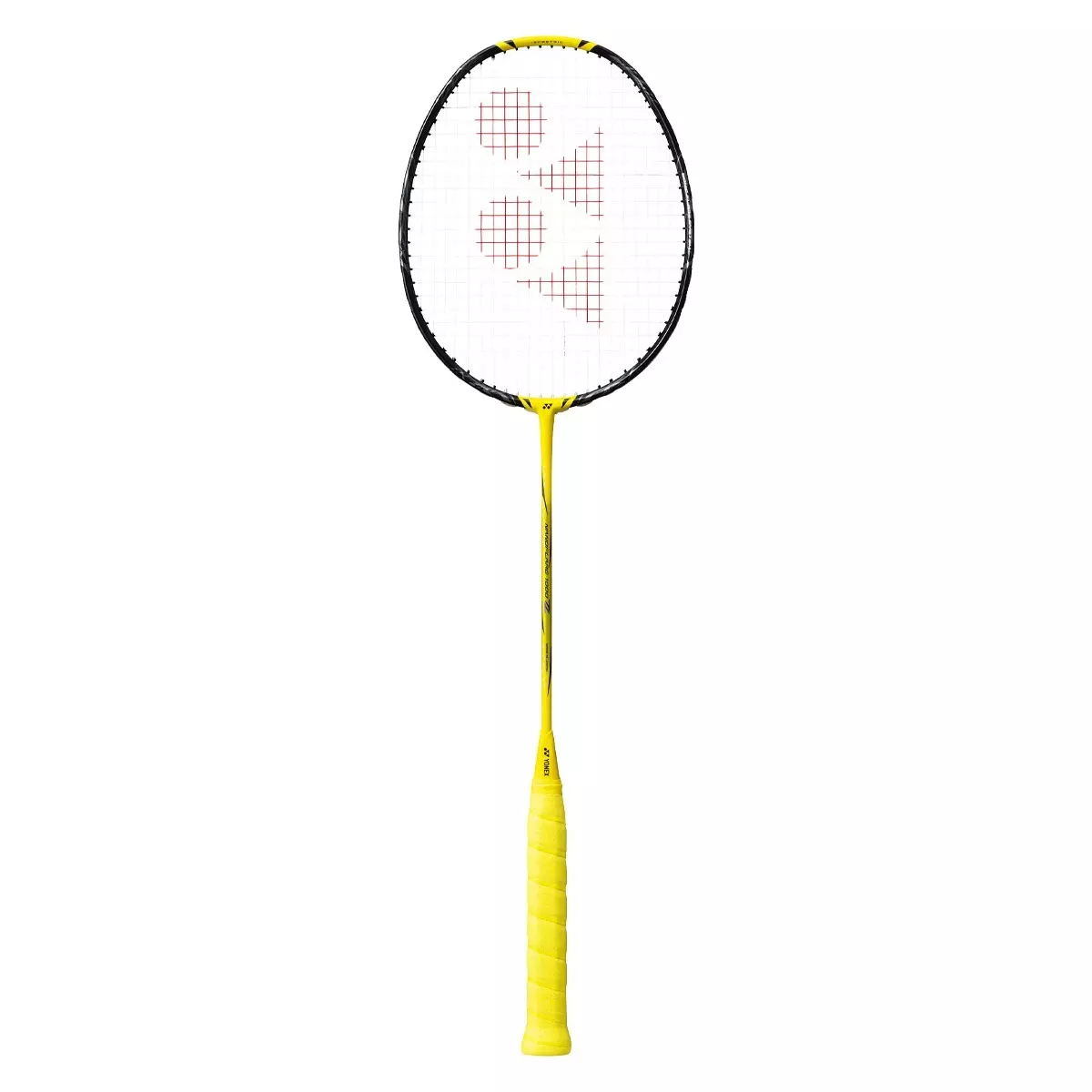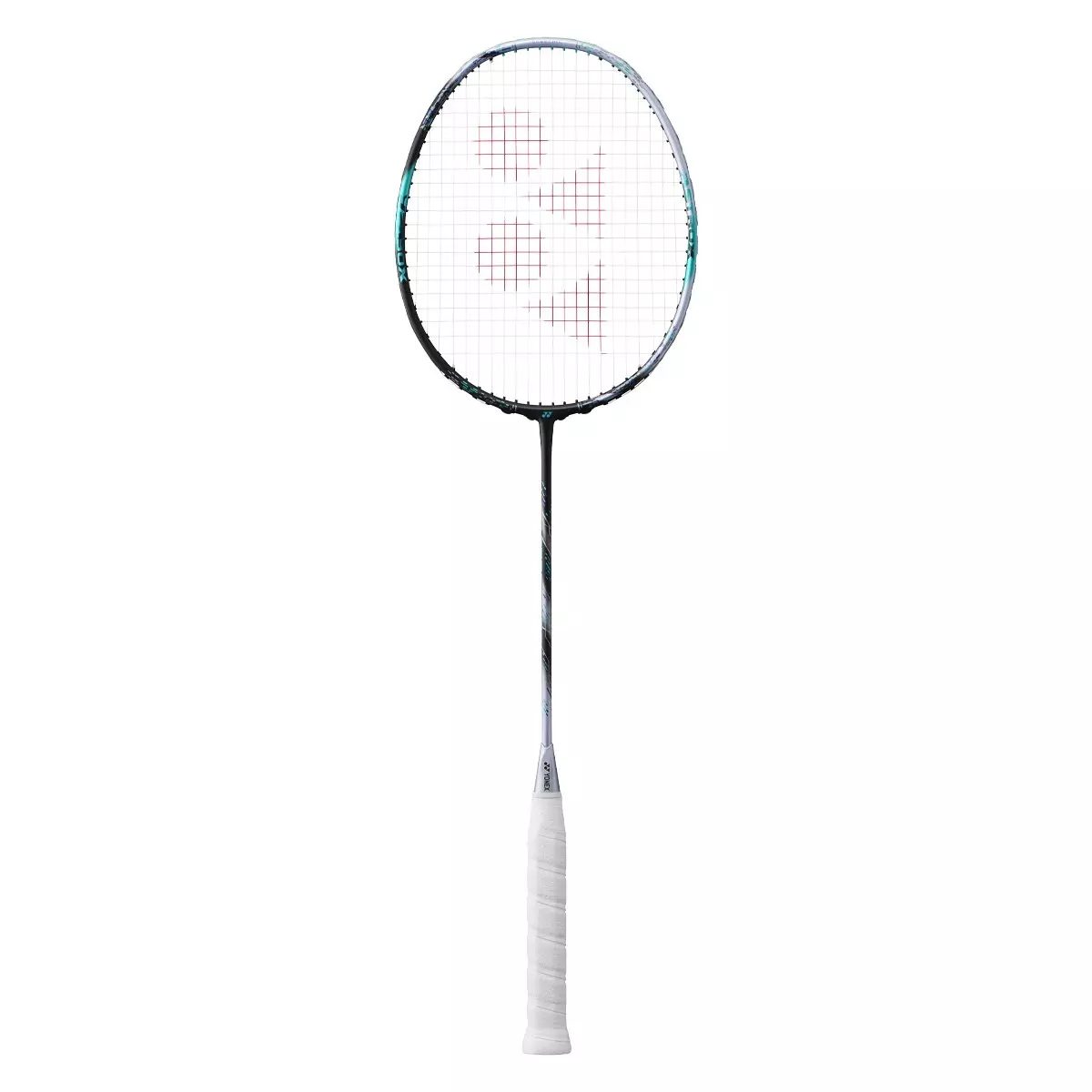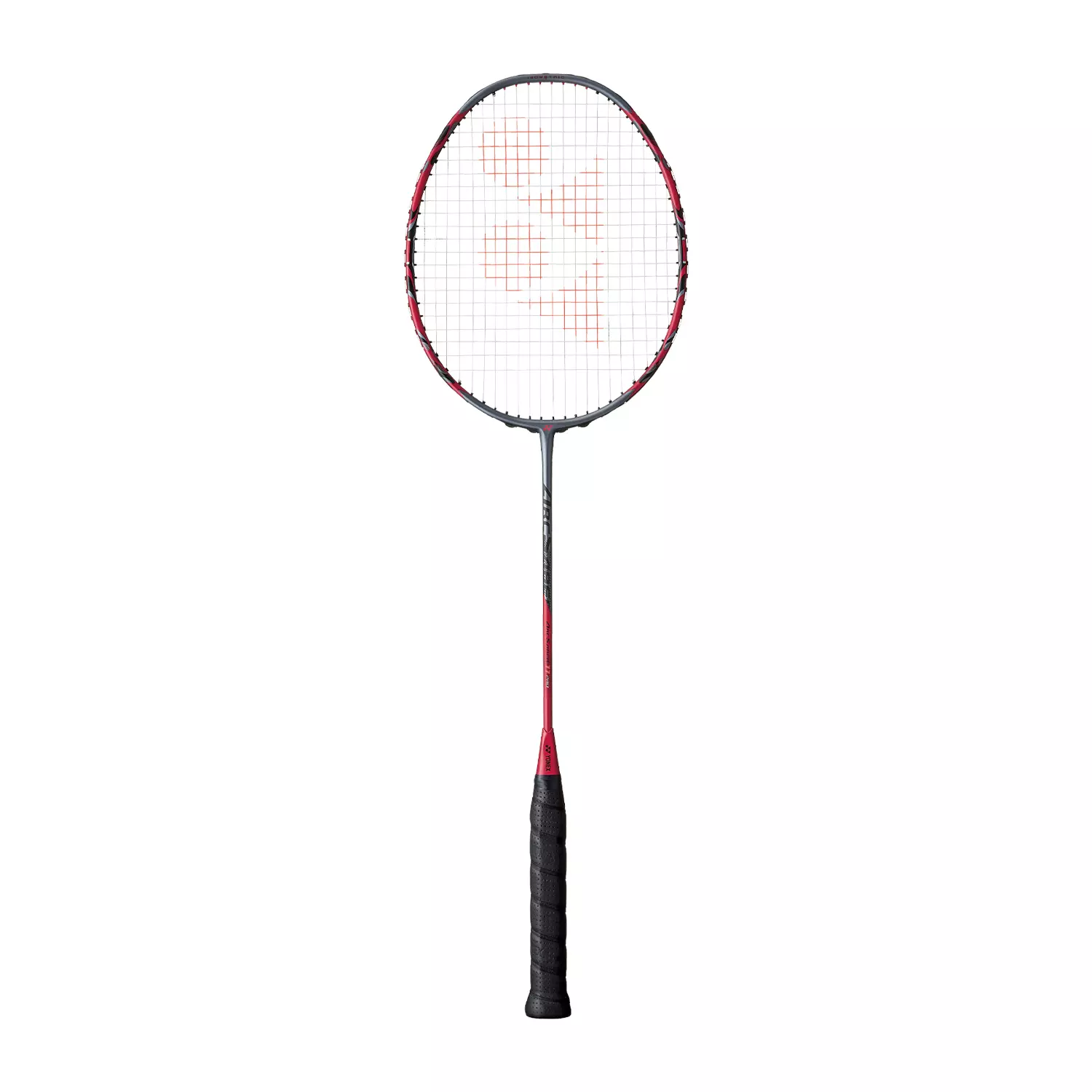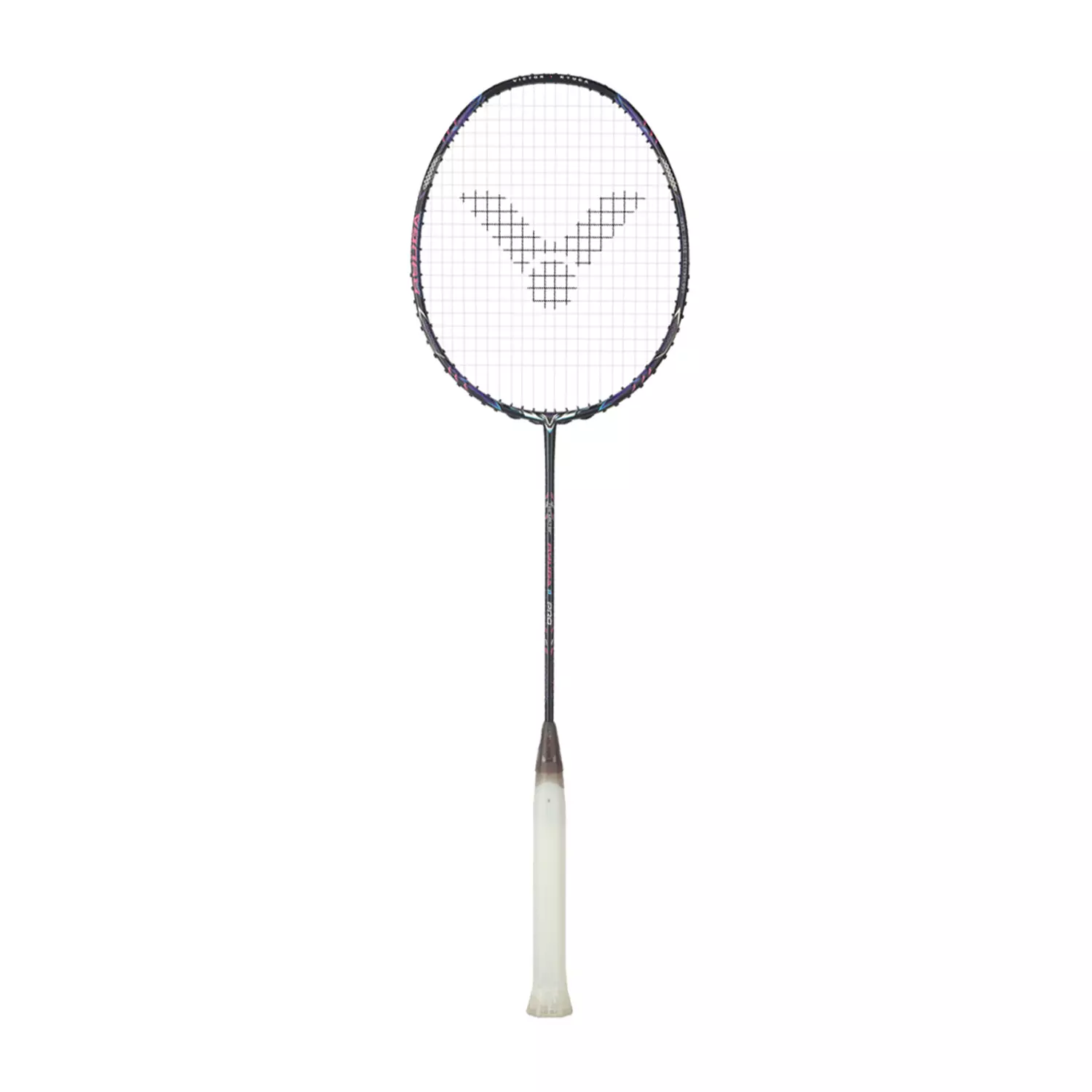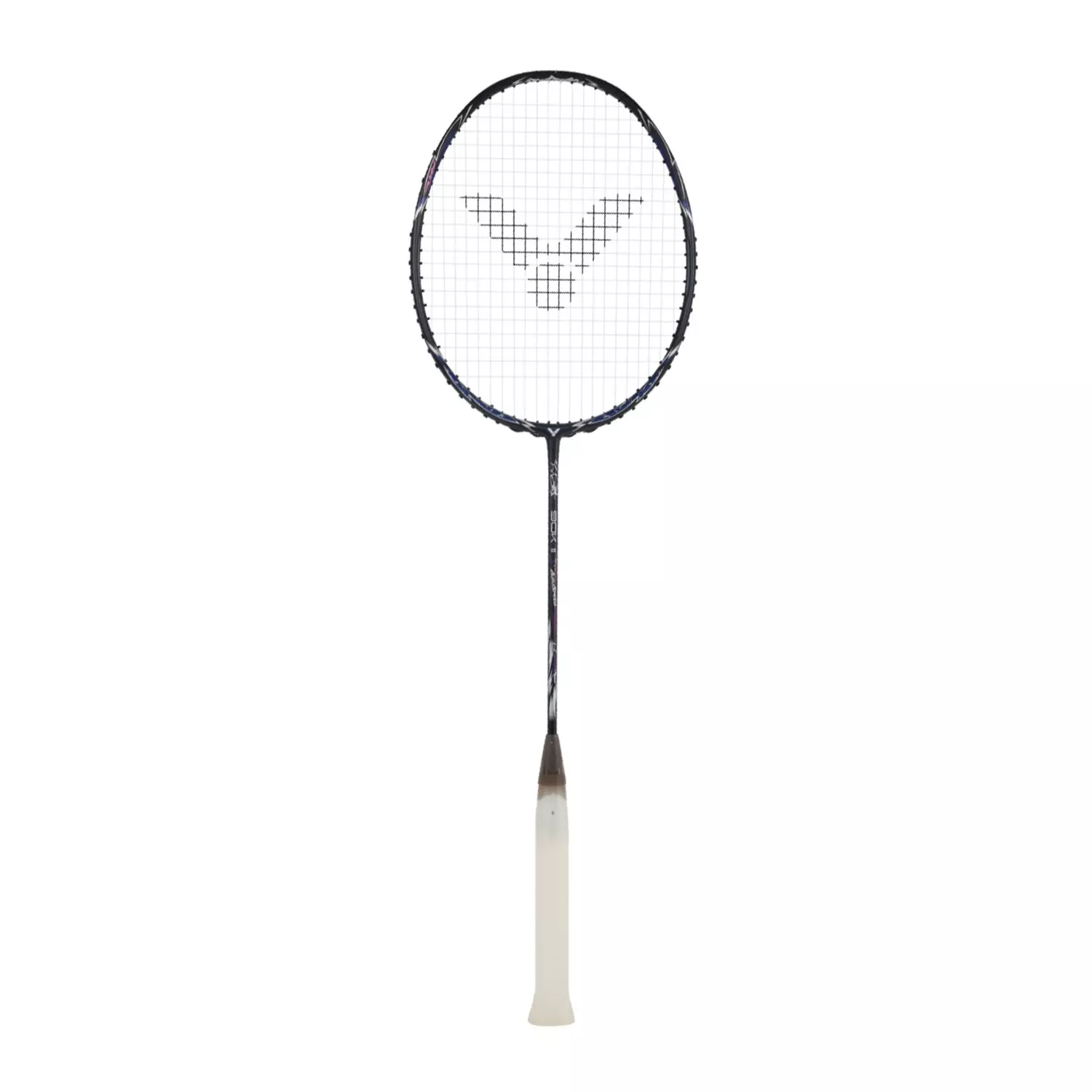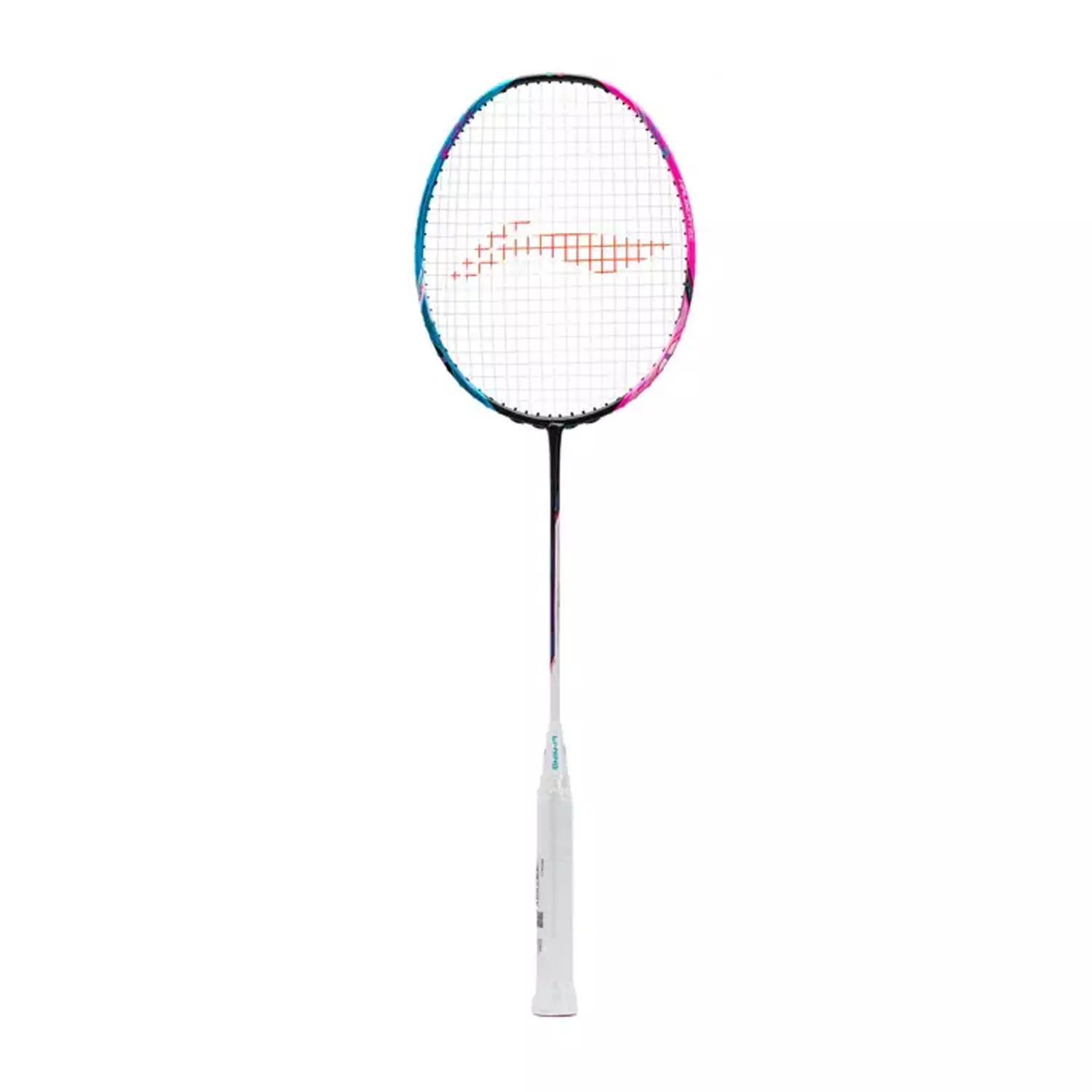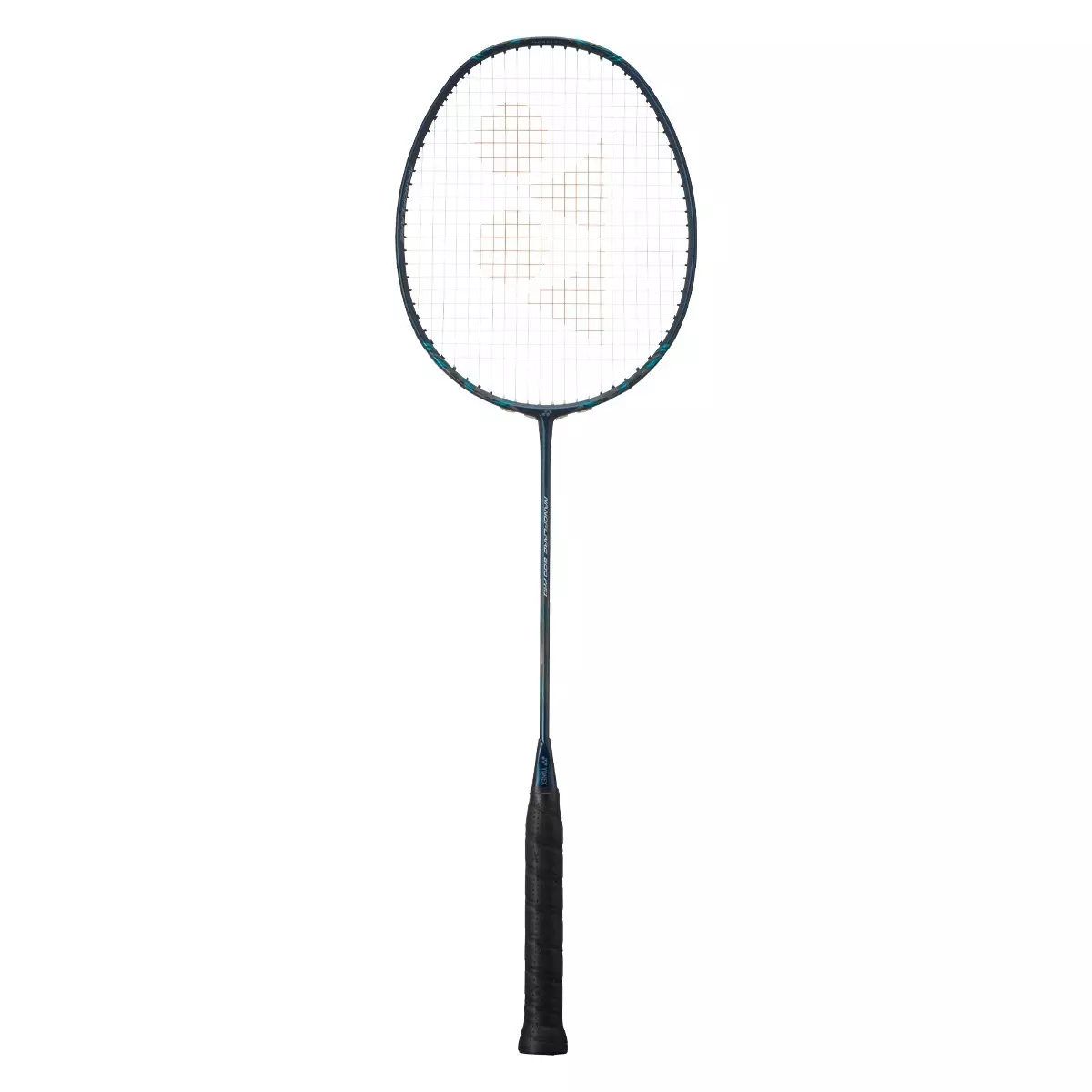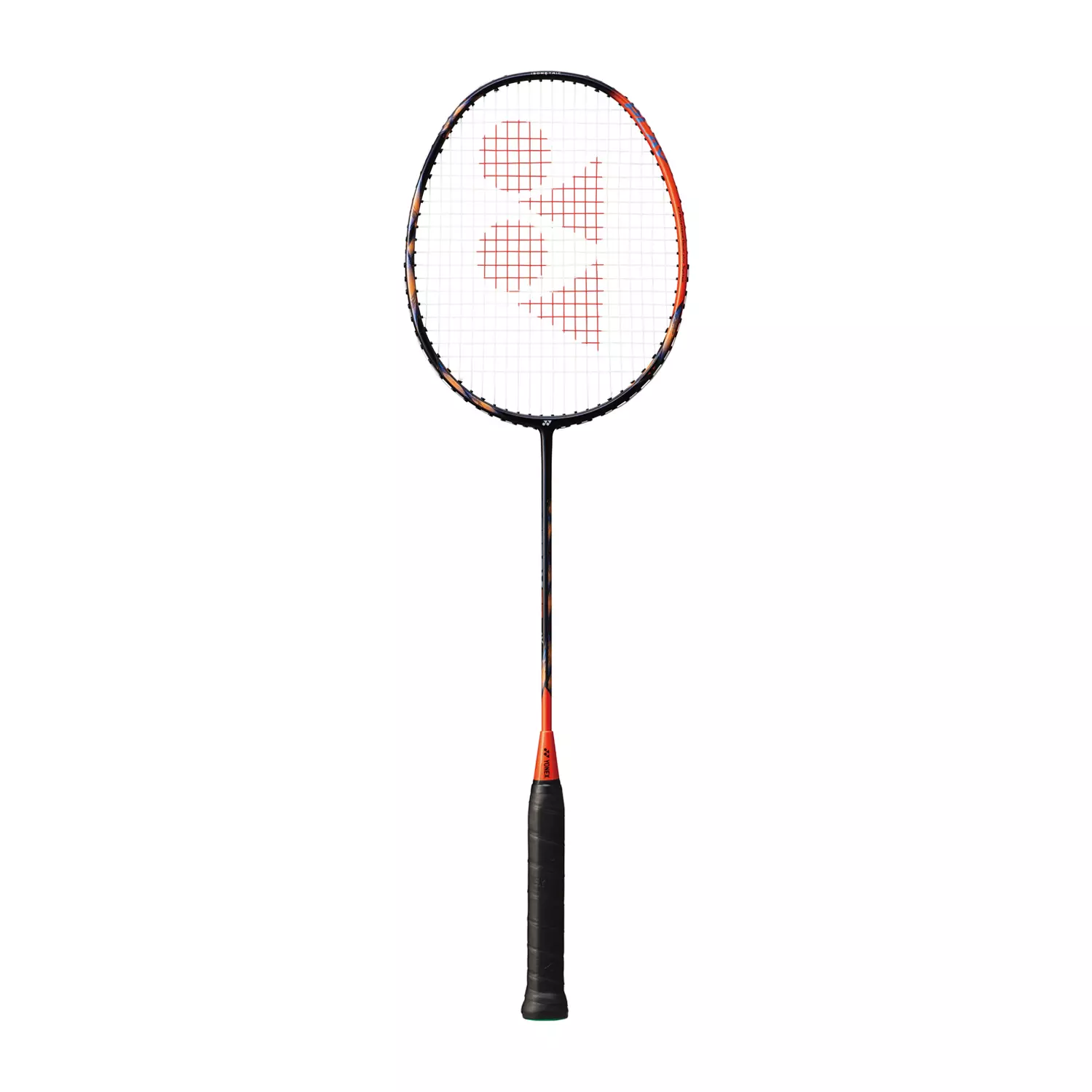

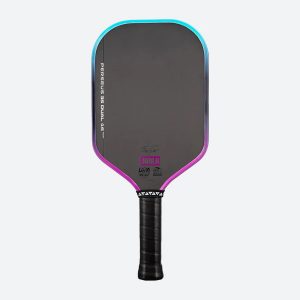

Apacs Finapi 232 Know your Racket

Apacs Finapi 232 Badminton Racket Review: The Most Versatile Racket Under ₹3500

In the ever-evolving world of badminton equipment, it’s rare to find a racket that delivers on power, control, durability, and comfort — all without a hefty price tag. But the Apacs Finapi 232 has stood the test of time and competition. Known in badminton circles since 2016–17, this racket is not just a budget-friendly choice, it’s a cult favorite for players looking for professional-level performance under ₹3500.

Let’s dive deep into what makes the Apacs Finapi 232 a true all-rounder and why it remains one of the best-selling rackets for intermediate players in India and beyond.


PERFORMANCE: Power, Control, and Accuracy

The Apacs Finapi 232 is known for its head-heavy balance, making it a natural fit for players who love powerful smashes and driving rallies. At 84g (4U), it’s light enough for quick maneuvering but heavy enough to add serious punch when you swing through the shuttle.

  • Power: Thanks to its head-heavy frame and stiff shaft, smashes are explosive. Players report an instant upgrade in shot strength, especially from the rear court.
  • Control: The stiff frame allows for tight, crisp shot placement and fast net kills. You can place drops, clears, and drives precisely when timed well.
  • Accuracy: Though the racket demands slightly cleaner technique, the sweet spot is generous enough to reward well-timed hits with surgical accuracy.

Verdict: A racket that supports aggressive singles play while remaining fast enough for rapid-fire doubles.


BUILD & DURABILITY: Materials That Last

The Finapi 232 is constructed using High Modulus Graphite, a premium material typically seen in higher-end rackets. This contributes to its rigidity, durability, and overall structural strength — all critical when you’re playing high-intensity games.

  • Frame Material: High Modulus Graphite offers low torsion and high responsiveness.
  • Shaft: Stiff and stable, ideal for counter-attacks and compact strokes.
  • Durability: Being Made in Vietnam, the quality control is impressive. This racket can take string tensions up to 30 lbs without deforming, and holds its integrity over long-term use.

Verdict: Built like a tank for its price range. A top choice for those who want a long-lasting, abuse-resistant racket.


COMFORT: Grip, Feel & Handling

Comfort is one of the often-overlooked elements in racket selection, but Apacs delivers here too.

  • Weight: At 85g, it’s in the sweet spot — not too heavy to tire your wrist, not too light to lose stability.
  • Grip: The stock grip is decent, though many players prefer to regrip it for better cushioning.
  • Ergonomics: The badminton racket feels nimble and well-balanced in hand. Despite being head-heavy, it doesn’t feel top-heavy or clumsy.

Best For: Players who enjoy a solid feel at impact without excessive vibration. The stiff shaft might take a session or two to get used to if you’re coming from a more flexible frame, but once dialed in, it offers unmatched stability.
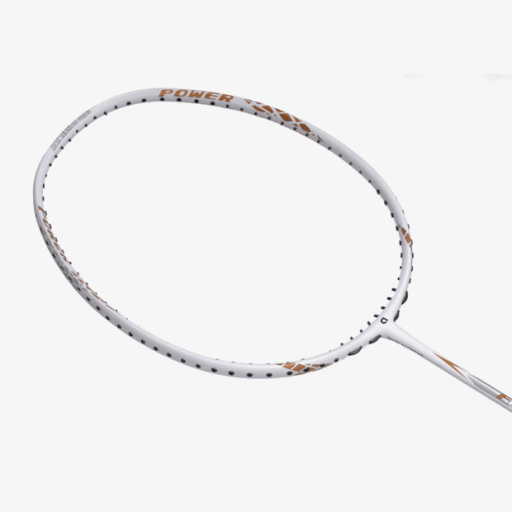
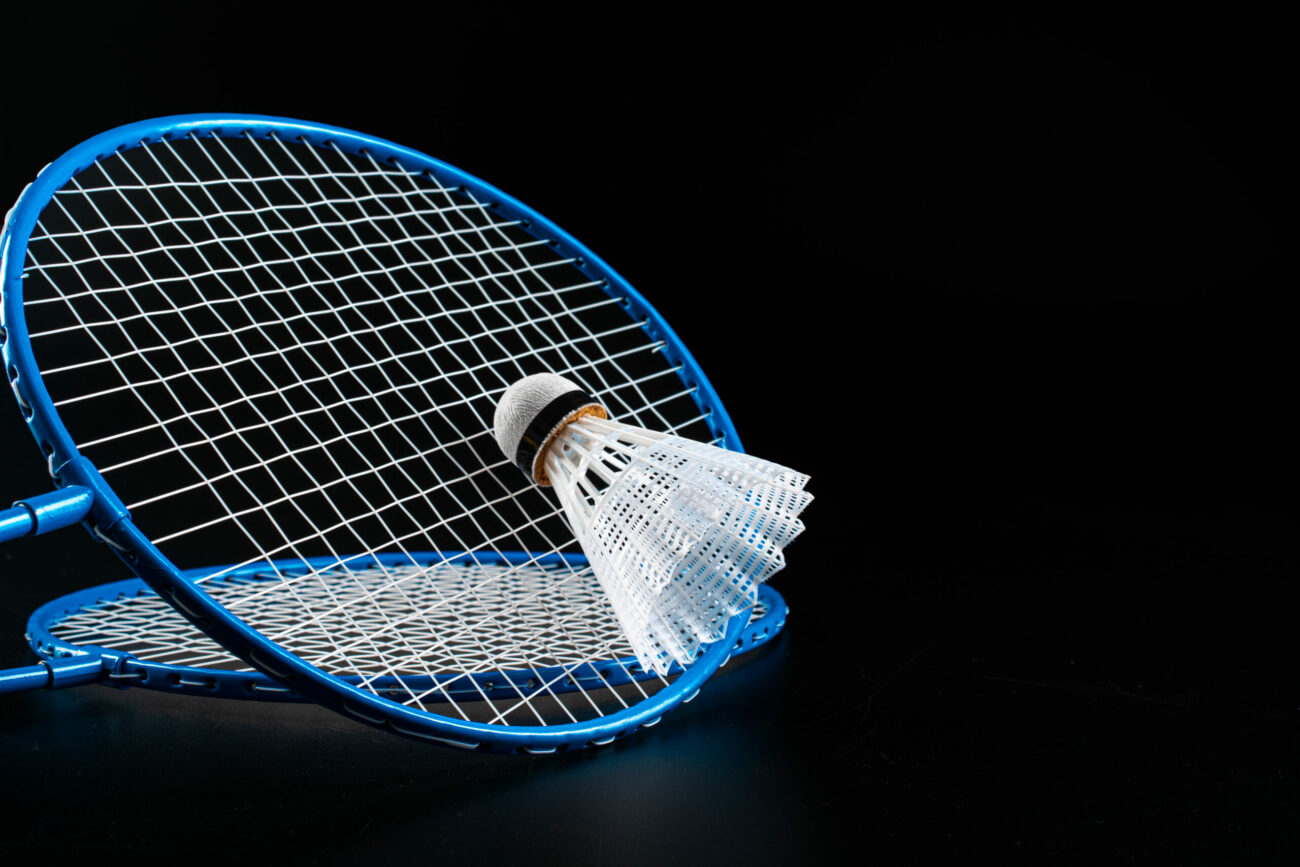
Apacs Finapi 232 badminton racket


VALUE FOR MONEY: Performance That Beats the Price

Priced at under ₹3500, the Finapi 232 is one of the best value-for-money rackets in the Indian badminton market.

  • It competes with rackets in the ₹5000–6000 range in terms of build and power output.
  • Its versatility makes it suitable for both singles and doubles play, rare at this price point.
  • Given its durability, it’s a great long-term investment for intermediate players.

String Recommendation:
Depending on your playstyle, string it with:

  • For Power: Yonex BG80 Power, Yonex Exbolt 65, Victor VBS 66 Nano
  • For Control: Yonex Aerobite Boost, Yonex BG66 Ultimax, Li-Ning No.1

Verdict: Possibly the best all-round racket under ₹3500, especially when paired with a quality string.


PROS & CONS

Pros:

  • Excellent power generation with head-heavy design
  • Stiff shaft allows superior shot control
  • High Modulus Graphite frame – strong and lightweight
  • Well-balanced for both singles and doubles gameplay
  • Incredible value for money
  • Can handle high string tension (up to 30 lbs)

Cons:

  • Not ideal for absolute beginners (stiff shaft can be demanding)
  • Grip comfort could be improved (can be fixed with overgrip)
  • Simple design — lacks premium aesthetic appeal.
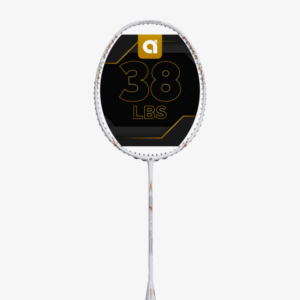
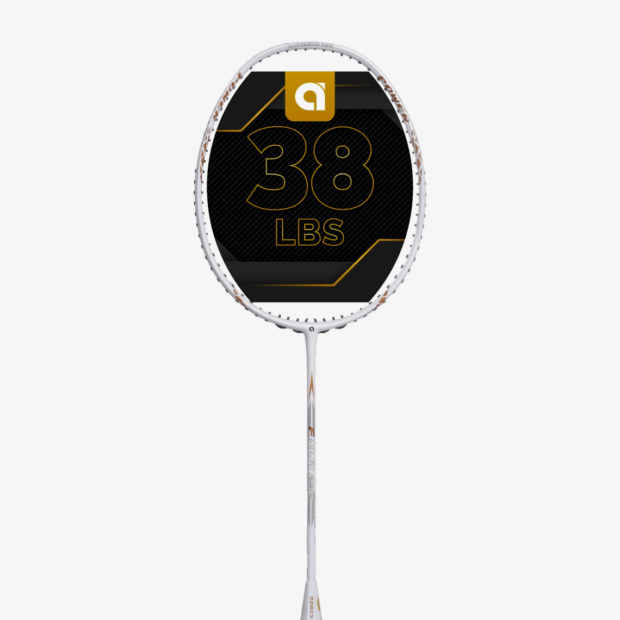
    Apacs Finapi 232 weighs about 38 lbs.

GOS SCORE: Final Rating from God of Sports

Parameter Rating
Power ⭐⭐⭐⭐☆ (4.5/5)
Control ⭐⭐⭐⭐☆ (4/5)
Accuracy ⭐⭐⭐⭐☆ (4/5)
Build & Durability ⭐⭐⭐⭐☆ (4.5/5)
Comfort ⭐⭐⭐⭐☆ (4/5)
Value for Money ⭐⭐⭐⭐⭐ (5/5)
Overall GOS Score ⭐⭐⭐⭐☆ (4.5/5)


Still not sure you want to buy this badminton racket? Watch our full video review and make the choice:

 Final Thoughts: A Trusted Workhorse for Everyday Winners

If you’re looking for a battle-tested, highly versatile racket that won’t break the bank, the Apacs Finapi 232 should be at the top of your list. It’s been a silent performer for years and continues to deliver reliable performance for intermediate and competitive players alike.

From aggressive smashes to defensive blocks, singles footwork to doubles exchanges, this racket is built to match your every move on the court.

Whether you’re returning to the game after a break or looking to level up from your beginner racket, the Finapi 232 won’t disappoint.

 Grab your Apacs Finapi 232 badminton racket today at God of Sports.
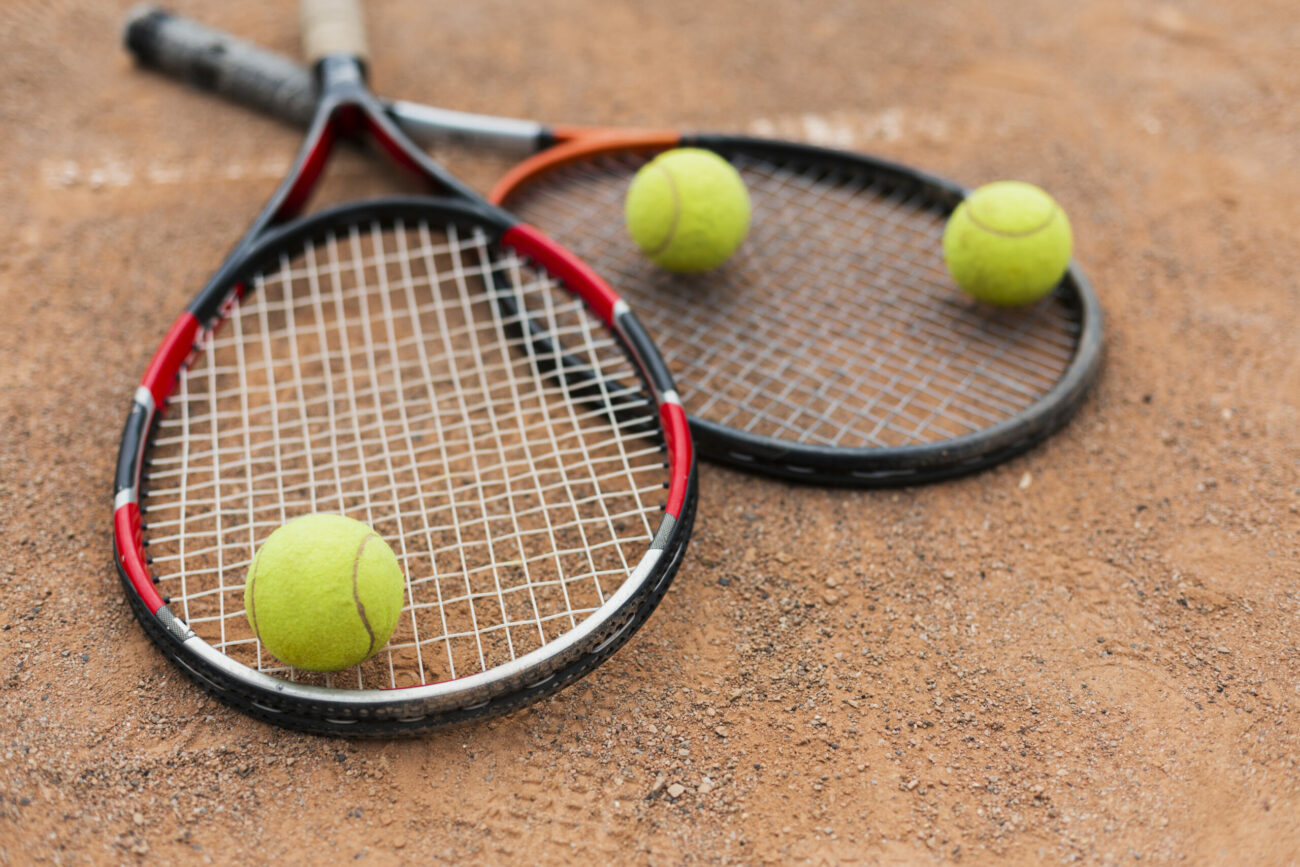


How to Choose the Right Tennis Racket: A Beginner’s Guide (2025)

When you first step onto the tennis court, everything feels new. The sound of the ball hitting the strings, the rush of adrenaline as you swing your racket, and the excitement of hitting your first clean shot. But behind every great tennis player is the perfect racket — one that suits their style, skill level, and comfort. For beginners, choosing the right racket might seem like a daunting task, especially with the wide variety of rackets available on the market. You might find yourself asking, “How do I know which racket is right for me?”

The truth is, your tennis racket plays a huge role in your game. It’s not just about picking something off the shelf — the right tennis racket can make your shots feel more controlled, powerful, and consistent, while the wrong one might leave you frustrated and unable to progress. As a beginner, selecting the right racket is essential for learning the game properly and building confidence on the court.

In this guide, we will help you understand the key features to consider when choosing your first racket. From understanding the racket’s anatomy and how it affects your game, to knowing what kind of racket suits your skill level, we’ll break down everything you need to make an informed decision. Whether you’re stepping onto the court for the first time or are ready to upgrade your equipment, this guide will help you find the perfect racket to elevate your game and enjoy every moment of it.

1. Understanding Racket Anatomy

Before diving into the specifics, let’s familiarize ourselves with the main parts of a tennis racket:

  • Frame: The outer structure of the racket, typically made of materials like graphite, aluminum, or composite. This is what gives the racket its shape and durability.
  • Head: The part of the racket where the strings are stretched. It’s important for generating power and control.
  • Strings: The mesh inside the head of the racket. The string pattern and tension affect how the racket performs.
  • Grip: The handle of the racket, which comes in different sizes to fit comfortably in your hand.
  • Shaft: The part that connects the head to the grip, providing the balance of the racket.

2. Consider Your Skill Level

As a beginner, choosing the right racket starts with your current skill level. Rackets are designed to cater to different types of players. Here’s a breakdown:

  • Beginners: Look for rackets that are lightweight and forgiving. These rackets typically offer larger sweet spots, which make hitting the ball easier and more consistent. An even balance and flexible frame are ideal for beginners because they help generate power without sacrificing control.
  • Intermediate Players: If you’re advancing from a beginner level, you’ll want a racket that provides more control while still being forgiving. Look for rackets with a slightly stiffer frame and balanced weight distribution (either slightly head-heavy or head-light) for increased precision and power.
  • Advanced Players: Advanced players often choose rackets with a stiffer frame and a smaller head size for more control and feel. These rackets are designed to enhance the precision of every shot and are generally heavier.

3. Weight of the Racket

The weight of the racket plays a significant role in how much control and power you can generate. Rackets generally come in three weight categories:

  • Lightweight Rackets (230–270 grams): These are ideal for beginners because they are easier to maneuver and require less strength to swing. They allow for quick reactions and are great for players who prioritize comfort and consistency over power.
  • Midweight Rackets (270–300 grams): These rackets offer a good balance between power and control, making them suitable for intermediate players. They provide the stability and precision needed to place the ball accurately, while still offering some power.
  • Heavyweight Rackets (300+ grams): These are designed for advanced players. Heavier rackets offer more control and stability, especially for powerful shots, but they require more strength and skill to handle.

As a beginner, lightweight rackets are generally the best choice as they allow for greater control and maneuverability without putting unnecessary strain on your arm.

4. Grip Size: Why It Matters

The grip size is one of the most overlooked yet essential factors when choosing a tennis racket. If the grip is too small, the racket will twist in your hand, leading to poor control. If it’s too large, it can cause discomfort and reduce wrist movement.

To find the right grip size, measure the distance between the tip of your ring finger and the second crease of your palm. Use this measurement to choose the right size, which is typically measured in inches. If you’re between two sizes, opt for the smaller one. You can always add an overgrip to adjust the size, but it’s difficult to reduce the size once it’s chosen.

5. Head Size: Sweet Spot and Power

The head size of the racket plays a big role in determining the power and control of your shots. The sweet spot is the area on the strings where you make the most effective contact with the ball. A larger head size offers a larger sweet spot, making it easier to hit the ball cleanly and consistently.

  • Oversized Rackets (105 square inches and above): These rackets provide a larger sweet spot, making them ideal for beginners. They offer more power and forgiveness, reducing the risk of mishits.
  • Mid-Size Rackets (95–105 square inches): These are more suitable for intermediate players, providing a good balance between control and power.
  • Small Head Rackets (below 95 square inches): These are used by advanced players who want maximum control and feel. A smaller head size offers precision, but it requires better technique and skill to hit the ball consistently.

As a beginner, opting for an oversized racket with a larger head size (around 105 square inches) can make a big difference in improving your game and confidence.

6. String Pattern and Tension

While string pattern and tension may not be the first things beginners think about, they do have a significant impact on your game.

  • Open String Pattern: Rackets with an open string pattern (such as 16×19) provide more spin and power. They’re better for players who want to hit with heavy spin or those looking for more power in their shots.
  • Closed String Pattern: A denser string pattern (such as 18×20) offers more control and durability. It’s typically favored by intermediate and advanced players.

As a beginner, you’ll likely benefit from an open string pattern to help generate power and spin more easily.

7. Budget: Finding the Right Racket Within Your Price Range

Tennis rackets come in a wide price range, from affordable beginner models to high-end professional rackets. As a beginner, you don’t need to invest in the most expensive racket on the market. Many reputable brands offer excellent beginner rackets at affordable prices that will help you learn the game without breaking the bank.

  • Budget Rackets: Expect to pay around ₹2,000–₹6,000 for a good beginner racket. These will provide all the basic features you need to start playing comfortably.
  • Mid-Range Rackets: These range from ₹6,000–₹12,000 and typically offer improved technology for better performance and durability.
  • Premium Rackets: If you’re ready to invest in a more professional racket, expect to pay ₹12,000 and above. These offer advanced materials and technology for better power, control, and comfort.

8. Top Tennis Racket Recommendations for Beginners (2025)

  • Wilson Blade Feel XL: Known for its flexibility and power, this racket is perfect for beginners who need control and comfort.
  • Head Ti. Conquest: A lightweight racket designed for players with moderate swing speeds, offering an oversized head for a larger sweet spot.
  • Yonex Vcore Ace: The racket has a great combination of speed, comfort and precision.

Conclusion: Finding Your Perfect Racket

Choosing the right tennis racket is all about understanding your needs and preferences. As a beginner, prioritize comfort, lightweight design, and a forgiving head size. With the right racket, you’ll be on your way to playing your best game and enjoying every match.

Remember, while the racket is important, practice and consistent training are key to improving your game. So, pick your racket, hit the court, and let your tennis journey begin!

The Ultimate Tennis Guide [2025]: Rules, Gear, Courts, and Famous Players

If you were to step into a tennis match, you’d quickly realize it’s not just about hitting a ball back and forth—it’s a combination of strategy, precision, and mental toughness. From the iconic grass courts of Wimbledon to the hard courts of the U.S. Open, tennis has captivated millions around the world. And in 2025, this sport isn’t just about the elite few. It’s rapidly becoming an obsession for both budding professionals and weekend warriors across India.

Meet Aryan. He’s 16 years old and has just joined a local tennis club in Bangalore. For him, tennis is more than a way to break a sweat; it’s a way of life. Inspired by the legendary tennis greats like Federer, Nadal, and Serena Williams, Aryan dreams of one day representing India on the world stage. But like any tennis enthusiast, Aryan quickly realizes that success isn’t just about passion; it’s about mastering the game, understanding the court, and selecting the right equipment.

Aryan’s first experience on the court was eye-opening. He had a decent racket, but something felt off. Every time he tried to hit a powerful forehand, the ball went flying in the wrong direction. His coach noticed his frustration. “Aryan,” he said, “You’re thinking too much about the shot. What you need to focus on is how you set up your game, starting with the basics—your grip, your stance, and, of course, your racket.” It was that moment when Aryan understood that tennis, like any sport, required a deep understanding of its nuances.

In this Tennis Mastery [2025] Guide, we’re going to take you through everything you need to know—from the rules that govern the sport to the right gear you need, the legendary players who have shaped the game, and much more. Whether you’re like Aryan, just starting out, or already playing at an advanced level, this guide will provide you with all the essential knowledge to improve your game.

The Basic Rules of Tennis

The first thing Aryan learned from his coach was that tennis isn’t just about hitting the ball as hard as you can—it’s about precision and patience. Tennis has a set of precise rules that govern the game, and understanding them is crucial to playing the sport correctly.

✅ Scoring System

At first, Aryan found the tennis scoring system confusing. Why not just count the points normally, like in every other sport? But as he got deeper into the game, he realized that tennis scoring is part of what makes the sport unique. Here’s how it works:

  • Game: Each game consists of points. The player who reaches 4 points wins the game. But here’s the catch: you need to win by at least 2 points. So if the score reaches 40-40 (also called “deuce”), a player needs to win 2 points in a row to win the game.
  • Set: A set is made up of at least 6 games. However, a player must win by 2 games to take the set. If the score reaches 6-6, a tiebreaker is played.
  • Match: The match is won by the player who wins the most sets—best of 3 or best of 5, depending on the tournament format.

✅ Serving Rules

Serving is one of the most crucial skills in tennis. Aryan’s coach made sure he understood that it’s not just about getting the ball over the net—it’s about placing it where the opponent least expects it. Here are the key serving rules:

  • Alternating Serves: Players alternate serving games. The server starts each game on the right side of the court, serving diagonally to the opponent’s service box.
  • Foot Faults: You can’t step on or over the baseline when serving. If you do, it’s a foot fault and the serve is lost.
  • Double Faults: If you miss two serves in a row, you lose the point. It’s one of the most frustrating parts of tennis, but it also teaches players to keep their nerves in check.

✅ Faults and Lets

A match can be decided in the blink of an eye by a fault or a let. It’s important to understand the difference:

  • Fault: A serve that lands outside the service box or is a foot fault is considered a fault.
  • Let: A let happens if the ball hits the top of the net but still lands in the correct service box. In this case, the point is replayed.

Understanding the Tennis Court: Size, Layout and Net

To truly master tennis, Aryan had to learn how to read the court, just like any seasoned pro. As he spent more time playing, he realized that court dimensions and markings influence your game strategy—positioning can make all the difference between winning and losing.

Court Size:

  • Singles Court: 23.77 meters long and 8.23 meters wide.
  • Doubles Court: 23.77 meters long and 10.97 meters wide.

Net Height:

  • At the Center: 91.4 cm (3 feet).
  • At the Posts: 1.07 meters (3.5 feet).

Service Box and Baseline:

Understanding these lines is crucial for positioning yourself on the court.

  • The Service Line: The line where you must serve from, divided into left and right service courts.
  • The Baseline: The back boundary of the court. Hitting the ball over this line on your opponent’s side wins the point.

Tennis Legends: The Heroes Who Shaped the Game

Aryan was inspired by the current tennis legends, but he also learned about the players who laid the foundation for tennis. He admired Roger Federer for his grace and athleticism, but he also respected the perseverance of Serena Williams, whose comeback stories were legendary.

Roger Federer – The King of Grass

Federer’s elegance on the grass courts of Wimbledon was unmatched. Aryan, like many tennis players, would dream of playing on those same courts one day.

Serena Williams – The Powerhouse

Serena’s resilience taught Aryan the importance of mental toughness. Known for her incredible work ethic, Serena Williams inspired Aryan to believe that true success comes not just from physical strength, but from mental fortitude.

Rafael Nadal – The Clay Court King

Nadal’s dominance at Roland Garros made Aryan realize the importance of mastering different surfaces. “No matter the surface, your determination will always carry you through,” Aryan remembered his coach telling him.

Novak Djokovic – The Underdog Turned Legend

Djokovic, who had to fight his way up from being the third in a three-player rivalry, taught Aryan that perseverance and adaptability were key to overcoming any challenge.

What Are The Essential Tennis Gear Needed By A Player?

When Aryan first started playing, he had a basic racket. It wasn’t much, but it allowed him to learn. But his coach quickly pointed out that the right gear could make all the difference in his game. Here’s what every tennis player, like Aryan, needs to know about gear:

1. Tennis Racket

The racket is your main tool, and choosing the right one depends on your playing style.

  • Beginners: A lightweight racket with a larger sweet spot, such as the Wilson Clash 100.
  • Intermediate: A racket with a balance between power and control, like the Babolat Pure Drive.
  • Advanced: A stiffer racket for control, such as the Head Speed Pro.

2. Tennis Balls

The right tennis ball can have a significant impact on your game. Whether you’re playing for fun or at a professional level, selecting the appropriate ball is crucial. Here’s what Aryan learned:

  • Regular Duty Balls: These are designed for clay or indoor courts and have a softer felt, which makes them last longer on softer surfaces.
  • Extra Duty Balls: These are heavier and more durable, made for hard courts where they experience more wear and tear.
  • High Altitude Balls: Designed for use in high altitudes, they are slightly pressurized for better play at elevation.
  • Professional Balls (Feathered): Used in tournaments, these are fast and provide consistent performance.

Top 5 Tennis Rackets in India (2025)

Aryan eventually upgraded his racket after a few months of training. Here’s a list of the best rackets in India right now, for players at different skill levels:

Babolat Pure Drive Lite 2025 Tennis RacquetBabolat Pure Drive Lite 2025 Tennis Racquet

    • Best For: Beginner & Intermediate players
    • Price: ₹15,000 – ₹17,000
    • Buy Now

Babolat Pure Drive Plus Tennis Racquet

    • Best For: Players who need power and precision
    • Price: ₹17,000 – ₹19,000
    • Buy Now

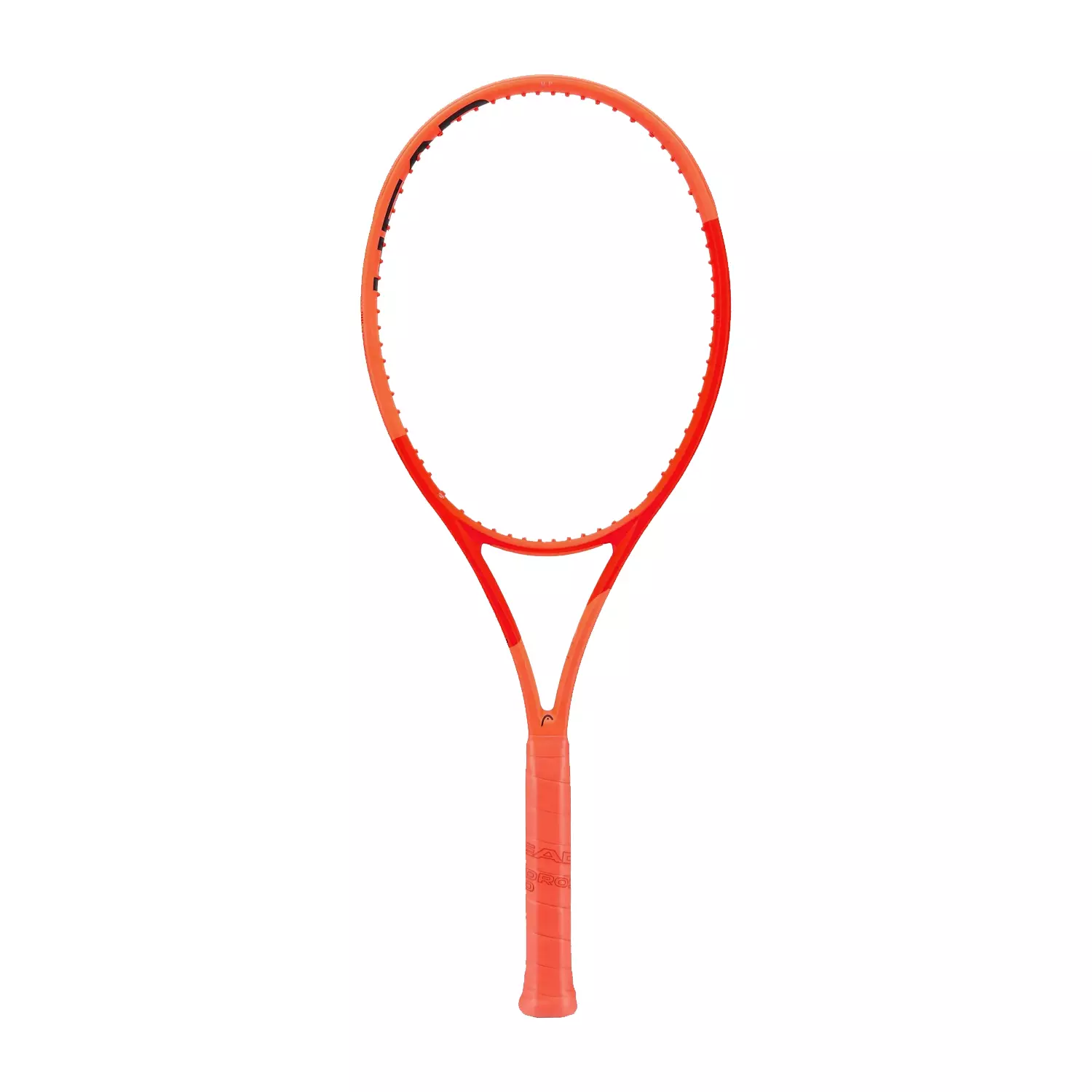
Head Radical MP – The All-RounderHEAD Radical MP 2025 Tennis Racquet

    • Best For: Intermediate players
    • Price: ₹18,000 – ₹20,000
    • Buy Now

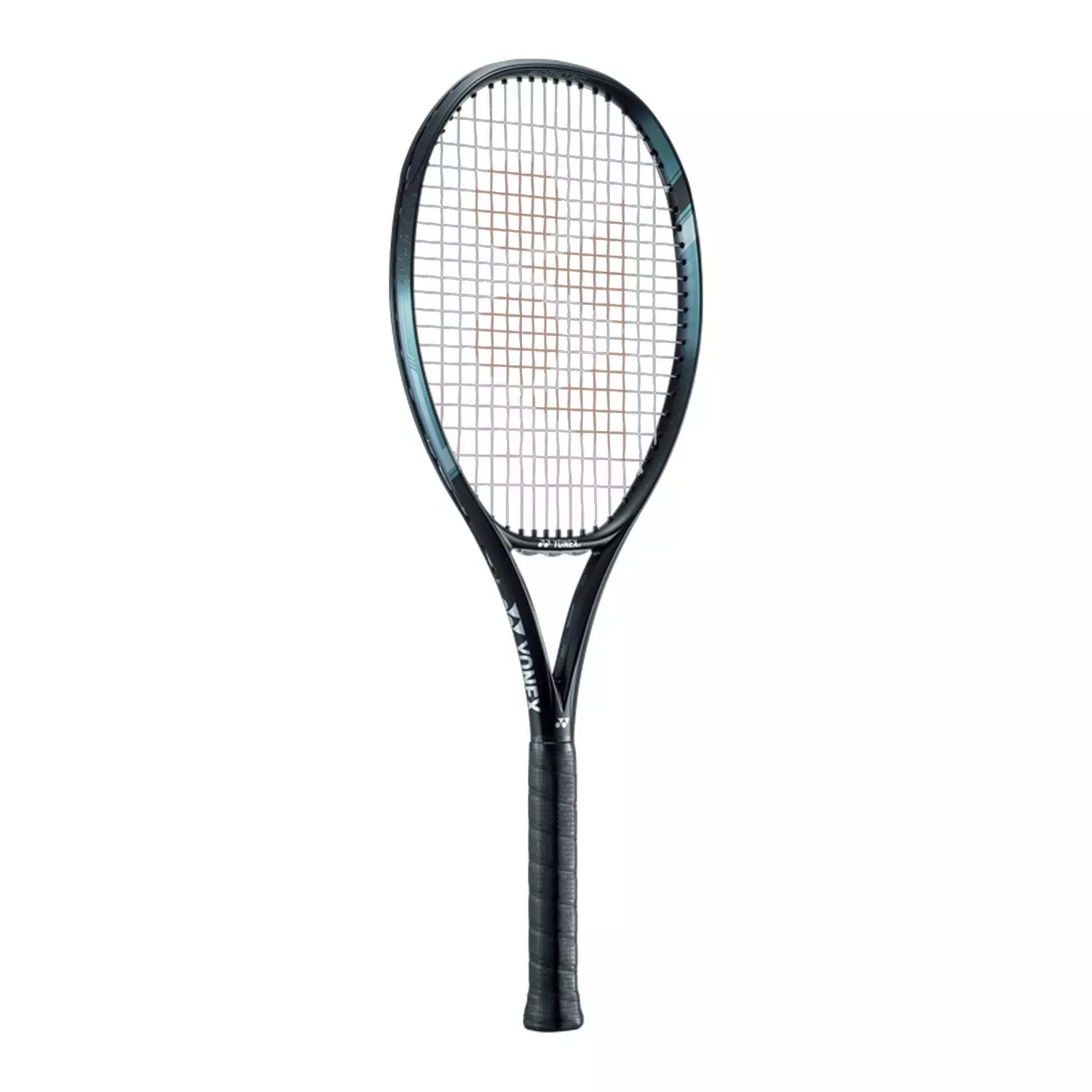
Yonex Ezone 100 – The Comfort RacketYonex Ezone 100 Tennis Racquet

    • Best For: Players looking for comfort
    • Price: ₹14,000 – ₹16,000
    • Buy Now

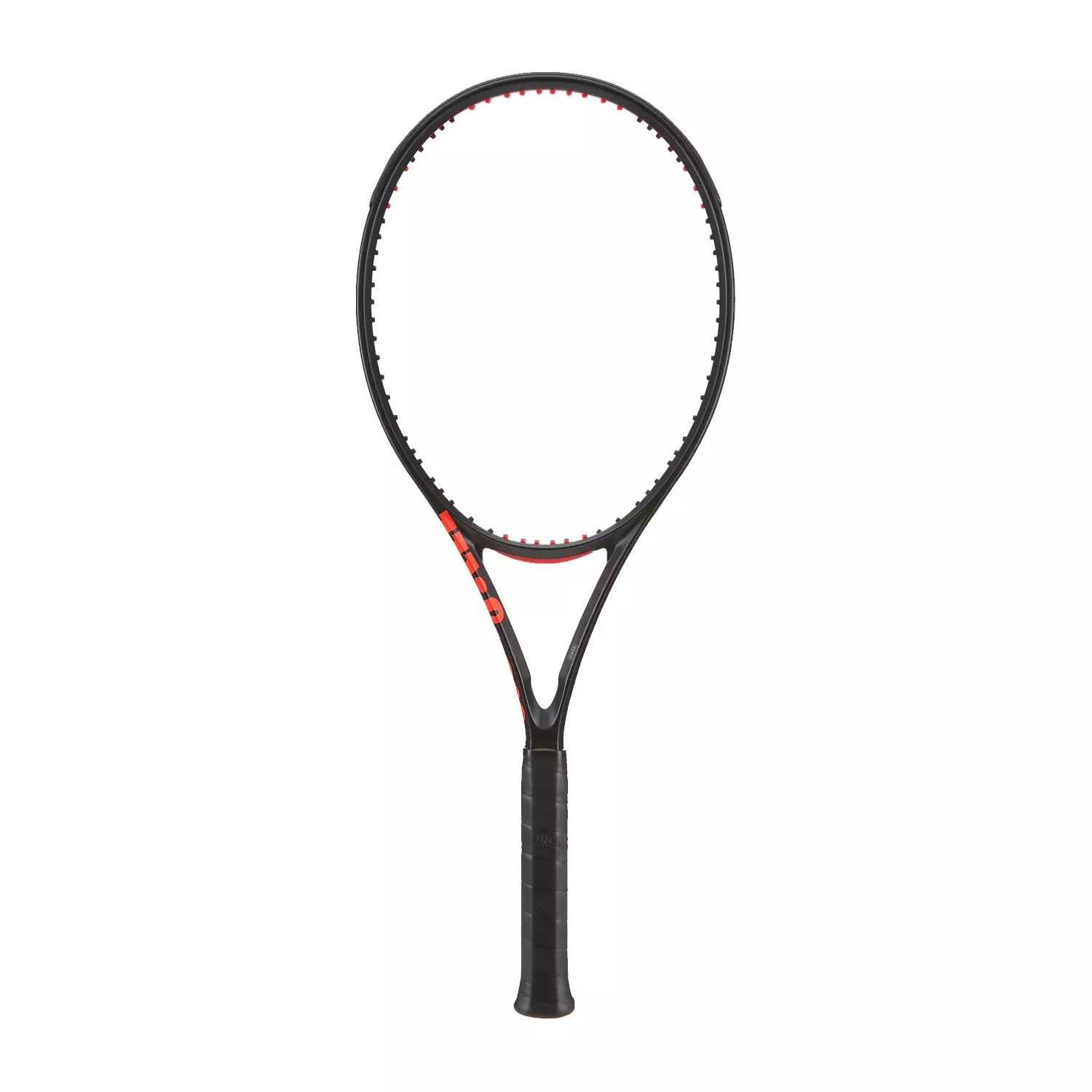
Wilson Clash 100 – The Beginner’s ChoiceWilson Clash 100 Pro V3 Tennis Racquet

    • Best For: Intermediate and Professional players
    • Price: ₹20,000 – ₹22,000
    • Buy Now

Top 5 Tennis Balls in India (2025)

Just like selecting the right racket, picking the right tennis ball is essential for your game. Aryan quickly learned that the type of ball you use can drastically affect how the ball bounces, how fast it travels, and how durable it is. Here are the best tennis balls you can find in India in 2025:

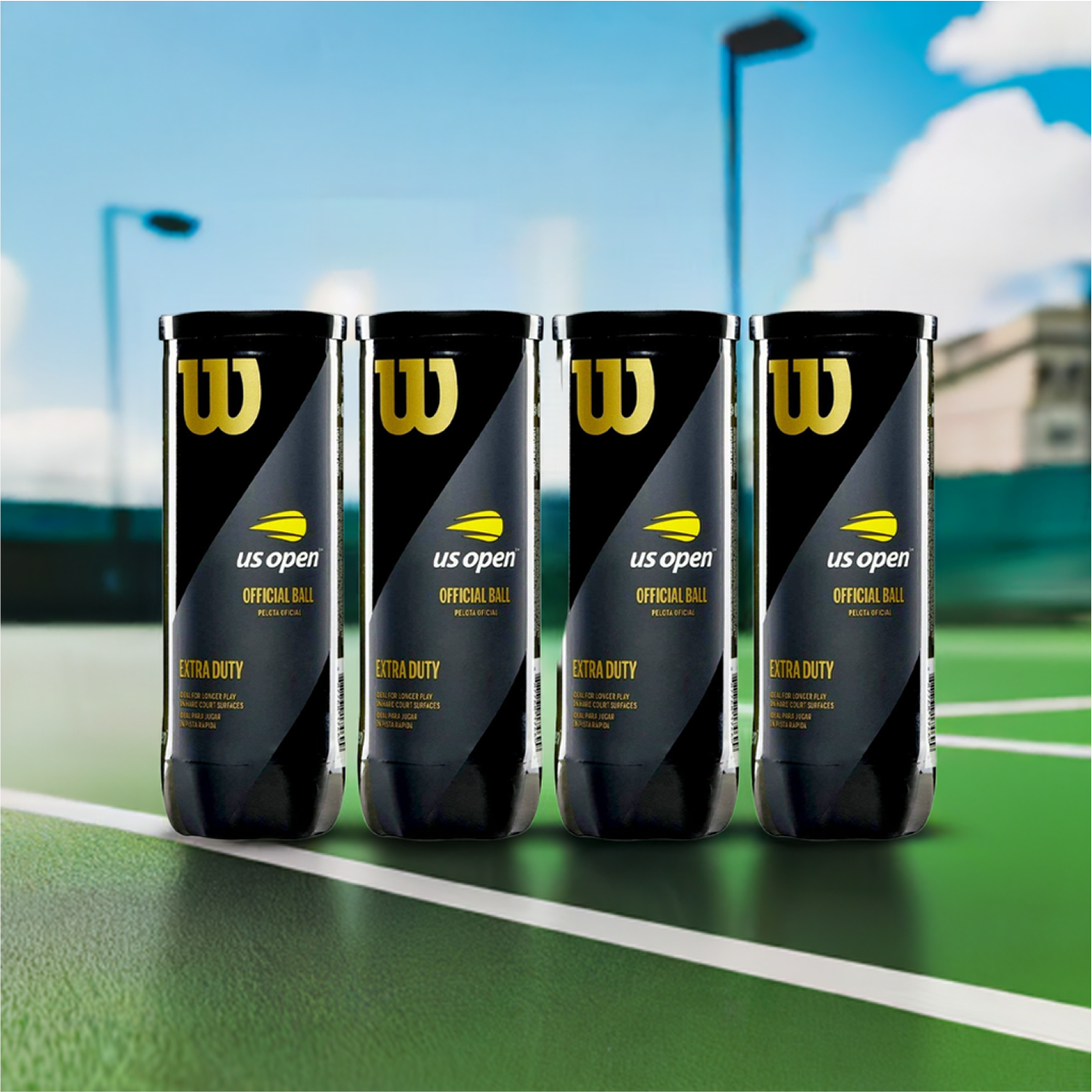
Wilson US Open Tennis Balls – The Tournament FavoriteWilson US Open Tennis Ball Cans (12 Balls)

    • Best For: Competitive play and professional matches.
    • Why We Like It: Known for their durability and performance in high-pressure situations.
    • Price: ₹1,500 – ₹2,000 (12-ball can)
    • Buy Now

Babolat Gold French Open Tennis Balls – The Clay Court Specialist

    • Best For: Clay court play, as they’re designed for the surface.
    • Why We Like It: Offers excellent bounce and control.
    • Price: ₹900 – ₹1,400 (3-ball can)

Head Pro Tennis Balls – The All-Rounder

    • Best For: Hard courts and long-lasting play.
    • Why We Like It: Great for both recreational and competitive play, providing consistent bounce.
    • Price: ₹1,000 – ₹1,500 (3-ball can)

Slazenger Wimbledon Tennis Balls – The Classic ChoiceSlazenger Wimbledon Tennis Ball (36 Balls)

    • Best For: Grass and all court types.
    • Why We Like It: The official ball of Wimbledon; durable and high-performance.
    • Price: ₹5,000 – ₹6,000 (36-ball can)
    • Buy Now

Yonex Tour Tennis Balls – The Player’s PickYonex Tour Tennis Balls (36 Balls)

    • Best For: Advanced players and professionals.
    • Why We Like It: Consistent bounce, high durability, and favored in competitive tournaments.
    • Price: ₹7,000 – ₹8,000 (72-ball can)
    • Buy Now

The Rise of Tennis in India (2025)

Tennis is flourishing across India, thanks to rising stars like Aryan who have found inspiration in global champions. But it’s not just the players—it’s the growing number of tennis courts, clubs, and academies in India that are fueling the sport’s rise.

  • Courts & Clubs: Tennis courts are multiplying in metros like Delhi, Mumbai, and Bangalore. Even tier-2 cities are seeing an increase in tennis academies.
  • Fitness Movement: Tennis is becoming a popular way for Indians to stay fit, thanks to its cardiovascular benefits and its blend of agility, speed, and strategy.
  • Tennis Leagues: The success of the Tennis Premier League (TPL) has helped bring international stars to Indian courts, raising the profile of Indian tennis.

FAQs on Tennis in India

  1. Is tennis expensive to play in India?
    • Tennis can be played affordably, especially at recreational levels. Professional gear, like high-quality rackets and feathered balls, can be expensive.
  2. Which racket is best for beginners?
    • The Wilson Clash 100 is ideal for beginners due to its forgiving frame.
  3. How often should I restring my racket?
    • A racket should be restrung every 6-12 months, depending on frequency of play.
  4. Can I play tennis without a coach?
    • You can, but a coach can significantly help improve your skills.
  5. Who is India’s top tennis player today?
    • Sania Mirza is the most accomplished, but young players like Sumit Nagal are quickly rising through the ranks.

Final Thoughts – Why Tennis Matters in India

Tennis in India is a journey of passion, growth, and persistence. Aryan’s story is just one of many. From hitting his first serve to mastering his backhand, his tennis journey reflects the hopes of every aspiring player. And just like him, anyone can rise to become a champion with the right knowledge, gear, and determination.

Start your journey with the best tennis gear at GodOfSports. Use code TENNIS2025 for exclusive savings.

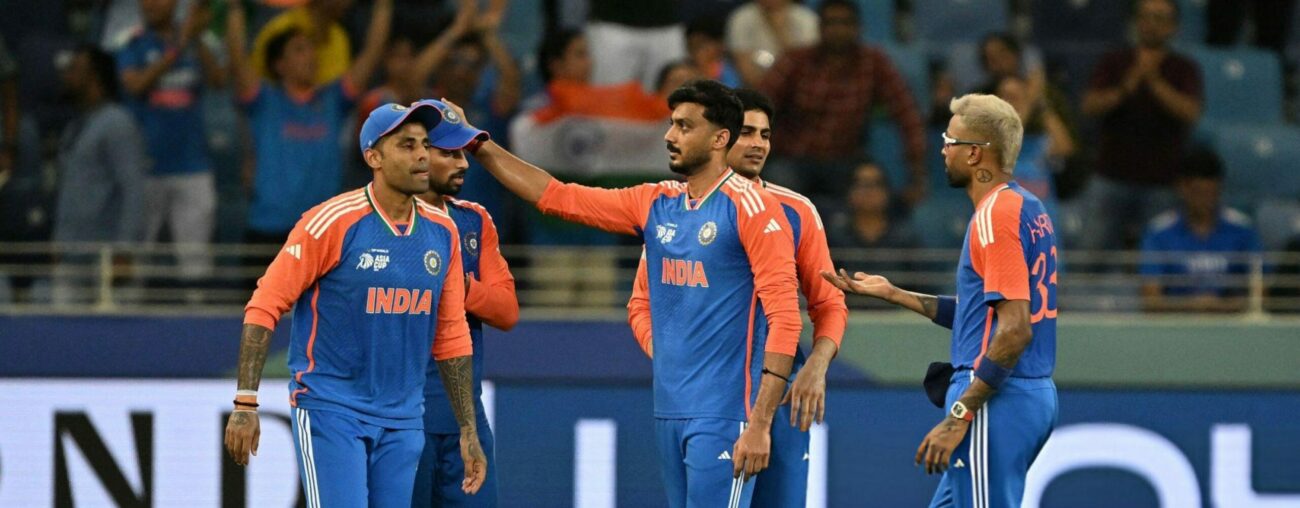
Sportsmanship or Statement? Inside the India-Pakistan Handshake Controversy

The recent India vs Pakistan match in the Asia Cup 2025 has stirred up more conversation off the field than usual — not for something that happened during play, but because of what didn’t. At the end of the game, when the customary post-match handshake is expected, Indian players reportedly left the field without offering the gesture to their Pakistani counterparts or even to match officials.

What happened

India won by seven wickets in their Group A clash, with captain Suryakumar Yadav leading from the front. At the toss, the two captains — Yadav and Pakistan’s Salman Ali Agha — notably did not shake hands. After the final wicket, Indian players reportedly proceeded straight off the field into their dressing room, closing the door behind them, bypassing the handshake ritual. Also, Pakistan’s captain skipped the post-match presentation ceremony in protest.

Statements / Justifications

India’s side, led by Yadav, indicated that this was a deliberate decision. They said they informed the match referee before the match about their choice not to shake hands. Yadav also dedicated the win to the Indian armed forces and to the victims of an earlier terror attack in Pahalgam, Kashmir, which triggered a military conflict between the two nations in May.

Reactions

The Pakistan Cricket Board (PCB) has officially lodged a complaint, calling India’s behaviour “against the spirit of sports.” Mike Hesson, Pakistan’s head coach, expressed disappointment, saying his team was “ready to shake hands” but found that by the time they approached, the Indian team had already gone off. PCB/ACC chairman Mohsin Naqvi also criticised the move, calling it a violation of sportsmanship. On the Indian side, Yadav said their actions were in alignment with the stance of BCCI and with the government, emphasizing that they simply wanted to acknowledge the suffering of people back home.

The Twitteratis who were already abuzz with boycotting the match went into overdrive after India’s no-handshake stance. Here’s how the Twitter world reacted to the entire controversy.

How to Improve Your Footwork in Badminton

In badminton, agility and speed are just as important as precision and power. The ability to move quickly and efficiently around the court is essential for both offensive and defensive play. Badminton is a fast-paced sport where every second counts, and your footwork can make or break your performance. Good footwork not only allows you to reach the shuttle faster but also helps you maintain balance, control, and optimal positioning to execute your shots effectively.

Take the example of badminton legends like P.V. Sindhu and Lin Dan, who are renowned not just for their powerful smashes and sharp tactics, but also for their impeccable footwork. Sindhu’s agility on the court allows her to reach shuttlecock corners with ease, while Lin Dan, often referred to as the ‘Super Dan,’ demonstrated superior footwork and court coverage throughout his career, contributing significantly to his success in multiple World Championships and Olympic golds. Their flawless footwork has set the bar for aspiring players, showing how much of a difference efficient movement can make to a player’s overall game.

Whether you’re aiming to become a professional or simply improve your recreational play, focusing on your footwork is key. In this article, we’ll explore practical tips and drills to help you improve your footwork and take your badminton skills to the next level.

Tips and drills to improve your footwork in Badminton

1. Understanding the Importance of Footwork

Good footwork is the foundation of effective badminton play. The right footwork not only helps you get to the shuttle quickly, but it also enables you to be in the right position to make the best shot. Badminton requires you to cover the entire court efficiently, whether you’re moving forwards, backwards, or side to side.

Here’s why footwork is crucial:

  • Quick Movement: Efficient footwork ensures that you can reach every corner of the court in the shortest possible time, giving you more opportunities to return the shuttle. 
  • Balance and Control: Proper footwork helps you maintain balance, allowing you to execute shots with more precision and power. 
  • Recovery: After every shot, good footwork ensures that you can quickly return to your base position and prepare for the next rally. 

2. Mastering Basic Footwork Patterns

Familiarizing yourself with the basic footwork patterns is the first step toward improving your game. Here are the key movements every badminton player needs to master:

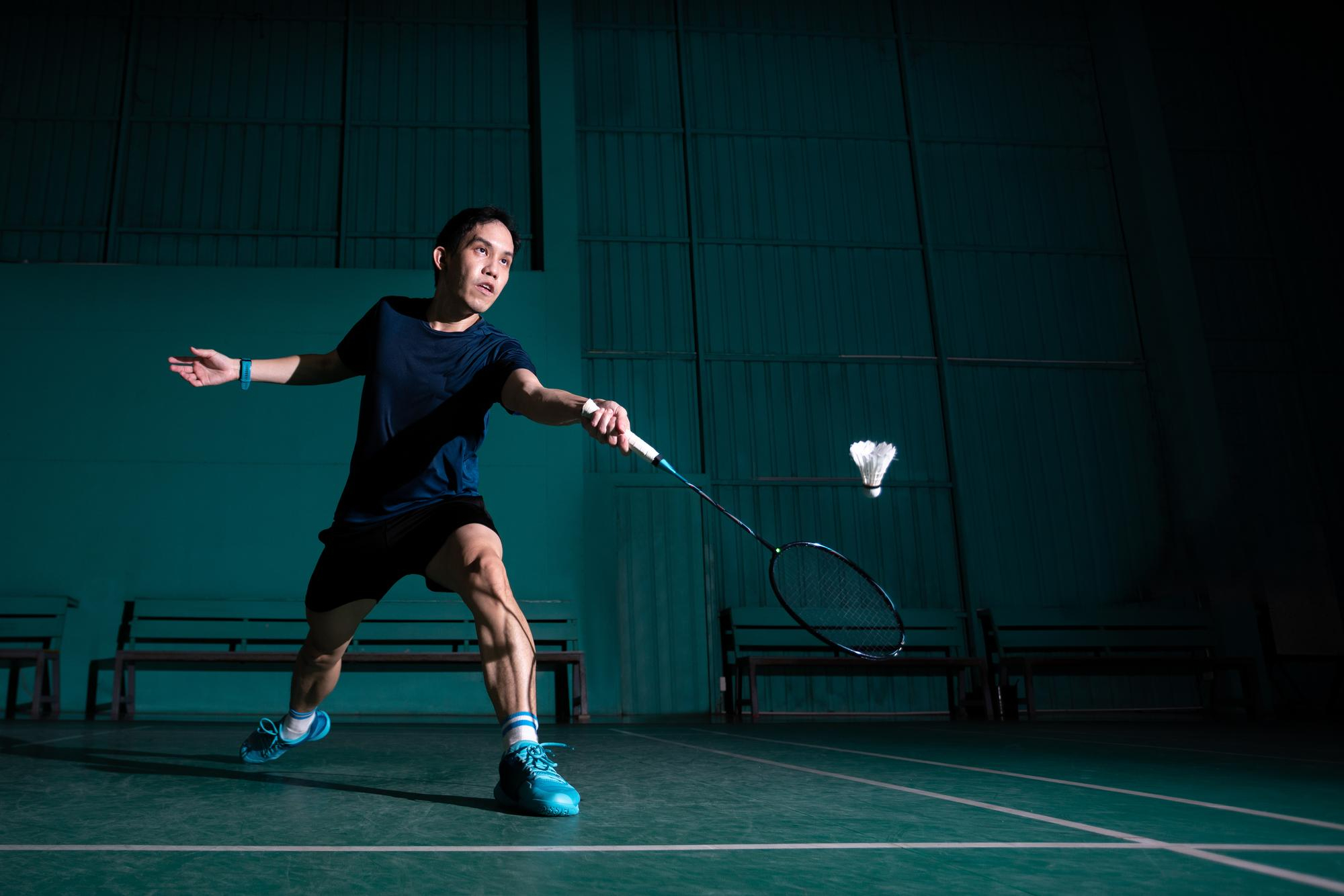
  • Split Step: A small hop or movement where you jump lightly to prepare for movement in any direction. This helps you stay balanced and ready to move when the shuttle is hit. 
  • Lunge: A deep step forward, typically used for net shots or smashes. It helps you cover the front of the court effectively and reach for low shots. 
  • Chasse Step: A side-to-side sliding motion used for lateral movements across the court. This step is vital for moving along the baseline or during fast exchanges at the net. 
  • Scissor Kick: A jump used for intercepting high shots, especially when the shuttle is at its peak. This helps you cover the back corners of the court and return high serves or smashes. 

3. Drills to Enhance Footwork

Incorporating specific footwork drills into your routine can help build muscle memory and improve your overall speed and agility. Here are some essential drills:

  • Shadow Footwork: Practice moving around the court without a shuttle. Focus on your positioning, movement patterns, and balance. This drill helps you get accustomed to the necessary footwork without distractions. 
  • Pointing Footwork: Have a partner point to different areas of the court (forehand, backhand, front, back) and practice reaching those positions as quickly as possible. This simulates game conditions and improves your reaction time. 
  • Cone Drills: Set up cones or markers on the court and move around them in various patterns. This will help improve your agility and foot placement, making you quicker on your feet during a match. 
  • Four-Corner Drill: This is a basic but effective drill. Set up four corners (front left, front right, back left, and back right) and practice moving from one corner to another as quickly as possible, focusing on smooth and precise footwork.

4. Strengthening Exercises for Better Footwork

Strong legs and a stable core are crucial for good footwork. Incorporate these exercises into your routine to enhance your strength, flexibility, and stamina:

  • Lunges and Squats: These exercises help build strength in your legs and improve your ability to lunge forward or jump quickly. 
  • Calf Raises: Strengthening your calves helps you push off quickly and maintain balance during fast movements. 
  • Core Workouts: A strong core is essential for balance and stability. Incorporate exercises like planks and Russian twists to enhance your stability. 
  • Plyometric Training: Exercises like jump squats and box jumps help you develop explosive power, making your movements faster and more agile. 

5. Flexibility and Mobility

Flexibility is key to improving your footwork. The more flexible you are, the easier it will be to move quickly and reach for shots. Incorporate stretching and mobility exercises into your routine:

  • Dynamic Warm-ups: Perform leg swings, arm circles, and hip rotations to get your muscles warmed up before play. 
  • Static Stretching: After a game or training session, focus on stretching your hamstrings, calves, and hip flexors to increase flexibility and reduce muscle tightness. 
  • Ankle Mobility Drills: Good ankle flexibility helps with quick direction changes. Try ankle circles or toe-tapping exercises to improve ankle mobility. 

6. Consistent Practice and Game Simulation

To truly master footwork, practice is essential. Here’s how you can integrate footwork into your regular training:

  • Daily Drills: Dedicate time each day to practicing footwork drills, even without a shuttle. Consistency is key to developing muscle memory and improving your movement on the court. 
  • Play Practice Matches: Incorporate footwork into your game by playing matches that focus solely on movement. Ask your partner to slow down the pace so you can concentrate on getting your footwork right. 
  • Game Simulation: Try practicing your footwork during actual match situations. Focus on applying the footwork techniques during rallies, and evaluate yourself afterward to see where you can improve. 

7. Seeking Professional Guidance

If you want to fast-track your footwork improvement, consider getting a coach or joining a club:

  • Hire a Coach: A coach can give you personalized feedback and guide you in the right direction with tailored footwork drills. 
  • Join a Badminton Club: Playing with others who have more experience can push you to improve. Plus, you’ll receive valuable tips and insights that can enhance your game. 

Conclusion

Footwork is the cornerstone of success in badminton. It’s not enough to just focus on hitting the shuttle—you need to be quick, agile, and in the right position to execute the perfect shot. By practicing the right techniques, strengthening your body, and being consistent with footwork drills, you can dramatically improve your agility and reaction time on the court. Remember, players like P.V. Sindhu and Lin Dan didn’t just achieve success because of their skills—they mastered footwork, which gave them the ability to control the game. With dedication and focused practice, you can elevate your game and play like a pro.

Badminton in India: Fitness Benefits, Training Tips & Rising Trends in 2025

Badminton has rapidly transformed from a backyard pastime to one of the most popular sports in India, captivating millions of players and fans across the nation. With its easy accessibility, minimal equipment requirements, and fast-paced nature, badminton has become a sport that people of all ages and skill levels can enjoy. The growing success of Indian badminton players on the global stage, such as P.V. Sindhu, Saina Nehwal, and Lakshya Sen, has further fueled the sport’s popularity and inspired a new generation of shuttlers to pick up the racket.

In 2025, badminton is no longer just a recreational activity; it has become a significant part of India’s sporting landscape. With the rise of professional leagues, enhanced training facilities, and a surge in grassroots participation, badminton is seeing unprecedented growth in both urban and rural areas. Moreover, the fitness benefits that come with regular badminton play—ranging from improved cardiovascular health to better agility and mental well-being—make it an ideal sport for anyone looking to stay active and healthy.

Whether you are an aspiring player looking to compete at higher levels or simply someone seeking a fun, effective way to stay fit, badminton offers something for everyone. This article explores the fitness benefits of playing badminton, provides training tips for beginners, and highlights the rising trends in Indian badminton as the sport continues to gain momentum in 2025.

Fitness Benefits of Playing Badminton

Engaging in badminton offers a comprehensive workout that benefits both the body and mind.

Cardiovascular Health: The fast-paced nature of badminton elevates heart rate, enhancing cardiovascular endurance and promoting heart health. Playing regularly improves overall cardiovascular fitness, which is key to preventing heart disease.

Muscle Strength and Endurance: Regular play strengthens muscles, particularly in the legs, arms, and core, improving overall muscle tone and endurance. The constant movements—such as lunges, sprints, and jumps—require the use of multiple muscle groups, contributing to increased muscle strength and endurance.

Weight Management: An hour of intense badminton can burn approximately 400–500 calories, making it an effective exercise for weight loss and management. For those looking to lose weight or maintain a healthy weight, badminton serves as an enjoyable and efficient way to burn calories.

Mental Well-being: The sport’s dynamic play reduces stress, anxiety, and depression, promoting mental clarity and focus. Physical activity in general is known to release endorphins (the “feel-good” hormones), and badminton is no exception. It can be a great way to unwind after a long day.

Agility and Reflexes: Quick movements and reflexes are essential in badminton. The sport enhances coordination and reaction times, which can be beneficial for overall athletic performance. It helps players become more agile and responsive to fast changes in direction.

According to badminton players and coaches, playing badminton is a full-body workout that improves cardiovascular health, strength, endurance, and mobility.

Training Tips for Beginners

Starting with the right approach ensures steady progress and reduces the risk of injury. Here are some useful tips for beginners:

Warm-Up and Cool Down: Always begin with a 10-minute warm-up to prepare muscles and end with a cool-down to aid recovery. Warming up prevents muscle strain and injuries, while cooling down helps in reducing muscle soreness after play.

Footwork Drills: Mastering footwork is crucial for covering the badminton court efficiently. Practice lateral movements, quick steps, and positioning to improve court coverage. Focus on smooth, controlled movements.

Grip Techniques: Learn the basic grips—forehand, backhand, and panhandle—to handle various shots effectively. Proper grip helps in improving shot accuracy and power.

Shadow Play: Without a shuttle, practice movements and strokes to build muscle memory and coordination. Shadow play improves your technique and ensures that your body movement is in sync with your strokes.

Consistency Over Power: Focus on consistent shot placement and control rather than sheer power. Accuracy is often more important than hitting hard when you’re starting out.

Stay Hydrated and Rested: Proper hydration and rest are vital for optimal performance and recovery. Make sure to drink water regularly, especially during breaks.

Rising Trends in Indian Badminton (2025)

The landscape of badminton in India is rapidly evolving, influenced by technological advancements, infrastructural developments, and a surge in grassroots participation. Let’s take a look at the key trends driving the sport in 2025:

Technological Integration: Innovations like the Badminton Stroke-type Transformer (BST) are revolutionizing training methods by analyzing player movements and shot types using AI. This helps players track their progress and fine-tune their technique more efficiently.

Increased Participation: Events like the Khelo India Youth Games 2025 have seen a significant rise in participants, indicating a growing interest among the youth. Grassroots programs are encouraging more young people to take up badminton as a career option, and the overall number of players is steadily increasing across all age groups.

Infrastructure Development: Cities across India are investing in state-of-the-art badminton facilities, making the sport more accessible to the masses. Dedicated badminton courts are being built in urban areas, while rural regions are seeing mobile courts introduced to reach players who don’t have easy access to proper facilities.

Professional Leagues: The success of leagues like the Syed Modi International Badminton Championships has spurred interest in professional badminton, providing a platform for emerging talents. The Premier Badminton League (PBL) continues to grow, creating more opportunities for professional players and increasing the sport’s popularity.

Corporate Wellness Initiatives: Companies are incorporating badminton into their wellness programs, recognizing its benefits in promoting employee health and teamwork. Many offices and co-working spaces now have badminton courts as part of their facilities to encourage physical activity during breaks.

Conclusion

Badminton in India is more than just a sport; it is a movement that has captured the nation’s imagination. With its numerous health benefits, accessible training methods, and the rise of professional opportunities, badminton offers a holistic approach to fitness and well-being. The sport’s exponential growth, combined with the increasing number of facilities, leagues, and grassroots programs, positions India as a global leader in badminton in the coming years. As we progress through 2025, the sport’s influence continues to grow, inspiring individuals across the nation to pick up a racket and embrace a healthier lifestyle.

The Ultimate Badminton Gear Checklist for Beginners in 2025

Badminton is one of the most exciting, fast-paced sports, offering both a great workout and hours of fun. Whether you’re playing for fitness, competition, or just recreationally, starting your badminton journey in 2025 is a fantastic decision. The game promotes agility, hand-eye coordination, endurance, and strategic thinking. But before stepping onto the court, having the right badminton gear is essential—especially for beginners. Having the proper equipment can improve your comfort, performance, and overall enjoyment of the sport.

The badminton gear you choose will set the foundation for your game, and knowing what to buy can be overwhelming with all the options out there. From rackets and shuttlecocks to shoes and accessories, the right gear can make all the difference. Not only will it enhance your playing experience, but it will also help prevent injuries and ensure that you’re well-prepared for any match or training session.

In this guide, we’ve compiled a comprehensive checklist of the must-have badminton gear for beginners in 2025. This checklist highlights the essential equipment that every beginner should consider, along with product recommendations from God of Sports, ensuring that you get quality and value for your money. Whether you’re just getting started or looking to upgrade your gear, this guide will help you make informed choices and ensure you have everything you need to excel on the court.

Essential Badminton Gear that every badminton player should buy in 2025

1. Badminton Racket

The badminton racket is your primary tool on the court, and choosing the right one is key to your performance.

  • Weight: Lightweight rackets (80-85 grams) are perfect for beginners, offering better control. 
  • Balance: Look for rackets with an even or head-light balance for better maneuverability. 
  • Flexibility: A medium-flex shaft provides the perfect balance between power and control. 
  • Grip Size: Ensure a comfortable grip size to avoid discomfort during long sessions. 

Top 3 Rackets from God of Sports:

  1. Yonex Astrox 99 Pro Badminton Racket – It is a weapon of choice for elite players seeking to dominate through explosive smashes and commanding court presence. 
  2. Viktor Auraspeed 90K Metallic Badminton Racket – Perfect for players who thrive in fast, unpredictable gameplay. 
  3. Li-Ning Windstorm 72 S Badminton Racket – The ultimate lightweight racket, weighing just 72g for unmatched speed and control.

2. Shuttlecocks

Shuttlecocks come in two types, and for beginners, plastic shuttlecocks are the best choice.

  • Plastic Shuttlecocks: Durable and less expensive, ideal for practice and recreational play. 
  • Feathered Shuttlecocks: More expensive but offer a more natural flight pattern, best for advanced players. 

Top 3 Shuttlecocks from God of Sports:

  1. Yonex Aerosensa 50 AS50 Badminton Feather Shuttlecock – Durable and designed for beginner to intermediate play. 
  2. RSL Tourney Supreme Badminton Feather Shuttlecock – Known for their stability and consistency in flight. 
  3. Li-Ning SG Gold Badminton Feather Shuttlecock (Speed 77) – Premium quality shuttles suited for every badminton professional. 

3. Badminton Shoes

Proper footwear is essential to avoid injury and enhance your performance.

  • Non-marking Soles: Ensure that the shoes have non-marking soles to protect the court surface. 
  • Grip: Choose shoes with excellent grip to prevent slipping. 
  • Cushioning: Cushioning is crucial to absorb the impact from jumps and quick movements. 

Top 3 Badminton Shoes from God of Sports:

  1. Yonex Dual Badminton Shoes (Black/Aqua Blue/Warm Red) – Ideal for men who like to play for longer periods.  
  2. Babolat Shadow Spirit Badminton Shoes ( White / Black) – Designed for intense gameplay, the shoes offer optimal moves and stances. 
  3. Yonex Dual Badminton Shoes (Maritime Blue/Neon Lime/Electric Purple) – Well-known for excellent support and durability. 

4. Apparel

Comfortable clothing is essential for unrestricted movement during your game.

  • Tops: Moisture-wicking T-shirts or polos are ideal for keeping you cool. 
  • Bottoms: Choose lightweight, breathable sports shorts or skirts. 
  • Socks: Sports-specific socks that provide cushioning and moisture control are important.

5. Grip Accessories

A solid grip is essential for controlling your badminton racket during play.

  • Overgrips: Adding an overgrip to your racket can improve comfort and absorb sweat. 
  • Grip Powder: Helps maintain a dry grip, particularly during long and intense matches. 

6. Badminton Backpack

A badminton bag helps organise and protect your gear.

  • Compartments: A bag with separate compartments for rackets, shoes, and other accessories is ideal. 
  • Size: Look for a bag that comfortably fits all your gear without being too bulky.

Top Badminton Backpacks from God of Sports:

  1. Victor Backpack BR2825 TTY (with Shoe Compartment): Designed to hold rackets, shoes, and apparel, making it the perfect choice for shuttlers.

7. Optional Accessories

As you get more serious about the sport, consider adding a few optional accessories:

  • Towel: A handy item for wiping sweat during breaks. 
  • Water Bottle: Staying hydrated during a match is crucial. 
  • Spare Racket: It’s always a good idea to have an extra racket in case of damage. 
  • Scissors: Useful for cutting strings if they snap during play. 

Where to Purchase

You can find all the above-mentioned products on God of Sports, where you can browse through a variety of badminton gear, ensuring you get the best quality equipment for your beginner-level needs. With reliable delivery and top-notch products, it’s the ideal place to start building your badminton gear collection.

Final Tips for Beginners

  • Start Simple: Invest in basic, durable gear to get started and upgrade as you improve. 
  • Regular Maintenance: Keep your gear clean and well-maintained to increase its lifespan. 
  • Consistency: Practice consistently to build your skills and gain confidence on the court. 
  • Seek Guidance: Join a local badminton club or take beginner lessons to fast-track your progress.

The Evolution of Indian Badminton: From Padukone to Sindhu

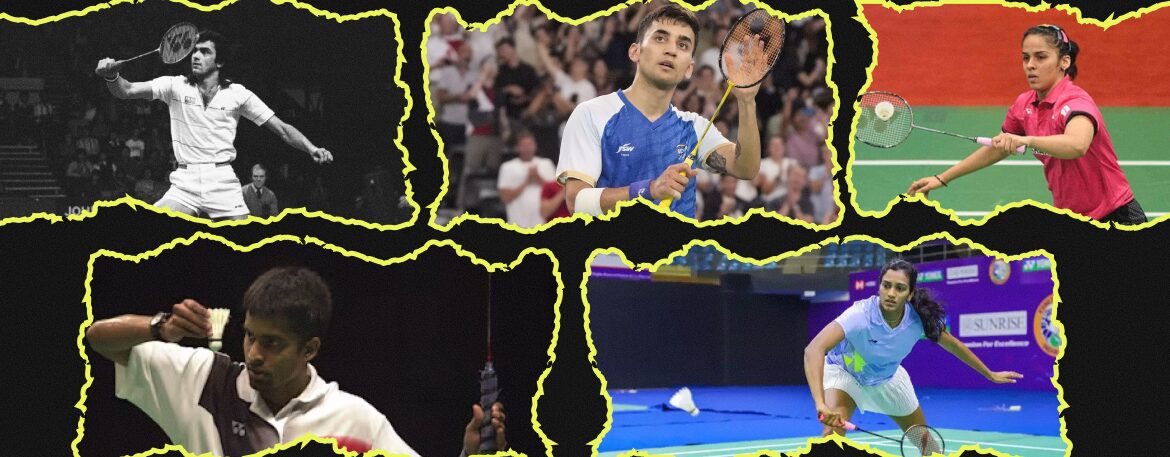
Badminton in India has experienced a remarkable transformation over the past several decades, evolving from a niche sport to a powerhouse on the global stage. This transformation is largely due to the dedication, vision, and extraordinary achievements of a handful of iconic players who have redefined the sport’s place in the country. From the trailblazing Prakash Padukone, who first put India on the global badminton map, to the dynamic P.V. Sindhu, who has become a global sensation with her Olympic triumphs, Indian badminton has witnessed an inspiring journey of growth and success.

Today, India stands proudly as one of the leading forces in world badminton, thanks to the pioneers and modern-day champions who have elevated the sport to new heights.

Prakash Padukone: The Pioneer

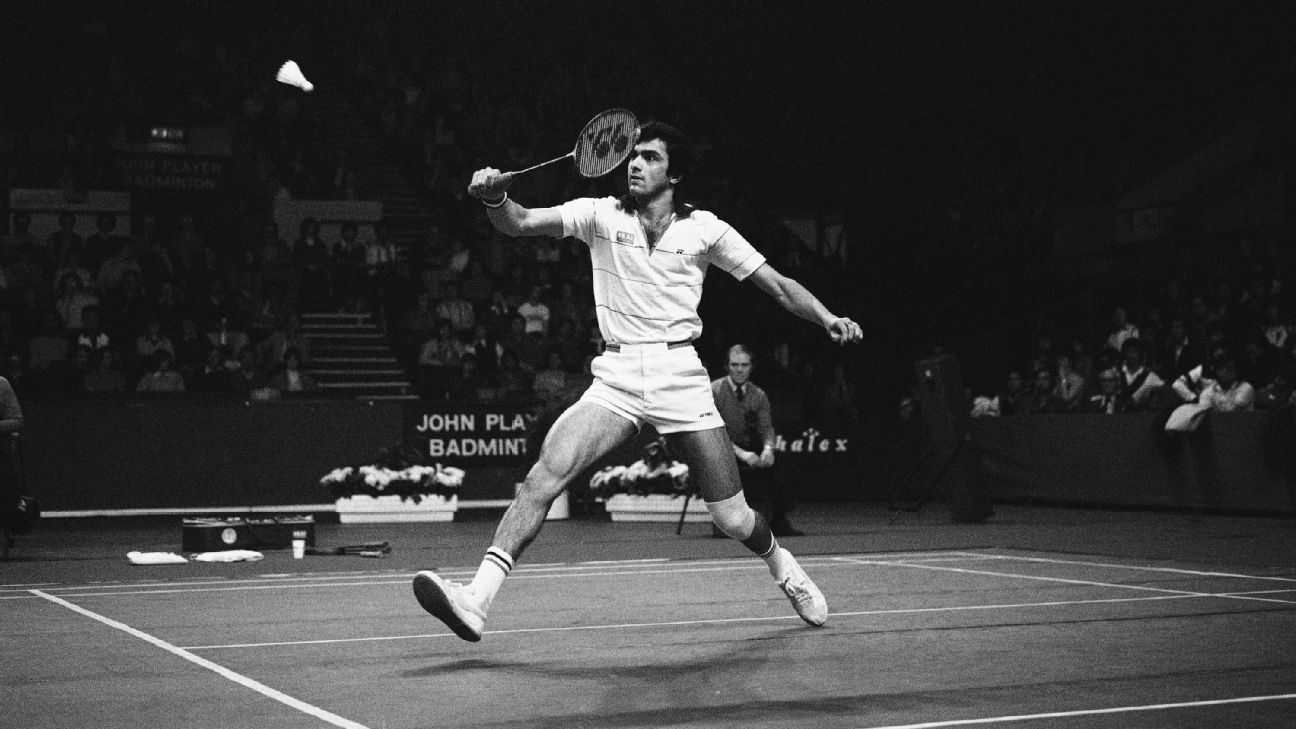
Born in 1955 in Bengaluru, Prakash Padukone was the first Indian to achieve global recognition in badminton. His crowning achievement came in 1980 when he became the first Indian to win the prestigious All England Open Badminton Championships. This victory not only elevated his status but also brought international attention to Indian badminton.

Padukone’s influence extended beyond his playing days. He co-founded the Olympic Gold Quest, an initiative aimed at promoting Olympic sports in India. His legacy continues to inspire budding shuttlers, and his contributions to the sport have been recognized with numerous awards, including the Padma Shri in 1982.

Pullela Gopichand: The Torchbearer


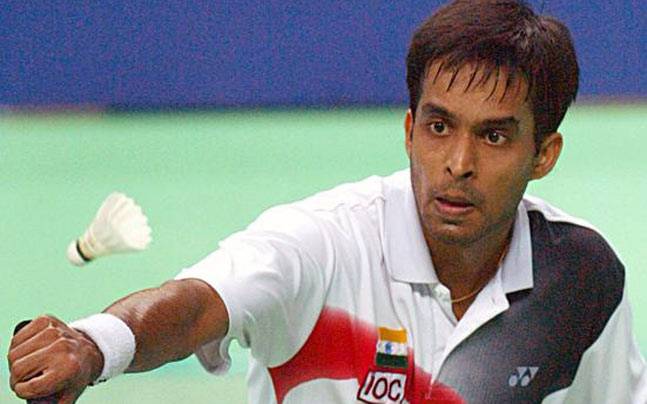
Following in Padukone’s footsteps, Pullela Gopichand emerged as a formidable force in Indian badminton. In 2001, he became the second Indian after Padukone to win the All England Open Badminton Championships. His victory was a testament to his skill and determination, and it reignited interest in the sport.

Transitioning from player to coach, Gopichand established the Gopichand Badminton Academy in Hyderabad. This academy has produced several top-tier players, including Saina Nehwal and P.V. Sindhu. Under his mentorship, these athletes have achieved significant success on the international stage, further solidifying India’s presence in global badminton.

Saina Nehwal: Breaking Barriers

Saina Nehwal’s entry into the international badminton scene marked a new era for Indian badminton. Born in 1990 in Hisar, Haryana, Nehwal’s dedication and hard work led her to become the first Indian woman to win an Olympic medal in badminton, securing a bronze at the 2012 London Olympics.

Her achievements include winning 24 international titles, including ten Superseries titles, and becoming the first Indian woman to be ranked World No. 1 in 2015. Nehwal’s success has inspired countless young athletes and has played a pivotal role in popularizing badminton across the nation.

P.V. Sindhu: The Global Icon

P.V. Sindhu has taken Indian badminton to unprecedented heights. Born in 1995 in Hyderabad, Sindhu’s meteoric rise in the sport has been nothing short of extraordinary. She became the first Indian woman to win two Olympic medals—silver in 2016 and bronze in 2020—and the first Indian to win the BWF World Championships in 2019.

Under the guidance of Pullela Gopichand, Sindhu has consistently delivered stellar performances on the world stage. Her achievements have not only brought her individual acclaim but have also elevated India’s status in the global badminton arena.

Lakshya Sen: A New Generation of Badminton Excellence

In recent years, Lakshya Sen has emerged as one of the most promising young talents in Indian badminton. Born in 2001 in Almora, Uttarakhand, Sen has quickly made a name for himself on the international circuit. His breakthrough moment came when he won the 2021 All England Open Badminton Championships men’s singles title, becoming the youngest Indian to achieve this feat. His remarkable consistency and ability to compete at the highest level have made him one of the most exciting prospects for the future of Indian badminton.

Lakshya Sen’s impressive performances at the 2021 World Championships, where he clinched the bronze medal, further solidified his status as one of India’s brightest badminton stars. Trained under the guidance of Pullela Gopichand, Sen’s rapid rise is a testament to the strong foundation of Indian badminton, with both his mental toughness and skillset growing at an exceptional pace.

With players like Lakshya Sen, India continues to build on its badminton legacy. His performances inspire a new generation of shuttlers, and his success on the world stage signals a bright future for Indian badminton, continuing the journey laid by the pioneers like Padukone, Gopichand, Nehwal, and Sindhu.

Want to know the diet and regimen of the 2024 Paris Olympics semi-finalist? Check out our comprehensive article here

The Road Ahead

The evolution of Indian badminton is a testament to the vision and perseverance of its pioneers. From Prakash Padukone’s groundbreaking achievements to P.V. Sindhu’s global successes, the sport has witnessed a remarkable transformation. With the continued support of institutions like the Gopichand Badminton Academy and the emergence of new talent, the future of Indian badminton looks promising. As the sport continues to evolve, it holds the potential to inspire and achieve even greater heights on the international stage.

Badminton Rules Simplified: A Beginner’s Guide [2025]

Badminton is one of the fastest racket sports in the world, combining agility, precision, and strategy. Whether you’re playing in your neighborhood court, joining a school competition, or following stars like PV Sindhu, Viktor Axelsen, or Tai Tzu-Ying, understanding the official badminton rules is the first step to enjoying the game.

The problem? The BWF (Badminton World Federation) rulebook can feel overwhelming for beginners. That’s why we’ve created this simplified badminton rules guide for 2025 — breaking down everything you need to know, from scoring and service to faults and court dimensions, in a clear, easy-to-follow way.

1. The Badminton Court & Equipment

Court Layout

  • The court is rectangular, divided by a net in the middle. 
  • Singles court dimensions: 13.4 m (length) × 5.18 m (width). 
  • Doubles court dimensions: 13.4 m (length) × 6.1 m (width). 
  • Service areas are marked with short service lines and center lines. 

Net

  • The net stands at 1.55 m at the edges and slightly lower in the center (1.524 m). 

Equipment

  • Racket: Lightweight, usually 80–95 g. 
  • Shuttlecock: Can be feather (used in pro tournaments) or synthetic (durable for practice).

2. Starting the Match

  • A toss decides who serves first or which side of the court to play from. 
  • Players switch sides after the first game and during the third game (if played) when the leading score reaches 11 points.

3. Scoring System (2025 Rules)

  • Matches are played best of 3 games. 
  • Each game is to 21 points. 
  • Rally Point System: Every rally counts — whoever wins the rally, scores a point, regardless of who served. 
  • If the score is 20–20, a player/pair must win by 2 clear points (e.g., 22–20, 23–21). 
  • At 29–29, the next point decides the game (sudden death to 30).

4. Serving Rules

General Rules

  • The server must hit the shuttle below the waist. 
  • The racket head must be pointing downwards during service. 
  • The shuttle must travel diagonally into the opponent’s service box. 

Singles Service

  • When the server’s score is even, serve from the right side. 
  • When the server’s score is odd, serve from the left side. 

Doubles Service

  • Each side has only one service turn. 
  • Service rotates between partners after they win a point. 
  • Players alternate between left and right service courts depending on the score.

5. Faults in Badminton

A fault means the rally ends, and the opponent scores a point. Common faults include:

  1. The shuttle lands outside court boundaries. 
  2. The shuttle passes under the net or gets stuck in the net. 
  3. The shuttle is hit twice before crossing the net. 
  4. A player touches the net with racket, body, or clothing. 
  5. The shuttle is hit above the waist during service. 
  6. Player invades opponent’s court (over the net or under it) before the shuttle crosses.

6. Lets (Replay Points)

A rally is replayed when:

  • The shuttle gets stuck on the net after service. 
  • Both players commit a fault at the same time. 
  • The umpire can’t make a fair decision due to disturbance.

7. Change of Ends

  • After each game, players switch sides. 
  • In the deciding third game, players change ends once the leading score reaches 11 points.

8. Key Rules for Doubles (Simplified)

  • Each side gets one service turn only. 
  • Service alternates between left and right courts depending on the score. 
  • Once a rally begins, players can move freely around their side. 
  • Communication between partners (e.g., calling “mine!”) is allowed and encouraged.

9. Badminton Etiquette & Spirit of Play

  • Shake hands before and after the match. 
  • Call your own line faults honestly if playing recreationally. 
  • Do not delay rallies unnecessarily (e.g., stalling, time-wasting). 
  • Respect opponents and officials — badminton is known as a “gentleman’s (and gentlewoman’s) sport.”

10. Quick Badminton Tips for Beginners

  • Learn footwork early — good movement wins rallies more than raw power. 
  • Master the grip: basic forehand and backhand grips are the foundation. 
  • Serve low in doubles, high/clear in singles. 
  • Practice consistency: keep the shuttle in play — errors lose more points than winners win. 
  • Invest in a proper racket and shoes — they protect your wrist, ankles, and improve performance.

Conclusion

By now, you should have a solid understanding of the simplified badminton rules for 2025. From how the scoring system works to what counts as a fault, these basics will help you step onto the court with confidence.

Remember, rules are the backbone of the game — but what makes badminton truly exciting is the speed, tactics, and thrill of every rally. Pick up a racket, grab a shuttle, and try it out. And if you’re looking for the best badminton rackets, shoes, and gear in India, check out God of Sports — your trusted destination for pickleball, padel, badminton, tennis, and squash gear.

Top 10 Badminton Rackets in India [2025] – Reviews & Buying Tips

Badminton isn’t just a pastime in India—it’s a national passion. From neighborhood courts buzzing in the evenings to world-class players like PV Sindhu, Kidambi Srikanth, HS Prannoy, and Lakshya Sen inspiring millions, the sport is on a meteoric rise in 2025. With the surge of competitive leagues, school tournaments, and fitness enthusiasts taking up the game, the demand for the best badminton rackets in India (2025) has never been higher.

But here’s the catch: walk into any sports store—or browse online—and you’re instantly overwhelmed. Yonex, Li-Ning, Victor, Apacs, Ashaway… the choices are endless. Each racket boasts futuristic tech terms like Rotational Generator System, Sonic Flare, Nanomesh Neo, Aero-Dynamic Frame. Which one really suits your game? Do you go head-heavy for smashes, head-light for lightning-quick defense, or stick with the safe even-balance all-rounder?

That’s exactly where this guide comes in. We’ve done the legwork—researching across tournament trends, expert reviews, community feedback, and India-specific availability—to bring you a handpicked list of the Top 10 Badminton Rackets in India for 2025. Whether you’re a beginner upgrading from a basic racket, a club player searching for speed and control, or a serious competitor hungry for smash power, you’ll find your perfect match here.

And because buying a badminton racket is more than just picking a brand, we’ll also share buying tips on weight classes, shaft flex, grip sizes, and string tension. So by the end of this article, you won’t just know which racket to buy—you’ll know why it fits your style and how to get the most out of it.

Let’s dive into the list and help you choose a racket that can elevate your game in 2025—whether it’s dominating the singles court, owning the doubles drive battles, or simply smashing with confidence on your local turf.

1) Yonex Nanoflare 1000 Z – Best for Speed & Rapid Drives

nanoflare 1000z

Why it’s hot in 2025: A flagship “speed” frame with crazy repulsion for counter-attacks and fast exchanges. The NF-1000Z stays head-light yet solid, helping you get the shuttle back early and flat. Multiple Indian retailers list it in the ~₹15,500–₹17,990 band, which is competitive for a top-tier frame.

Who should buy: Advanced/intermediate doubles players who rely on pace, drives, and quick interceptions.

Why it ranks: Among “speed” frames, its stability and repulsion feel a notch above older NF models—great for India’s fast club rallies. 

Buy Now

2) Yonex Astrox 100 ZZ – Elite Power with Precision

YONEX Astrox 100 ZZ Unstrung Badminton Racket

Why it’s hot: The AX100ZZ is an extra-stiff, head-heavy cannon, but with more controlled power than the old sledgehammers; the shaft snaps back fast for accuracy between shots. It’s a proven tour-level choice and a fan favorite on God of Sports as well. 

Who should buy: Advanced singles players (and strong doubles rearcourts) seeking heavy, accurate smashes.

Why it ranks: In 2025, it remains one of the most consistent “attack” frames without feeling unwieldy.

Buy Now

3) Yonex Astrox 88D Pro (3rd Gen) – Rear-Court Dominator (Doubles & Singles)

Yonex Astrox 88D Pro Badminton Racket (3rd Gen)

Why it’s hot: Built for the “D = rear” role in doubles, the 88D Pro now appeals to singles, too—big power, improved recovery, and notably friendly feel for a head-heavy frame. Current India pricing often shows deep discounts.

Who should buy: Power attackers who still want maneuverability for quick mid-court exchanges.

Why it ranks: 2024/25 owner feedback is glowing for its blend of power + consistency across clears, drives, and lifts. 

Buy Now

4) Yonex Arcsaber 11 Pro – The All-Round Control King

Yonex Arcsaber 11 Pro Badminton Racket

Why it’s hot: An even-balance, control-first classic updated with better shuttle hold and precision. Community and coach reviews consistently praise its net control and placement, while still packing enough punch when needed. 

Who should buy: Intermediate to advanced players who value control, placement, and defense with all-round versatility.

Why it ranks: One of the safest “upgrade” choices in India—reliable, forgiving, and match-ready. 

Buy Now

5) Victor Thruster Ryuga II Pro – Serious Smashers’ Choice

Victor Thruster RYUGA II Pro Badminton Racket

Why it’s hot: The Ryuga II Pro is Victor’s answer for relentless power. Indian e-commerce listings and global retailers spotlight it as an attacking beast—yet more playable than older sledgehammers thanks to improved feel. 

Who should buy: Advanced power-first players who still want crisp feedback on blocks/drives.

Why it ranks: If your game plan starts with the word “smash,” this belongs on your shortlist.

Buy Now

6) Victor Auraspeed 90K II – Lightning Fast with Control

Victor Auraspeed 90K II Badminton Racket

Why it’s hot: ARS-90K II blends speed + stability for drive battles. Community reviews prefer the II over the first-gen for overall shot quality—clears, drops, and even smash timing. 

Who should buy: Doubles front/mid-court players and quick singles hitters who live in the fast lane.

Why it ranks: It’s the speed/control foil to Thruster’s raw power—together they cover Victor’s top end in India beautifully. 

Buy Now

7) Li-Ning Aeronaut 9000C – Control-Led Power with Air-Stream Tech

Why it’s hot: The Aeronaut 9000C uses Li-Ning’s air-stream channel for reduced drag, balancing control with punch. It’s positioned in India as a pro-grade control frame without sacrificing length on clears. Available at God of Sports, too. 

Who should buy: Players who want tight net control, consistent placement, and just-enough aggression.

Why it ranks: In 2025 lists, it’s still the control flagship many top intermediates graduate to.


8) Li-Ning Halbertec 8000 – Balanced Precision, Doubles Friendly

Why it’s hot: The Halbertec 8000 targets accurate control + precise attack. Recent India-facing reviews highlight smooth handling, solid defense, and user-friendly responsiveness—great for doubles or even-tempo singles. 

Who should buy: Players wanting modern control feel with quick handling and enough bite for counter-attacks.

Why it ranks: It has established itself as Li-Ning’s balanced all-rounder to watch in 2025.

Buy Now

9) Yonex Nanoflare 800 Pro – Drive Monster with Sharp Repulsion

Why it’s hot: Launched late-2023 and popular through 2024/25, the NF-800 Pro is built for drive speed and stability (M40X + Super HMG, enhanced Sonic Flare). Many Indian stores carry it with aggressive pricing. 

Who should buy: Advanced doubles tacticians and fast singles players who trade on pace and angles.

Why it ranks: One of the best “speed with substance” frames available in India right now.

Buy Now

10) Value Pick: Yonex Astrox 77 Play – Best Under ₹3,500

Yonex Astrox 77 Play Badminton Racket

Why it’s hot: A budget-friendly way to experience the Astrox feel. Flexible, accessible, and easy to swing—ideal for improving intermediates. It regularly sits around ₹2,800–₹3,200 on Indian sites, including God of Sports.
Who should buy: Beginners moving to intermediate, or recreational players wanting a reliable, affordable frame.

Why it ranks: Value-to-performance is hard to beat; it’s a common recommendation in India for 2025.

Buy Now

Quick Buying Guide for Badminton Rackets(2025)

1) Pick by Play Style

  • Singles power: Astrox 100ZZ, 88D Pro, Ryuga II Pro.
  • Fast doubles/drive game: Nanoflare 1000Z, Nanoflare 800 Pro, Auraspeed 90K II.
  • All-round control: Arcsaber 11 Pro, Aeronaut 9000C, Halbertec 8000.

2) Weight Class & Balance

  • 4U (80–84 g) is India’s sweet spot: easier defense, quicker recovery; choose head-heavy if you still want smash bite.
  • 3U (85–89 g) offers extra stability and power but can fatigue your arm during long sessions.

3) Shaft Flex

  • Stiff/extra-stiff (e.g., AX100ZZ) = precision for clean technique.
  • Medium/hi-flex (e.g., AX77 Play) = easier power for developing players.

4) Grip & Feel

  • Many India-specs are G5. Add an overgrip to fine-tune diameter and tackiness—this improves control and reduces elbow stress.

5) String & Tension

  • Safe, durable all-rounders: Yonex BG65/BG65Ti at 25–27 lbs for intermediates; go 27–29 lbs only if you have consistent technique. Several Indian retailers bundle stringing options with the NF-1000Z/AX88D Pro.

FAQs about Badminton Rackets

Q1. Is head-heavy always better for smashing?
Mostly yes, but frames like the Nanoflare 1000Z/800 Pro prove you can generate pace with repulsive, stable, head-light setups—especially in doubles. 

Q2. I’m upgrading from a budget racket—what’s the safest bet?
Arcsaber 11 Pro for control/all-round, or 88D Pro for power with playability. If the budget is tight, the Astrox 77 Play is a superb option. 

Q3. Where should I buy?
For authentic Indian inventory, check established retailers and the God of Sports website for the best badminton rackets—with clear specs, shipping timelines, and support.

Final Word

Whether you want smash power (Astrox 100ZZ, 88D Pro, Ryuga II Pro), speed (Nanoflare 1000Z, NF-800 Pro, ARS-90K II), or precision (Arcsaber 11 Pro, Aeronaut 9000C, Halbertec 8000), there’s a perfect 2025 match. If you’re still torn, start with Arcsaber 11 Pro (all-round control) or 88D Pro (power-leaning all-round), and keep an eye on string/tension—that’s often the fastest win for your game.

Home
Shop
Wishlist0
Back to Top

Search For Products

Product has been added to your cart
Compare (0)