
How to Play Padel: Step-by-Step Rules for Beginners

“When I first stepped onto a padel court, I never imagined it would change my life. The walls, the teamwork, the rhythm—it felt different from tennis or squash. But what struck me most was how quickly you could fall in love with the game.” – Alejandro Galán, former World No.1 Padel Player.

Padel, the fastest-growing racket sport in the world, is unique because it’s both professional and playful. Watch the world’s best players, and you’ll see explosive smashes, lightning reflexes, and clever use of walls. Step into your local padel club, and you’ll find beginners laughing, learning, and enjoying rallies on day one.

That’s what makes padel special—it welcomes everyone. You don’t need years of lessons to get started. With a basic understanding of the rules and a partner by your side, you can be part of long, thrilling rallies almost immediately.

In this article, we’ll walk you through step-by-step rules of padel for beginners—from serving and scoring to using the walls—so you can play your very first game with confidence.

Step 1: Understand the Court Layout

Before you pick up a racket, let’s start with the court.

  • Size: 20 meters long and 10 meters wide (smaller than a tennis court).

  • Divided by a Net: Just like tennis, the net splits the court in half.

  • Service Boxes: Four rectangular boxes near the net, used for serving.

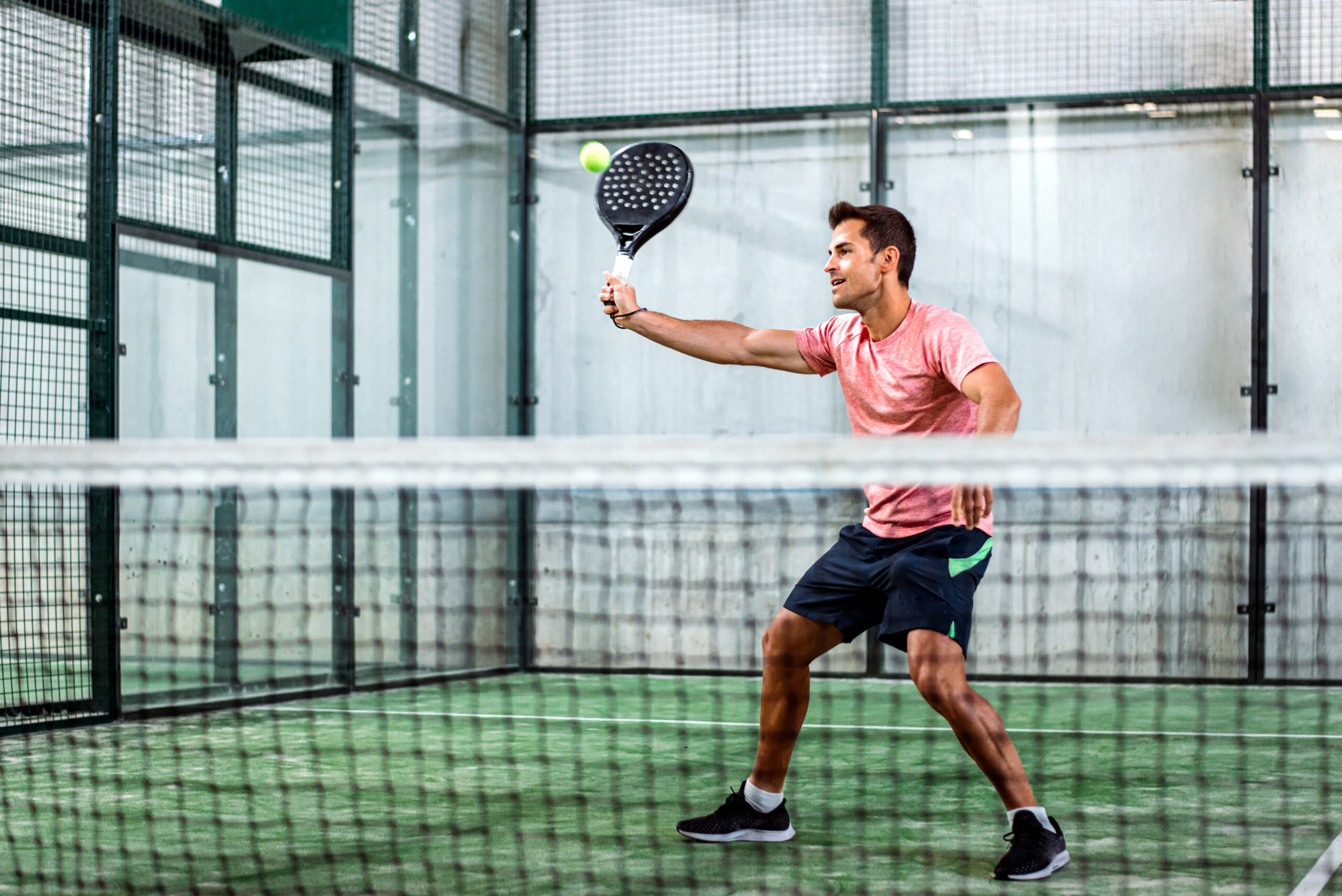
  • Walls: The entire court is surrounded by glass and mesh walls up to 3–4 meters high. Unlike tennis, these walls are part of the game.

👉 Beginner Tip: Think of padel as tennis played inside a box where the ball rarely goes out.

Step 2: Learn the Basic Scoring System

Padel uses the same scoring system as tennis:

  • Points go 15, 30, 40, and then game.

  • Six games make a set.

  • Matches are usually best of three sets.

👉 Beginner Tip: If you know tennis scoring, you already understand padel. If not, don’t worry—it’s simple once you play a few games.

Step 3: Serving Rules in Padel

This is where padel becomes beginner-friendly.

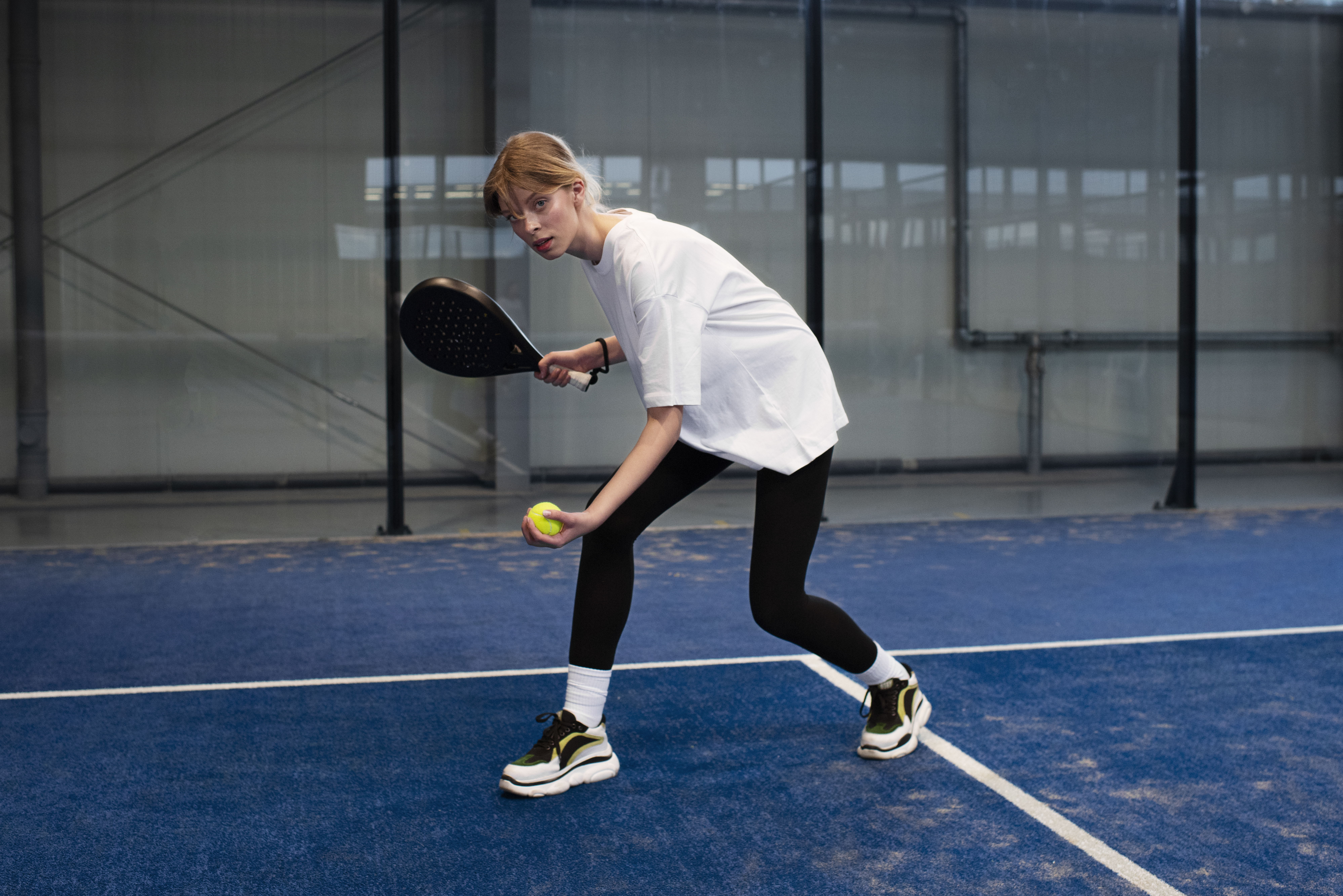
  • Underhand Serve: The ball must be hit below waist height.

  • Bounce First: The ball must bounce once in the server’s box before being struck.

  • Diagonal Direction: The serve must land in the diagonally opposite service box.

  • Walls Allowed (After Bounce): If the ball lands correctly, it can bounce off the side or back wall and still be in play.

👉 Beginner Tip: Don’t worry about power—accuracy is more important. Serves are just the start of a rally, not the winning shot.

Step 4: Returning the Serve

When returning a serve:

  • Let the ball bounce once before hitting.

  • You can hit it directly back or after it rebounds off your back wall.

  • The ball can hit the glass after the bounce, but not the mesh fence first.

👉 Beginner Tip: Use a controlled swing. Since the court is small, even soft returns can put pressure on opponents.
Step 5: How the Rally Works

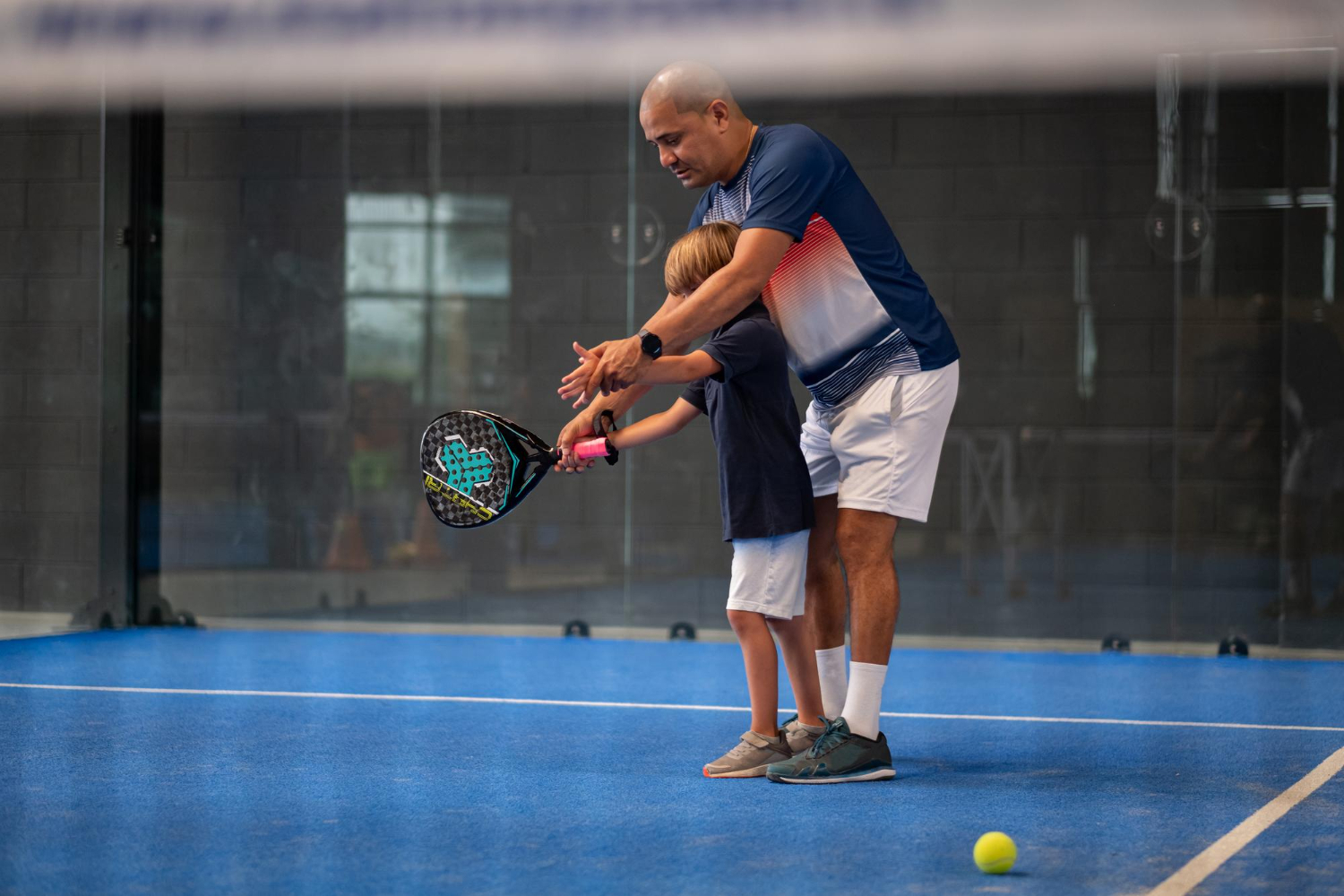
Once the ball is in play, rallies are where padel shines.

  • The ball can bounce once on the floor.

  • After bouncing, it may hit the glass wall and still be in play.

  • If the ball hits the wire mesh directly (without bouncing first), it’s out.

  • Players can hit the ball against their own walls to send it back across the net—like in squash.

👉 Beginner Tip: Don’t panic when the ball goes behind you—step back, let it bounce off the wall, and hit it calmly.

Step 6: The Golden Rule of Walls

The walls make padel unique. Here’s how to think about them:

  • Defensive Play: Letting the ball hit your back wall gives you extra time.

  • Offensive Play: You can smash the ball into the opponent’s wall to create impossible angles.

  • Illegal Play: Hitting the ball into your opponent’s wall without first crossing the net is not allowed.

👉 Beginner Tip: Mastering wall rebounds turns frustration into fun. This is where padel becomes addictive.

Step 7: Doubles-Only Format

Padel is always played as doubles (2 vs 2).

  • Both players cover half the court but move together as a team.

  • Communication is key: call out “mine” or “yours” to avoid confusion.

  • Unlike tennis, singles padel exists but is extremely rare.

👉 Beginner Tip: Think teamwork first—don’t try to cover the whole court alone.

Step 8: Common Beginner Mistakes

  1. Overhitting the Serve – Remember, underhand is enough.

  2. Forgetting the Bounce Rule – The ball must bounce before you serve or return.

  3. Avoiding the Wall – Beginners panic at rebounds, but the wall is your ally.

  4. Poor Positioning – Standing too close to the net leaves you vulnerable to lobs.

  5. Not Communicating – Silence loses points. Talk to your partner.

Step 9: Basic Strategy for Beginners

Here’s how to enjoy your first matches:

  • Use the Lob: A high shot pushes opponents back, giving you time to take the net.

  • Control the Net: Teams that dominate the front usually win.

  • Play Consistent Shots: Focus on keeping the ball in play. Let opponents make mistakes.

  • Stay Patient: Points in padel build slowly; don’t try to win on one shot.

👉 Beginner Tip: Winning in padel isn’t about who hits hardest—it’s about who makes fewer errors.

Step 10: Essential Equipment for Beginners

  • Racket: Start with a round-shaped padel racket (control > power).

  • Balls: Use proper padel balls (similar to tennis balls but slightly less pressurized).

  • Shoes: Court shoes with grip—tennis shoes work at first, but padel shoes are better long-term.

  • Accessories: Overgrips, wristbands, and a small gear bag.

👉 Where to Buy: Sites like GodOfSports stock beginner-friendly rackets from HEAD, Bullpadel, Adidas, and Babolat.

FAQs for Beginners

Q1: Can I hit the ball directly into the wall?
Only on your side, as a rebound. On your opponent’s side, it must cross the net first.

Q2: Is padel hard to learn?
Not at all. Most beginners can rally within their first session.

Q3: How long does a padel match last?
Usually 45–90 minutes depending on scoring.

Q4: Can kids play padel?
Yes! Many clubs now offer junior padel programs with lighter rackets.

Final Thoughts

Padel may look complex at first glance, but its rules are designed to be inclusive. With underhand serves, doubles-only play, and forgiving walls, beginners can experience long rallies and real fun from day one.

The key is simple:

  • Learn the basic rules.

  • Master the walls and positioning.

  • Communicate with your partner.

Once you do, padel becomes more than a sport—it becomes a social, strategic, and endlessly exciting game.

So grab a racket, step onto the glass court, and discover why padel is winning hearts across the world.
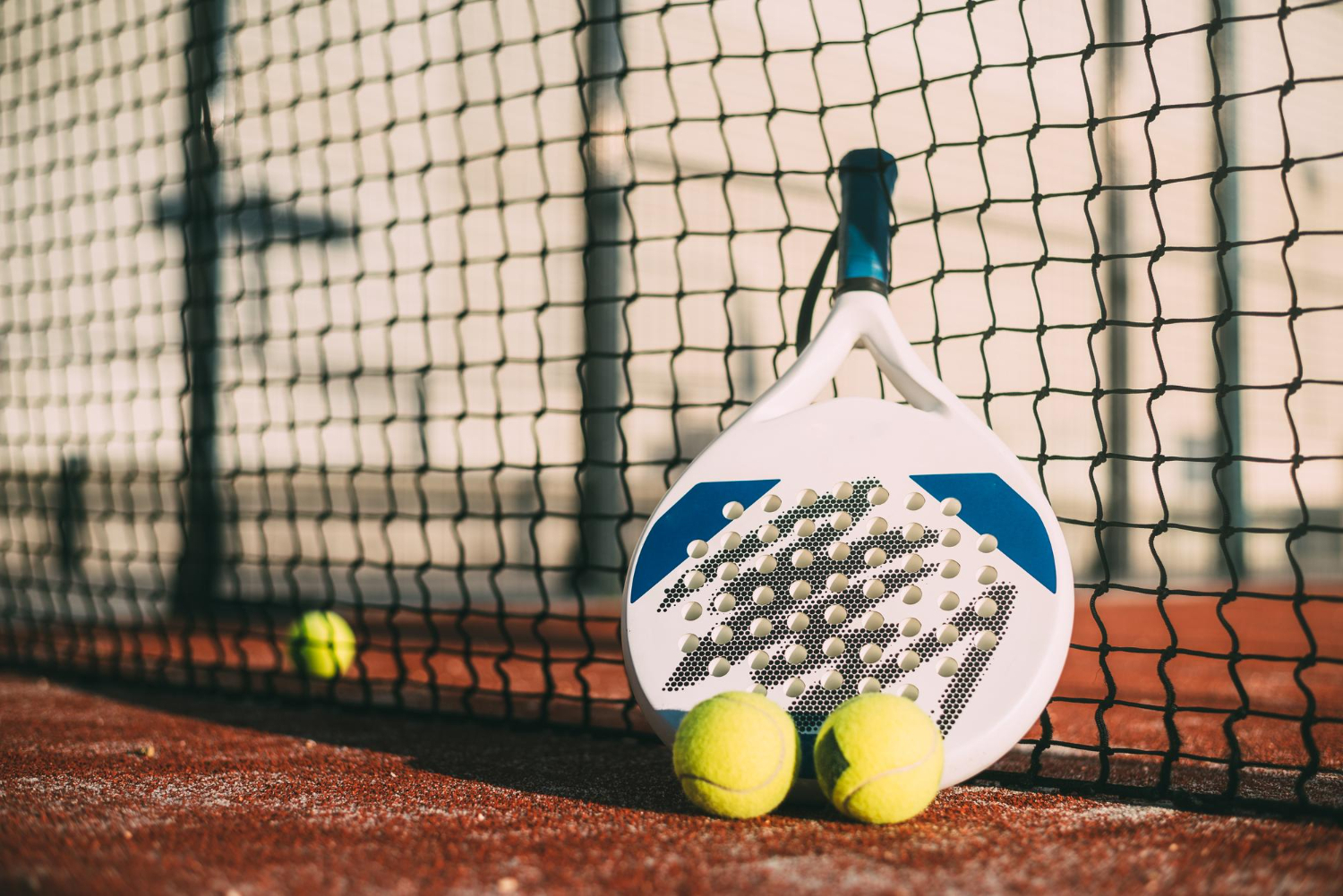
Padel vs Tennis vs Pickleball: Key Differences Every Player Should Know

If you’ve walked past a sports club recently, chances are you’ve seen players swinging rackets in what looks like tennis, squash, or even badminton. But if the court is smaller, surrounded by glass walls, or the rackets look like solid paddles, you might be watching padel or pickleball—two sports rising fast alongside the long-established game of tennis.

For new players, it’s easy to get confused. How are these three sports different? Which one is easier to learn? And which one should you try first? This guide breaks down the key differences between padel, tennis, and pickleball, so you know exactly what sets them apart.

1. Court Size & Design

  • Tennis:
    • Largest court of the three.
    • A singles tennis court measures 23.77m x 8.23m, doubles stretches to 10.97m.
    • No walls—once the ball bounces out, the rally ends.
  • Padel:
    • Much smaller, 20m x 10m.
    • Enclosed with glass and mesh walls. The ball remains in play if it bounces off walls, making rallies longer and more strategic.
    • Always doubles, so four players share the space.
  • Pickleball:
    • Smallest court: 13.41m x 6.1m, similar to badminton doubles.
    • No walls. Instead, there’s a unique “non-volley zone” (the kitchen) near the net, where smashes aren’t allowed.

👉 Key Difference: Tennis courts demand stamina and ground coverage, padel courts demand teamwork and smart use of walls, and pickleball courts favor quick reflexes and control.

2. Rackets & Equipment

  • Tennis:
    • Uses strung rackets (graphite or composite).
    • Racket length ~27 inches, weight 260–320 g.
    • Balls are pressurized felt-coated.
  • Padel:
    • Uses solid rackets with perforations, no strings.
    • Smaller than tennis rackets, typically 45 cm long, 355–375 g.
    • Balls look similar to tennis balls but with slightly lower pressure for a slower bounce.
  • Pickleball:
    • Uses paddles (solid composite or graphite) with no strings.
    • Larger surface than padel rackets but lighter.
    • The ball is plastic with holes, like a wiffle ball.

👉 Key Difference: Tennis rackets are powerful, padel rackets focus on control, and pickleball paddles prioritize maneuverability.

3. Rules & Scoring

  • Tennis:
    • Overhand serves.
    • Scoring: 15, 30, 40, deuce, game.
    • Matches are best of 3 or 5 sets.
  • Padel:
    • Underhand serves, ball must bounce once before crossing.
    • Scoring system is the same as tennis (15, 30, 40).
    • Played only in doubles.
    • Walls are in play, which changes strategy drastically.
  • Pickleball:
    • Underhand serves only.
    • Unique scoring: Games usually go to 11 points, win by 2.
    • Only the serving side can score.
    • Singles or doubles allowed.

👉 Key Difference: Tennis and padel share scoring but differ in serve style and court dynamics. Pickleball has its own scoring method—simpler but tactical.

4. Playing Style & Strategy

  • Tennis:
    • Emphasizes power, speed, and endurance.
    • Singles matches are highly physical, doubles rely on volleys and teamwork.
  • Padel:
    • Strategy > strength.
    • Walls keep rallies going, so placement, lobs, and teamwork are more valuable than pure power.
    • Serves are less dominant, meaning longer rallies and less “one-shot” points.
  • Pickleball:
    • Control is king.
    • “Dinking” (soft shots in the kitchen) and placement matter more than smashing.
    • Rallies are fast but often played at a slower pace near the net.

👉 Key Difference: Tennis rewards explosive athletes, padel rewards patient tacticians, and pickleball rewards soft hands and placement skills.

5. Accessibility for Beginners

  • Tennis:
    • Steep learning curve—mastering serves, timing, and footwork takes months.
    • Physically demanding.
  • Padel:
    • Easier to pick up. Underhand serves are simple, rallies last longer, and teamwork reduces pressure.
    • Growing rapidly among beginners of all ages.
  • Pickleball:
    • Easiest of the three. The smaller court, lightweight paddles, and simple scoring make it beginner-friendly.
    • Popular with older players due to lower physical strain.

👉 Key Difference: Tennis is the toughest to learn, padel strikes a balance, and pickleball is the most beginner-friendly.

6. Global Popularity & Growth

  • Tennis:
    • Centuries-old, Olympic sport, global Grand Slam circuit (Wimbledon, US Open, etc.).
    • Millions of players worldwide.
  • Padel:
    • Fastest-growing racket sport.
    • Over 50,000 courts worldwide and expanding into the US, Middle East, and India.
    • Professional circuits like Premier Padel are gaining traction.
  • Pickleball:
    • Growing rapidly, especially in the US and Canada.
    • Pickleball courts have doubled in North America over the past five years.
    • Backed by celebrity investors and associations like USA Pickleball.

👉 Key Difference: Tennis has tradition, padel has momentum, and pickleball has explosive growth in North America.

Comparison Table – Padel vs Tennis vs Pickleball

Feature Tennis Padel Pickleball
Court Size 23.77 x 8.23 m (singles) 20 x 10 m 13.41 x 6.1 m
Walls Not in play In play (glass/mesh) Not in play
Serve Overhand Underhand, bounce required Underhand only
Scoring 15–30–40, sets 15–30–40, sets Games to 11, win by 2
Format Singles & Doubles Doubles only Singles & Doubles
Racket Strung racquet Solid, perforated racket Paddle (solid)
Ball Pressurized felt ball Tennis-like, lower pressure Plastic wiffle ball
Style Power & endurance Strategy & teamwork Control & placement

Which One Should You Play?

  • Choose Tennis if… you want a physically demanding, world-class sport with a rich tradition.
  • Choose Padel if… you want a social, fast-growing sport that mixes fun, teamwork, and strategy.
  • Choose Pickleball if… you want an easy-to-learn, low-impact game perfect for social play and all ages.

Final Thoughts

Tennis, padel, and pickleball may look similar, but each offers a unique playing experience. Tennis is the powerhouse of tradition and athleticism, padel is the rising star of strategy and teamwork, and pickleball is the friendly, accessible newcomer.

No matter which one you choose, all three promise fun, fitness, and a community of players. And if you’re lucky, you might just fall in love with more than one.

Padel 2025 : A Complete Guide

Padel 2025: The Ultimate Beginner’s Guide to Rules, Courts & Gear

Rohan still remembers stepping onto a padel court for the very first time.

The setting was unlike any other racket sport he’d played before. A smaller court than tennis, surrounded by tall glass and mesh walls. Players laughed, strategized, and rallied with quick bursts of speed. The sound of the ball bouncing off glass was both strange and thrilling.

Rohan picked up his rented racket, gripped it nervously, and waited for the serve. When the ball came, he swung hard, only to watch it ricochet off the back wall and drop neatly into play. He thought he’d messed up—but his partner Aisha shouted,
“Keep playing! The walls are part of the game!”

That moment changed everything. Within minutes, he realized this was not tennis, not squash, and definitely not pickleball. It was padel—the world’s fastest-growing sport. By the end of his first match, he was hooked.

And he wasn’t alone. All over the world, newcomers are falling in love with padel’s mix of accessibility, strategy, and social fun.

Why Padel is Taking Over the World

Padel is not new—it was invented in Mexico in 1969 by Enrique Corcuera. But in recent years, it has exploded globally, becoming the fastest-growing racket sport in the world.
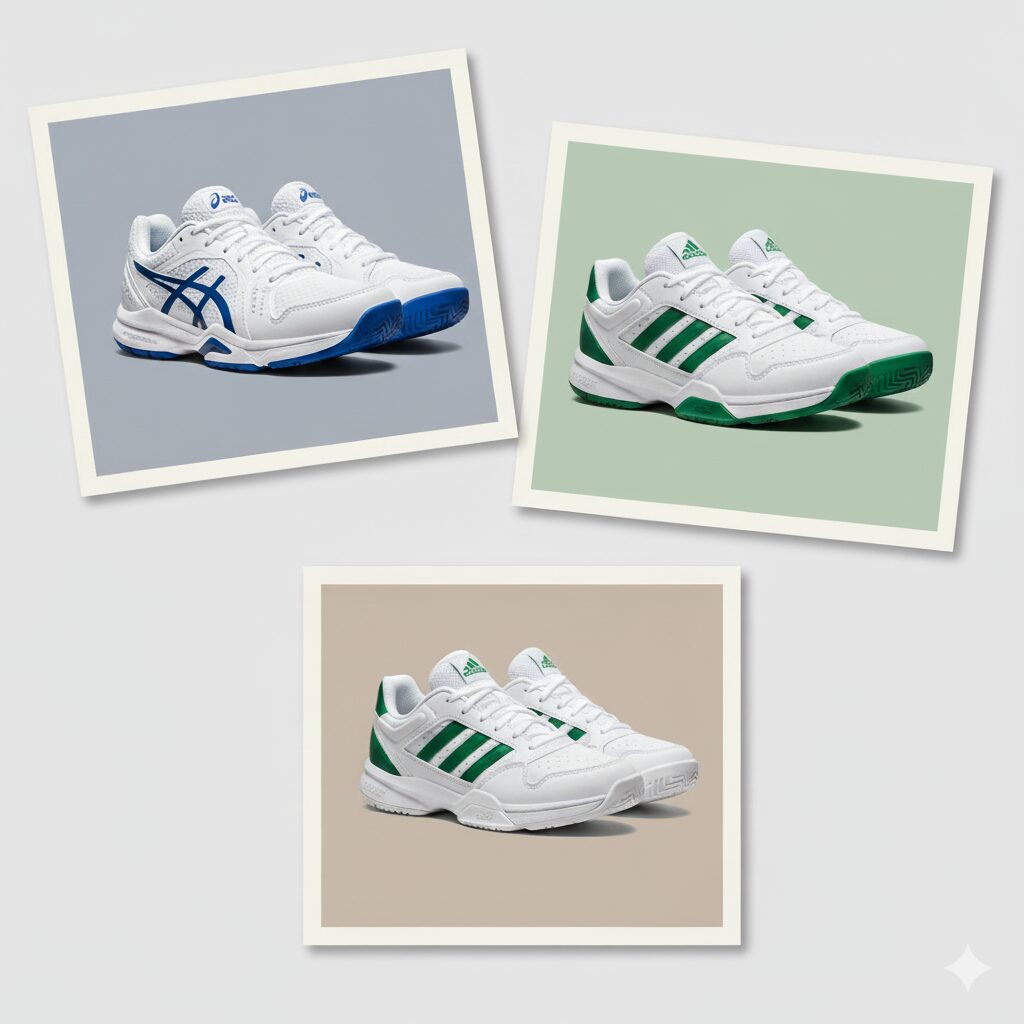
  • 50,000+ courts exist worldwide today
  • By 2026, this number is expected to cross 70,000
  • In Spain, there are already more padel courts than tennis courts
  • Middle Eastern cities like Dubai and Riyadh are building luxury padel clubs
  • Celebrities, from footballers to actors, are backing padel teams and clubs

So, why is padel booming everywhere?

  1. It’s Social
    Unlike tennis or badminton, padel is always played in doubles. That means every match is interactive, social, and built on teamwork.
  2. It’s Accessible
    Serves are underhand, the court is smaller, and the rackets are lightweight. Even beginners can enjoy long rallies from day one.
  3. It’s Strategic, Not Just Physical
    Because the walls keep the ball in play, power alone won’t win you matches. Instead, smart lobs, angled volleys, and positioning are what make the difference.
  4. It’s Urban-Friendly
    Padel courts require less space than tennis, making them easy to build in cities.
  5. It’s Spectator-Friendly
    With long rallies, trick shots, and team dynamics, watching padel is as fun as playing it.

Professional circuits like Premier Padel and innovative formats like the Hexagon Cup are making padel a serious contender on the world stage. In 2023, padel made its debut at the European Games, fueling speculation that it could one day appear at the Olympics.

But at its heart, padel’s rise isn’t about fame or tournaments—it’s about the millions of everyday players who pick up a racket, step onto the glass court, and don’t want to leave.

The Challenge for Beginners

If you’re stepping into padel for the first time, you’ll probably have questions:

  • What are the basic rules?
  • How does the court work with the walls?
  • Which racket should I buy?
  • Do I need padel shoes or can I wear tennis ones?

When you start looking online, the confusion deepens. Brands like Bullpadel, Adidas, HEAD, Babolat, Nox and Siux all market their rackets as “the best.” You’ll see terms like round head, diamond racket, EVA foam, and power frame. Without guidance, it feels overwhelming.

That’s why this guide exists. Think of it as your Padel Starter Kit for 2025. A complete breakdown of:

  • Rules, simplified
  • Court layout and how it changes the game
  • Rackets—types, shapes, and which one you should buy
  • Playing styles and strategies for every level
  • Accessories you’ll need
  • FAQs every beginner has

By the end, you’ll know exactly how to start your padel journey with confidence.

Padel Rules – Simple & Accessible

Padel may look complicated at first, but its rules are straightforward.

Scoring

  • Same as tennis: 15, 30, 40, game.
  • Matches are usually best of three sets.

Serve

  • Always underhand.
  • The ball must bounce once before crossing the net.
  • Must be hit diagonally into the opposite service box.

Walls in Play

  • The ball can bounce once on the ground and then off the glass or mesh.
  • Players can use the walls to their advantage, making angles and rebounds.

Double Format Only

  • Unlike tennis or badminton, padel is always 2 vs 2.

Key Rule for Beginners

  • The ball must always bounce once before hitting the back wall on your side. Directly hitting the back wall counts as out.

👉 Takeaway: Padel’s rules mirror tennis but with walls in play. Easy to learn, endlessly fun to master.

The Court – Compact & Social

One look at a padel court, and you’ll understand why the game feels different.

  • Size: 20 meters x 10 meters (about one-third the size of a tennis court).
  • Surroundings: Enclosed by glass and mesh walls, 3–4 meters high.
  • Net: Divides the court in the middle, just like tennis.
  • Service Boxes: Similar to tennis but smaller.

How the Court Affects Play

  1. Faster Rallies: The smaller court keeps action intense.
  2. Wall Play: Like squash, you can use walls to your advantage.
  3. Less Physical Strain: Shorter distances mean less running compared to tennis.
  4. Team-Oriented: The compact space emphasizes communication and coordination.

👉 In short: the court creates longer rallies, more strategy, and less downtime.

Padel Equipment – Your Starter Kit

1. The Racket

Unlike tennis rackets, padel rackets have no strings. They are made from composite materials with perforated surfaces.

  • Round Rackets: Best for beginners. Focus on control, lighter, forgiving.
  • Teardrop Rackets: Balanced between power and control. Great for intermediates.
  • Diamond Rackets: Heavy and powerful. For advanced players.

💡 Tip: If you’re new, choose a round racket under 360 grams to prevent wrist strain.

2. The Ball

Padel balls look similar to tennis balls but are slightly less pressurized. This keeps rallies controlled and less bouncy.

3. Shoes

  • You can wear tennis shoes, but padel shoes are designed for lateral movement and grip on artificial turf.
  • A must if you plan to play regularly.

4. Accessories

  • Overgrips (for sweat absorption).
  • Padel bags (racket protection).
  • Wristbands and gloves (for control and comfort).

Padel Racket Buying Guide – 2025

Choosing your first racket is like choosing your playing style.

Round Head Rackets

  • Best for beginners.
  • Focus on control, accuracy, and comfort.
  • Lightweight (340–360 g).
  • Examples: Bullpadel Indiga Control, HEAD Evo Speed.

Teardrop Rackets

  • Balanced between control and power.
  • Great for players with some experience.
  • Weight: 360–375 g.
  • Examples: Adidas Adipower CTRL Lite, Siux Trilogy.

Diamond Rackets

  • Built for power hitters.
  • Smaller sweet spot, heavier, harder to control.
  • For advanced players only.
  • Examples: Babolat Technical Viper, Bullpadel Hack 03.

Price Guide (India – 2025)

  • Beginner Rackets: ₹4,000 – ₹8,000
  • Intermediate Rackets: ₹10,000 – ₹15,000
  • Advanced Rackets: ₹18,000 – ₹30,000

👉 Pro Tip: Don’t overspend as a beginner. Start with a control racket, then upgrade once you’ve played 20–30 matches.

Top 5 Padel Rackets to Buy in 2025

Here are five highly recommended padel rackets for 2025. I’ve chosen models that cover different styles, skill levels, and budgets, so you can pick what fits you best.

Here’s a comparison and detail for each:

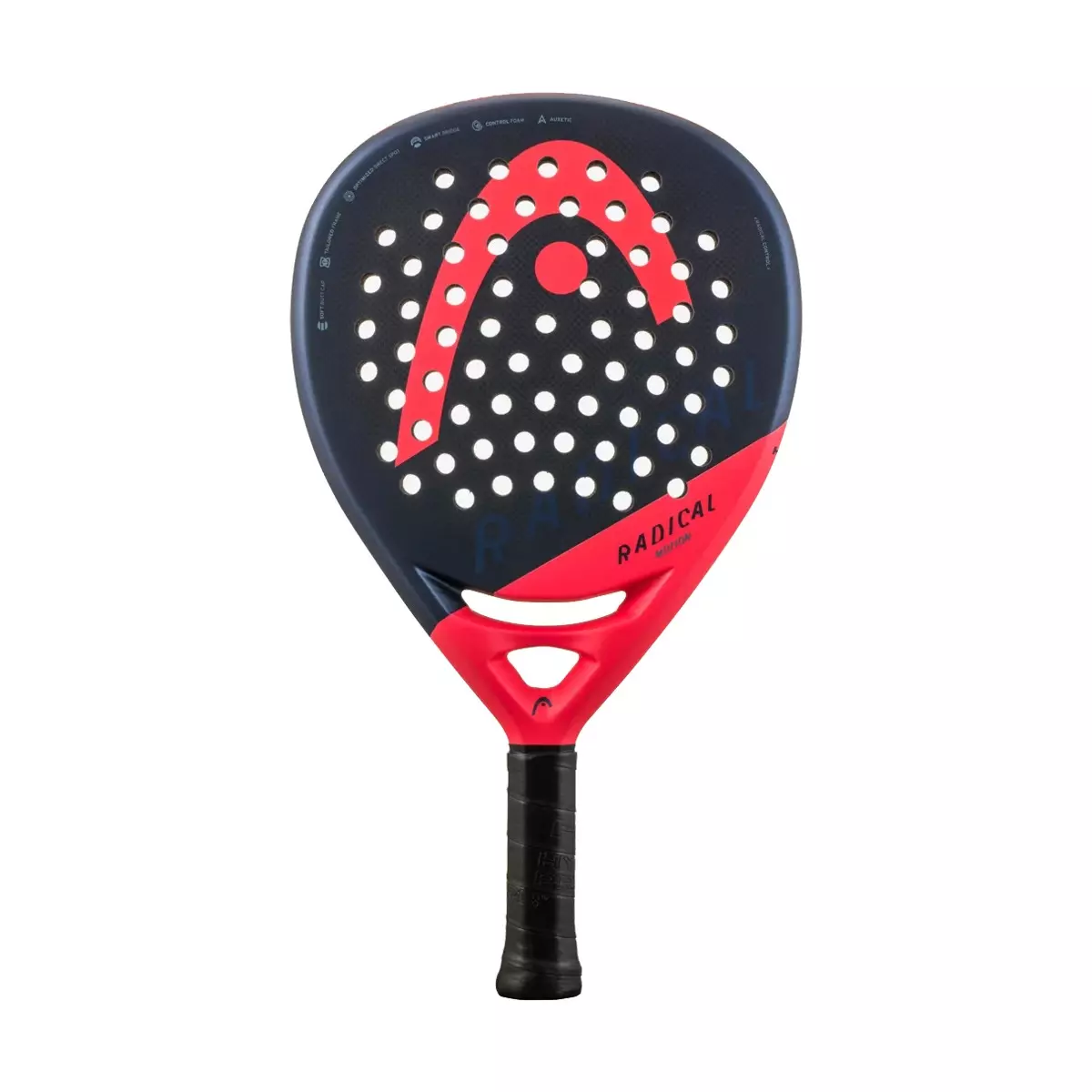
1. HEAD Radical Motion 2024 Padel Racquet

HEAD Radical Motion 2024 Padel Racquet

  • Best For: Intermediate to advanced players who want a precision-oriented racket with control but still enough punch.

  • Why We Like It: Teardrop shape with a 3K carbon surface, plus “Control Foam” core; pretty good sweet spot; technologies such as Auxetic, Smart Bridge, Soft Butt Cap to reduce vibrations and improve feel.

  • Approx Price (India): ~ ₹18,352

  • Pros: Great for control and precision; light enough for fast hands; good build quality; reduced vibration.

  • Cons: Not maximally powerful—smashes won’t be as explosive as diamond head power rackets; heavier than beginner models; needs good technique to make full use.

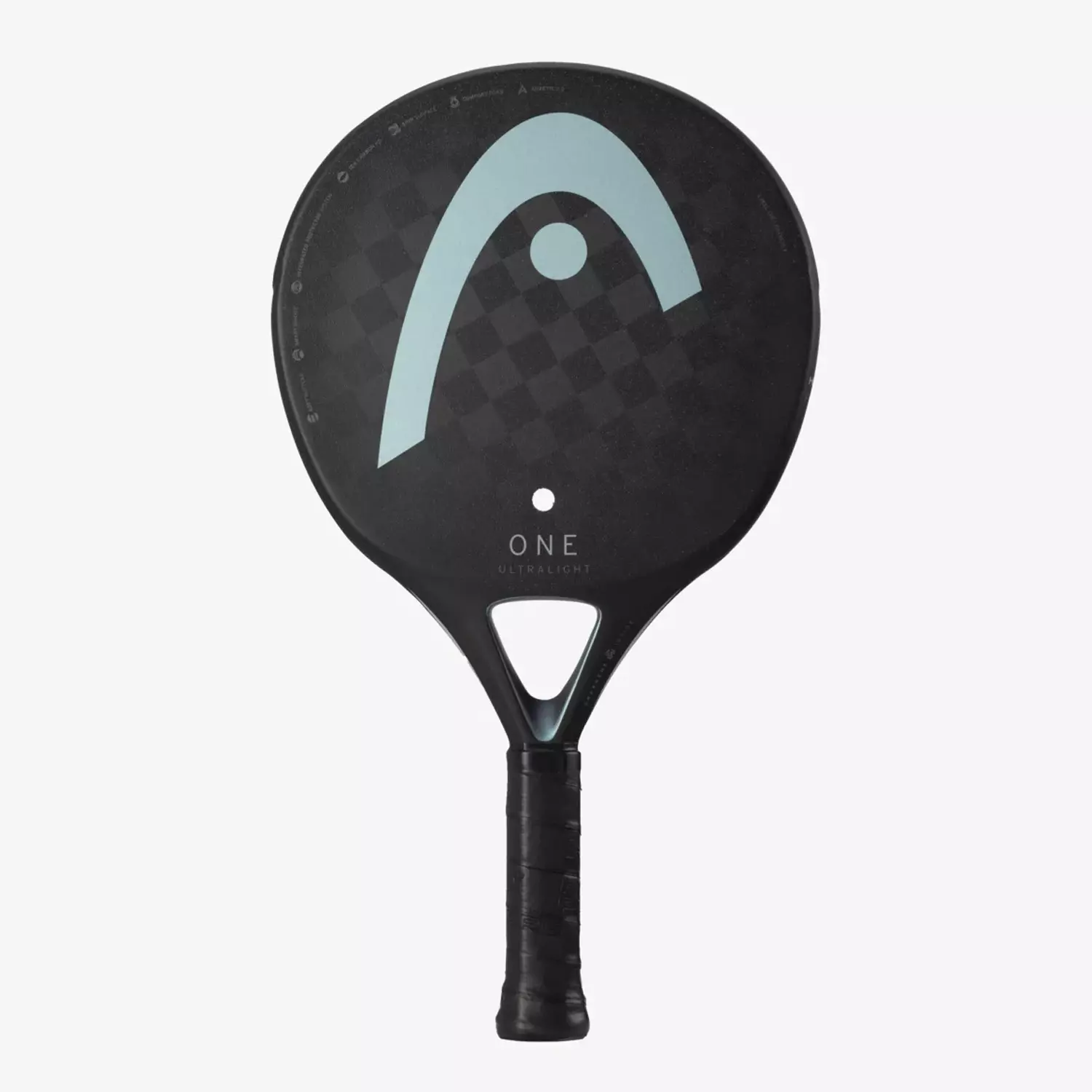
2. HEAD One Ultralight Padel Racquet

  • Best For: Players who want maximum maneuverability, especially those new to padel or with less arm strength.

  • Why We Like It: Claimed to be “the lightest adult padel racket ever made” (about 300 g), it’s extremely easy to swing. The round-shape helps with control. Great for high reaction speed and less fatigue during longer rallies.

  • Approx Price (India): ~ ₹17,543

  • Pros: Lightweight, forgiving, excellent for quick defense or soft touch.

  • Cons: Less power; may need to upgrade if you want more forceful smashes or more weight for stability.

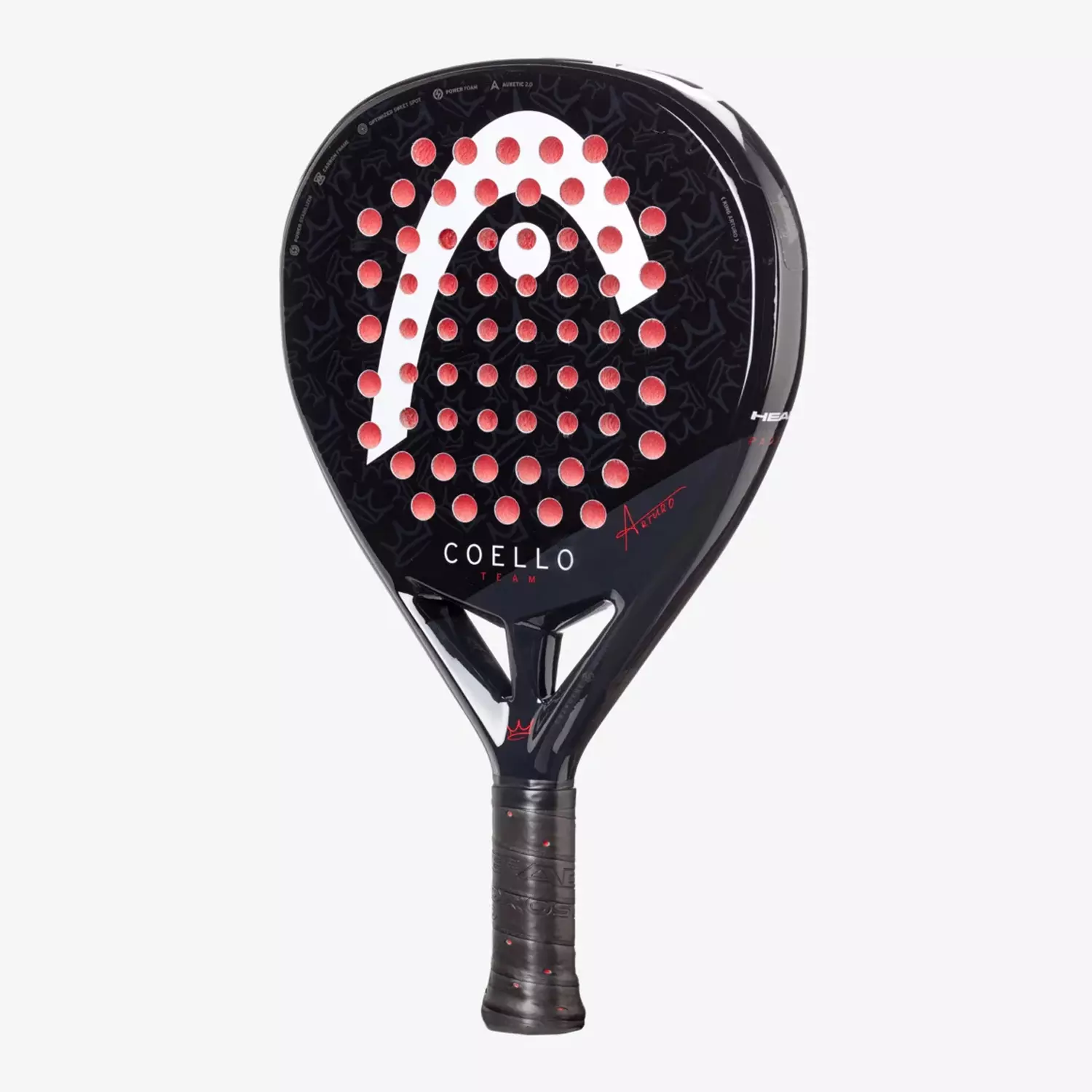
3. HEAD Coello Team 2025 Padel Racquet

  • Best For: Intermediate to advanced players who want a blend of power and comfort.

  • Why We Like It: Diamond-shaped with a high balance point, this racket has good output—helpful for aggressive shots—but also uses fiberglass on the surface for a little more flex and control. Great for players transitioning to higher levels.

  • Approx Price (India): ~ ₹19,492

  • Pros: Strong hitting power; still manageable for those moving up; good build quality.

  • Cons: Learning curve if you’re used to very light rackets; may feel heavy in long sessions; price is in the mid-to-high range.

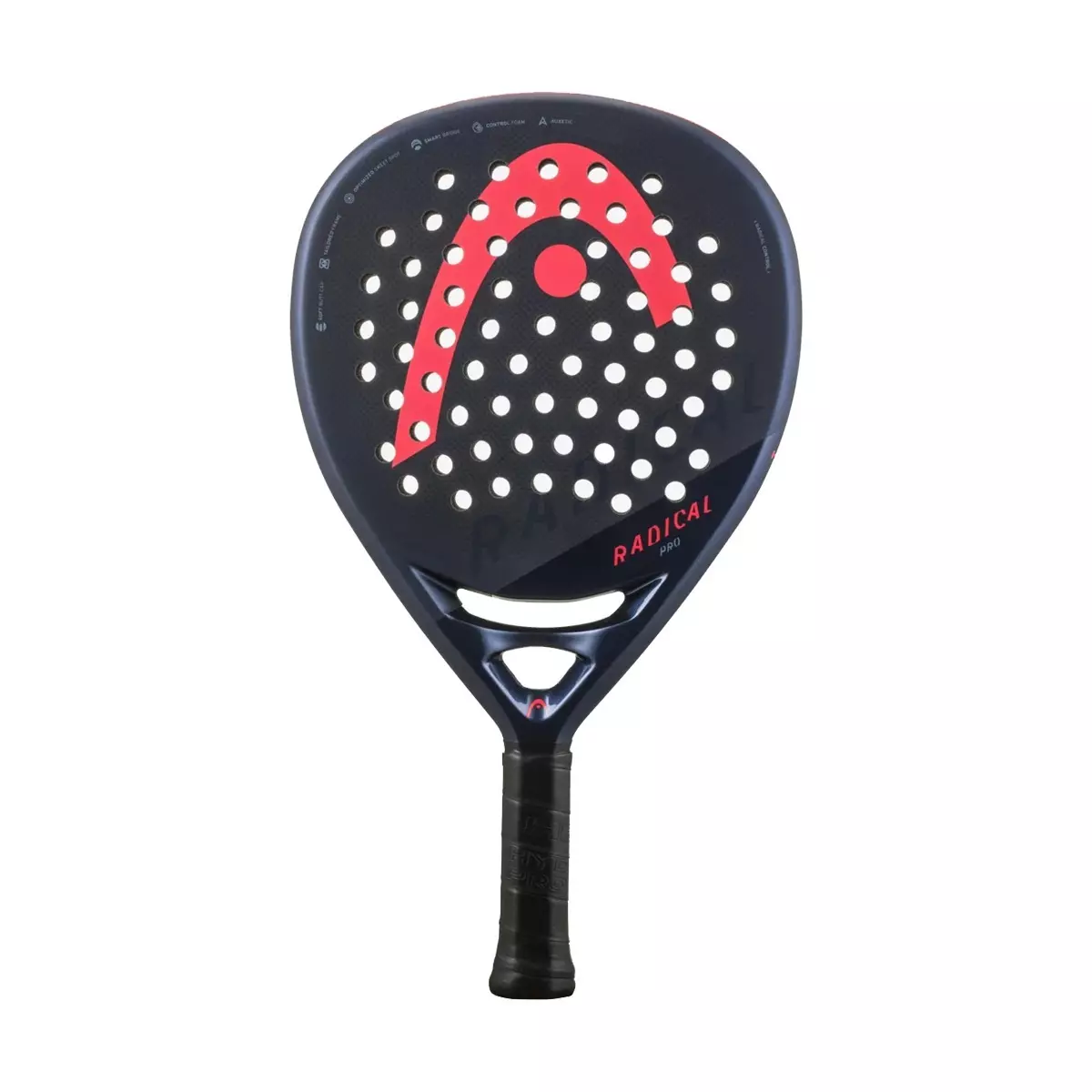
4. HEAD Radical Pro 2024 Padel Racquet

HEAD Radical Pro 2024 Padel Racquet

  • Best For: Advanced players who want precision, control, and the ability to handle fast exchanges.

  • Why We Like It: Teardrop shape (balance between power and control), carbon face (3K) with technologies that reduce vibration (better feel). Ideal for net play, quick volleys, and when you want your racket to respond sharply.

  • Approx Price (India): ~ ₹20,392

  • Pros: Excellent control especially on angled shots; strong tech features; good feedback.

  • Cons: Less forgiving than softer rackets; requires more precise technique; not the cheapest.

5. Nox AT10 Genius Attack 18K 2025 Padel Racquet (Agustin Tapia)

  • Best For: Pro-level players or serious amateurs who want top-tier performance and are willing to invest.

  • Why We Like It: Signature model of Agustín Tapia (“AT10” line), with an 18K carbon face—this gives high stiffness and lots of power. The construction, design, and player endorsement make it a prestige choice.

  • Approx Price (India): ~ ₹30,092

  • Pros: Exceptional power; excellent build quality; performance suited for aggressive and advanced strategies.

  • Cons: Steep price; requires strong technique and fitness; lower forgiveness if you mis-hit.

Playing Style & Strategy – How Padel is Won

Beginners

  • Keep the ball in play.
  • Focus on wall rebounds.
  • Learn the lob—it resets the rally.

Intermediate Players

  • Develop volley skills.
  • Dominate at the net with positioning.
  • Use lobs and angles to pressure opponents.

Advanced Players

  • Smashes with precision.
  • Tactical drop shots near the wall.
  • Anticipation and teamwork at elite levels.

👉 Unlike tennis, padel is not about brute force—it’s chess with a ball.

Skill Progression – From First Game to Pro

  1. Weeks 1–4: Focus on rallies and basic serves.
  2. Months 2–3: Learn wall rebounds, volleys, and teamwork.
  3. Months 4–6: Improve consistency, footwork, and strategy.
  4. Year 1+: Enter local leagues, upgrade your racket, refine style.

Training Tips & Drills

  • Warm-up Drill: Rally without smashing, focus on control.
  • Wall Drill: Hit against the wall 50 times, practice rebounds.
  • Volley Drill: Practice quick volleys with a partner at the net.
  • Lob Drill: Hit 20 consistent lobs to force your opponents back.

👉 Practicing these for 20 minutes before each game will accelerate your progress.

Padel vs Tennis vs Pickleball

Let’s have a closer look at the basic difference between Padel, Tennis and Pickleball.

Feature Padel Tennis Pickleball
Court Size 20 x 10 m 23.7 x 8.2 m 13.4 x 6.1 m
Serve Underhand Overhand Underhand
Walls In play Out of play Out of play
Racket Solid, no strings Strung Solid paddle
Format Always doubles Singles/doubles Singles/doubles
Style Strategy, teamwork Power, speed Control, finesse

Where to Play Padel in India

  • Mumbai: New courts in Bandra and Powai have been constructed.
  • Delhi NCR: Clubs in Gurgaon and Noida offer padel courts.
  • Bangalore: Tech parks are opening various padel arenas.
  • Goa & Pune: Boutique sports clubs introducing many padel courts.

👉 Websites like Playo and Hudle list available padel courts near you.

Where to Buy the Best Padel Gear in 2025

Getting started in padel is exciting, but choosing where to buy your gear is just as important as picking the right racket. With so many online stores, it can be tough to know who really understands the sport.

That’s why we recommend God of Sports — India’s trusted destination for racquet sports.

At God of Sports, you’ll find:

  • Top International Brands – HEAD, Babolat, Adidas, Bullpadel, Nox, and more.

  • Exclusive Indian Access – Imported padel rackets and accessories you won’t easily find elsewhere.

  • Expert Reviews & Guidance – Honest advice to help you choose based on your skill level.

  • Competitive Prices – Seasonal discounts, bundles, and exclusive deals.

  • Fast Shipping Across India – Get your racket, shoes, or balls delivered quickly.

Whether you’re buying your first beginner-friendly round racket or upgrading to a pro-level diamond racket, The God of Sports makes the process simple, reliable, and affordable.

👉 Visit GodOfSports to explore the latest 2025 padel collection and gear up for your next game.

FAQs – Common Questions related to Padel

  1. What’s the difference between padel and tennis?
    Padel is smaller, doubles-only, and uses walls. Tennis relies on power; padel relies on strategy.
  2. How expensive is it to start?
    Beginner rackets in India cost ₹4,000–₹8,000. Court rental varies from ₹500–₹1,000 per hour.
  3. Can I use a tennis racket?
    No. Padel rackets are solid and perforated. Tennis rackets are strung and not suitable.
  4. Do I need special shoes?
    Not at first, but padel shoes improve grip and prevent injury.
  5. Is padel physically demanding?
    Less than tennis. The smaller court and underhand serves make it accessible to all ages.
  6. How long does a racket last?
    6–12 months for regular players, 2+ years for casual players.
  7. Where can I buy rackets in India?
    Trusted retailers like GodOfSports stock global brands with Indian delivery.
  8. Can kids play padel?
    Yes! Padel is beginner-friendly and increasingly popular with children.

Final Thoughts – Your Padel Journey Starts Now

Padel is more than a sport—it’s a lifestyle. A blend of tennis, squash, and strategy, wrapped in a social, fast-paced format.

Whether you’re buying your first round racket, learning how to use the walls, or planning to join a weekend league, padel gives you the thrill of competition without the barrier of years of training.

Remember:

  • Start with a control racket.
  • Learn the lob and wall rebounds.
  • Focus on teamwork—it’s the soul of padel.

Your 2025 starter kit is ready. The only thing missing is you on the court.

So grab a racket, call three friends, and step into the glass box. The world of padel is waiting.

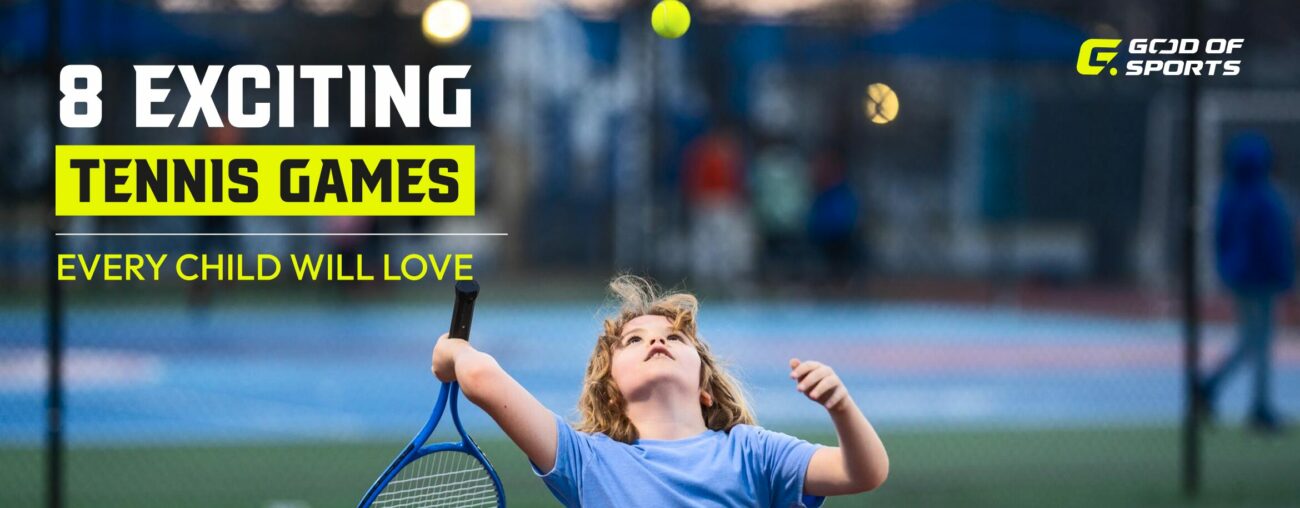
8 Exciting Tennis Games every child will love

8 Exciting Tennis Games Every Child Will Love

Tennis is an incredible sport for children. It develops coordination, balance, agility, and focus while encouraging social interaction and confidence. But for kids, tennis needs to be fun first. Long drills or repetitive exercises can quickly become boring, which is why incorporating games and interactive drills is essential for keeping young players motivated and engaged.

Imagine a tennis session where laughter mixes with skill-building. Balls bounce, kids dash across mini-courts, and each point feels like a mini-victory. This is how kids learn best — through play, not just instruction.

In this guide, we’ll explore fun tennis games and drills designed to teach skills while keeping the court alive with energy and excitement.


1. Balloon Tennis: Learning Without Pressure

Objective: Develop hand-eye coordination and racket control.
Equipment: Balloons, rackets, or even foam paddles.

How to play:

  • Inflate a balloon and ask kids to keep it in the air using their racket.
  • Encourage them to move around the court and prevent the balloon from touching the ground.
  • Gradually increase difficulty by having two or more balloons in play.

Why it works:
Balloons move slowly, allowing kids to focus on timing, racket positioning, and coordination. It’s a stress-free way to introduce new players to the feel of hitting and tracking an object.


2. Target Practice: Accuracy Through Play

Objective: Improve precision and shot placement.
Equipment: Cones, hula hoops, or target mats.


How to play:

  • Place targets at various positions on the court.
  • Ask kids to aim their shots at the targets, using forehands, backhands, or volleys.
  • Award points for hitting targets and turn it into a friendly competition.

Why it works:
Kids develop focus and control while practicing important skills. The competitive element keeps the game exciting without the pressure of a formal match.


3. King of the Court: Mini Matches for Motivation

Objective: Teach strategy, rallying, and match play.
Equipment: Tennis balls, rackets, and a small court or marked area.

How to play:

  • Divide kids into two groups: challengers and defenders.
  • The defender starts on one side, trying to win points against challengers one by one.
  • If a challenger wins a point, they become the defender.
  • Rotate players frequently to keep everyone active.

Why it works:
This game fosters friendly competition, improves rallying skills, and teaches kids to think strategically while keeping energy levels high.


4. Red Light, Green Light Tennis: Footwork and Agility

Objective: Enhance movement, reaction speed, and court awareness.
Equipment: Tennis balls, rackets, and cones or markers.

How to play:

  • Line up kids on one side of the court.
  • When you say “green light,” they move toward the opposite side while dribbling the ball or bouncing it on their racket.
  • When you say “red light,” they must stop immediately.
  • Add “yellow light” for slow-motion movement.

Why it works:
This drill teaches kids to control their speed, adjust quickly, and improve footwork—all essential tennis skills.


5. Obstacle Courses: Combine Skills in a Fun Way

Objective: Develop coordination, agility, and problem-solving.
Equipment: Cones, ladders, ropes, balls, and rackets.

How to play:

  • Set up a mini obstacle course on the court. Include sections for running, side shuffles, ball bounces, and hitting through targets.
  • Have kids complete the course individually or in relay teams.
  • Time their runs and encourage improvement with each attempt.

Why it works:
Obstacle courses combine multiple tennis skills in one playful activity. Kids improve stamina, agility, and coordination while enjoying a game-like challenge.


6. Catch and Hit: Hand-Eye Coordination Drill

Objective: Improve reflexes and timing.
Equipment: Tennis balls, racquets, and soft surfaces or mini-courts.

How to play:

  • Partner kids up. One tosses the ball lightly, and the other hits it back.
  • Start with short distances and slow tosses, gradually increasing distance and speed.
  • Encourage variations like bouncing the ball first or hitting targets after the catch.

Why it works:
This drill strengthens reflexes, hand-eye coordination, and control. Kids also learn timing, which is crucial for effective rallies and volleys.


7. Tennis Tag: Combine Speed and Fun

Objective: Boost fitness, agility, and awareness.
Equipment: Tennis balls or soft foam balls, rackets optional.

How to play:

  • One child is “it” and tries to tag others using a soft ball.
  • Players move around the court, dodging and running, using tennis-style movements.
  • Rotate the “it” player every few minutes.

Why it works:
Tennis tag incorporates running, quick stops, and directional changes — all movement patterns used in real matches. Kids also enjoy the competitive and playful aspect.


8. Mini Tennis Matches: Progressing to Real Play

Objective: Teach match rules, scoring, and strategy in a controlled environment.
Equipment: Standard tennis balls (or low-compression balls for young kids) and rackets.

How to play:

  • Set up mini-courts using cones or existing court lines.
  • Use modified rules, shorter games, and smaller balls.
  • Encourage kids to rally, score points, and practice rotation of play.

Why it works:
Mini matches prepare kids for real competitions. They learn how to apply skills in a game context without the pressure of full-length matches.


Conclusion: Keeping Tennis Fun for Kids

The secret to developing young tennis players is balancing skill development with fun. Games and interactive drills ensure kids stay motivated while mastering coordination, footwork, accuracy, and match strategy.

A typical session could start with balloon tennis or red-light-green-light, move on to target practice and obstacle courses, and end with mini matches or King of the Court. This variety keeps children engaged, improves multiple aspects of their game, and instills a lifelong love for tennis.

By turning practice into play, coaches and parents can help children like Aarav not only develop tennis skills but also build confidence, social skills, and resilience — laying a strong foundation for future success both on and off the court.

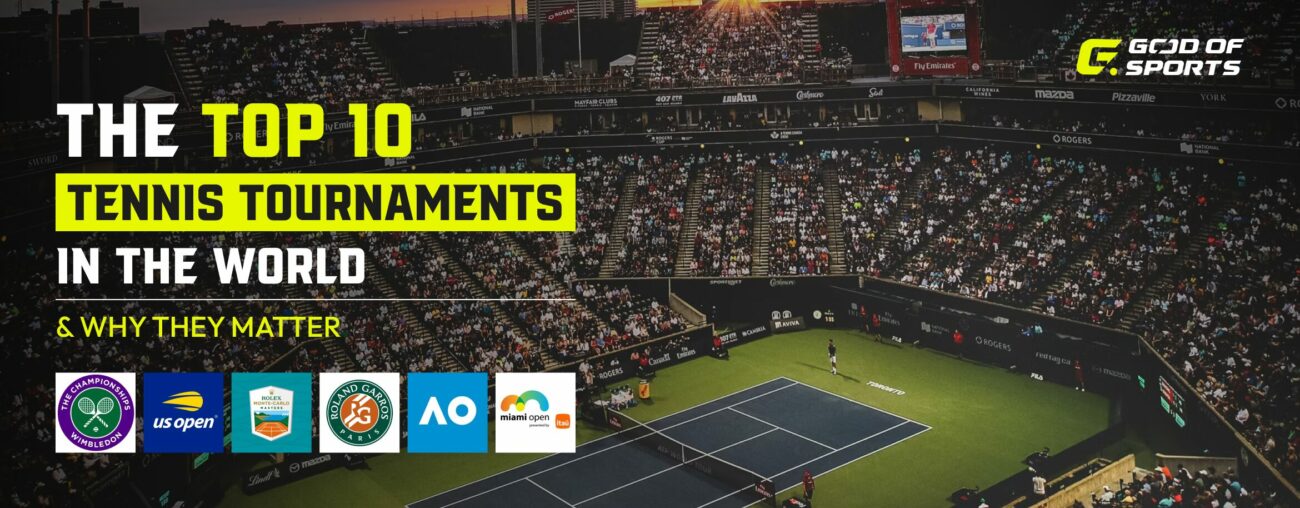
The Top 10 Tennis tournaments in the world

The Top 10 Tennis Tournaments in the World and Why They Matter

Tennis is more than just a game of serves, volleys, and groundstrokes—it’s a global spectacle that captures the hearts of millions. Every year, fans tune in from every corner of the world to watch their favorite players battle it out on clay, grass, and hard courts. But not all tournaments are created equal. Some are legendary, shaping careers, defining rivalries, and influencing the sport’s history.

Whether you’re an aspiring player, a budding fan, or a seasoned tennis enthusiast, understanding the top tournaments gives you insight into the pinnacle of tennis competition. Let’s explore the top 10 tennis tournaments in the world in 2025 and why they matter.

The Top 10 Tennis Tournaments in the World in 2025

1. Wimbledon – The Prestige of Grass

Location: London, United Kingdom
Surface: Grass
Founded: 1877

Image

Wimbledon is the oldest and most prestigious tennis tournament in the world. Known for its perfectly manicured lawns, strict dress codes, and royal patronage, it represents the ultimate test of skill on grass courts. Players need precise footwork and quick reflexes to excel here, as grass is the fastest tennis surface.
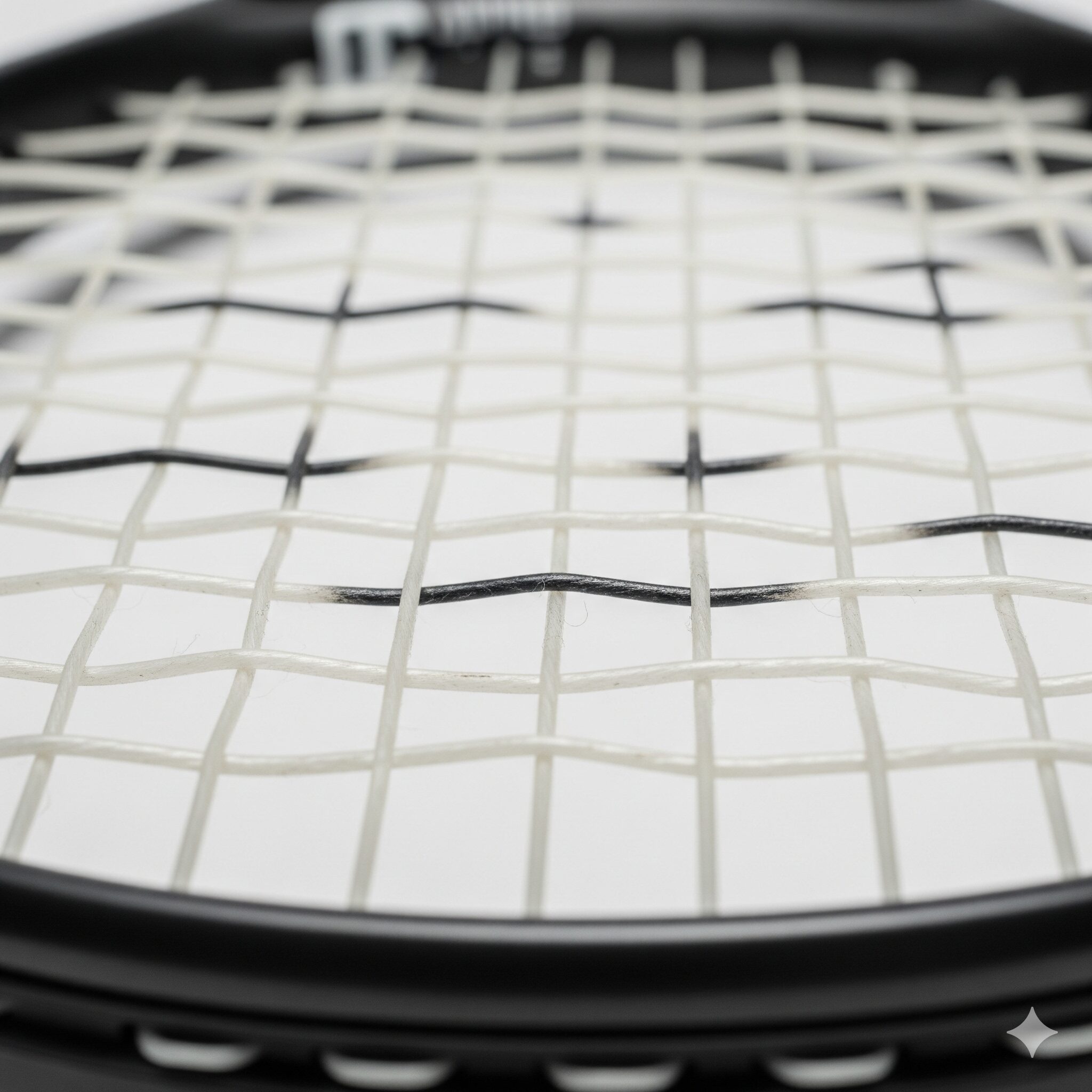
Why It Matters:
Winning Wimbledon is a career-defining achievement. The tournament has seen legendary moments, from Björn Borg’s dominance to Serena Williams’ record-breaking victories. It’s the place where tradition meets tennis excellence.

2. The US Open – Power and Passion on Hard Courts

Location: New York City, USA
Surface: Hard (DecoTurf)
Founded: 1881

Image

The US Open is renowned for its energy, big crowds, and night matches. Players need power, endurance, and mental toughness to survive the long rallies and blazing sun of New York summers.

Why It Matters:
It’s a celebration of modern tennis. Champions here are tested against the clock, pressure, and the ever-fierce competition. Legends like Pete Sampras, Roger Federer, and Naomi Osaka have cemented their status with US Open triumphs.

3. The French Open (Roland Garros) – Clay’s Ultimate Test

Location: Paris, France
Surface: Clay
Founded: 1891

Image

The French Open, also known as Roland Garros, is the most physically demanding tennis tournament. Clay slows the ball and produces higher bounces, requiring patience, stamina, and impeccable strategy.

Why It Matters:
Winning on clay is a testament to a player’s endurance and tactical mastery. Rafael Nadal, famously known as the “King of Clay,” has dominated this court, proving why Roland Garros is essential for tennis greatness.

4. The Australian Open – The Start of the Tennis Calendar

Location: Melbourne, Australia
Surface: Hard (Plexicushion)
Founded: 1905

Image

The Australian Open kicks off the Grand Slam season with high energy, extreme summer heat, and state-of-the-art stadiums. Players face a fast-paced environment, requiring both speed and adaptability.

Why It Matters:
It sets the tone for the year. Champions gain early momentum, and emerging talents often make a name for themselves here. Its unique mix of heat, long rallies, and enthusiastic crowds makes it a must-watch tournament.

5. ATP Finals / Nitto ATP Finals – The Battle of the Best

Location: Turin, Italy (from 2021)
Surface: Hard Indoor
Founded: 1970

The ATP Finals bring together the top 8 men’s singles players and doubles teams based on their yearly performance. Unlike regular tournaments, it’s a round-robin format before the semifinals, making consistency crucial.

Why It Matters:
It’s a true measure of dominance over the season. Winning here shows a player isn’t just a one-time champion but a consistent performer against the very best.

6. WTA Finals – Women’s Ultimate Championship

Location: Shenzhen, China (rotates)
Surface: Hard Indoor
Founded: 1972

The WTA Finals is the pinnacle for women’s tennis, gathering the top 8 singles players and doubles teams of the year. It’s a showcase of skill, endurance, and strategic brilliance.

Why It Matters:
It’s the crown jewel for female players outside the Grand Slams. The WTA Finals highlight the season’s dominant players and provide thrilling matchups that often don’t happen in other tournaments.

7. Indian Wells Masters – The “Fifth Grand Slam”

Location: Indian Wells, California, USA
Surface: Hard
Founded: 1974

Officially known as the BNP Paribas Open, Indian Wells has earned the nickname “the fifth Grand Slam” due to its scale, prize money, and fan following. The outdoor desert setting makes stamina and focus vital.

Why It Matters:
It bridges the gap between regular tour events and the Grand Slams. Winning here demonstrates a player’s ability to compete under pressure in a near-Grand Slam environment.

8. Miami Open – Sunshine and Speed

Location: Miami, Florida, USA
Surface: Hard
Founded: 1985

Image

The Miami Open is known for its electric atmosphere, enthusiastic fans, and high-speed courts. Players face long rallies in humid conditions, testing both endurance and shot selection.

Why It Matters:
It’s a major indicator of form early in the season. Champions here often carry confidence into the clay and grass tournaments that follow.

9. Monte-Carlo Masters – Glamour on Clay

Location: Monte Carlo, Monaco
Surface: Clay
Founded: 1897

Image

Set against the stunning backdrop of the Mediterranean, Monte Carlo combines luxury with serious clay-court tennis. Players need finesse, patience, and tactical mastery.

Why It Matters:
It’s a clay-court specialist’s proving ground. Many champions use Monte Carlo as a stepping stone to Roland Garros, testing their endurance and strategy on European clay.

10. Queen’s Club Championships – The Grass Prep

Location: London, United Kingdom
Surface: Grass
Founded: 1890

The Queen’s Club tournament is the traditional warm-up for Wimbledon. Grass courts require precision, quick reactions, and strategic serving.

Why It Matters:
Winning here signals readiness for Wimbledon. Many legends, including Andy Murray, have used Queen’s as a confidence booster before attempting the ultimate grass-court Grand Slam.

Why These Tournaments Matter

These 10 tournaments represent the pinnacle of tennis achievement. Each surface, setting, and format tests different aspects of a player’s game:

  • Grass: Fast, reflex-based, rewards precision.
  • Clay: Slower, endurance-heavy, rewards strategy.
  • Hard: Balanced, rewards power and consistency.

Together, they define careers, create rivalries, and showcase the evolution of the sport. Winning any of these tournaments doesn’t just give trophies—it solidifies a player’s legacy.

Conclusion

From the historic lawns of Wimbledon to the high-speed courts of Miami, these tournaments are more than events—they’re stages where legends are born. They test every skill, every tactic, and every ounce of determination.

For fans, they offer unforgettable moments and stories. For players, they are milestones and dreams. And for the sport, they ensure tennis remains one of the most thrilling, competitive, and global games in the world.
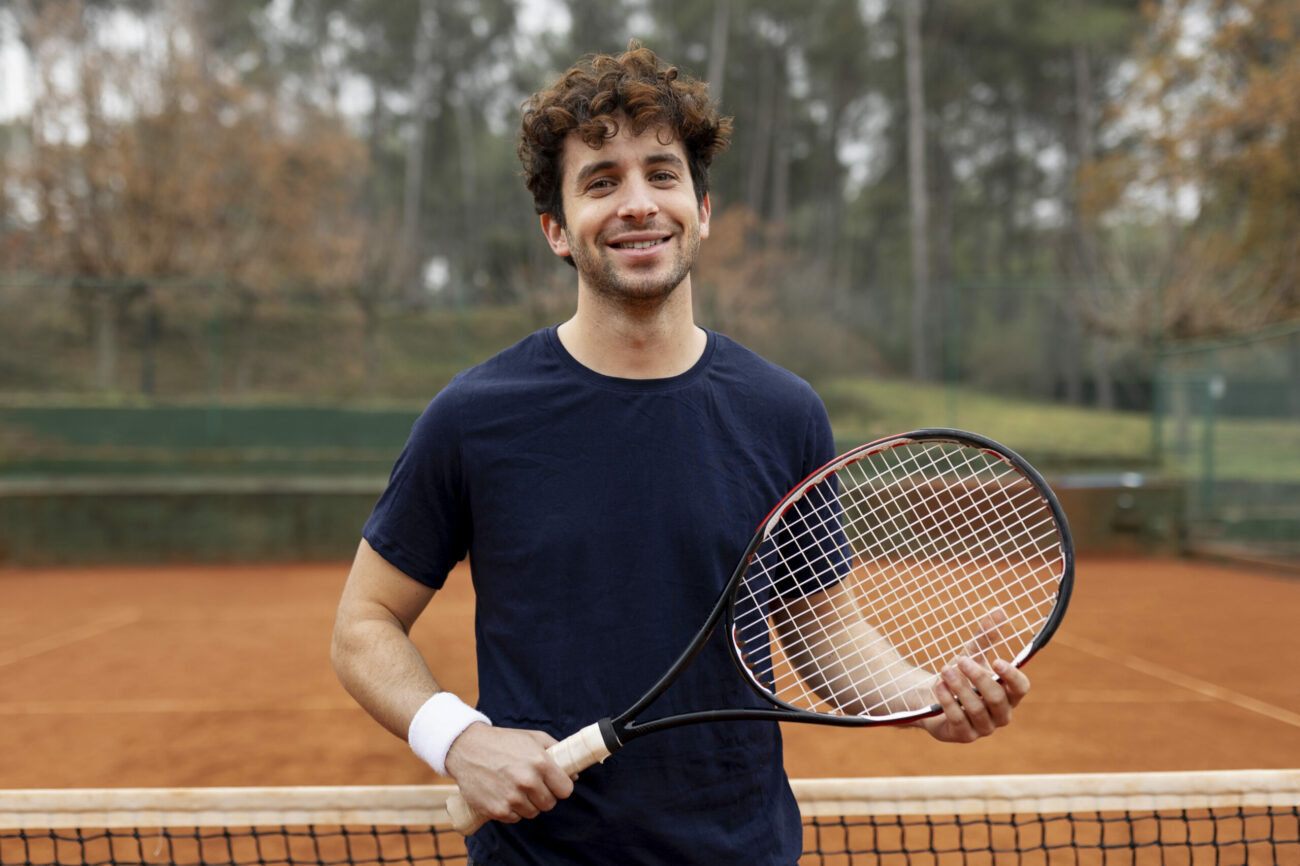
Whether you aspire to play professionally or just love watching the drama unfold, understanding these tournaments is key to appreciating the sport at its highest level.

Tennis for kids Article Banner

Tennis for Kids: How to Start Early and Build a Strong Foundation

Aarav had always been full of energy. At just seven years old, he loved running around, climbing trees, and kicking balls in the park. But when his parents suggested trying tennis, he wasn’t sure what to expect. The idea of hitting a ball over a net seemed both exciting and intimidating.

The first day at the local tennis academy was unforgettable. Aarav watched older kids swinging rackets with precision, the ball soaring across the court effortlessly. He wanted to be like them, but when he picked up his first racket, it felt awkward and heavy. The ball barely made it over the net, and Aarav’s frustration grew.

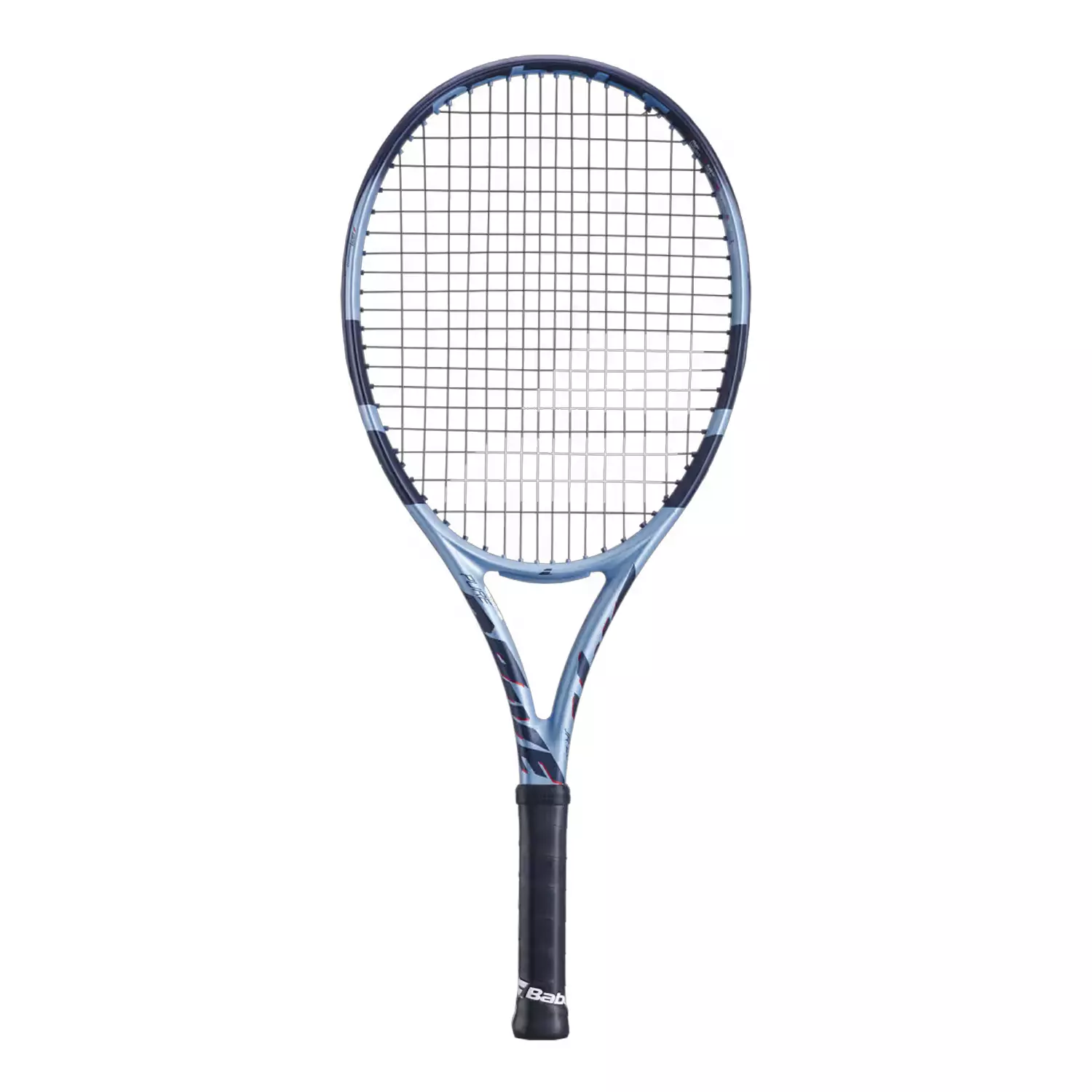
That’s when his coach handed him the Babolat Pure Drive Junior 26 Gen11. “This is your first racket, Aarav. It’s designed just for you,” the coach said with a reassuring smile.

The moment Aarav held the racket, something changed. Lightweight yet sturdy, it fit perfectly in his hands. Every swing felt natural, every hit gave him just the right amount of power without tiring him out. For the first time, hitting the ball felt fun, not frustrating. Aarav’s journey into tennis had officially begun.

Why Start Tennis Early?

Starting tennis at a young age has more benefits than just learning a sport. It’s a complete development package:

  1. Physical Growth: Tennis helps improve coordination, reflexes, speed, strength, and endurance — all essential for young bodies in growth.
  2. Mental Skills: Kids learn concentration, strategic thinking, and problem-solving with every rally.
  3. Social Interaction: Tennis academies provide a platform for children to meet peers, learn teamwork, and develop sportsmanship.
  4. Confidence Boost: Successfully hitting a shot, winning a point, or mastering a stroke builds self-esteem.

Aarav’s early exposure to tennis gave him more than just sport skills — it gave him a routine, a sense of accomplishment, and the joy of mastering something challenging.

Picking the Right Equipment for Young Players

The right gear can make or break a child’s experience in tennis. For Aarav, the Babolat Pure Drive Junior 26 Gen11 wasn’t just a racket — it was a tool that made learning exciting and safe.

Rackets: The Foundation of Good Technique

A proper junior racket is essential. Here’s why Aarav’s racket was perfect:

  • Lightweight Design: Makes swinging easier for small hands.
  • Responsive Frame: Helps generate power without overexerting young muscles.
  • Correct Size: Ensures proper grip, preventing strain or injury.

Other junior racket considerations include balance (head-light or even-balance) and flexibility of the shaft, which affects power and control.

For young beginners, the Babolat Pure Drive Junior 26 Gen11 stands out as an ideal first racket. Check it out here.

Babolat Pure Drive Junior 26 Gen11 Tennis Racquet

Balls: Start Soft, Gradually Increase Speed

  • Red Balls: Low compression, slow speed — perfect for ages 4–8.
  • Orange Balls: Medium compression for ages 8–10.
  • Green Balls: Slightly faster for kids approaching full-sized courts.

Aarav began with red balls, learning to time his swings and develop control before moving on to faster balls as his technique improved.

Shoes & Apparel

Proper tennis shoes are non-negotiable for kids:

  • Support lateral movements.
  • Prevent injuries on hard courts.
  • Provide cushioning for jumps and quick stops.

Comfortable, breathable clothing ensures freedom of movement. Aarav loved his first lightweight tennis kit — it made him feel like a professional player even at the academy.

Learning the Fundamentals: Drills & Techniques

Once Aarav had the right racket and balls, the real learning began. Early training focuses on fundamentals:

  1. Grip & Swing Basics: Understanding forehand, backhand, and correct racket hold.
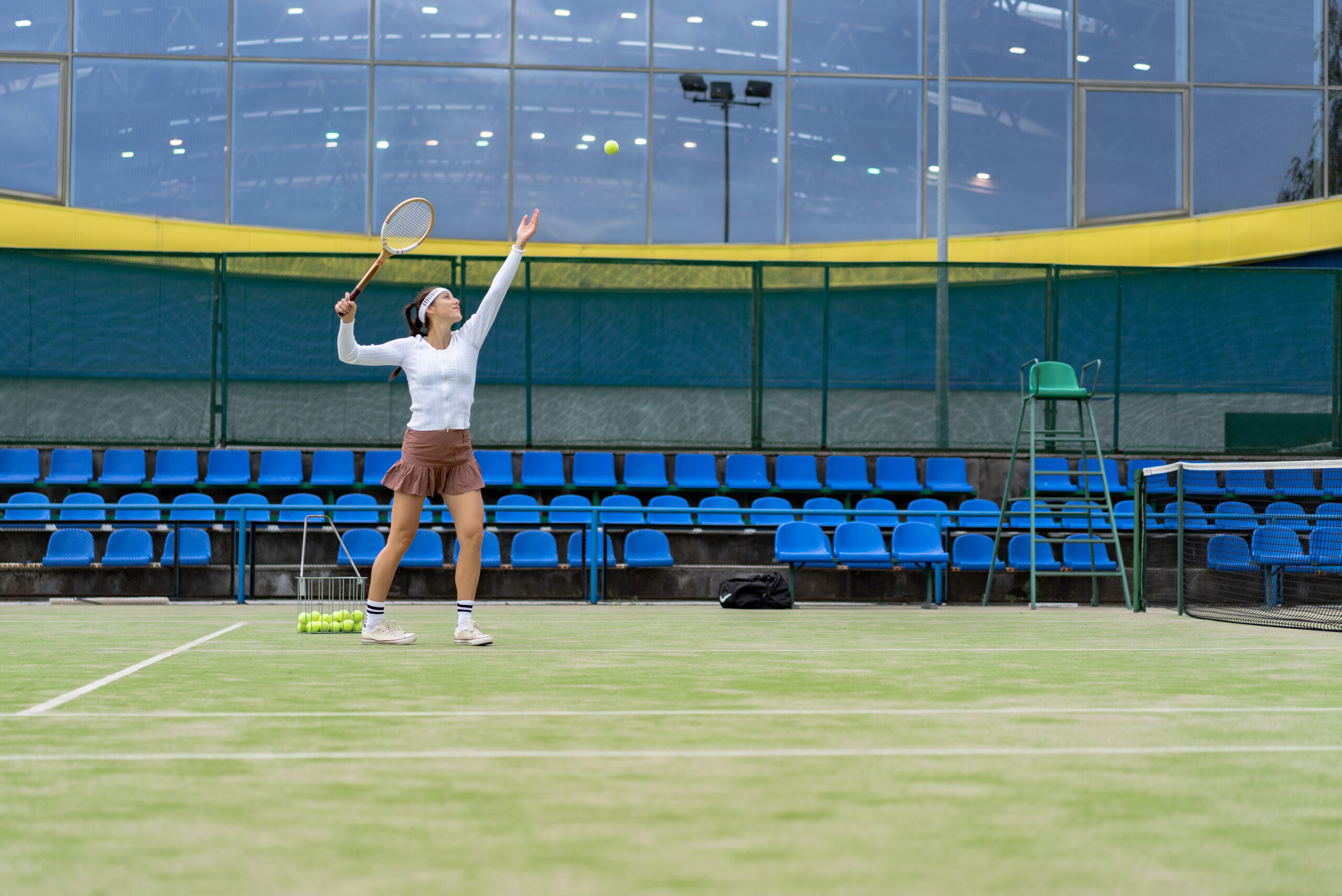
  2. Footwork: Quick, precise steps across the court, balance, and stance.
  3. Coordination Drills: Catching, bouncing, and hitting balls to improve hand-eye coordination.
  4. Mini Games: Fun challenges to reinforce learning while keeping engagement high.

Aarav’s coach emphasized repetition with positive reinforcement. Every successful shot boosted his confidence and made the next drill more enjoyable.

Making Practice Fun

Tennis for kids is most effective when it’s fun. Aarav’s academy used games like “Target Zones” and “King of the Court” to keep children motivated. The Babolat Pure Drive Junior 26 Gen11 helped Aarav feel successful early on, hitting rallies longer and more accurately than he imagined possible.
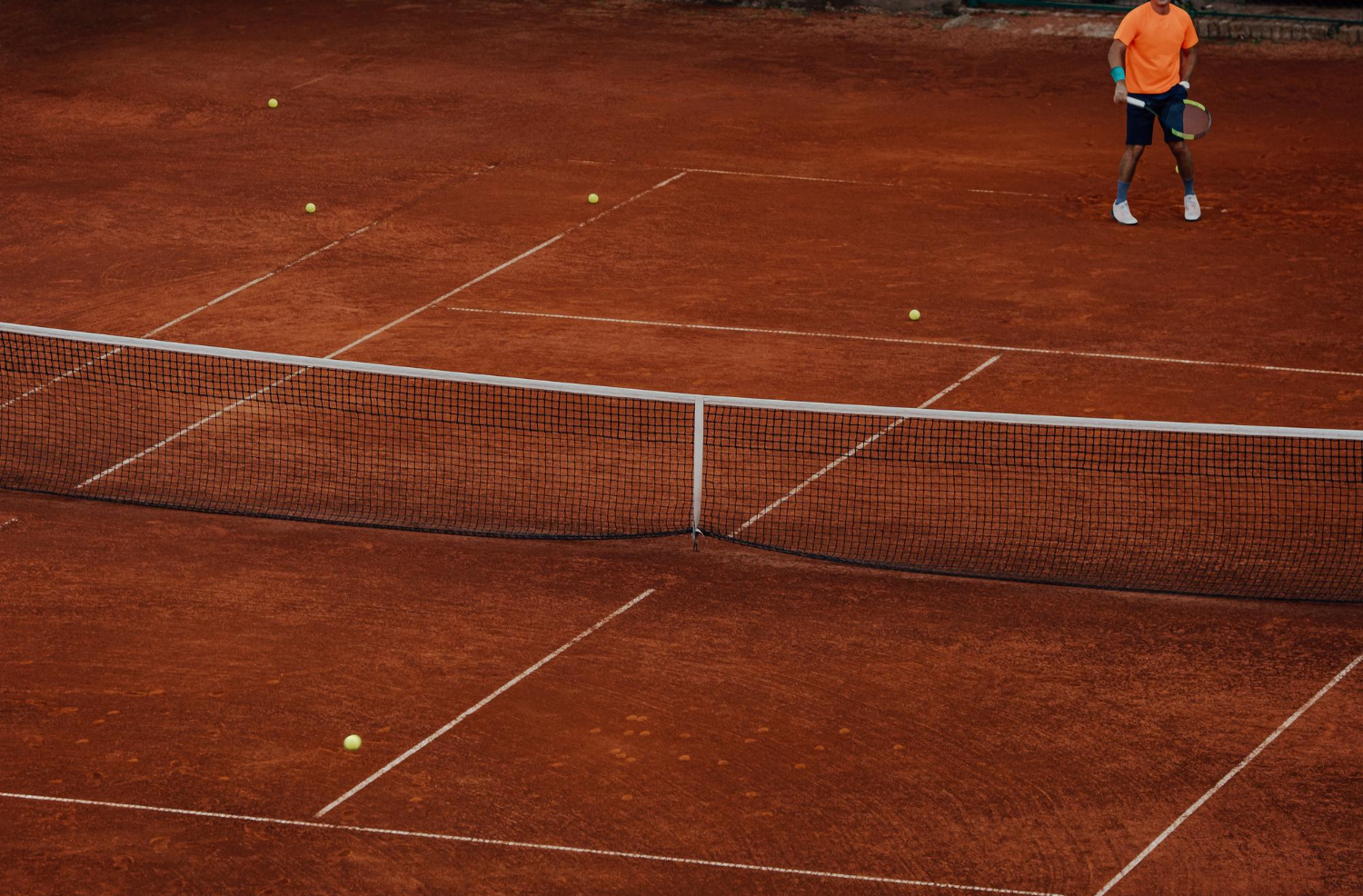
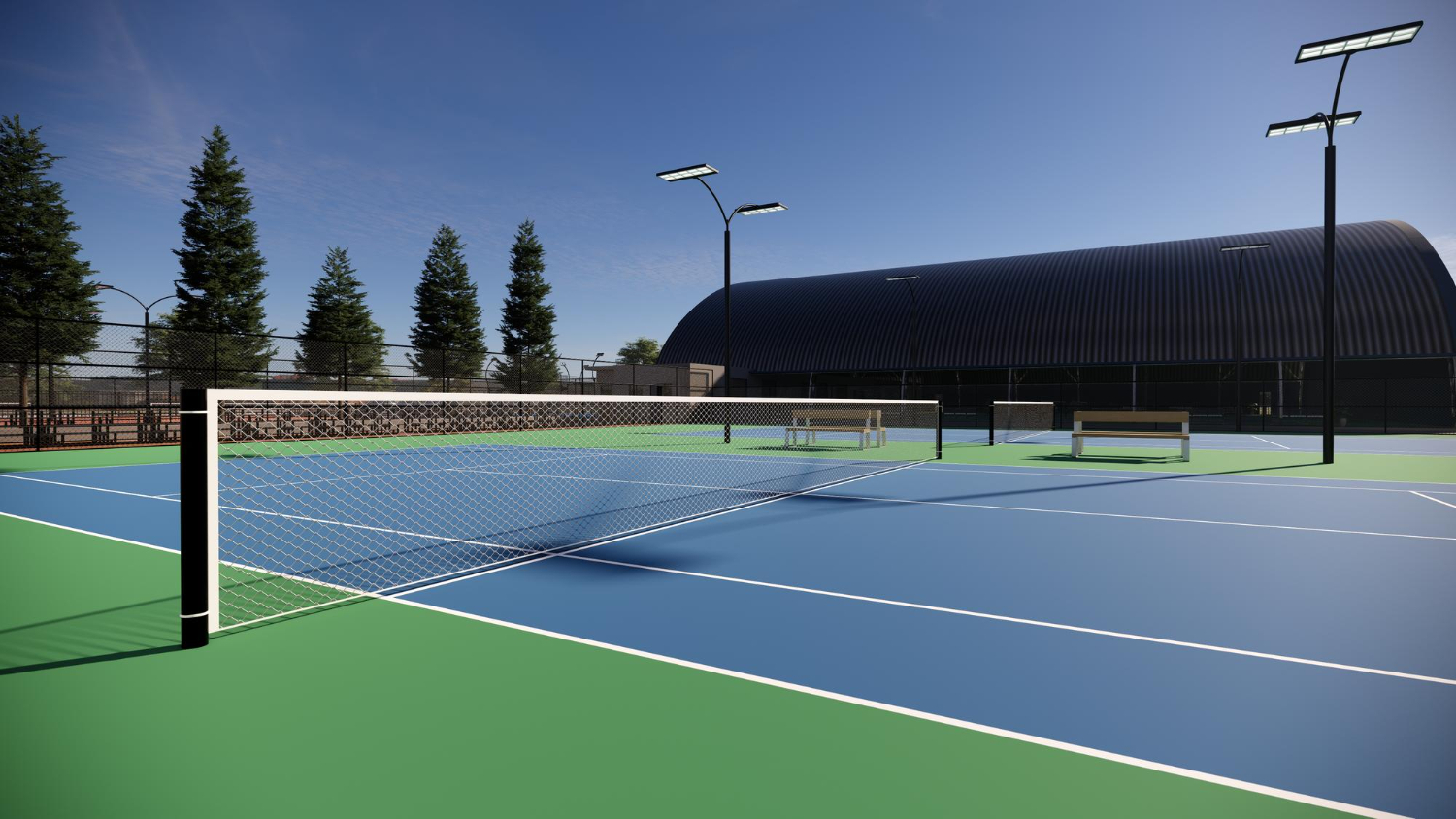
Fun, structured play is key:

  • Short, frequent sessions.
  • Mix of drills and light competitions.
  • Praise and rewards for effort, not just results.

This approach ensures kids stay engaged without feeling pressured, making skill acquisition faster and more enjoyable.

Building a Long-Term Foundation

Early exposure to tennis builds muscle memory, focus, and love for the sport. Aarav, who started at seven, gradually moved to orange balls, then green balls, and finally full-sized adult rackets as he grew stronger.

The principles remain the same:

  1. Consistency: Regular practice develops habits.
  2. Technique First: Power comes naturally once strokes are correct.
  3. Physical Conditioning: Strength, agility, and endurance exercises tailored for kids.
  4. Mental Training: Focus, patience, and learning to manage both wins and losses.

By age 10, Aarav had a strong foundation. He could rally, serve, and return shots with confidence, all thanks to starting early and having the right equipment from day one.

Encouraging Parents & Guardians

Parents play a vital role in keeping the tennis journey positive:

  • Support, don’t pressure: Celebrate effort, not just points won.
  • Provide proper gear: A junior racket like the Babolat Pure Drive Junior 26 Gen11 ensures comfort and safety.
  • Encourage regular practice: Short, frequent sessions are better than long, tiring ones.
  • Promote fun: Games, challenges, and mini-competitions make learning enjoyable.

Aarav’s parents were patient and supportive, attending his sessions and ensuring he had the right equipment. That guidance made all the difference.

Final Thoughts

Starting tennis early gives kids an unmatched advantage — not just in the sport, but in physical development, mental skills, and self-confidence. Aarav’s journey shows how the right approach — combining fun, fundamentals, and proper equipment like the Babolat Pure Drive Junior 26 Gen11 — can make all the difference.

For parents, the takeaway is simple: pick the right gear, enroll your child in a supportive program, and let them enjoy the journey. The next tennis champion could be your child.

Want your kid to be the next tennis champ just like Aarav? Then head to God of Sports and choose from a wide variety of tennis rackets perfect for your champ.

The Science of Tennis: How to Improve Your Speed, Strength, and Endurance

Tennis isn’t just a game of technique and strategy; it’s a sport that challenges your body and mind simultaneously. Whether you’re chasing a powerful serve, sprinting across the baseline, or maintaining focus through long rallies, your body’s physical conditioning plays a pivotal role in your performance. In 2025, professional and amateur players alike are realizing that mastering the science behind speed, strength, and endurance is just as important as mastering strokes.

Imagine this: You’re in the fifth set of a match. Every fiber of your body is fatigued. Your opponent hits a blistering cross-court shot. Will you reach it? Will you generate enough power to return it? The answer depends not only on your skill but on how well you’ve trained your body. This is where understanding the science of tennis becomes your competitive advantage.

In this article, we dive deep into the science of tennis performance and provide actionable insights on improving speed, strength, and endurance, helping you elevate your game both physically and mentally.

1. The Role of Speed in Tennis

Speed in tennis isn’t just about running fast—it’s about explosive movements, quick directional changes, and reaction time. A fast player can cover the court efficiently, respond to aggressive shots, and maintain a competitive edge throughout rallies.

Key Components of Tennis Speed

  1. Acceleration – Quickly moving from a stationary position to reach the ball. 
  2. Lateral Movement – Side-to-side agility to respond to cross-court shots. 
  3. Reaction Time – The ability to anticipate your opponent’s next move. 
  4. Footwork Efficiency – Using the minimum energy to cover maximum ground. 

Drills to Improve Speed

  • Ladder Drills: Enhance agility and quick foot placement. 
  • Sprint Intervals: Short bursts of 10–20 meters replicate match scenarios. 
  • Cone Drills: Improve change of direction and acceleration from different starting points. 

Why it matters:
Professional players like Novak Djokovic and Serena Williams rely on speed to retrieve seemingly unreachable shots. Improving speed directly affects your ability to dominate the court, return difficult shots, and maintain aggressive play.

2. Building Strength for Powerful Shots

Strength is the foundation of every effective tennis shot. From a fast serve to a topspin forehand, muscle power plays a crucial role in transferring energy from your body to the ball.

Muscle Groups to Focus On

  • Legs: Quads, hamstrings, calves for explosive movement and balance. 
  • Core: Abs, obliques, and lower back for rotational power and stability. 
  • Upper Body: Shoulders, biceps, triceps, and forearms for stroke power. 

Strength Training Techniques

  1. Plyometrics: Exercises like jump squats and medicine ball throws improve explosive strength. 
  2. Resistance Training: Focus on compound lifts like squats, deadlifts, and bench presses. 
  3. Core Workouts: Planks, Russian twists, and rotational throws enhance rotational force in strokes. 

Why it matters:
Stronger muscles generate faster serves, more powerful groundstrokes, and sustained energy throughout matches. Studies show that professional players who focus on strength conditioning see measurable improvements in ball speed and shot consistency.

3. Endurance: The Key to Lasting Performance

Tennis matches can last anywhere from 30 minutes to over 5 hours. Endurance determines your ability to maintain performance levels through long rallies, sets, and tournaments. Without proper conditioning, even technically skilled players may falter in the later stages of a match.

Components of Tennis Endurance

  • Cardiovascular Endurance: Ability to sustain prolonged activity without fatigue. 
  • Muscular Endurance: Maintaining strength and stability in muscles during repeated movements. 
  • Mental Endurance: Staying focused and confident under physical stress. 

Endurance Training Techniques

  1. Interval Training: Alternate between high-intensity sprints and slower recovery periods to simulate match play. 
  2. Long-Distance Running: Improves cardiovascular capacity and stamina. 
  3. On-Court Rally Drills: Practice long rallies with a partner, focusing on maintaining consistency and shot precision. 

Why it matters:
Top players like Rafael Nadal attribute their longevity in matches to a combination of endurance training and mental resilience. Stamina ensures that your performance does not decline as matches progress.

4. Nutrition and Recovery: Fueling the Tennis Body

No training regimen is complete without proper nutrition and recovery. Tennis players expend thousands of calories in a single match, and inadequate recovery can hinder performance and increase injury risk.

Nutrition Tips for Tennis Players

  • Pre-Match: Consume complex carbs like oatmeal or whole grains for sustained energy. 
  • During Match: Stay hydrated and consider electrolyte drinks to maintain energy levels. 
  • Post-Match: Focus on protein-rich foods like lean meats, eggs, and legumes to repair muscle tissue. 

Recovery Techniques

  • Stretching & Mobility Work: Prevent injuries and maintain flexibility. 
  • Foam Rolling: Reduces muscle soreness and improves blood flow. 
  • Rest & Sleep: Essential for muscle repair and mental clarity. 

Why it matters:
Players who optimize nutrition and recovery can train harder, reduce injury risk, and maintain peak performance throughout tournaments.

5. Integrating Science into Tennis Practice

Combining speed, strength, and endurance training creates a holistic tennis athlete. However, science isn’t just about physical conditioning—it’s also about data and analysis.

  • Wearable Technology: Track heart rate, speed, and distance to monitor progress. 
  • Video Analysis: Review swing mechanics and movement patterns to identify areas for improvement. 
  • Performance Metrics: Analyze serve speed, shot placement, and rally success to guide training priorities. 

Why it matters:
Understanding your body’s performance metrics allows you to tailor your training efficiently, ensuring each session contributes to measurable improvement.

6. Mental Training: The Overlooked Science

Physical conditioning alone isn’t enough. Tennis is as much a mental game as it is physical. Focus, strategy, and resilience play critical roles in winning matches.

Techniques to Boost Mental Endurance

  • Visualization: Imagine yourself successfully executing shots under pressure. 
  • Mindfulness: Techniques like meditation improve focus and reduce anxiety. 
  • Match Simulation: Practice high-pressure points to develop mental toughness. 

Why it matters:
Players like Roger Federer and Naomi Osaka excel not just because of their physical abilities but also their mental discipline. Training the mind ensures consistency under pressure and helps you stay confident in crucial moments.

Conclusion: Master the Science, Elevate Your Game

Tennis in 2025 isn’t just about hitting powerful shots—it’s about understanding the science behind movement, muscle, and mind. Improving speed allows you to reach more balls; building strength generates powerful and consistent shots; and endurance ensures you maintain performance throughout long matches. Combine this with proper nutrition, recovery, and mental training, and you have a winning formula.

The journey to becoming a complete tennis player requires dedication, consistency, and strategic training. By embracing the science of tennis, you can transform your game, gain a competitive edge, and enjoy the sport to its fullest.

Whether you’re aiming for the next local tournament or dreaming of Grand Slam glory, the science of tennis is your ultimate ally in achieving peak performance.

Tennis Gear Breakdown: Shoes, Strings, and Accessories You Need in 2025

In tennis, talent and technique matter—but so does your gear. The right shoes, strings, and accessories can elevate your game, reduce the risk of injury, and even give you a psychological edge over your opponent. With innovations in sports technology and the growing influence of pro players on equipment trends, 2025 has brought new breakthroughs in tennis gear that every player—from recreational enthusiasts to aspiring professionals—should know about.

This guide breaks down the must-have tennis gear in 2025, covering shoes, strings, and essential accessories to help you stay competitive and comfortable on the court.

1. Tennis Shoes: Stability Meets Innovation

Your movement on the court depends largely on your footwear. A tennis shoe isn’t just about comfort—it’s about grip, support, and durability designed for sudden sprints, stops, and slides.

Key Features to Look for in 2025

  • Advanced Outsoles: Multi-surface grip technology now adapts to clay, hard, and grass courts, saving players from having to buy separate shoes.
  • Lightweight Cushioning: Brands have introduced foam systems that combine shock absorption with explosive responsiveness.
  • Ankle & Arch Support: Essential for reducing strain and avoiding common tennis injuries.

Recommended Options

2. Tennis Strings: Power, Spin, and Control

Your racquet is only as good as the strings you put in it. Strings are the engine of your racquet, and choosing the right ones can make all the difference.

Types of Strings in 2025

  • Polyester Strings: Best for spin and control, though slightly stiffer on the arm.
  • Multifilament Strings: Offer comfort and power, perfect for players prone to elbow injuries.
  • Hybrid Strings: Combining polyester and multifilament gives you the best of both worlds—spin and comfort.

String Innovations in 2025

  • Smart Strings: Some brands now produce strings embedded with micro-sensors to measure ball impact and tension.
  • Eco-Friendly Options: Biodegradable materials are becoming mainstream, appealing to eco-conscious players.

Recommended Options

3. Tennis Accessories: The Unsung Heroes

Accessories may seem secondary, but they can be game-changers when it comes to performance and convenience.

Must-Have Accessories in 2025

  • Overgrips & Replacement Grips: A fresh grip ensures control, absorbs sweat, and prevents slipping.
  • Vibration Dampeners: Reduce shock and add a softer feel to your racquet.
  • Smart Wearables: From wristbands that track calories and shot speeds to AI-powered headbands monitoring hydration.
  • Tennis Bags: Modern bags now include climate-control compartments to protect racquets from temperature changes.
  • Socks & Apparel Add-ons: Compression socks, sweatbands, and UV-protective sleeves are gaining popularity.

4. Bonus: Technology Integration in Gear

The tennis gear industry in 2025 is heavily influenced by technology:

  • AI-Powered Coaching Apps: Many racquet sensors sync with mobile apps to analyze swing mechanics.
  • Sustainability Movement: Eco-friendly materials are driving innovation in shoes, bags, and even string packaging.
  • Customization at Scale: Brands offer more personalized gear—custom string tension, shoe fit, and racquet grips.

Conclusion

Tennis in 2025 is no longer just about practice—it’s about pairing your training with the right gear. From advanced shoes that protect your feet during hours of rallies, to strings that fine-tune your game, and accessories that add performance and comfort, every detail matters.

If you’re serious about improving your game, invest wisely in your gear. Think of your equipment not just as tools, but as extensions of your performance. The right shoes, strings, and accessories can be the difference between playing tennis and mastering it.

Top 10 Tennis Drills Every Player Should Know (2025)

Tennis is a game of precision, agility, and mental toughness. Whether you’re a beginner just picking up a racket or an experienced player aiming to take your game to the next level, one thing remains true—consistent practice is key to success. But practicing without purpose can lead to stagnation, which is why tennis drills are essential.

In 2025, the focus isn’t just on hitting the ball back and forth; it’s about refining every aspect of your game—your footwork, your swing, your stamina, and your ability to adapt to any situation on the court. Drills are the building blocks that help you master each of these elements.

Imagine this: You’re in the middle of a match, and the rally has been going on for several minutes. Your opponent sends a powerful cross-court shot your way, and you need to be quick and precise to return it. What gets you through this moment isn’t just luck, it’s the hours of practice you’ve put in, developing the skills you need to execute that shot.

In this guide, we’ve compiled 10 essential tennis drills that every player should know, whether you’re looking to improve your serve, footwork, control, or stamina. These drills will help you build the muscle memory, consistency, and mental fortitude you need to succeed on the court. Let’s dive into the drills that will take your tennis game to new heights.


1. Shadow Swing Drill: Perfecting Your Technique

Goal: Improve form and fluidity of strokes.
Equipment: None (just your racket and open space).
How to do it:

  • Stand in front of a mirror or an open space. 
  • Perform your forehand and backhand swings without hitting a ball, focusing entirely on your form and follow-through. 
  • Try to simulate the real swing, paying attention to your grip, body rotation, and footwork. 
  • Perform 10–15 repetitions of each stroke. 

Why it helps:
The Shadow Swing Drill is perfect for beginners or intermediate players working on the fundamentals of stroke technique. It helps reinforce proper form and body alignment, which is essential for developing consistency in your shots.

2. The Mini Tennis Drill: Focus on Control and Placement

Goal: Improve ball control and accuracy.
Equipment: Tennis court and tennis balls.
How to do it:

  • Start by hitting the ball with your partner while standing at the service line (about halfway across the court). 
  • Focus on placing the ball in different areas of your opponent’s half (forehand side, backhand side, deep, or short). 
  • Use soft, controlled swings and aim for accuracy rather than power. 
  • Gradually move further back as your control improves. 

Why it helps:
This drill is excellent for beginners and intermediate players to develop control and placement of shots. It’s also great for improving your ability to place the ball effectively without the pressure of hitting hard.


3. The Serve and Return Drill: Mastering the Foundation

Goal: Improve serving and returning skills.
Equipment: Tennis balls and a partner.
How to do it:

  • Partner up with someone, with one player serving and the other focusing on returning the serve. 
  • Practice serving from different spots on the service box (wide, body, and down the T). 
  • After serving, move forward and practice returning the ball with good technique. 
  • Switch roles after a set number of serves (5–10 serves each). 

Why it helps:
The serve and return are the foundation of a tennis match, so practicing these aspects will immediately impact your overall performance. This drill helps you work on both the accuracy of your serve and the consistency of your return.


4. The Cross-Court Drill: Developing Consistency and Footwork

Goal: Improve consistency and footwork.
Equipment: Tennis balls, racket, and a partner.
How to do it:

  • Stand on opposite sides of the baseline with a partner. 
  • Begin rallying by hitting forehands or backhands cross-court (diagonally to your opponent’s side). 
  • Focus on keeping the ball inside the lines and using controlled strokes. 
  • After 10–15 shots, switch sides or move to a different drill. 

Why it helps:
Cross-court drills are great for working on consistency. By hitting the ball diagonally, you’re covering a larger portion of the court, which simulates match situations. The drill also helps improve footwork, as players need to adjust their position and balance quickly.


5. The Volley Drill: Enhancing Net Play

Goal: Improve volley technique and reflexes.
Equipment: Tennis balls and a partner.
How to do it:

  • Stand near the net and have your partner feed balls to you from the baseline or service line. 
  • Focus on making clean volleys with minimal backswing. 
  • Work on both forehand and backhand volleys, emphasizing quick reflexes and proper racquet position. 
  • Switch places with your partner after a set number of volleys (5–10 shots). 

Why it helps:
Volleys are crucial for aggressive net play, and this drill enhances your ability to intercept and return balls quickly. It also helps you develop confidence in your reflexes and ability to control shots at the net.


6. The Agility Ladder Drill: Building Speed and Coordination

Goal: Improve footwork, speed, and coordination.
Equipment: Agility ladder (or chalk markers for DIY).
How to do it:

  • Set up an agility ladder on the ground (or use markers to create a ladder pattern). 
  • Start by stepping in and out of each square as quickly as possible, focusing on light and quick steps. 
  • Gradually increase the speed as you get more comfortable. 
  • Perform variations such as lateral movements and high knees for more challenge. 

Why it helps:
Footwork is a critical aspect of tennis, and this drill improves speed, agility, and coordination. By strengthening your lower body, you’ll be able to move more efficiently and reach balls with greater ease.


7. The Rally with Targets Drill: Improving Accuracy

Goal: Enhance shot placement and accuracy.
Equipment: Tennis balls, racket, and cones/markers.
How to do it:

  • Set up several targets (such as cones or markers) on different spots on the court. 
  • Rally with your partner, aiming for the targets during each shot. 
  • Focus on placing the ball in different areas of the court while maintaining consistency. 
  • Switch sides and targets after a set number of rallies. 

Why it helps:
This drill is designed to improve your ability to hit specific targets during a rally, which is essential for developing control over your shots. Accuracy is crucial, especially during long rallies, and this drill sharpens your shot placement.


8. The Backhand Drill: Mastering the One-Handed or Two-Handed Backhand

Goal: Improve backhand technique and power.
Equipment: Tennis balls and racket.
How to do it:

  • Stand at the baseline and hit a series of backhand shots with your partner. 
  • Focus on maintaining proper form, with your weight shifting through the shot and your non-dominant hand stabilizing the racquet. 
  • Practice both one-handed and two-handed backhands, depending on your playing style. 
  • Vary the direction of the shots—down the line, cross-court, and deep. 

Why it helps:
Backhands often require more finesse and are considered a weak spot for many players. By practicing consistently, you can develop a solid backhand that allows you to handle a variety of shots with confidence.


9. The Approach Shot Drill: Transitioning from Baseline to Net

Goal: Practice attacking and moving to the net.
Equipment: Tennis balls and a partner.
How to do it:

  • Start by hitting a deep groundstroke from the baseline. 
  • Move forward quickly after the shot, then prepare to hit a volley or an overhead once you approach the net. 
  • Focus on footwork to ensure a smooth transition from the baseline to the net. 
  • Practice both forehand and backhand approach shots. 

Why it helps:
This drill helps you develop the skill of transitioning from defensive baseline play to offensive net play. Approach shots are crucial for players looking to take control of the match and move into the attacking position.


10. The Endurance Rally Drill: Building Stamina and Consistency

Goal: Improve endurance and stamina for long rallies.
Equipment: Tennis balls and a partner.
How to do it:

  • Set a timer for 5–10 minutes and rally with your partner, aiming for long, continuous rallies. 
  • Focus on maintaining consistent shot placement, minimizing errors, and maintaining your stamina throughout the drill. 
  • Gradually increase the duration of the drill as your fitness level improves. 

Why it helps:
Endurance is essential in tennis, especially for long matches that require mental and physical resilience. This drill will help you maintain focus and consistency during extended rallies and improve your overall stamina.


Conclusion: Perfecting Your Tennis Skills

Drills are the backbone of every tennis player’s improvement. Whether you’re working on your footwork, volley, backhand, or endurance, each drill targets a specific skill that is essential for a well-rounded game. By practicing these top 10 tennis drills regularly, you’ll develop the necessary skills to move quickly, hit consistently, and improve your overall performance on the court.

Remember, consistency is key. Keep challenging yourself with these drills, and don’t be afraid to adjust them as you progress. Soon enough, you’ll see noticeable improvements in your game, and you’ll be one step closer to mastering the sport!

The Ultimate Guide to Tennis Court Types & Surface Differences

Tennis is a dynamic sport played across various surfaces, each offering a unique set of challenges that affect gameplay. Whether you’re playing in a local club or watching the pros compete on the world stage, you’ll notice that not all tennis courts are the same. In fact, the surface you play on can significantly impact how the ball bounces, how fast it moves, and even how you move on the court.

For beginners and seasoned players alike, understanding the different types of tennis court surfaces is essential to improving your game and adapting to various playing conditions. In this guide, we’ll explore the four primary types of tennis court surfacesgrass, clay, hard, and indoor—and discuss how each one influences your style of play, tactics, and the types of rackets and shoes you might want to use.

1. Grass Courts: The Classic Surface

Grass courts are often associated with the prestige of Wimbledon, where some of the world’s greatest tennis players have made history. Grass courts are fast, bouncy, and visually stunning, offering a unique challenge to players who are used to different surfaces.

Characteristics of Grass Courts:

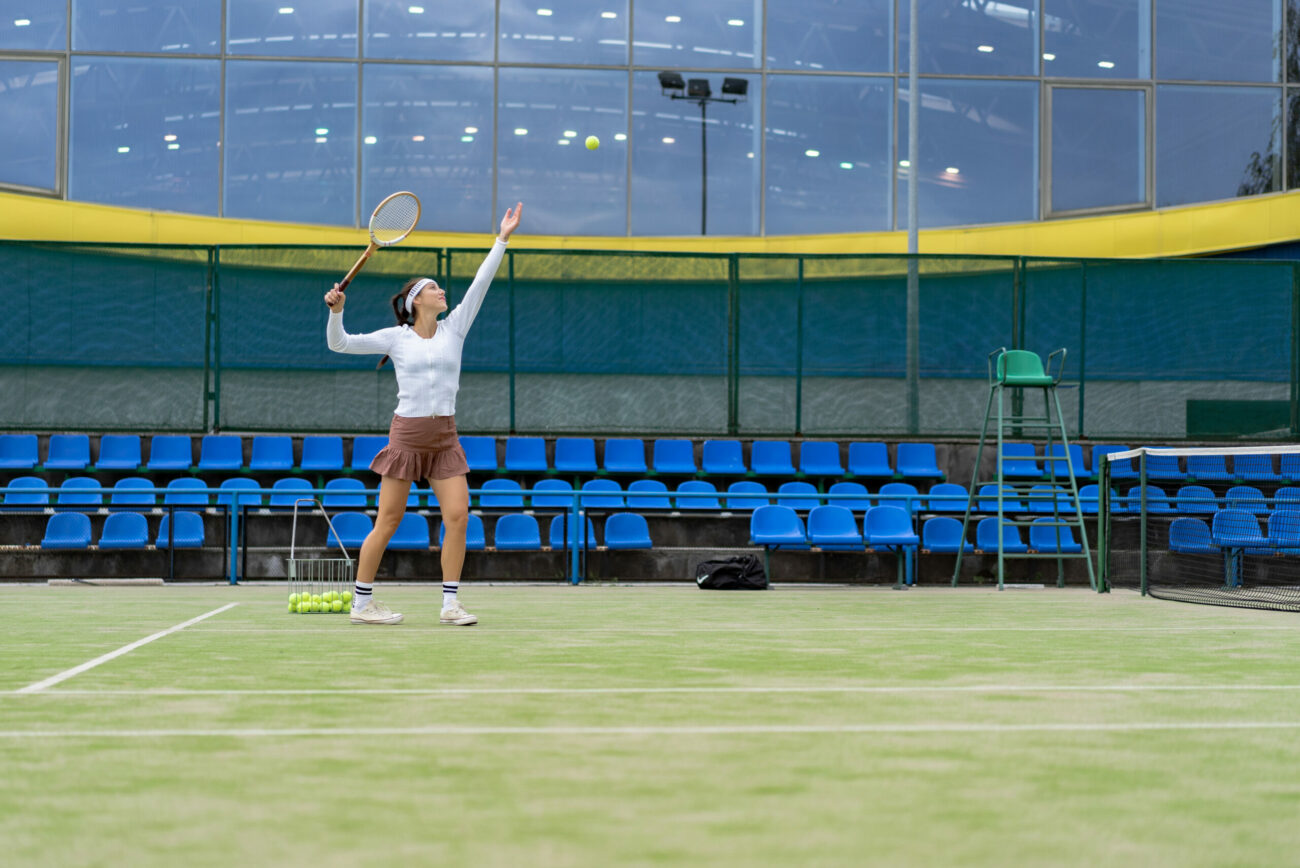
  • Fast Surface: Grass courts offer a very fast pace, which is ideal for players with a strong serve and aggressive style. The ball typically bounces low and fast, which benefits players who can quickly move in for volleys.
  • Unpredictable Bounce: One of the defining characteristics of grass courts is the unpredictable bounce of the ball. The grass wears down during play, creating uneven surfaces that can cause the ball to bounce in unexpected directions.
  • Slippery Surface: The slickness of the grass can make it difficult to maintain balance, requiring players to have quick footwork and stability.

Strategy on Grass Courts:

  • Serve and Volley: Grass courts are often considered the best for a serve-and-volley style of play, where players use their serve to set up an easy volley at the net.
  • Quick Points: Since the surface is fast, rallies tend to be shorter, favoring players who can hit powerful groundstrokes and finish points quickly.

Best Shoes for Grass Courts:

  • Soft-Footed Shoes: Specialized grass court shoes with a soft rubber sole or nubbed soles are ideal for traction and stability, helping players avoid slipping while moving quickly.

2. Clay Courts: The Slow Surface

Clay courts are widely regarded as the slowest surface in tennis. Used in tournaments like the French Open, clay courts favor defensive players who excel in longer rallies and have excellent endurance.

Characteristics of Clay Courts:

  • Slow Surface: The ball tends to slow down significantly on clay, which allows players to set up their shots more effectively. Players can afford to be more patient, waiting for an opportunity to strike a winner.
  • High Bounce: The ball bounces higher on clay courts compared to other surfaces. This high bounce allows players to hit powerful groundstrokes, making it easier to get into position for their next shot.
  • Consistency: Because of the slower speed, rallies on clay are generally longer, requiring players to have strong stamina and the ability to grind through long points.

Strategy on Clay Courts:

  • Baseline Play: Clay courts are ideal for players who like to rally from the baseline. A heavy topspin forehand and backhand are especially effective here, as the ball grips the surface and bounces higher.
  • Defensive Play: Clay courts favor players who can outlast their opponents in long rallies. Moving the opponent around the court and waiting for mistakes or errors becomes the key to success.

Best Shoes for Clay Courts:

  • Clay Court Shoes: These shoes have a herringbone tread pattern designed to grip the surface without digging into it. They allow players to slide into shots, which is a useful technique on this surface.

3. Hard Courts: The All-Rounder

Hard courts are by far the most common surface used in tennis, found in both professional tournaments and recreational clubs worldwide. Hard courts are typically made from asphalt or concrete, with a layer of acrylic surface paint to provide cushioning and consistency.

Characteristics of Hard Courts:

  • Medium Speed: Hard courts provide a balance between the speed of grass courts and the slow pace of clay courts. The ball bounces at a consistent height, allowing players to control rallies and set up points.
  • Consistent Bounce: The bounce on hard courts is predictable, which benefits players who rely on precise shot-making and consistency. Players can trust that the ball will land in the same spot time after time.
  • Durable Surface: Hard courts are incredibly durable and low maintenance, making them popular for both recreational and competitive play.

Strategy on Hard Courts:

  • All-Court Play: Hard courts allow for a combination of serve-and-volley and baseline rallies. Players need to adapt to both styles, using fast serves and aggressive shots but also knowing how to rally effectively.
  • Versatility: Since hard courts suit all playing styles, players can easily switch tactics based on their strengths. Players who are aggressive on both offense and defense tend to do well here.

Best Shoes for Hard Courts:

  • Durable Shoes: Since hard courts can be rough on shoes, it’s important to choose shoes with extra durability and cushioning. Look for shoes with extra support around the heel and toe, as well as hard-wearing rubber soles.

4. Indoor Courts: Weather-Proof Play

Indoor tennis courts are typically used when weather conditions are unfavorable for outdoor play. Indoor courts are either hard courts or synthetic surfaces, but their main difference lies in the fact that they’re completely enclosed.

Characteristics of Indoor Courts:

  • Consistent Conditions: Indoor courts are unaffected by weather conditions like wind or rain, providing a consistent environment for players to perform. There’s no interference from sunlight or outdoor elements, which can be both a positive and a negative.
  • Fast Pace: Many indoor courts are made from hard surfaces or synthetic materials, making them faster than outdoor clay courts and sometimes even faster than grass courts. This can be advantageous for players who prefer quick, aggressive play.

Strategy on Indoor Courts:

  • Power Game: Since indoor courts generally offer a faster pace, players often rely on strong serves and aggressive groundstrokes. It’s a surface that favors power players who can finish points quickly.
  • Predictable Play: Without the wind and sun to factor in, players can focus entirely on their technique, making it an excellent surface for practicing consistency and shot placement.

Best Shoes for Indoor Courts:

  • Non-Marking Shoes: Indoor courts require shoes with non-marking soles to prevent damage to the surface. These shoes are designed for traction and comfort without leaving marks or scuff marks.

Conclusion: Adapting Your Game to Court Surfaces

Each type of tennis court offers a unique experience, and understanding the surface you’re playing on can give you a strategic edge. Whether it’s the fast and unpredictable nature of grass courts, the slow grind of clay, the balanced pace of hard courts, or the controlled environment of indoor courts, each surface demands different tactics and physical conditioning.

As a player, it’s essential to adapt your style of play to suit the surface. On grass, hone your serve-and-volley game; on clay, focus on endurance and top-spin strokes; on hard courts, combine power and versatility; and in indoor play, embrace a fast-paced, aggressive approach. By mastering the differences in court surfaces, you can take your tennis game to the next level and be ready for whatever surface challenge comes your way.

Home
Shop
Wishlist0
Back to Top

Search For Products

Product has been added to your cart
Compare (0)