


From Jahangir to Nicol: The Greatest Squash Players To Have Ever Played The Sport

Squash may not have the global TV audiences of tennis or football, but among racket sports it has a reputation like no other—fast, brutal, tactical, and deeply respected by those who play it. Inside four white walls, players are pushed to the limits of stamina, speed, and skill. Matches often look like a blur of lunges, volleys, and impossible retrievals, yet behind the chaos lies years of discipline, training, and brilliance.

Throughout its history, squash has produced legends who didn’t just win matches—they redefined the game. Some were known for relentless fitness that ground down every opponent. Others dazzled with artistry, deception, or sheer dominance over an era. Their names—Jahangir, Jansher, Nicol, Sherbini—still echo in clubs and courts worldwide, inspiring new generations to pick up the racket.

But what makes someone the “greatest”? Is it an unbeaten streak that lasts half a decade? Is it holding the world number one spot for nearly a decade straight? Is it artistry that leaves fans breathless, or is it the cold, hard count of titles won? In truth, greatness is a blend of all these factors, and squash has been lucky to witness it across multiple eras, from Pakistan’s golden Khan dynasty to the modern Egyptian wave of champions.

In this article, we’ll look at the greatest squash players of all time—both men and women. From Heather McKay’s unmatched dominance to Nicol David’s decade at the top, from Jahangir Khan’s legendary streak to Ramy Ashour’s creative genius, we’ll celebrate the players who turned squash into a sport of legends.

Greatest Men’s Squash Players of all time

Jahangir Khan (Pakistan)
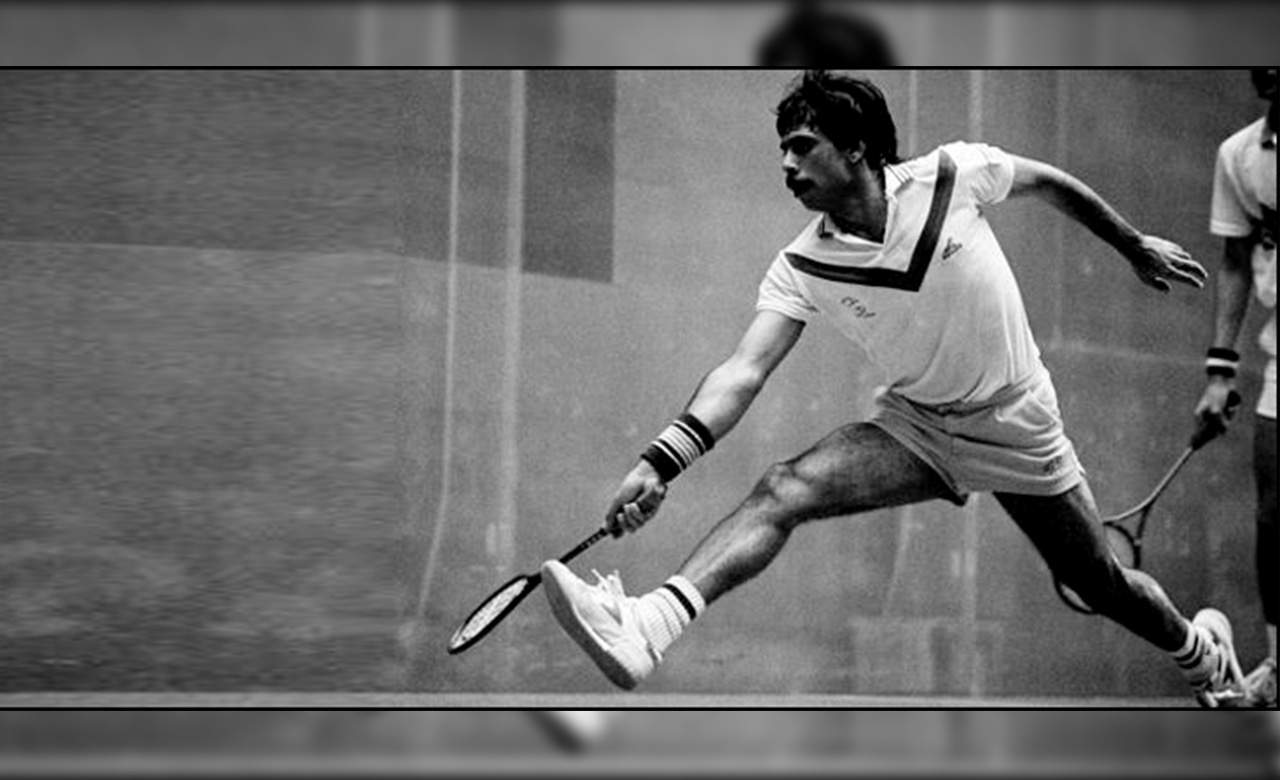
Jahangir Khan The Greatest Squash Player in the World - Economy.pk

Often first in any GOAT conversation, Jahangir went on a 555-match unbeaten streak spanning five years (1981–1986)—an anomaly in any racket sport. His fitness, mental strength, and ability to grind out wins set new standards. He won multiple World Opens and British Opens and dominated during the 1980s.

Jansher Khan (Pakistan)

Squash champion Jansher Khan playing a World Open final against his ...

Jansher is often paired with Jahangir in legacy debates. He holds eight World Championship titles, still the record for men. He also collected numerous major titles and remained world number 1 for long stretches. His rivalry with Jahangir defined a golden era of Pakistani dominance.

Geoff Hunt (Australia)
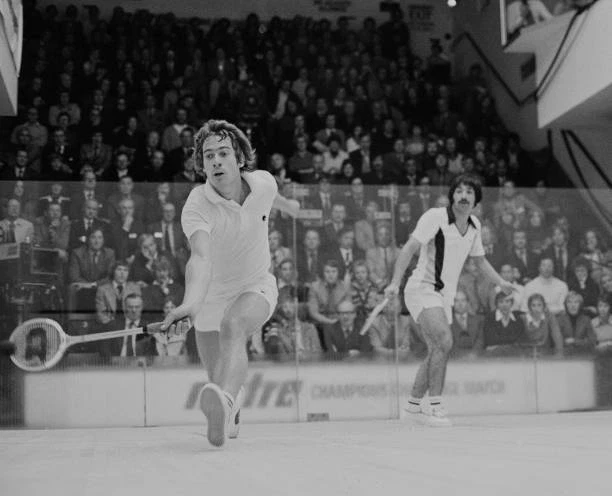
SQUASH AUSTRALIAN SQUASH Player Geoff Hunt In Action 1976 Old Photo EUR ...

Before the Khans, Geoff Hunt was a dominant force in the 1970s and early 1980s. He won multiple British Opens and was world number one for extended periods. His consistency, tactical intelligence, and adaptability made him a benchmark for later generations.

Peter Nicol (Scotland / England)

‘I Want To Improve Spanish Squash’ - Borja Golan Unveils Post ...

Nicol bridged eras with success in the late 1990s and 2000s. He won the World Championship and British Open, and was ranked world number one. He is respected for his shot-making and consistency across many seasons.

Ramy Ashour (Egypt)
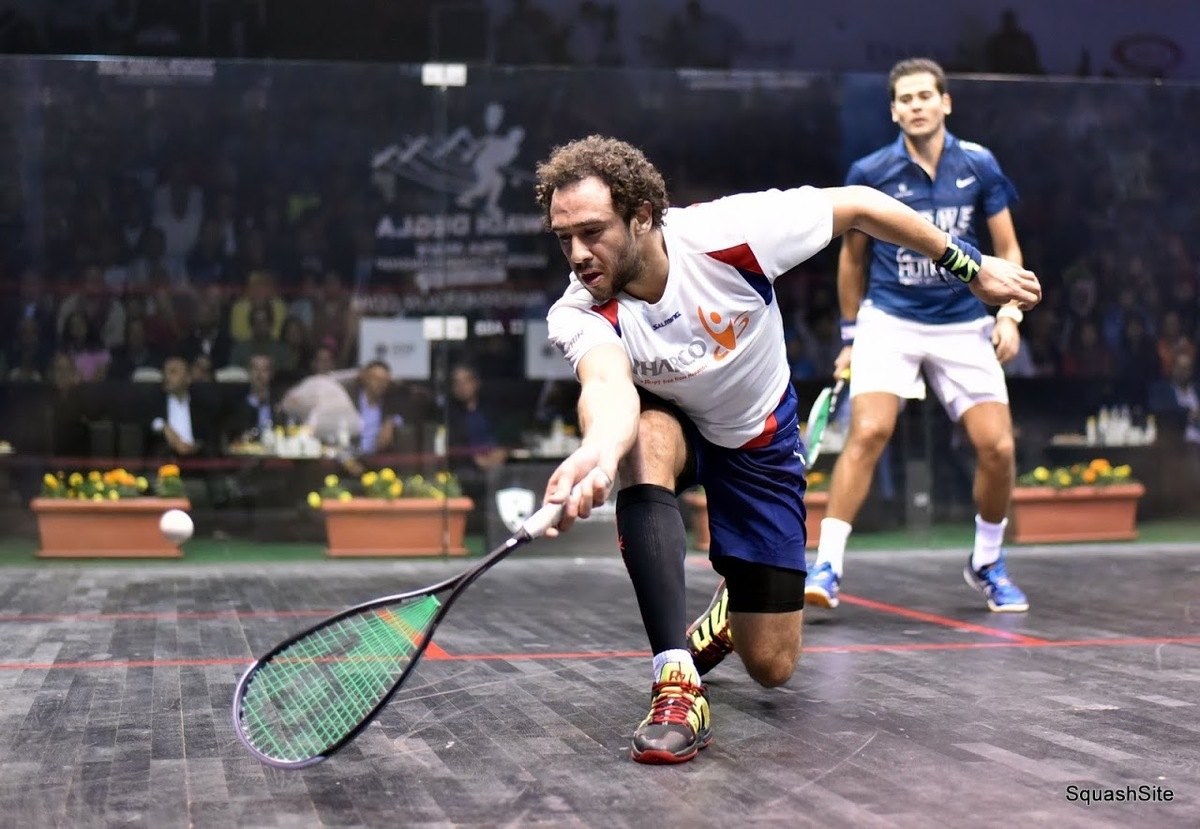
Ramy Ashour - Squash Source

One of the most talented and creative players ever. Ashour’s style was flamboyant—drop volleys, kills out of nowhere, deceptive shots. He won multiple world titles despite injuries hindering parts of his career. Many fans cite him as the “Ronnie O’Sullivan” of squash.

Modern Names

  • Ali Farag (Egypt): A balanced, intelligent player who blends power and control. He’s had multiple stints as world number one.

  • Mohamed El Shorbagy (Egypt): Aggressive, powerful, and fiercely competitive—he’s captured numerous major titles.

Greatest Women’s Squash Players of all time

Nicol David (Malaysia)
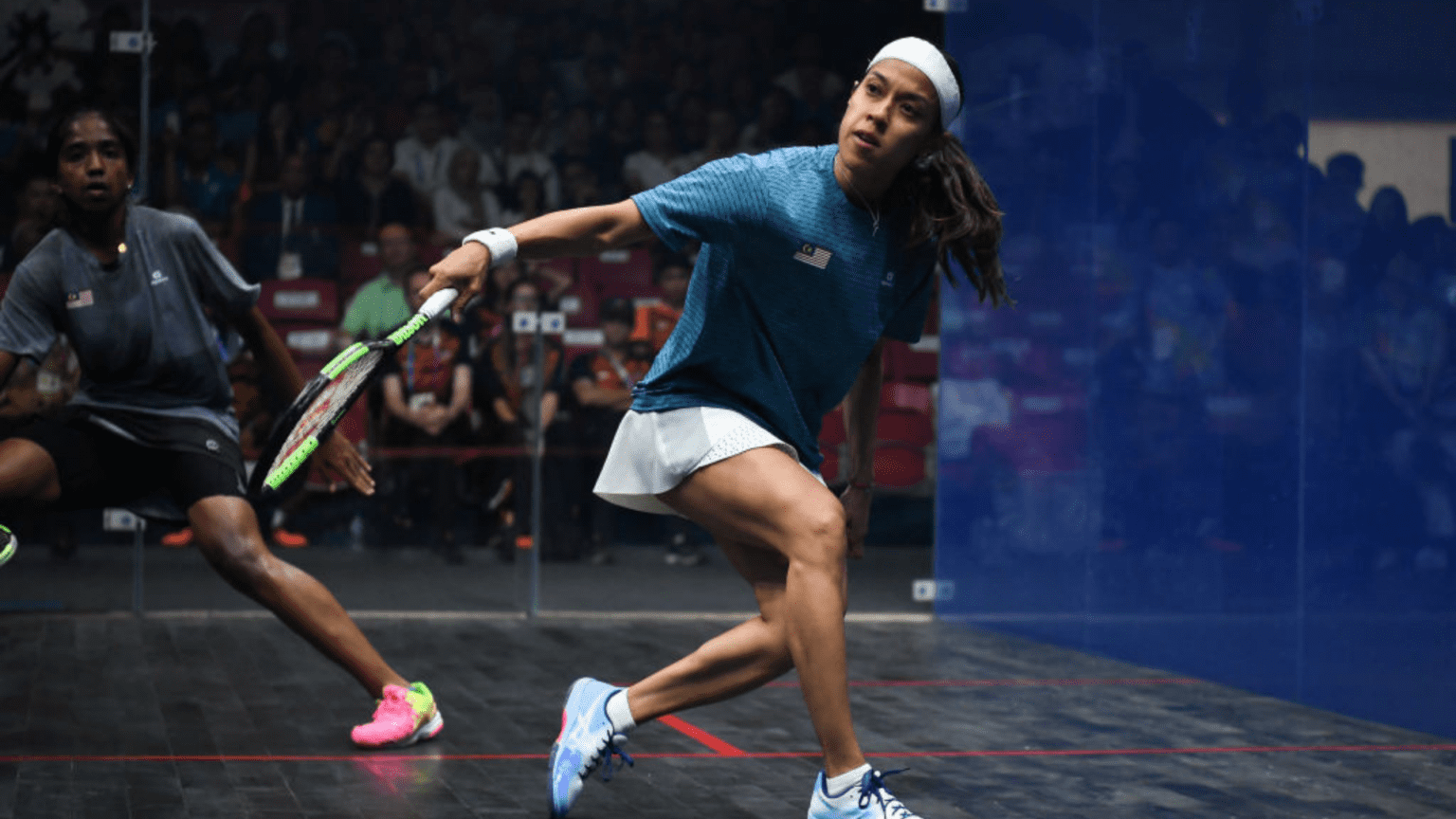
Malaysian Squash Star David Named World Games' Greatest Athlete of All ...

Widely regarded as the greatest female squash player of all time. She held World No. 1 for 108 consecutive months (2006–2015) and won eight World Championship titles. Her consistency, work ethic, and humility made her a role model globally.

Nour El Sherbini (Egypt)
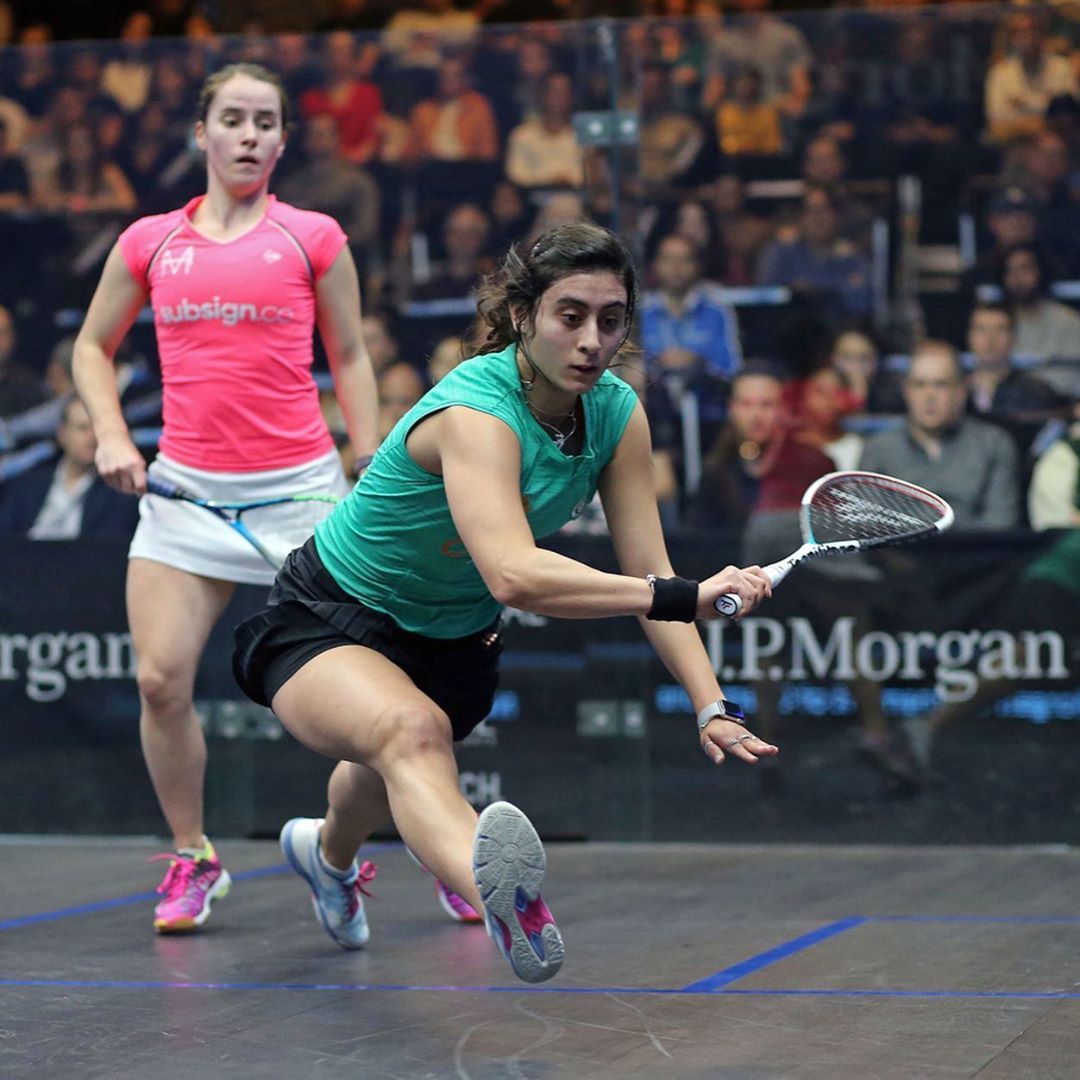
Nour El Sherbini - Squash Source

A modern icon. With her eighth world title in 2025, she matched Nicol David’s all-time women’s record. She has been a fixture at the top for more than a decade, combining nerves of steel with attacking flair and mental resilience.

Heather McKay (Australia)
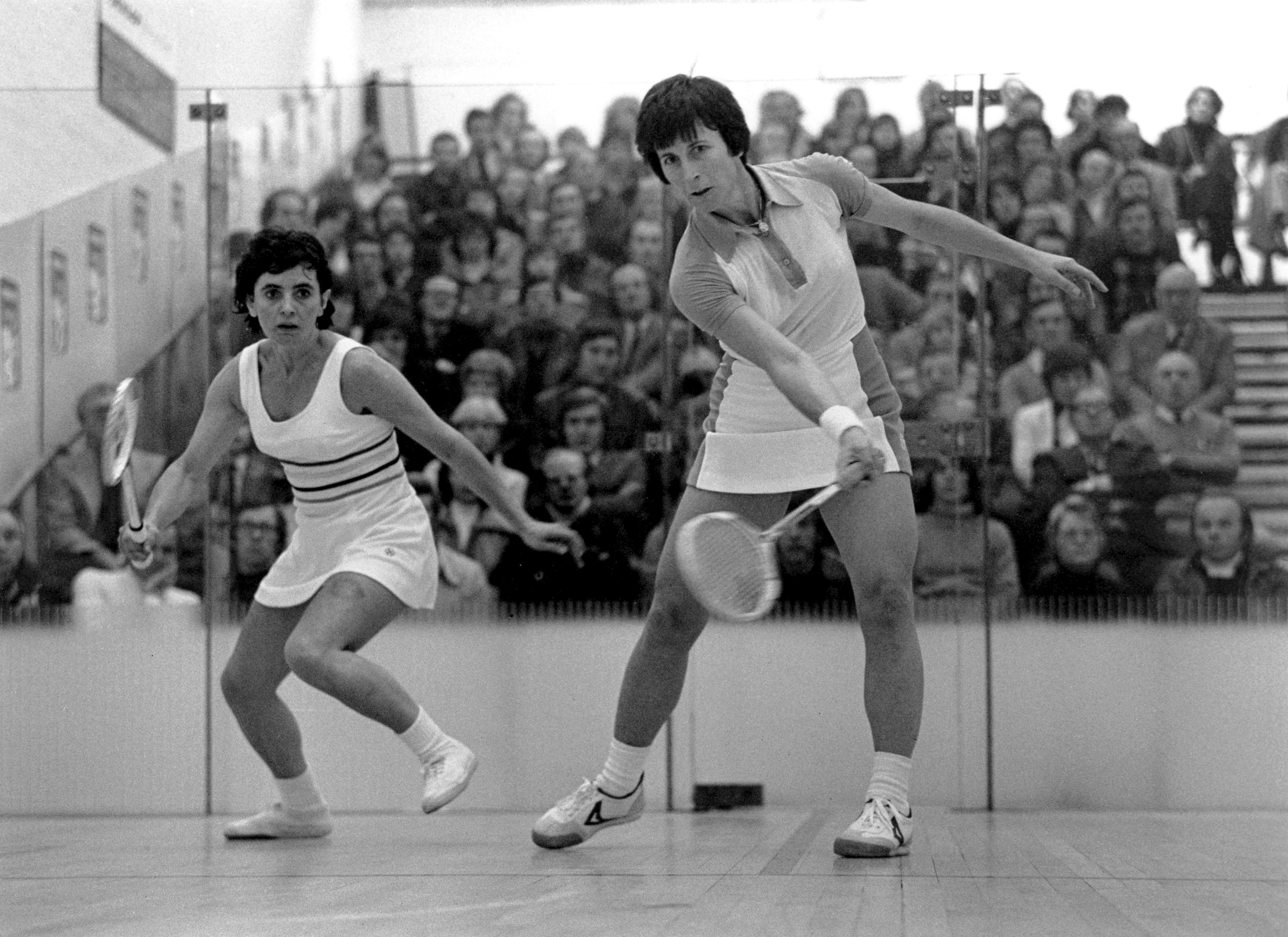
 

Heather McKay: Sport's greatest, mysterious record - PSA Squash Tour

A name from squash’s earlier eras, McKay remains legendary. She won 16 consecutive British Open titles from 1962–1977 and lost almost no matches in her prime. Her dominance in her time is unmatched, and many see her as a pioneer for women’s squash.

Susan Devoy (New Zealand)

Former world squash champion Susan Devoy stars in New Zealand reality ...

She held world number one status multiple times and captured world titles in the late 1980s and early 1990s. Her longevity and ability to sustain top-level performance make her one of the greats.

Sarah Fitz-Gerald (Australia)
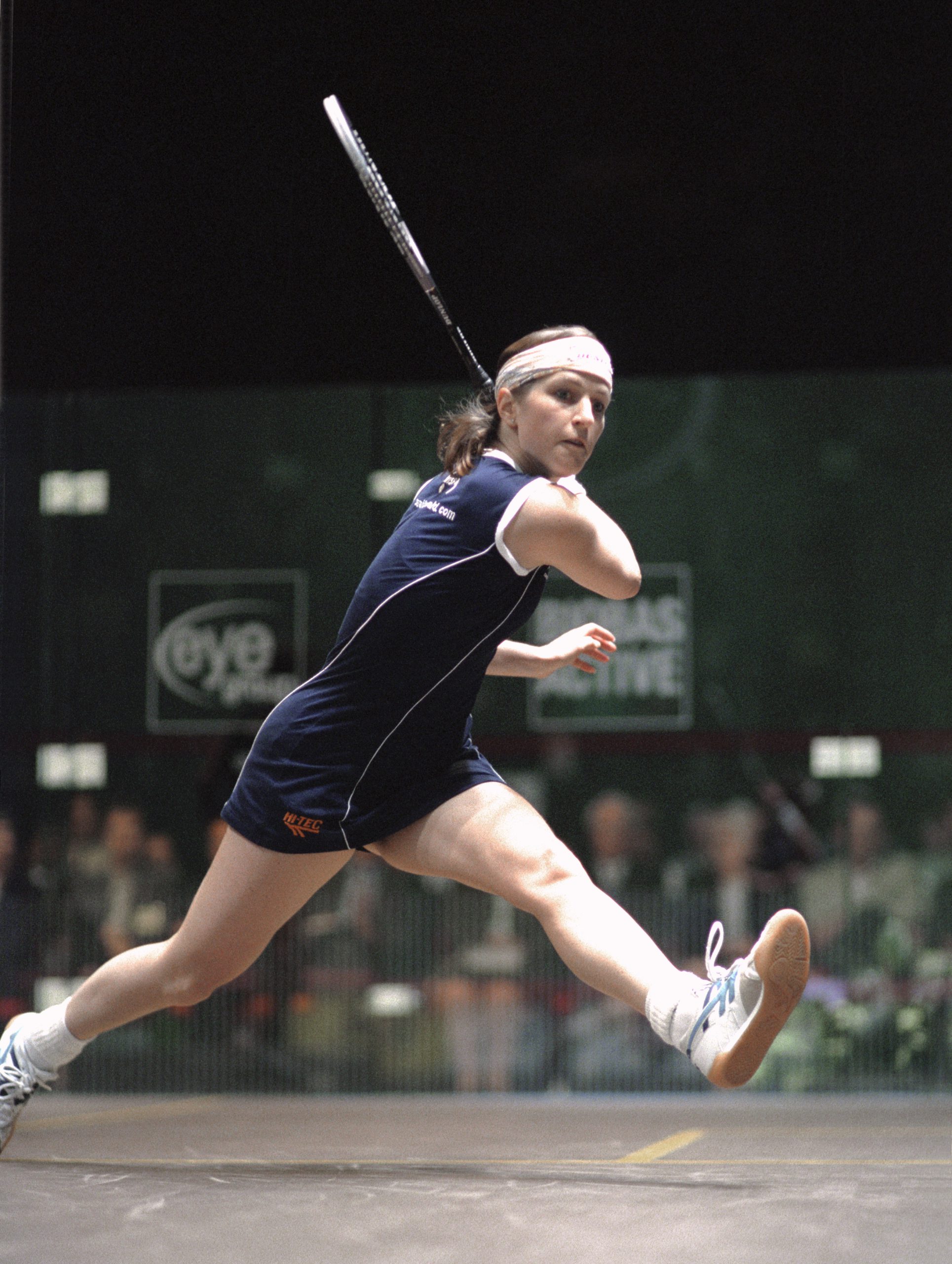
Australian Legend Sarah Fitz-Gerald Predicts 'Mammoth Battles' at ...

A dominant force in the 1990s, she won several World Championships and was often ranked at the top. Her style was tactical, precise, and mentally tough.

Final Rally

Greatness in squash can’t be measured by numbers alone. Yes, the stats are staggering—Jahangir Khan’s 555-match unbeaten streak, Jansher Khan’s eight World Championship titles, Nicol David’s 108 months at World No.1, Nour El Sherbini’s record-equaling eight world crowns—but beyond the records lies something more powerful. It’s the way these players changed the way squash was played, inspired nations, and left a legacy that outlives their time on court.

From Pakistan’s Khan dynasty that defined the sport in the 1980s and 1990s, to Australia’s Heather McKay and Sarah Fitz-Gerald who set impossible standards, to Nicol David’s reign that made squash a household name in Asia, to Egypt’s golden generation led by Nour El Sherbini and Ramy Ashour—each era brought a different flavor of dominance. Together, they form a lineage of champions whose impact transcends trophies.

Ask ten squash fans who the greatest player of all time is, and you may get ten different answers. For some, it’s the unbeatable aura of Jahangir Khan. For others, it’s Nicol David’s longevity and grace under pressure. Some will point to the artistry of Ramy Ashour, others to the steely resolve of Jansher or Sherbini. The truth is, there isn’t one single “greatest.” There are many, each carving their name into squash history in their own way.

What unites them is their ability to make the game bigger than themselves. They showed us that squash is not just about chasing a ball in a box—it’s about resilience, creativity, and the pursuit of perfection. And that’s why when we talk about the greatest squash players of all time, we’re not just counting titles—we’re celebrating the spirit of a sport that continues to inspire, challenge, and thrill.

Top Squash Drills to Improve Stamina and Reflexes

Squash is a sport of extremes—your lungs burn from relentless rallies, while your brain fires split-second decisions at lightning speed. One moment you’re chasing a ball deep into the corner, the next you’re lunging forward for a drop shot you barely saw coming. To thrive in this environment, two things matter most: stamina and reflexes.

Stamina keeps you moving with energy even in the fifth game, while reflexes give you the sharpness to intercept volleys, read opponents, and react in time. The good news? Both can be trained with court-based drills that mimic real match demands.

Below, you’ll find a set of practical squash drills designed specifically to build endurance, sharpen reactions, and give you the edge in every rally.

1) Ghosting Intervals

Court movement without the ball. Sprint from the T to all corners, lunge properly, and recover. Builds stamina and footwork memory.

Protocol: 30s on, 30s rest × 8. Increase to 45s on, 20s rest as you progress.

2) Boast–Drive Routine

With a partner: Player A boasts, Player B drives straight, repeat. Builds lung capacity while training front-to-back movement.

Protocol: 3 minutes continuous × 4 sets. Switch roles each set.

3) Corner Repeaters

Feed balls alternately to front and back corners, forcing quick recoveries. Simulates real rally patterns.

Protocol: 45s work, 20s rest × 6.

4) Figure-8 Volleys (Solo)

Volley the ball in a looping pattern between the side walls without letting it bounce. Enhances racket control and reaction time.

Protocol: 30s continuous × 6. Count unbroken streaks to track progress.

5) Two-Ball Reaction Drill

Partner feeds two balls randomly in quick succession. Forces instant decision-making and sharp hands.

Protocol: 20s on, 20s off × 10.

6) Anticipation Drops

Feeder mixes boasts, crosscourts, and drops. The receiver must read cues and respond instantly.

Protocol: 12 feeds × 3 sets. Switch roles.

7) Reaction Ball Bounces (Off-Court)

Use a reaction ball against a wall or floor. The odd bounces mimic unpredictable squash ricochets.

Protocol: 6×30s bouts with 30s rest.

8) Shuttle Sprints (15/15s)

Sprint from baseline to front wall and back. Repeat until the timer ends. Builds explosive stamina.

Protocol: 15s sprint, 15s rest × 12–16.

9) Serve–Volley Trap

Serve, sprint to the T, and volley the first return. Improves reflexes and conditioning simultaneously.

Protocol: 3×3 minutes per side.

10) King/Queen of the T (Conditioned Game)

Play mini-games where volleys and rails are the only shots allowed. Fast-paced, reflex-heavy, and tiring.

Protocol: First to 5 points, rotate.

Final Rally

Squash is often called “the world’s fittest sport” for a reason—it pushes both your body and brain to their limits. By adding these squash drills to your weekly routine, you’ll build the stamina to outlast your opponents and the reflexes to outsmart them.

Remember: stamina lets you reach the ball; reflexes let you strike it back. Together, they turn rallies from desperate scrambles into winning opportunities. Train both, and you’ll not only survive the pace of squash—you’ll thrive in it.

Felet Duora 10 Badminton Racket Review: The Ultimate All-Round Performer

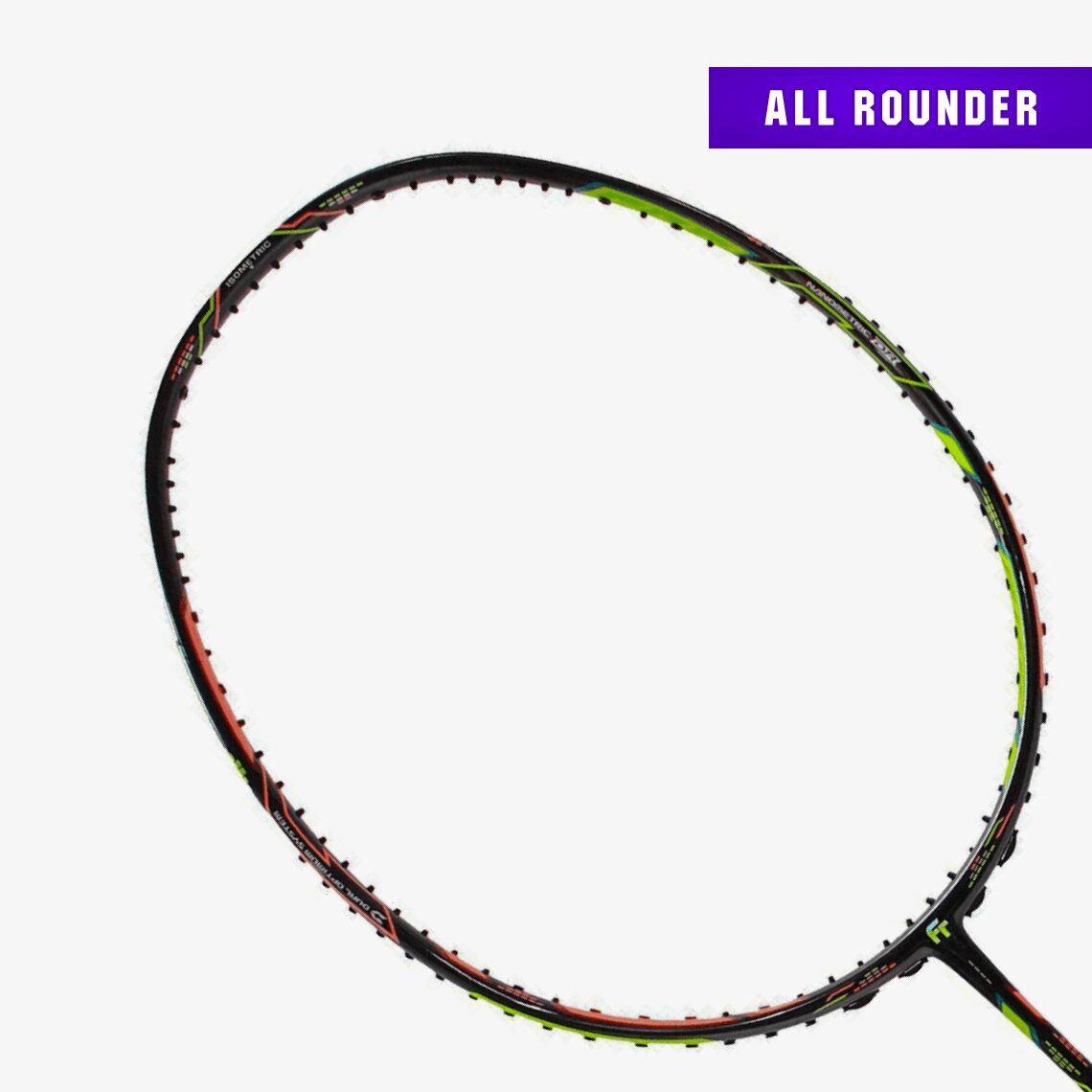
In the world of badminton rackets, there are attacking rackets, defensive rackets, and then there are the rare few that excel in every area of the game. The Felet Duora 10 belongs firmly in that last category. Developed in Malaysia and inspired by the legendary Yonex Duora 10 in terms of cosmetics, the Felet Duora 10 is a true all-round racket that delivers power, control, speed, and precision in one sleek package.

Having been tested in countless tournaments over the past three years, this racket has consistently proven its worth. Whether it’s smashes, net play, parallel drives, or rock-solid defense, the Felet Duora 10 has the versatility to adapt to any playing situation.

PERFORMANCE: Power, Control, and Accuracy

The Felet Duora 10 is built for balance. It’s not overly stiff, nor overly flexible, and the weight distribution ensures that you can switch seamlessly between offensive and defensive play.

Power:

Weighing around 85–86g, this racket is light enough for fast swings but carries enough mass in the frame to produce deep clears and powerful smashes. In singles, it gives you the penetration needed to finish rallies, and in doubles, it allows for quick, controlled attacking shots without sacrificing speed.

Control:

The Felet Duora 10 truly shines in control and placement. At the net, you can play tight spinning net shots and quick kills with ease. For doubles play, parallel strokes and flat exchanges feel sharp and well-directed.

Accuracy:

The racket’s design helps maintain shot precision even during high-speed rallies. Whether you’re going for a crosscourt block, a straight drive, or a defensive lift, the Felet Duora 10 responds with stability and consistency.

Verdict: An all-rounder’s dream — gives you power when you need it, finesse when you demand it, and stability throughout.


BUILD & DURABILITY: Malaysian Craftsmanship at Its Best

One of the standout aspects of the Felet Duora 10 is its build quality. Made in Malaysia, the craftsmanship and finish are excellent, with attention to detail in both the frame and shaft design.

  1. Frame Material: High-quality carbon construction provides a solid feel while keeping the racket light and maneuverable.
  2. Weight & Balance: At 85–86g, the Felet Duora 10 sits in the 3U range, striking a perfect balance between stability and swing speed.
  3. Durability: Even after extended use in competitive play, the frame maintains its structural integrity, and the shaft stiffness holds up well over time.

Verdict: Built to last — a racket that can withstand the demands of both club play and high-level tournaments.


COMFORT: Effortless Play Across All Areas

The Felet Duora 10 offers a comfortable and responsive feel that makes it equally enjoyable for singles and doubles players.

  • Handling Speed: The aerodynamic frame profile allows for quick recovery between shots, making it easy to handle back-to-back smashes or rapid exchanges at the net.
  • Swing Comfort: Balanced weight distribution means there’s no excessive strain on the wrist or shoulder, even in long rallies.
  • Versatility: Feels just as good when hammering a smash as it does when playing delicate drop shots.

Best For: Players who like to mix up their playstyle — attack when the opportunity arises, defend when needed, and dominate at the net.


VALUE FOR MONEY: Premium Performance Without the Premium Price

While the Yonex Duora 10 comes with a premium price tag, the Felet Duora 10 delivers similar looks and all-round performance at a far more accessible price. For players who want a versatile, competition-ready racket without overspending, it’s a fantastic deal.

  • Comparable Feel to Yonex Duora 10: Inspired cosmetics and similar playing characteristics.
  • Durability: Built to withstand years of play — this is a racket you can keep in your bag season after season.
  • Performance-to-Price Ratio: Offers top-level all-round play for a mid-range cost.

Verdict: An excellent investment for any player who values versatility and quality craftsmanship.


 PROS & CONS

 Pros:

  • True all-round performance — excels in attack, defense, and net play
  • Similar cosmetic appeal to Yonex Duora 10
  • Ideal weight (85–86g) for stability and speed
  • Great for both singles and doubles
  • Durable Malaysian construction
  • Smooth, responsive feel for all shot types

 Cons:

  • Not as specialized as pure attacking or pure defensive rackets
  • Players used to ultra-stiff shafts may find it slightly more forgiving
  • Cosmetic similarity to Yonex Duora 10 may be mistaken for imitation by casual observers


GOS SCORE: Final Rating from God of Sports

Parameter Rating
Power ⭐⭐⭐⭐☆ (4.5/5)
Control ⭐⭐⭐⭐⭐ (5/5)
Accuracy ⭐⭐⭐⭐⭐ (5/5)
Build & Durability ⭐⭐⭐⭐☆ (4.5/5)
Comfort ⭐⭐⭐⭐⭐ (5/5)
Value for Money ⭐⭐⭐⭐⭐ (5/5)
Overall GOS Score ⭐⭐⭐⭐⭐ (4.8/5)


 Final Thoughts: The Best All-Round Racket in Its Class

The Felet Duora 10 is a badminton racket that refuses to be pigeonholed. Whether you’re attacking from the backcourt, blocking at the net, or counter-attacking in defense, it delivers the performance you need. Its balanced nature makes it perfect for players who want one racket that can do it all.

Who is it best for?

  • Players who play both singles and doubles
  • Players looking for a balanced racket with no weak spots
  • Anyone seeking an affordable alternative to the Yonex Duora 10 with comparable performance

If you want a racket that has proven tournament experience, versatile performance, and timeless looks, the Felet Duora 10 deserves a place in your bag.


 Play your best game every game. Get the Felet Duora 10 now at www.thegodofsports.com and experience all-round excellence on court.


Still not sure you want to buy this badminton racket? Watch our full video review and make the choice:


The Art of the Serve: Squash Serving Techniques for Beginners

A great serve in squash is like a well-scripted opening scene—it sets the tone, steals time from your opponent, and gives you first claim to the T-position. For beginners, mastering a few simple, high-percentage serves (and knowing when to use them) can turn stressful first rallies into controlled, winnable points. This guide breaks down the rules, footwork, core serve types, placement targets, and easy drills so your serve becomes a reliable weapon—not just a formality.

First, know the serve rules (so you don’t give away free points)

  • Foot placement: At least one foot fully inside the service box (not touching the lines) when you strike the ball.
  • Front wall target: Your serve must hit the front wall above the service line.
  • Landing zone: After the front wall, the ball must land in the opposite back quarter (it may touch side/back walls after the front wall and still be good).
  • Alternating boxes: Win a point, switch boxes for the next serve.
  • Faults to avoid: Side wall before front wall, ball below the service line (down), ball out above the out line, or landing in the wrong quarter.

If you’re clean on these, you’ll keep pressure on the receiver from rally one.

Serve setup: stance, grip, and contact

  • Grip: Neutral “handshake” grip; keep pressure relaxed (4–6/10), tighten briefly at contact.
  • Stance: Shoulders roughly parallel to the side wall; back foot near the rear corner of the service box, front foot pointing slightly toward the front wall target.
  • Ball toss: Think “drop” rather than a high toss—waist-to-chest height so contact is repeatable.
  • Contact point: Slightly in front of your front hip; extend the arm and finish high for height/shape.
  • Hold the pose: A still head and balanced finish improve consistency—and disguise.

The four beginner-friendly serves (with when to use each)

1) The High Lob Serve (bread-and-butter)

What it is: A high, arcing ball that hits the front wall just above the service line and floats deep into the back corner of the opposite side—ideally hugging the side wall after the bounce.

Why it works: It buys you time to recover to the T, forces the receiver to hit under pressure near the glass, and limits their attacking volley.

How to hit it:

  • Aim just above the service line on the front wall.
  • Open the racket face slightly; think “lift,” not “drive.”
  • Visualize a landing point two racquet lengths from the back wall and one racquet width from the side wall.

Common mistake to avoid: Too low (sits up to volley) or too central (easy return). Miss high and wide, not low and middle.

2) The Body Serve (jammer)

What it is: A faster, shoulder-to-hip-height serve that heads toward the receiver’s body on their backhand side (for most players) before bouncing deep.

Why it works: It crowds their swing, forcing a weak, short return you can pounce on.

How to hit it:

  • Aim at the front wall target that projects a line through the receiver’s torso.
  • Keep the trajectory flatter than a lob but not reckless—think controlled pace.
  • Recover to the T quickly; body serves often come back fast.

Use it when: Your opponent is stepping early to volley your lobs or standing too close to the side wall.

3) The Width Serve (side-wall kiss)

What it is: A medium/high serve that clips the side wall shortly after the front-wall hit, then drops steeply into the back quarter.

Why it works: The early side-wall contact changes angle and kills pace, making timing awkward.

How to hit it:

  • From the right box, aim left-of-center on the front wall (mirror from the left box).
  • Visualize a V-shaped path: front wall → near side wall → deep corner.
  • Keep height generous; width without height is a sitter.

Use it when: Opponents like to take the ball early; the side-wall kiss steals their comfort.

4) The Flat Drive Serve (surprise change-up)

What it is: A lower, quicker serve that hits above the service line but travels flatter and lands near the back boundary quickly.

Why it works: As a surprise—not a staple. It rushes the receiver and invites a short, defensive reply.

How to hit it:

  • Contact slightly earlier and drive through the ball.
  • Aim just above the service line; keep it tight to the side wall.
  • Use sparingly; a miss hits the tin or sits up to be punished.

Use it when: You’ve established height with lobs and your opponent is backing off, expecting another one.

Box-by-box tactics: which side favors which serve?

  • From the right box (to left back quarter):
    Most right-handers receive backhand here. Favor high lob and width to pin them; sprinkle in body serves to the hip/racket-hand.
  • From the left box (to right back quarter):
    You’re often serving to their forehand. Use higher, deeper lobs (less jam potential) and the side-wall width to move them late.

General rule: Target the receiver’s weaker wing (usually backhand) more often, but keep mixing height/angle/pace to avoid patterns.

Serve placement: think targets, not just types

Picture each back quarter as a 3×3 grid (front-to-back, wall-to-center):

  1. Back-wall nick zone (deep & wide): Primary lob target.
  2. Shoulder/hip corridor: Body serve lane to jam the swing.
  3. Side-wall kiss lane: Early side-wall contact to distort timing.
  4. Deep central strip: Risky—avoid unless it’s a planned flat drive surprise.

Coaching cue: “Miss wide, miss high.” If you’re going to miss, sail it close to the out line rather than drop it short and central.

The serve + first step: claim the T

Serving is only half the opener; your recovery is the other half.

  • Serve → two fast recovery steps → split step at the T.
  • Racket up, eyes on opponent.
  • If your serve is strong (late/awkward return), look to volley the first reply and keep the opponent behind you.

Bad habit to kill: Watching your serve instead of moving. Hit, move, then read.

Reading the receiver (and adapting mid-match)

  • If they volley early: more height and width; lift the contact point on the front wall.
  • If they stand off the back wall: flatten the trajectory or body-serve into their stance.
  • If they chip short crosscourt: follow your serve into the T and be ready to intercept with a volley straight drive or drop.
  • If they boast frequently, expect it from cramped positions—recover slightly forward after serving to pounce.

Serve patterns should evolve; note what drew the worst return and repeat with variation (same height, different lane; same lane, different pace).

Five simple serve drills (10–12 minutes each)

  1. Lob Ladder
    Aim for front-wall height bands: just above service line → halfway to out line → ¾ height. 10 makes per band from each box.
  2. Deep-Corner Bingo
    Place two cones: one a racquet width from the side wall, one two racquet lengths from the back wall. Score a point for each serve that lands between them and dies near the glass.
  3. Body-Line Accuracy
    Have a partner stand at the typical receiving spot. Chalk a chest-high target on the front wall. Hit through the torso line without over-hitting; 20 reps/box.
  4. Width Kiss Builder
    Mark a rectangle on the side wall about 1.5–2 m behind the short line. Serve so that the ball touches that rectangle after the front wall. 15 clean kisses/side.
  5. Serve + First Volley
    Serve, recover to the T, partner returns anywhere; your only goal is to volley the first return and play length (straight rail). 3 sets × 3 minutes, switch roles.

Final Rally

In squash, you don’t need a dozen fancy serves—you need two or three you trust and the discipline to recover to the T after you hit them. Master a high lob that dies deep, a body serve that jams the backhand, and a width serve that kisses the side wall. Layer in smart placement, crisp footwork, and a first-volley mindset, and you’ll start every rally on your terms.

Serve with purpose, recover with intent, and let your opponent be the one reacting. That’s the art of the serve—and the fastest way for beginners to feel in control from the very first shot.

A Complete Guide to Squash Court Markings and Dimensions

Four walls, a small ball, and countless lines—if you’re new to squash, the court can look more like a puzzle than a playing field.

The first time most beginners step onto a squash court, they notice the maze of red or white lines crisscrossing the floor and walls. It’s not always clear where to stand, how the serve works, or why some balls are “in” and others are “out.” But once you understand the markings and their purpose, the chaos melts into clarity. Those lines aren’t random—they’re the blueprint that keeps squash fast, fair, and tactical.

This guide will walk you through the court layout and markings in squash, explaining what each line means and how it shapes the game. By the end, you’ll not only know where to stand but also how to use the court to your advantage.

1) Dimensions of a Squash Court

A standard singles squash court is:

  • Length: 9.75 meters (32 feet)

  • Width: 6.4 meters (21 feet)

  • Front wall height: 4.57 meters (15 feet)

  • Back wall height: 2.13 meters (7 feet)

Doubles courts are slightly wider (7.62 meters or 25 feet), but the markings are similar.

2) Floor Markings

Service Boxes

  • Two small squares near the front of the court.

  • The server must have one foot fully inside a box during the serve.

  • The ball must then land in the opposite back quarter.

Short Line

  • A line that runs across the court halfway between the front and back walls.

  • It divides the front and back of the court and is essential for serving.

Half-Court Line

  • Runs from the short line to the back wall, splitting the back of the court into left and right service areas.

  • Used to determine which quarter of the court the serve must land in.

3) Wall Markings

Out Line

  • Runs along the very top of the court walls.

  • Any ball that touches above this line is out.

Service Line

  • Horizontal line across the front wall, about halfway up.

  • During a serve, the ball must hit above this line.

Tin

  • The lowest boundary on the front wall, usually a metal strip.

  • If the ball hits the tin, it’s “down,” and the rally ends.

  • Think of it like the “net” in tennis.

4) The T-Position (Unmarked but Crucial)

While not an official marking, the T-position (where the short line and half-court line intersect) is the most important spot on the court. Controlling this central area allows players to reach shots in any direction quickly.

5) How the Markings Shape Play

  • Serving: The service boxes, short line, and half-court line dictate where the server stands and where the ball must land.

  • Rallies: The tin, out line, and front wall keep shots within playable boundaries.

  • Positioning: Players constantly return to the T to cover the court efficiently.

Quick Recap for Beginners

  • Serve with one foot in the service box.

  • The ball must cross the short line and land in the opposite back quarter.

  • Keep shots above the tin and below the out line.

  • Control the T for better positioning.

Final Rally

At first glance, a squash court might look like a confusing patchwork of lines and boundaries. But once you understand what they mean, the markings reveal the sport’s structure: where rallies begin, how points are won, and why positioning matters so much.

The court is more than just a playing surface—it’s a strategic map. The service boxes test your precision, the out lines demand control, and the T-position rewards smart movement. Master the layout, and you’ll not only follow the rules but also start using the court as a weapon in your game.

So next time you step onto the court, don’t just see the lines—play with them, around them, and within them. That’s where the real beauty of squash lies.

Essential Rules of Squash Every Player Should Know

From the moment the ball ricochets off the wall and you scramble to return it, you realize squash isn’t just about speed—it’s about precision, strategy, and respect for the rules that shape the game. For newcomers, though, stepping onto the court can feel confusing. Why so many lines? How does the serve really work? And what happens when you and your opponent collide in the middle of a rally?

That’s where the rules come in. They don’t just keep the game fair; they keep it safe, structured, and thrilling to play. Squash is often described as “chess at high speed,” and like chess, every move matters—but only if you know the framework guiding those moves.

In this guide, we’ll unpack the essential rules of squash every player should know. From court boundaries and scoring to lets, strokes, and simple etiquette, you’ll have everything you need to step on court with confidence and enjoy the game the way it’s meant to be played.

1) The Court and Boundaries

A squash court is a rectangular box, enclosed by four walls and the floor. The walls have markings that act as boundaries:

  • Out line: The topmost line around the court. Any ball above it is out.
  • Service line (front wall only): Used during serves; the ball must hit above this line when served.

  • Tin: The metal strip at the bottom of the front wall. If the ball strikes the tin, the rally ends.

  • Floor markings: The service boxes (small squares near the front) and lines that split the court into left/right and front/back zones.

Learning these lines is the first step to understanding how a rally plays out.

2) How the Serve Works

Every rally begins with a serve, and it has its own rules:

  • The server must have at least one foot fully inside the service box (not touching the lines).

  • The ball must hit the front wall above the service line and land in the opposite back quarter of the court.

  • If the serve hits the side wall before the front wall, it’s a fault.

  • Players alternate service boxes after winning points.

Tip: For beginners, the lob serve—high and deep into the back corner—is the most reliable way to start a rally.

3) Scoring Rules

Squash uses the point-a-rally (PAR) to 11 system:

  • Each rally won earns a point, regardless of who served.

  • Games are played to 11 points, but you must win by at least 2 points (e.g., 12–10, 14–12).

  • Matches are usually best of 3 or best of 5 games.

This scoring keeps matches fast and competitive.

4) How a Rally Works

Once the ball is in play:

  • Players hit the ball alternately.

  • The ball must hit the front wall before bouncing a second time on the floor.

  • It can hit side or back walls before reaching the front wall, as long as it doesn’t go out or strike the tin.

  • Players must clear space after their shot so the opponent has direct access to the ball.

Rallies continue until a player makes a mistake or a winning shot is played.

How to Play Squash: A beginner's guide

5) Let and Stroke Decisions

Since both players share a confined space, interference happens often. That’s where the let and stroke rules apply:

  • Let: A rally is replayed if interference prevents a fair shot, but no clear winner was denied. Example: your swing was blocked slightly but you could have retrieved the ball.

  • Stroke: A point is awarded to you if your opponent blocks your direct path to the ball, preventing a winning or safe return.

  • No let: If the interference is minimal and didn’t affect your ability to play the shot, play continues.

Golden rule: Always move out of the way after your shot. Clearing space is just as important as hitting the ball.

6) Safety Rules

Squash is safe when played with respect, but accidents happen if rules aren’t followed:

  • Never swing if your opponent is too close—call a let instead.

  • Always give your opponent direct access to the ball.

  • Wear protective eyewear in competitive or club play.

Safety ensures longer rallies and better games.

7) Common Faults to Avoid

  • Double bounce: Ball bounces twice before you return it.

  • Down: Ball hits the tin or floor before the front wall.

  • Out: Ball goes above the out line or outside boundaries.

  • Serve fault: Incorrect foot placement or serve landing in the wrong area.

Knowing these will save you from confusion mid-match.

8) Match Etiquette (Unwritten Rules)

Beyond official rules, etiquette keeps the game enjoyable:

  • Start and end with a handshake (or racket tap).

  • Call “let” clearly and fairly.

  • Retrieve balls quickly between points.

  • Wipe sweat patches if the floor gets slippery.

Good etiquette makes you the kind of opponent everyone enjoys playing against.

9) Beginners’ Quick Checklist

  1. Serve with one foot in the box.

  2. Ball must hit the front wall before bouncing twice.

  3. Keep shots above the tin and below the out line.

  4. Recover to the T after each shot.

  5. Always clear space for your opponent.

Final Rally

Squash may look like chaos from the outside—two players darting around a box, balls zipping in every direction—but once you know the rules, the chaos transforms into clarity. Every line, every serve, every call of “let” or “stroke” adds structure to the speed, making the rallies fair, competitive, and exhilarating.

For beginners, the rules are your foundation. They keep you safe, help you understand what’s happening in each rally, and allow you to focus on developing your skills instead of second-guessing the game. Mastering these essentials—court boundaries, serving, scoring, and etiquette—means you can step onto any court in the world and play with confidence.

So the next time you hear the ball crack against the front wall, you won’t just be reacting—you’ll know exactly what to do, where to stand, and how to keep the rally alive. And that’s when squash becomes what it’s truly meant to be: fast, fair, and fiercely fun.

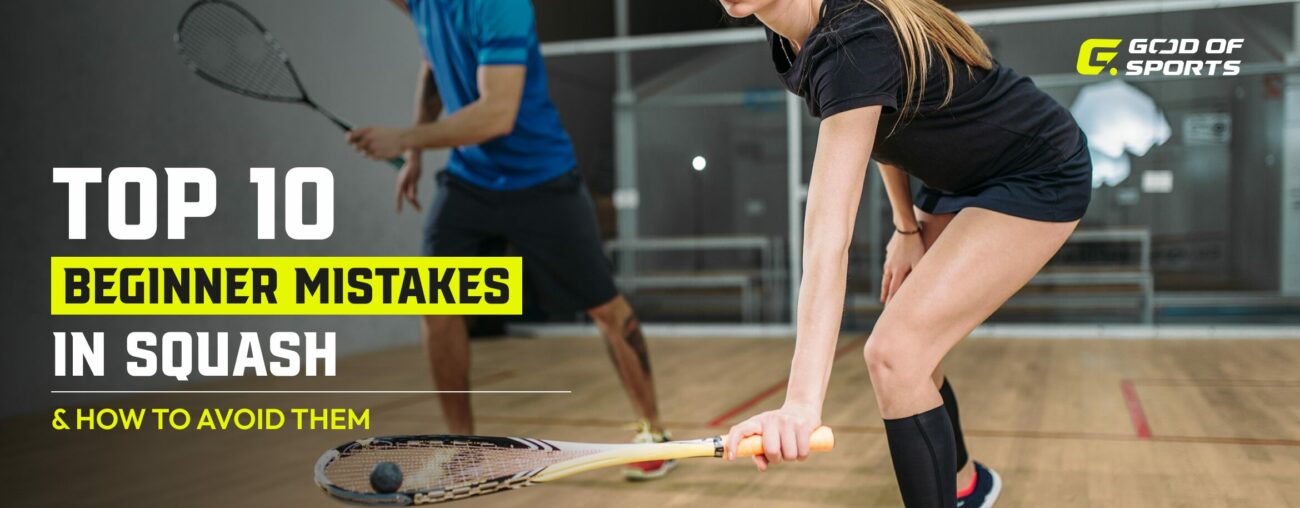
Top 10 mistakes every squash beginner makes

Top 10 Beginner Mistakes in Squash and How to Avoid Them

Squash is fast, intense, and endlessly rewarding—but it can also feel overwhelming when you’re new. Many beginners jump on the court full of energy but quickly find themselves chasing the ball, hitting wildly, or losing points to simple errors. The good news? Most of these struggles come from a few common mistakes that can be fixed with awareness and practice.

Here are the top 10 beginner mistakes in squash—and how you can avoid them.

1) Standing in the Wrong Position

The mistake: Beginners often hang out at the back of the court or drift too close to the front wall, leaving huge gaps for opponents to exploit.

How to avoid it:

  • Always recover to the T-position (the middle where the lines meet).
  • From the T, you can reach any corner quickly.
  • Think: hit → recover → split-step → move.

2) Hitting Too Hard

The mistake: Many beginners swing with maximum power, thinking harder shots equal more points. Instead, the ball often rebounds into the middle, giving opponents easy chances.

How to avoid it:

  • Prioritize accuracy and length over power.
  • Use a smooth swing and aim for tight rails along the wall.
  • Remember: tight, controlled shots win rallies—not reckless power.

3) Ignoring the Side Walls

The mistake: New players avoid using the side walls, trying only to hit directly to the front wall. This makes their game predictable.

How to avoid it:

  • Practice cross-court drives that clip the side wall before reaching the front.
  • Use boasts (side wall → front wall shots) to drag opponents forward.
  • Side walls add variety and disrupt your opponent’s rhythm.

4) Poor Grip Technique

The mistake: Holding the racket like a tennis racquet—flat and tight—limits wrist movement and control.

How to avoid it:

  • Use the handshake grip, placing the “V” of your thumb and index along the racket’s edge.
  • Keep the grip relaxed; tighten only at impact.
  • A proper grip allows cleaner shots and smoother switches between forehand and backhand.

5) Not Clearing After Shots

The mistake: Beginners often admire their shot or freeze after hitting, blocking their opponent’s path. This causes interference and easy point losses.

How to avoid it:

  • After every shot, move back to the T.
  • Clear space quickly so your opponent has access to the ball.
  • If you’re in the way, call for a “let”—but aim to avoid these situations.

Top 7 Squash Courts for You in India

6) Neglecting Footwork

The mistake: Standing flat-footed or lunging late leads to rushed, off-balance shots.

How to avoid it:

  • Stay light on your toes and use a split-step as your opponent strikes.
  • Lunge with your leading leg, keeping your body balanced.
  • Practice “ghosting” drills—moving to corners without the ball—to build muscle memory.

7) Serving Without Purpose

The mistake: Beginners often just tap the ball in to start the rally, giving away the advantage of the serve.

How to avoid it:

  • Use a high lob serve that lands deep in the opposite back corner.
  • Occasionally, mix in body serves to jam your opponent.
  • Treat every serve as a chance to seize control of the rally.

8) Not Watching the Opponent

The mistake: Beginners follow only the ball, ignoring where their opponent is standing. This leads to poor shot choices.

How to avoid it:

  • After hitting, glance at your opponent’s position.
  • If they’re deep, try a drop; if they’re forward, drive it past them.
  • Awareness turns defense into attack.

9) Skipping Warm-Up and Cool-Down

The mistake: Rushing into play cold often results in poor timing—or worse, injuries. Beginners also neglect stretching afterwards.

How to avoid it:

  • Warm up with 5 minutes of solo drives and dynamic stretches.
  • After the game, stretch calves, hamstrings, quads, and shoulders.
  • A small habit that protects your body and improves performance.

10) Fearing the Drop Shot

The mistake: Many beginners avoid drops, thinking they’re too risky, or they play them poorly—too high, too hard, or from bad positions.

How to avoid it:

  • Use drops when you’re balanced and in front of your opponent.
  • Keep the swing compact, guiding the ball softly just above the tin.
  • Mix drops with deep drives to keep opponents guessing.

Bonus Mistake: Not Choosing the Right Ball

Squash balls come in different speeds:

  • Blue dot: Beginner, very bouncy.
  • Single yellow dot: Intermediate, standard club play.
  • Double yellow dot: Advanced, slower.

Using the wrong ball (too slow) makes rallies frustrating and short. Start with blue or single yellow until your rallies are consistent.

Final Rally

Squash is one of the most exciting sports you’ll ever play—but only if you avoid the traps that trip up beginners. Standing in the wrong spot, swinging too hard, ignoring the side walls, or skipping footwork will hold you back. The fix? Keep it simple: recover to the T, control your length, watch your opponent, and stay patient.

Every rally is a lesson, and every mistake is a chance to improve. With the right mindset, you’ll soon find yourself moving smarter, hitting cleaner, and—most importantly—winning more rallies.

So next time you step onto the court, remember: squash isn’t about hitting the hardest shot. It’s about controlling space, anticipating your opponent, and keeping your cool under pressure. Play smart, and the game will reward you.

Apacs Z-Ziggler Badminton Racket Review

Apacs Z Ziggler Badminton Racket Review: Unleashing Power with Precision

For intermediate players seeking an attacking racket that delivers explosive smashes, the Apacs Z Ziggler is a racket you need to consider. Inspired by the legendary Yonex Voltric Z Force 2, the Z Ziggler offers similar powerful performance and speed, but at a much more accessible price point. Whether you’re looking to enhance your smashes, drive shots, or gain that competitive edge in your gameplay, the Apacs Z Ziggler offers everything you need and more.

With its head-heavy balance, super thin shaft, and carbon fibre construction, this racket is designed to give you the extra power you need, while ensuring stability and control. Whether you’re a player who thrives on aggressive attacks or a doubles player looking for power and precision, the Z Ziggler stands out as a top choice in its category.

Let’s dive into why the Apacs Z Ziggler is considered one of the best attacking rackets available and how it can elevate your game.


PERFORMANCE: Power, Speed, and Stability

The Apacs Z Ziggler is specifically built for players who want to dominate with powerful smashes and deep clears. Whether you’re smashing from the backcourt or executing aggressive drives, the Z Ziggler’s head-heavy balance and stiff shaft make it the perfect tool to unleash your attacking shots.

Power:

The head-heavy design gives you the extra momentum needed to generate explosive power. The racket’s 85-gram weight might seem light, but with the stiff shaft and carbon fibre construction, you’ll find it remarkably easy to hit deep, powerful smashes that will leave your opponents scrambling. The thin shaft cuts through the air smoothly, providing a quick, aerodynamic swing that maximizes the power of every shot.

Speed:

One of the standout features of the Z Ziggler is its super-thin shaft, which drastically reduces air resistance while swinging. This reduction in wind drag means that you can swing faster and with more agility, especially when playing at high speeds or reacting quickly to smashes and drives.

Stability and Control:

The racket’s stiffness plays a significant role in its stability. Even when hitting off-center shots, the Z Ziggler delivers a solid, stable feel, making it one of the best options for those who need precision in their attacking game. The stiff frame ensures that your shots maintain accuracy and that you’re always in control, whether you’re executing a powerful smash or a tricky net shot.

Verdict: A powerful, quick racket that gives you the speed and precision needed for aggressive play, whether in singles or doubles.


BUILD & DURABILITY: Carbon Fibre Craftsmanship

The Apacs Z Ziggler is made in Vietnam and is crafted from high-quality carbon fibre — the same material used in high-end rackets. This ensures that the racket is not only light and fast, but also durable and stable for long-lasting performance.

  1. Frame Material: The carbon fibre construction provides excellent strength and flexibility, which means the racket can endure prolonged use without warping or losing its stiffness. The carbon frame also offers better shock absorption, reducing the strain on your arm and wrist during those hard smashes.
  2. Thin Shaft: The super thin shaft of the Z Ziggler not only improves aerodynamics but also ensures the racket cuts through the air with minimal resistance, allowing you to generate faster swings and more power.
  3. Weight and Balance: At 85 grams, the racket strikes the right balance between being lightweight enough for fast movements, yet heavy enough to deliver powerful shots. The head-heavy balance adds more force to your shots, perfect for players who like to hit hard.

Verdict: A well-built, durable racket made from premium carbon fibre that stands up to high-intensity play and long-term use.


COMFORT: Lightweight and Responsive Handling

One of the reasons why the Apacs Z Ziggler is so loved by players is its quick handling and responsive feel. The racket’s light weight and head-heavy balance make it easy to manoeuvre, allowing you to get into position quickly for any shot — whether it’s a smash, drive, or net shot.

  1. Grip: The racket comes with a comfortable grip that allows you to play quick wrist shots and flicks with ease. Some players might prefer a larger grip, but the stock grip provides a solid foundation for fast, accurate swings.
  2. Handling Speed: The 85-gram weight combined with the thin shaft allows the racket to cut through the air smoothly. This means that you can react quickly and execute fast exchanges at the net, as well as recover faster after each shot.

Best For: Players who want a racket that provides agility, comfort, and quick response for attacking and defensive play. The light weight ensures that fatigue won’t set in as quickly, even during long matches.


VALUE FOR MONEY: Premium Feel Without the Price Tag

The Apacs Z Ziggler stands out in the mid-range price category for its premium feel and high-performance features. While it draws heavy inspiration from the Yonex Voltric Z Force 2, it offers a similar experience at a much lower price point — making it an excellent option for intermediate players looking for a racket that offers more power without overspending.

  1. Affordable Price: Compared to the Yonex Z Force 2, the Apacs Z Ziggler is much more budget-friendly, giving you performance, power, and durability without breaking the bank.
  2. Performance-to-Cost Ratio: For players who love the feel of the Z Force 2 but don’t want to invest in a high-end racket, the Z Ziggler offers a great alternative with its head-heavy balance, thin shaft, and carbon fibre construction.
  3. Longevity: The sturdy frame and high-quality materials ensure that the racket lasts for years, making it a wise investment for players looking to improve their game.

Verdict: Exceptional value for money — offering top-tier performance at a budget-friendly price, making it perfect for players seeking premium quality without the premium price.

PROS & CONS

Pros:

  1. Head-heavy balance for powerful smashes and deep clears
  2. Super thin shaft for reduced air resistance and increased swing speed
  3. Carbon fibre construction ensures durability and flexibility
  4. Offers similar performance to the Yonex Voltric Z Force 2 at a much lower price
  5. 85-gram weight for a solid balance of power and agility
  6. Stiff frame for stability and accuracy

Cons:

  1. Stiff shaft might not suit players who prefer a more flexible frame for finesse shots
  2. Not ideal for defensive players who rely on softer, controlled shots
  3. Grip size may need to be adjusted for players who prefer thicker handles


GOS SCORE: Final Rating from God of Sports

Parameter Rating
Power ⭐⭐⭐⭐⭐ (5/5)
Control ⭐⭐⭐⭐☆ (4/5)
Accuracy ⭐⭐⭐⭐☆ (4/5)
Build & Durability ⭐⭐⭐⭐☆ (4.5/5)
Comfort ⭐⭐⭐⭐ (4/5)
Value for Money ⭐⭐⭐⭐⭐ (5/5)
Overall GOS Score ⭐⭐⭐⭐⭐ (5/5)


 Final Thoughts: A Powerful, Affordable Racket for Attackers

The Apacs Z Ziggler is a racket designed for aggressive players who want to dominate with powerful smashes and fast gameplay. With its head-heavy balance, super thin shaft, and carbon fibre construction, it’s a racket that provides explosive power without sacrificing manoeuvrability or durability.

Who is it best for?

  • Intermediate players looking for a racket with power and speed
  • Attack-minded players who love to smash and play aggressively
  • Players seeking a budget-friendly alternative to high-end rackets like the Yonex Voltric Z Force 2

If you want a racket that offers performance similar to top-tier models but at an affordable price, the Apacs Z Ziggler is an excellent choice.


Want to smash harder and play faster? Get the Apacs Z Ziggler now at God of Sports and take your game to the next level!

Still not sure you want to buy this badminton racket? Watch our full video review and make the choice:


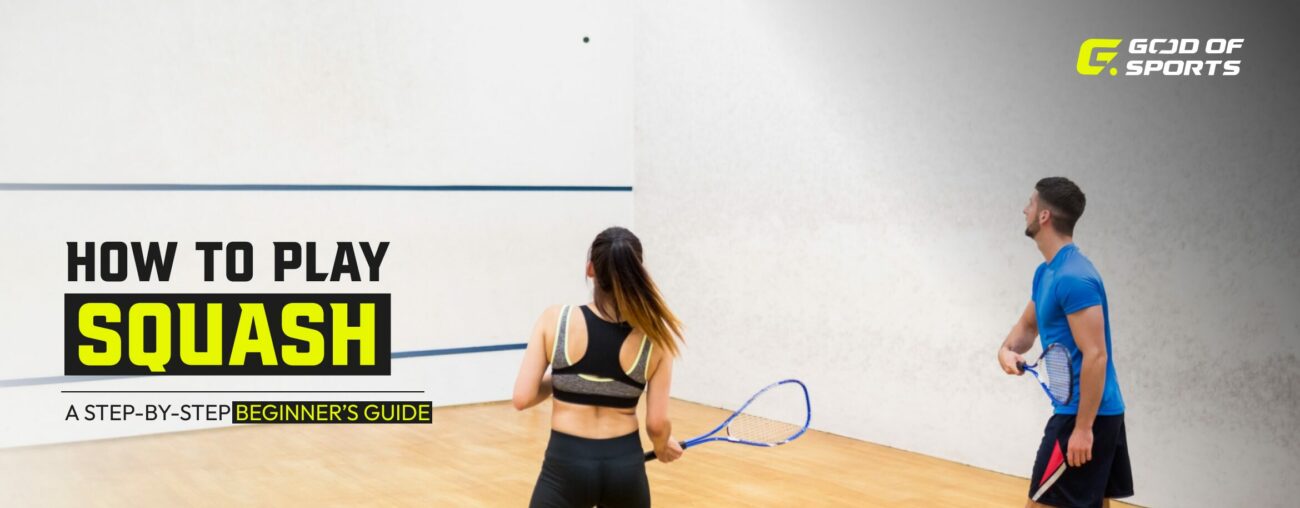
How to Play Squash: A step-by-step guide for beginners

How to Play Squash: A Step-by-Step Beginner’s Guide

Four walls, one ball, endless action—welcome to squash.

Squash isn’t just a game—it’s a battle of reflexes, strategy, and endurance played inside four walls where the ball never seems to slow down. Ranked among the world’s healthiest sports for its mix of speed, agility, and cardio intensity, squash challenges both your body and your mind. But for newcomers, stepping onto the court can feel overwhelming: What’s with all the lines? How do you serve? And how do you keep up with a ball that seems to vanish into the corners?

This step-by-step beginner’s guide cuts through the confusion. Whether you’re picking up a racket for the first time or looking to turn casual rallies into real games, you’ll learn the basics—rules, equipment, strokes, movement, and strategies—to start playing squash with confidence.

1) Gear You Actually Need (and what to skip)

  • Racket: Start with a mid-weight frame (130–140g unstrung) and an even or slightly head-light balance.
  • Ball: Beginners should use a single yellow dot (or even blue); double-yellow is for advanced play and will feel dead.
  • Shoes: Indoor non-marking court shoes with good lateral support.
  • Eyewear: Mandatory for safety, especially against volleys and ricochets.
  • Overgrip: A tacky grip helps keep control as you sweat.

2) Know the Court and the Lines

  • Service boxes: Where serves begin.
  • Short line: Splits front from back.
  • Half-court line: Splits left from right at the back.
  • Tin: Lower metal strip on the front wall; below it is out.
  • Outline & service line: Ball above these is out.

Core rule: The ball must always hit the front wall before or after the side/back walls and bounce no more than once.

3) How Scoring Works

  • Point-a-rally (PAR) to 11, win by 2.
  • Matches are best of 3 or 5 games.
  • Either player can score—no need to be serving.

4) Serving and Receiving

Serve checklist:

  1. One foot in the service box.
  2. Hit above the service line on the front wall.
  3. Land in the opposite back quarter.
  4. Alternate boxes after winning points.

Receiving tip: Aim to return deep and seize the T-position (center court).

5) Safety, Interference, Let & Stroke

  • Let: Rally replayed if obstructed but not decisive.
  • Stroke: Point to the striker if blocked from a direct winning shot.
  • Golden rule: Always clear space after hitting your shot.

6) The Beginner-Proof Grip

  • Hold it like a handshake.
  • V-shape of thumb/index on the back edge of the racket.
  • Relax your grip; tighten only on contact.

7) Four Core Shots to Learn

  1. Straight Drive (rail): Deep and tight along the side wall.
  2. Crosscourt Drive: Forces opponent off the T.
  3. Drop Shot: Soft, low shot close to the tin.
  4. Boast: Use the side wall to bring the ball forward when stuck.

8) Movement & Footwork

  • Control the T-position.
  • Use a split step as your opponent hits.
  • Lunge smartly and recover quickly.
  • Keep movements short, sharp, and efficient.

9) A Simple Beginner Game Plan

  • Serve high lobs, preferably to the backhand side.
  • Keep shots deep with rails.
  • Volley whenever possible.
  • Use drops sparingly—only when balanced.
  • Boast from defensive positions.

10) Five Starter Drills

  1. Solo straight drives – 100 per side.
  2. Figure-8 volleys – build touch & timing.
  3. Ghosting – shadow footwork to all corners.
  4. Drive–boast routine – partner drill for control.
  5. Serve & return ladder – practice starting rallies.

11) One-Week Beginner Plan

  • Day 1: Rules + solo drives.
  • Day 2: Footwork + drive–boast.
  • Day 3: Short games to 7.
  • Day 4: Rest/mobility.
  • Day 5: Serve & return + conditioned play.
  • Day 6: Full match.
  • Day 7: Light solo practice + stretch.

12) Warm-Up, Cool-Down & Prevention

  • Warm-up (5–8 mins): Skipping, dynamic stretches, light ghosting.
  • Cool-down: Light jog + stretches for calves, quads, hamstrings, and shoulders.
  • Hydrate & refuel with carbs + protein after play.

How to Play Squash: A beginner's guide

14) Court Etiquette Every Player Should Follow

  • Arrive on time with clean shoes.
  • Call “let” clearly and apologize if interfering.
  • Retrieve balls promptly.
  • Wipe sweat patches to prevent slips.

15) Quick FAQs on Squash

1. Is squash hard to learn for beginners?

Not at all. While squash is fast-paced, the rules and basics are simple to pick up. Most beginners can start rallying within their first session. The challenge—and fun—comes from improving your control, movement, and strategy over time.

2. How often should I play squash to improve?

Two sessions per week (one practice, one match) is a solid start. Consistency matters more than volume—regular practice helps you build muscle memory, improve fitness, and develop court awareness without burning out.

3. What’s the difference between squash balls (blue, red, yellow dots)?

  • Blue dot: Fastest, bounciest, ideal for beginners.

  • Red dot: Slightly slower, for improving players.

  • Single yellow dot: Standard club ball, for intermediate players.

  • Double yellow dot: Slowest, for advanced and pro play.
    Choose a livelier ball (blue or red) until you can generate enough pace yourself.

4. Can I play squash if I’ve never played another racket sport?

Yes! Unlike tennis or badminton, squash doesn’t require prior racket experience. The skills—like grip, footwork, and shot-making—are unique, so everyone starts fresh. In fact, complete beginners often learn faster because they don’t carry over habits from other sports.

5. What’s the best way to win points as a beginner?

Focus on three basics:

  1. Serve high and deep (especially to the backhand side).

  2. Hit straight drives tight along the walls.

  3. Always recover to the T after your shot.
    Even without fancy shots, controlling depth and position will win you more rallies than trying to hit risky winners.

Final Rally

Squash may look intimidating at first, but once you understand the court, the rules, and a few key shots, the game quickly turns into an addictive mix of speed, skill, and strategy. Every rally teaches you something new—about timing, positioning, and even how to push through fatigue.

Remember the essentials: serve smart, hit deep, recover to the T, and keep rallies alive with controlled shots. As you practice, the chaos of chasing the ball around four walls transforms into rhythm, flow, and eventually, confidence.

So grab your racket, find a court, and step into the game. Because once you start, you’ll understand why squash has been called “the sport for life”—fast, social, endlessly challenging, and always worth that final sprint to the ball.

The Curious Case of Asia Cup trophy: Why Team India was denied the trophy

The heart of the controversy was the presence of the Asian Cricket Council (ACC) president, Mohsin Naqvi, to present the awards. Naqvi, who holds the dual role of PCB Chairman and Pakistan’s Interior Minister, was deemed an unacceptable figure by the Indian team management. India’s objection stemmed from Naqvi’s alleged anti-India stance and a series of provocative social media posts and actions throughout the tournament, including demanding that the ICC charge Indian captain Suryakumar Yadav for expressing solidarity with the Indian Army.

Indian team officials reportedly informed the ACC well in advance that the players would refuse to accept the silverware from Naqvi. Their stance was firm: while they were willing to receive the trophy from any other dignitary on the dais—such as the Emirates Cricket Board vice-chairman—they would not engage with Naqvi.

The Aftermath

The presentation ceremony was delayed for nearly an hour as ACC officials scrambled to resolve the deadlock. Naqvi, however, stood his ground, insisting on presenting the trophy in his capacity as ACC chief and reportedly blocking any attempt to find an alternative presenter. The tension was palpable on the field as the Indian players stood firm at a distance from the podium, while Naqvi waited awkwardly on stage.

The atmosphere was further charged by the crowd. Indian supporters inside the stadium booed loudly when Naqvi appeared and filled the air with chants of “Bharat Mata Ki Jai.” The Pakistani team added to the confusion by remaining inside their dressing room for a prolonged period after the match ended.

When it became clear that India would not budge, the ceremony proceeded to individual awards, which were presented by other officials. However, the final act of the evening sent shockwaves through the cricketing world. Instead of the trophy being given to the winning captain, Mohsin Naqvi, along with the ACC event staff, allegedly walked away with the Asia Cup trophy and the winners’ medals.

This unprecedented denial of the trophy to the champion team sparked immediate and furious condemnation. Here’s how the BCCI, Team India skipper Suryakumar Yadav and Mohsin Naqvi reacted to the entire controversy.

  • BCCI’s Strong Protest: BCCI Secretary Devajit Saikia slammed the act as “very unfortunate, very unsporting,” and “childish.” He announced that the BCCI would lodge a “very serious and very strong protest” against Naqvi’s conduct at the International Cricket Council (ICC) conference in November. Saikia justified the team’s refusal, stating they could not accept the trophy from a person who “represents a country that is waging a war against our country.”
  • Player Reactions: Indian captain Suryakumar Yadav publicly criticized the organisers, stating he had “never seen a champion team being denied a trophy, that too a hard-earned one.” The victorious team, in a show of defiance, celebrated on the podium without the physical trophy, with players later posting images with a mock or virtual trophy on social media.
  • Naqvi’s Response: Adding fuel to the fire, Naqvi posted a controversial response on social media to the Indian Prime Minister’s congratulatory message, attempting to drag political conflict into the sporting victory, which was heavily criticized by cricket analysts for politicizing the game.

The Asia Cup final of 2025 will forever be etched in memory as the day geopolitical friction completely overshadowed sporting achievement, culminating in the embarrassing spectacle of a trophy being whisked away from the rightful champions.

Home
Shop
Wishlist0
Back to Top

Search For Products

Product has been added to your cart
Compare (0)