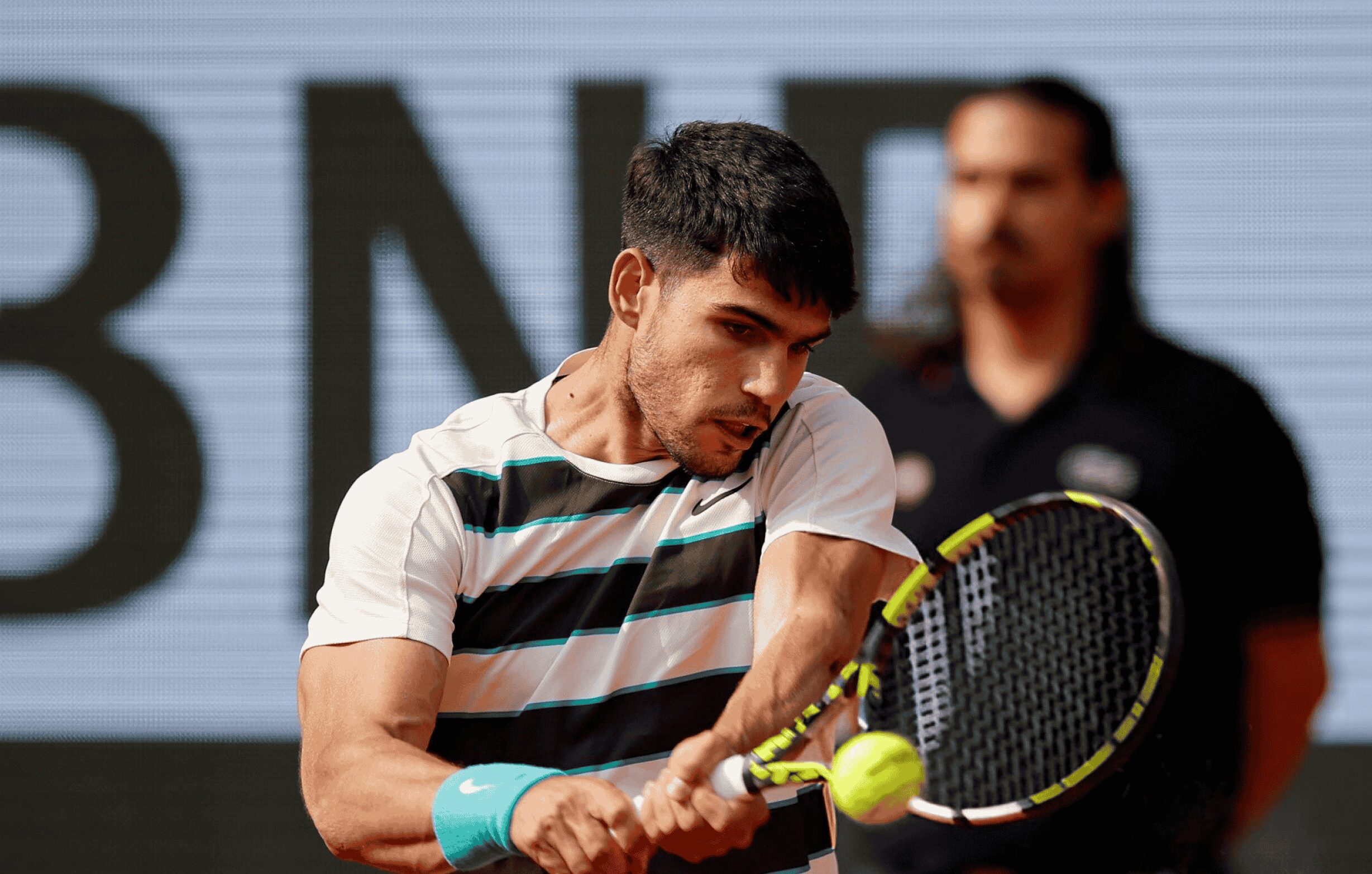
Carlos Alcaraz beat Jannik Sinner 6–2, 3–6, 6–1, 6–4 in a performance that combined first-strike serving with audacious shot-making—enough to reclaim the world No. 1 ranking and secure a sixth major, his second title in New York. It was less a slugfest than a statement: Alcaraz dictating with pace and variety, Sinner holding the line only in pockets, and the Spaniard’s ceiling proving higher when it mattered.
The night even had theater before the first ball. A heightened security operation around a presidential visit delayed the start by roughly 50 minutes—an unusual prelude that crackled through Arthur Ashe Stadium before Alcaraz promptly seized the momentum. If there were nerves, his serving disguised them.
Tactically, the match hinged on serve plus first forehand—and on who could break rhythm. Alcaraz landed heavy first serves, then flowed forward or knifed in the drop shot to pull Sinner off his preferred baseline patterns. Through two hours, 42 minutes, Alcaraz doubled Sinner’s winner count (42–21) and was broken just once, a statistical backbone to the eye test. He also dropped a mere nine points behind first serve for the night. That level of supremacy extended across the fortnight: Alcaraz won 98 of 101 service games in the tournament, one of the stingiest title runs in the Open Era.
Sinner had his surge. The second set was the window where his depth and linear pace finally bit—he broke to love mid-set and flattened the court with that trademark backhand. But the third swung sharply back as Alcaraz’s return position crept up, the backhand down-the-line reappeared, and the forehand finished points on command. The fourth was a control set: a single break, ruthless holds, and a closing service game that captured the new world No. 1’s poise.
Context matters, and this result nudges the rivalry’s balance. Coming in, Sinner was the defending champion and the sport’s standard on hard courts; Alcaraz leaves with the head-to-head cushion, the bigger tally of majors, and the psychological edge of having solved the puzzle on Sinner’s best surface. The ATP’s own ledger underscores the shift: Alcaraz converts five of 11 break chances, controls rallies with early contact, and now leads 10–5 in their Lexus ATP Head2Head.
A word on the broader tournament picture: this was the capstone on a near-perfect Alcaraz campaign—he lost just one set all event (to Sinner) and won a staggering 97% of his service games in New York. That’s title math.
And across the aisle, Aryna Sabalenka defended her women’s crown a day earlier, beating Amanda Anisimova in straight sets—an emphatic echo that the sport’s power brokers are consolidating their grip at the majors.
Sabalenka’s power game was untouchable throughout the fortnight, and she sealed her title defense with commanding precision against Amanda Anisimova. By lifting back-to-back US Open trophies, she underlined her dominance on hard courts and solidified her standing as the tour’s most consistent force in 2025.