
Tennis is an incredible sport for children. It develops coordination, balance, agility, and focus while encouraging social interaction and confidence. But for kids, tennis needs to be fun first. Long drills or repetitive exercises can quickly become boring, which is why incorporating games and interactive drills is essential for keeping young players motivated and engaged.
Imagine a tennis session where laughter mixes with skill-building. Balls bounce, kids dash across mini-courts, and each point feels like a mini-victory. This is how kids learn best — through play, not just instruction.
In this guide, we’ll explore fun tennis games and drills designed to teach skills while keeping the court alive with energy and excitement.
1. Balloon Tennis: Learning Without Pressure
Objective: Develop hand-eye coordination and racket control.
Equipment: Balloons, rackets, or even foam paddles.
How to play:
- Inflate a balloon and ask kids to keep it in the air using their racket.
- Encourage them to move around the court and prevent the balloon from touching the ground.
- Gradually increase difficulty by having two or more balloons in play.
Why it works:
Balloons move slowly, allowing kids to focus on timing, racket positioning, and coordination. It’s a stress-free way to introduce new players to the feel of hitting and tracking an object.
2. Target Practice: Accuracy Through Play
Objective: Improve precision and shot placement.
Equipment: Cones, hula hoops, or target mats.
How to play:
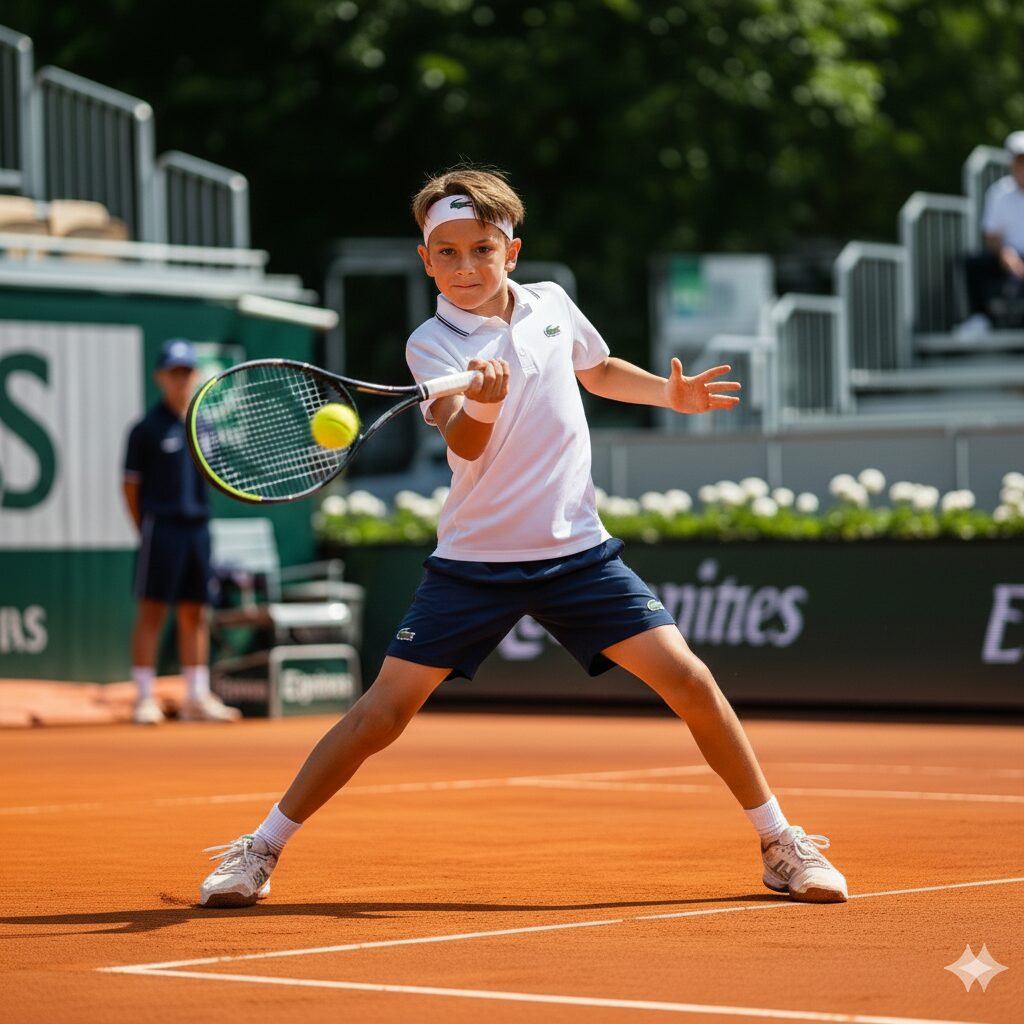
- Place targets at various positions on the court.
- Ask kids to aim their shots at the targets, using forehands, backhands, or volleys.
- Award points for hitting targets and turn it into a friendly competition.
Why it works:
Kids develop focus and control while practicing important skills. The competitive element keeps the game exciting without the pressure of a formal match.
3. King of the Court: Mini Matches for Motivation
Objective: Teach strategy, rallying, and match play.
Equipment: Tennis balls, rackets, and a small court or marked area.
How to play:
- Divide kids into two groups: challengers and defenders.
- The defender starts on one side, trying to win points against challengers one by one.
- If a challenger wins a point, they become the defender.
- Rotate players frequently to keep everyone active.
Why it works:
This game fosters friendly competition, improves rallying skills, and teaches kids to think strategically while keeping energy levels high.
4. Red Light, Green Light Tennis: Footwork and Agility
Objective: Enhance movement, reaction speed, and court awareness.
Equipment: Tennis balls, rackets, and cones or markers.
How to play:
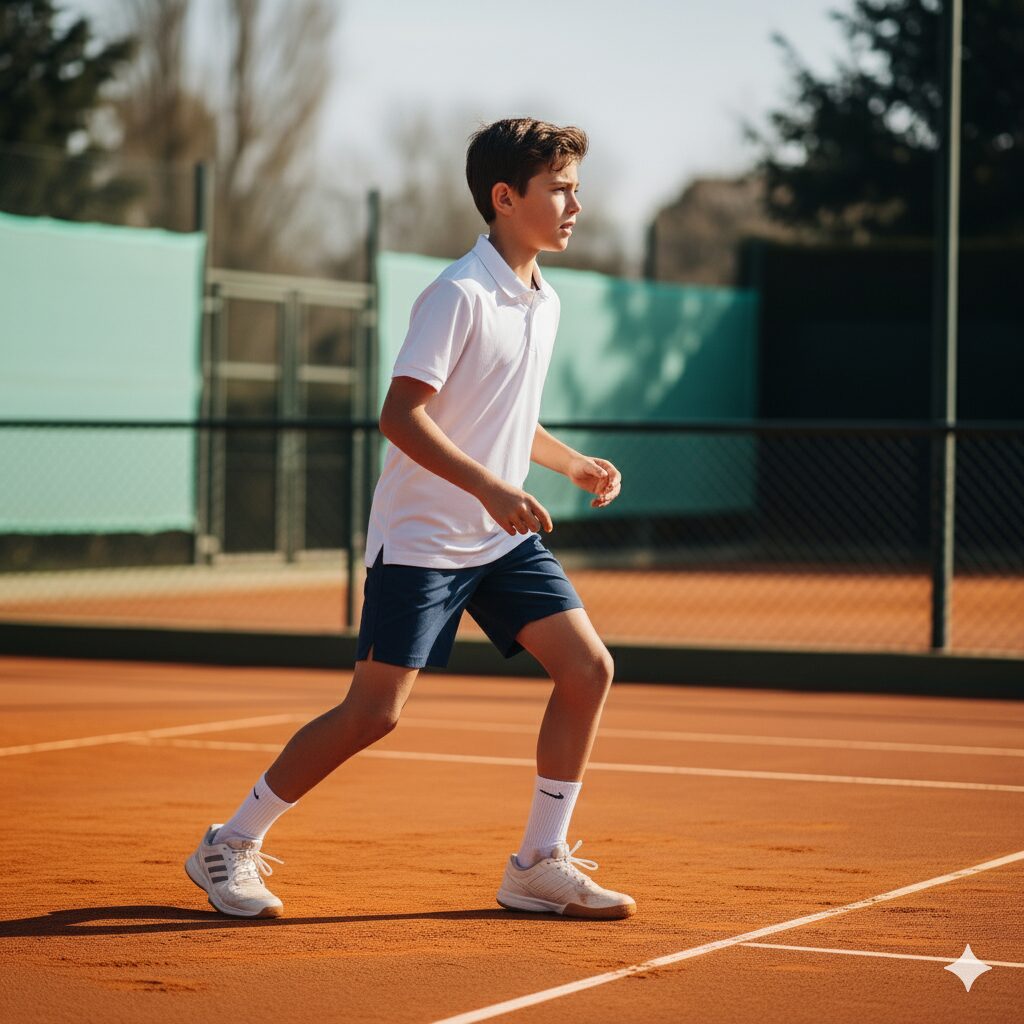
- Line up kids on one side of the court.
- When you say “green light,” they move toward the opposite side while dribbling the ball or bouncing it on their racket.
- When you say “red light,” they must stop immediately.
- Add “yellow light” for slow-motion movement.
Why it works:
This drill teaches kids to control their speed, adjust quickly, and improve footwork—all essential tennis skills.
5. Obstacle Courses: Combine Skills in a Fun Way
Objective: Develop coordination, agility, and problem-solving.
Equipment: Cones, ladders, ropes, balls, and rackets.
How to play:
- Set up a mini obstacle course on the court. Include sections for running, side shuffles, ball bounces, and hitting through targets.
- Have kids complete the course individually or in relay teams.
- Time their runs and encourage improvement with each attempt.
Why it works:
Obstacle courses combine multiple tennis skills in one playful activity. Kids improve stamina, agility, and coordination while enjoying a game-like challenge.
6. Catch and Hit: Hand-Eye Coordination Drill
Objective: Improve reflexes and timing.
Equipment: Tennis balls, racquets, and soft surfaces or mini-courts.
How to play:
- Partner kids up. One tosses the ball lightly, and the other hits it back.
- Start with short distances and slow tosses, gradually increasing distance and speed.
- Encourage variations like bouncing the ball first or hitting targets after the catch.
Why it works:
This drill strengthens reflexes, hand-eye coordination, and control. Kids also learn timing, which is crucial for effective rallies and volleys.
7. Tennis Tag: Combine Speed and Fun
Objective: Boost fitness, agility, and awareness.
Equipment: Tennis balls or soft foam balls, rackets optional.
How to play:
- One child is “it” and tries to tag others using a soft ball.
- Players move around the court, dodging and running, using tennis-style movements.
- Rotate the “it” player every few minutes.
Why it works:
Tennis tag incorporates running, quick stops, and directional changes — all movement patterns used in real matches. Kids also enjoy the competitive and playful aspect.
8. Mini Tennis Matches: Progressing to Real Play
Objective: Teach match rules, scoring, and strategy in a controlled environment.
Equipment: Standard tennis balls (or low-compression balls for young kids) and rackets.

How to play:
- Set up mini-courts using cones or existing court lines.
- Use modified rules, shorter games, and smaller balls.
- Encourage kids to rally, score points, and practice rotation of play.
Why it works:
Mini matches prepare kids for real competitions. They learn how to apply skills in a game context without the pressure of full-length matches.
Conclusion: Keeping Tennis Fun for Kids
The secret to developing young tennis players is balancing skill development with fun. Games and interactive drills ensure kids stay motivated while mastering coordination, footwork, accuracy, and match strategy.
A typical session could start with balloon tennis or red-light-green-light, move on to target practice and obstacle courses, and end with mini matches or King of the Court. This variety keeps children engaged, improves multiple aspects of their game, and instills a lifelong love for tennis.
By turning practice into play, coaches and parents can help children like Aarav not only develop tennis skills but also build confidence, social skills, and resilience — laying a strong foundation for future success both on and off the court.